


Ever notice how your Audi sometimes feels a bit off while you drive? It might be because your tires aren't at the right pressure. Keeping them just right makes your ride smoother, helps keep you safe, and even saves you money on gas. Think of it like giving your car a quick check-up before a long drive. In this guide, we'll take you through easy steps to check your tire pressure. It’s a small job that really makes a big difference, so let’s dive in and help your Audi run its best.
Audi Tire Pressure Guidelines by Model
When you're cruising in your Audi, keeping the tire pressure around 30 to 35 psi usually works great. Still, different models might need a little tweak here and there. Ever notice how a small change can make a ride feel perfect?
For instance, the Audi Q3 may need tire pressures anywhere from 33 to 46 psi, while the Audi e-tron GT usually does best around 39 to 44 psi. It’s always a good idea to check your owner's manual so you can be sure you're set up right.
Before you set off, make sure to check your tire pressures when the tires are cold. This gives you an honest reading, which helps your car handle smoothly and saves on fuel.
| Model | Front PSI | Rear PSI |
|---|---|---|
| Audi Q3 | 33-46 | 33-46 |
| Audi Q5 | 30-35 | 30-35 |
| Audi Q7 | 30-35 | 30-35 |
| Audi A3 | 32-45 | 32-45 |
| Audi e-tron GT | 39-44 | 39-44 |
How to Check and Reset Your Audi Tire Pressure Monitoring System

Before you hit the road in your Audi, it’s a smart move to check that all four tires have the proper pressure when they’re still cool. It’s like giving your bike a quick pump before you ride. Proper inflation keeps your car running smoothly, helps it stay safe, and even saves you some fuel. A little check now can prevent any unwanted surprises later.
To reset your TPMS, first make sure each tire is filled to the level stated in your owner's manual. Then follow these easy steps:
- Check each tire’s pressure with a gauge while the tires are cold.
- Add air or let it out until the pressure matches the manual.
- Press the Start/Stop button to turn on the ignition without starting the engine.
- Use your car’s controls to find the TPMS reset option and start the reset.
Following these steps is simple and makes sure your Audi’s system is set just right. This way, you can relax and enjoy your drive knowing everything is safe and in order.
Audi TPMS Sensor Calibration and Troubleshooting
Your TPMS is like a little helper that lets you know when your tire pressure isn’t quite right. When you see a steady light, it means the system has noticed your tire pressure drifting from what’s recommended (psi, which stands for pounds per square inch). If the light starts flashing, that’s usually a sign that something’s off with one of the sensors, such as a low battery or even damage.
Sometimes, the sensor’s battery can run low, the sensor might suffer a bit of damage, or nearby electronics could interfere with its signals. Imagine it like a radio catching too much static when the battery is nearly dead. And if a simple manual reset doesn’t clear the warning, it’s pointing to one of these sensor issues.
At that point, it’s a good idea to take your car to a trusted technician. They can check things out, diagnose what’s wrong, and replace any faulty sensors. This simple step not only keeps your tire pressure in check but also helps you stay safe on the road. Regular calibration and prompt troubleshooting ensure your Audi performs at its best, giving you smooth driving and solid handling every time you hit the road.
Audi Tire Pressure: Smart maintenance for top safety
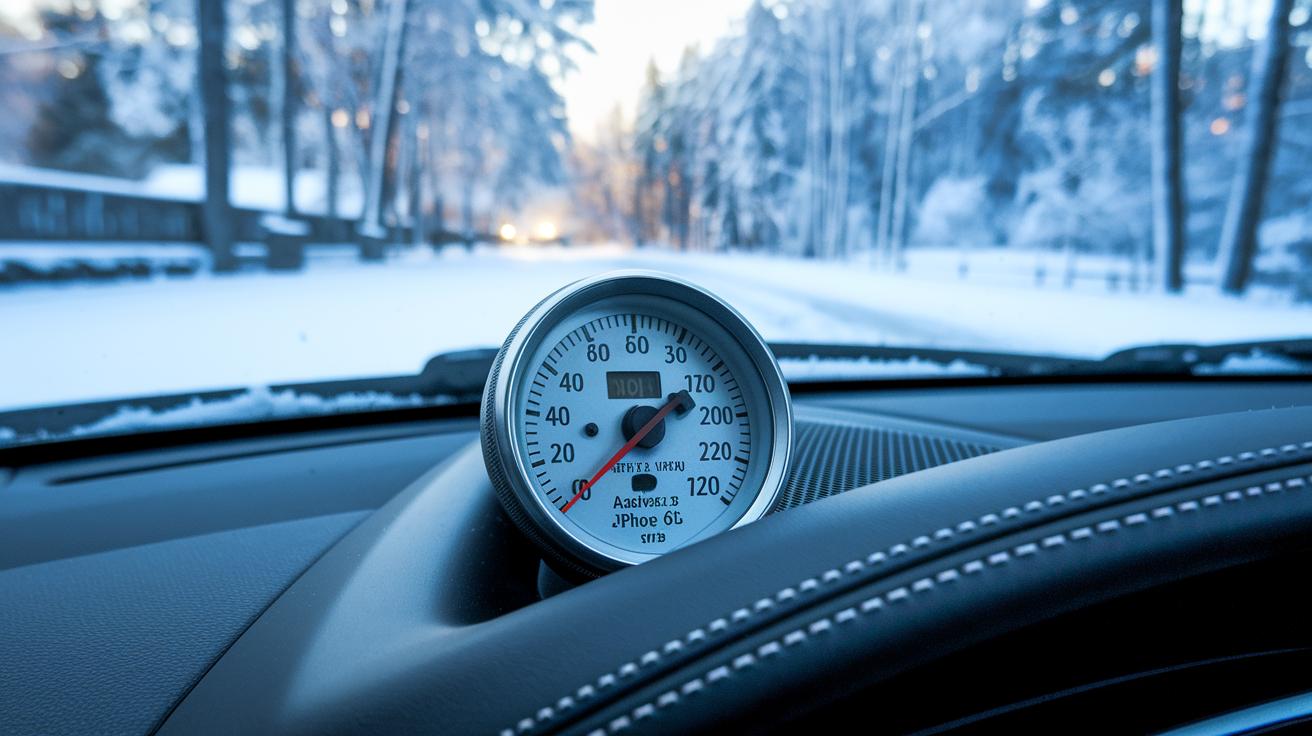
When the temperature drops, your Audi’s tire pressure can fall too. For example, if it gets about 10°F cooler, you might lose roughly 1 psi (psi stands for pounds per square inch, a measure of air pressure). It may seem small, but even this little change can affect how your car handles in cold weather. So, it’s a good idea to check your tires before a chilly spell hits.
When you load your car with extra weight or go towing, your tires have to work a bit harder. In these cases, adding an extra 2 to 4 psi (a bit more air) helps support the added load and keeps your ride safe. Think of it as giving your car a little extra boost when it’s taking on more work.
Before the hot days of summer or the frosty months of winter arrive, it's smart to give your tire pressure a quick check. Adjusting the pressure based on changes in temperature and load not only helps your tires wear evenly but can also improve your fuel economy. A few simple checks here and there ensure your Audi stays in top shape and your drive remains smooth and safe.
Maintaining Optimal Audi Tire Pressure: Best Practices and Common Mistakes
A lot of Audi drivers tend to forget about their spare tire pressure, and many check their tire pressure when the tires are warm instead of cool. This little mix-up can come back to bite you, imagine needing that spare only to find it’s flat. It’s like checking your pressure after a long drive and not realizing that the reading is higher than what it really would be when the tires are cold.
Regular checks are super important. And this isn’t just about watching your TPMS (that’s the system that keeps an eye on tire pressure) or tweaking sensor settings, it’s really about making sure you’re safe on every journey. For more handy tips on when to check your tires while cool, check out tire pressure maintenance tips and take a look at common tire care mistakes to avoid for extra advice on what not to do.
Audi Tire Pressure: Effects on Performance and Fuel Efficiency
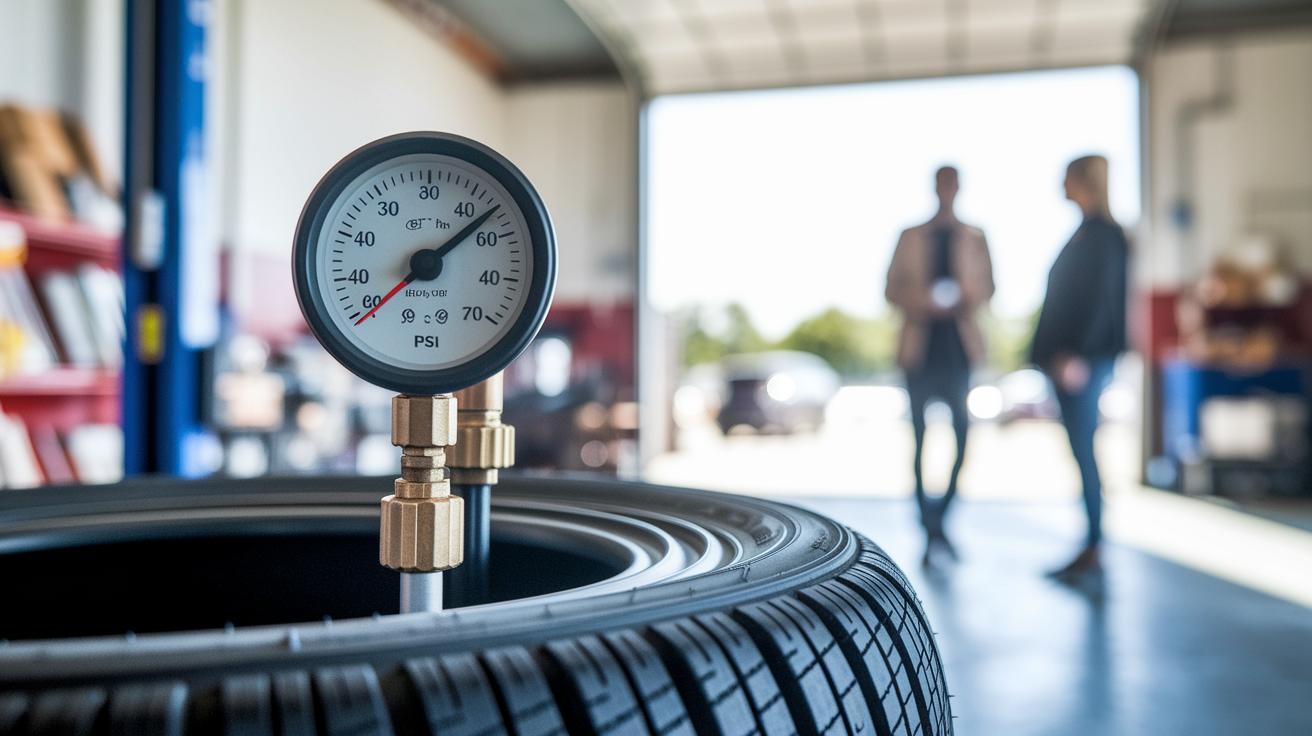
Keeping your Audi's tires at the right pressure is super important. When your tires are properly inflated, your car can save up to 3-5% on fuel. Underinflated tires make your car work harder because they create extra rolling resistance (that means more drag) and heat. This extra effort burns more fuel and can wear out your tires faster.
On the other hand, overinflated tires lose some grip, which can affect steering and braking. Ever notice how a firm grip on the road makes you feel safer? When your tire pressure is steady, you enjoy a smoother ride and even wear on the tire tread (the part that touches the road).
A little extra care with your tire pressure goes a long way. Next time you check your Audi’s tires, keep in mind those small tweaks can make a big difference in keeping your ride safe and fuel-efficient.
Final Words
In the action, this article covered key details on keeping your tires in check. We walked through Audi tire pressure guidelines by model, hands-on steps to check and reset your TPMS, and troubleshooting sensor issues. Tips on adjusting for seasonal changes and load conditions also got a spotlight, along with best practices that boost performance and fuel efficiency.
By keeping audi tire pressure spot on, you'll enjoy a smoother ride and stay safer on every road. Enjoy the drive ahead!
FAQ
What should my Audi tire pressure be?
The Audi tire pressure should meet the manufacturer’s guidelines, usually between 30 and 35 psi, though model-specific numbers might vary. Check your owner’s manual for accurate recommendations.
How do you check tire pressure on Audi MMI?
The Audi MMI guides you to check tire pressure by ensuring your tires are cold, then using a tire gauge and comparing the readings to the manufacturer’s specified values.
How to reset tire pressure on Audi?
The Audi tire pressure reset involves confirming all tires are inflated to the recommended psi, then accessing the TPMS reset function via the MMI controls to recalibrate the system.
Should my tires be 32 or 35 psi?
The recommended tire pressure for many Audi models falls between 30 and 35 psi. Your vehicle may require 32, 35, or a different psi, so refer to your owner’s manual for specifics.
What is an Audi tire pressure warning and how does it work?
The Audi tire pressure warning signals when a tire’s pressure is below or above the safe range by using sensors that detect changes and alert you through the vehicle’s display.
How can I view the Audi tire pressure display?
The Audi tire pressure display shows each tire’s pressure on the dashboard via the MMI system, making it easy for you to monitor and maintain proper inflation levels.
How to check Audi tire pressure manually?
The manual check involves using a trusted tire gauge on cold tires and then comparing the measurement with the owner’s manual specifications, ensuring your tires perform their best.

