


Have you ever felt a little shake when you’re driving fast? It might be more than just an annoyance. That wobble could be a sign that your tire weights (small pieces that keep your tires balanced) need some fixing.
When everything works together, your ride feels smoother, you use less fuel, and your tires wear out evenly. It’s a bit like tuning a guitar, each part of your car has to play its role for a quiet, steady drive.
In this article, we’ll walk through some easy steps to help keep your wheels balanced and your steering steady on the road.
balancing tire weights: Elevate Your Ride Today

Balancing your tire weights is very important. It cuts down on vibrations, saves fuel, and stops tires from wearing unevenly. A smooth ride isn’t just about feeling comfy in the car; it also helps your tires last longer and makes your overall vehicle work better. Think of it like tuning a guitar, all parts need the right touch so your car hums along quietly. If the weights aren’t balanced, you might feel a shake or wobble that could make steering tricky, even at normal speeds.
There are two common ways to balance tires. Static balancing uses a bubble tool or computer to find the heavy spot on one flat plane. Dynamic balancing, on the other hand, splits the tire assembly in two to check both side-to-side (lateral) and in-out (radial) forces. This two-part check catches any imbalances that might mess with your steering or tire rotation. These steps help keep your ride safe and steady.
- Mount the wheel on the balancer using the right adapters. (For more details on how to mount properly, check out "Why Proper Tire Balancing is Crucial After Installation".)
- Do a static balance check with a bubble balancer or computer and mark the heavy spot.
- Place clip-on weights in small increments (about 1/4 ounce) at that heavy point.
- Switch the balancer to dynamic mode and spin the wheel to check for both radial and lateral issues.
- If you have aluminum wheels, you might add tape-on weights inside the rim so they stay hidden behind the spokes.
- Run the static and dynamic tests again to make sure the readings are now within the proper range.
After you balance your tires, take your car out for a test drive on the highway between 50 and 70 mph. If the ride feels smooth and you don’t notice any shaking, you’ve done it right. A quick glance at your dashboard or a brief stop at a service center can confirm that your tire balance is just right for the road ahead.
Methods for Calculating Accurate Tire Weight Balances
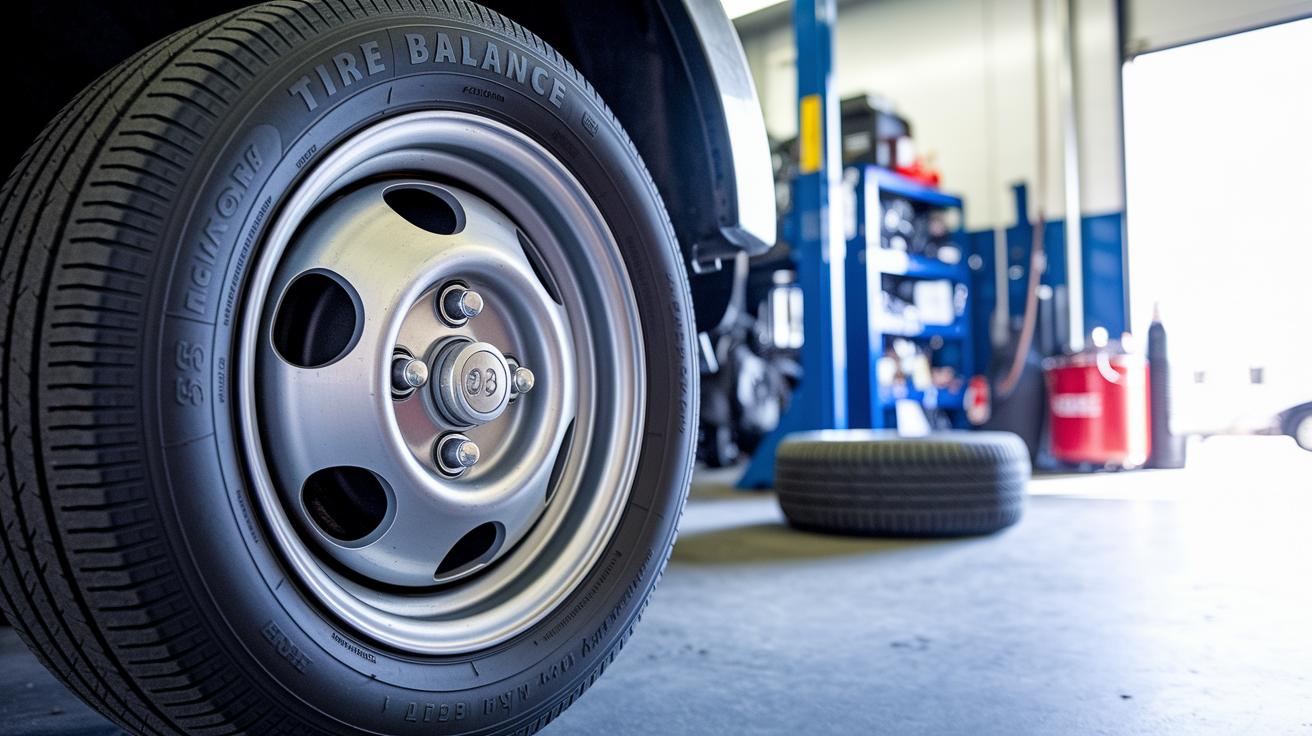
It might surprise you how tiny measurements can keep your tires balanced. Imagine a tire assembly weighing 36 pounds. If it sits off-center by only 0.006 inches, that little gap can create a 0.5-ounce imbalance. Even a 0.003-inch misalignment may cause a 0.25-ounce error, while a 0.012-inch shift adds up to 1 ounce. Small differences really do matter.
These simple numbers help technicians decide how much weight to use when attaching clip-on or adhesive weights. In truth, it’s all about turning a tiny offset into the perfect counterweight to keep your ride smooth and steady.
| Offset (inches) | Required Weight (ounces) |
|---|---|
| 0.003 | 0.25 |
| 0.006 | 0.5 |
| 0.012 | 1 |
Using these calculated values during installation lets mechanics place the weights exactly where they need to be. This careful adjustment minimizes vibrations and improves tire performance. Ever notice how a small correction can make your drive feel just right?
Essential Balancing Tire Weights Tools and Equipment

Getting a smooth ride starts with using the right tools. When you work with accurate instruments, you reduce vibration and help your tires last longer. Every careful measurement plays a big part in achieving that steady journey.
Computer Wheel Balancer
This device makes balancing tires feel like second nature. It works with a horizontal shaft, laser sensors, and handy software to spot both static (when the car is still) and dynamic (when in motion) imbalances. In other words, it finds the heavy spot and checks forces from all sides so you can adjust weight placement perfectly.
Static Bubble Balancer
For quick, straightforward checks, a bubble balancer really comes in handy. It gives you an immediate visual hint by showing a bubble that points to the heavy spot. This tool is simple to use, making it ideal for busy shops or when you need to make fast, basic adjustments.
Weight Hammer and Clip-On Pliers
Pairing a weight hammer with clip-on pliers helps you attach clip-on weights securely, whether they’re steel, zinc, or lead. You need just the right amount of force so that you don’t harm the rim and the weight sticks on properly. These tools also team up well when you’re checking adhesives on tape-on weights, making sure everything looks neat.
Centering Cones and Adapter Plates
No matter if your wheels are hub-centric or lug-centric, centering cones and adapter plates are essential. They hold the wheel true on the shaft and reduce errors by keeping everything perfectly centered.
Before every balancing job, take a minute to calibrate your tools. This small step ensures that you get accurate readings and keeps your tire balancing work reliable and effective every time.
Troubleshooting Vehicle Vibration After Balancing Tire Weights

When you’re cruising on the highway at around 50 to 70 mph, you might feel a steady shake that makes your ride seem a bit off. This kind of vibration often means that your tire balance needs a little more fine-tuning. It usually points to a small, uneven weight that’s affecting your smooth drive.
Sometimes, it all comes down to using the wrong weight size or putting it in the wrong spot. Even a tiny mistake in where the weight is placed can cause noticeable shaking. This is one of those common issues you might run into when the balance isn’t set up quite right.
A basic static bubble check (a tool that finds the heavy spot in one part of the tire) might miss some of the sideways imbalances that can occur. That’s where dynamic balancing really shines. By spinning the tire and checking from every angle, dynamic balancing finds and fixes those extra imbalances that static checks might overlook. It makes sure both your steering and tire rotation are perfectly in tune for the smoothest ride.
If the shaking sticks around, try taking off the wheel and running it through the balancer again. Checking the adapters and making sure the cones are seated properly could be just the fix you need to get rid of that persistent vibration.
Comparing DIY vs Professional Balancing Tire Weights Services

DIY tire balancing kits usually come with a bubble balancer, sticky weights in 1/4 oz sizes, and a simple stand. They let you do a basic static check at home. But since these kits only look at one plane, they might miss side-to-side or two-plane issues that can affect your steering and balance. They work well for basic needs but can miss some finer details.
Professional shops, on the other hand, use high-tech computer balancers that work in static and dynamic modes. Skilled technicians enter important wheel details (like size and flange thickness, which is the edge of the wheel) to set things just right. They use precise sensors plus centering adapters to catch even small imbalances that a DIY kit might miss. For tricky or unusual wheels, many experts suggest checking out Tire Balancing Services for quick and accurate fixes.
When it comes to cost, DIY kits are cheaper and a good starting point. However, their lower accuracy might mean more frequent adjustments over time, which can add up. Professional services may cost a bit more for labor, but they often help improve fuel efficiency and reduce tire wear by giving your tires a more exact balance.
Routine Maintenance and Safety Guidelines for Balancing Tire Weights

Every time you rotate your tires or drive about 6,000 to 8,000 miles, it’s a smart move to give your tire balance a quick check. A sudden bump from a pothole or a curb hit can loosen those weights, and you don’t want to be caught off guard when the wheel weights start to shift or fall off at high speeds.
Take a moment to look over the clip-on weights and make sure they’re still locked onto the rim. For tape-on weights (the ones stuck on with adhesive), check that the glue is still holding strong. Also, keep an eye out for any signs of rust or worn edges on the rim that could mess with the weight’s seating. And don’t forget to ensure the weights are tightened just right. This little checklist helps catch issues early, saving you from uneven tire wear or annoying vibrations later on.
Handling these small fixes as soon as you notice them not only reduces vibrations but also helps save money in the long run. Regular care for your tire weights is like giving your car a little extra peace of mind, it keeps your ride both safe and smooth.
Final Words
In the action, this guide shows you how proper steps and tools keep your ride smooth by balancing tire weights. We covered both static checks and dynamic methods, plus a few tips to fix speed-related shakes.
Each step, from mounting wheels to choosing the right weight, helps boost tire performance and longevity. Whether you stick to a DIY method or visit a professional, balancing tire weights is key for a safe, smooth drive. Enjoy the ride ahead!
FAQ
Tire balance weights falling off
The tire balance weights falling off means that the weights used to balance a tire may become loose due to poor adhesion or impact. This can lead to uneven tire wear and a vibration when driving.
Wheel weights types
The wheel weights types include clip-on weights (applied in small increments with a weight hammer) and adhesive weights that stick onto alloy wheels. Each type helps keep tires properly balanced.
Balancing tire weights near me
The balancing tire weights near me phrasing points to local shops that offer tire balancing services. Check nearby auto repair centers or tire retailers for assistance.
Balancing tire weights for sale
The balancing tire weights for sale query indicates that you can buy various types such as clip-on or adhesive weights. Many retailers and online stores offer reliable products for tire balance.
Wheel balancing weights for alloy wheels
The wheel balancing weights for alloy wheels prompt means that adhesive weights are often used on alloy rims. They attach securely without marring the finish while keeping the tires balanced.
Wheel Weight Assortment
The wheel weight assortment refers to a mix of weights in various sizes and styles used to balance tires properly. This collection lets you tackle different imbalance issues on different vehicles.
Clip on wheel weights
The clip on wheel weights mention means that these weights attach with a hammer in small increments, usually 1/4 ounce at a time. They are favored for their precise control over tire balance.
Wheel Weights oreillys
The Wheel Weights oreillys question suggests looking into the selection offered at Oreilly stores. They often provide both clip-on and adhesive types suited to a variety of balancing needs.
How much weight should be used to balance a tire?
The how much weight should be used to balance a tire query means that the exact weight depends on the tire’s imbalance. Typically, weight adjustments can range from as little as 0.25 ounce up to a few ounces based on offset measures.
Where do weights go when balancing tires?
The where do weights go when balancing tires question means that weights are placed opposite the heavy spot on the tire. They are either applied on the rim edge or inner lip to counteract any imbalance.
Do you need wheel balancing weights?
The do you need wheel balancing weights inquiry means that most vehicles require them to achieve smooth rotation, minimize vibrations, and extend the life of the tires. They play a key role in ride quality.
Are tire balancing beads better than weights?
The are tire balancing beads better than weights query means that beads offer an alternative by shifting within the tire during rotation. While some drivers like their feel, many still prefer traditional weights for targeted balance control.

