


Ever wondered if sport tires could save you money on fuel while making your ride quieter? These tires have low rolling resistance, which means they waste less energy as they twist with each turn. In simple terms, your car uses fuel better and feels smoother on the road.
Imagine cruising along feeling like your car is saying, "I've got you." Not only can these tires help you cut expenses, but they also make driving more comfortable and even lend a hand to our environment. In this post, we're taking a closer look at how sport tires improve fuel economy, add extra comfort, and just make your drive more enjoyable.
Core Benefits of Low Rolling Resistance in Sport Tires
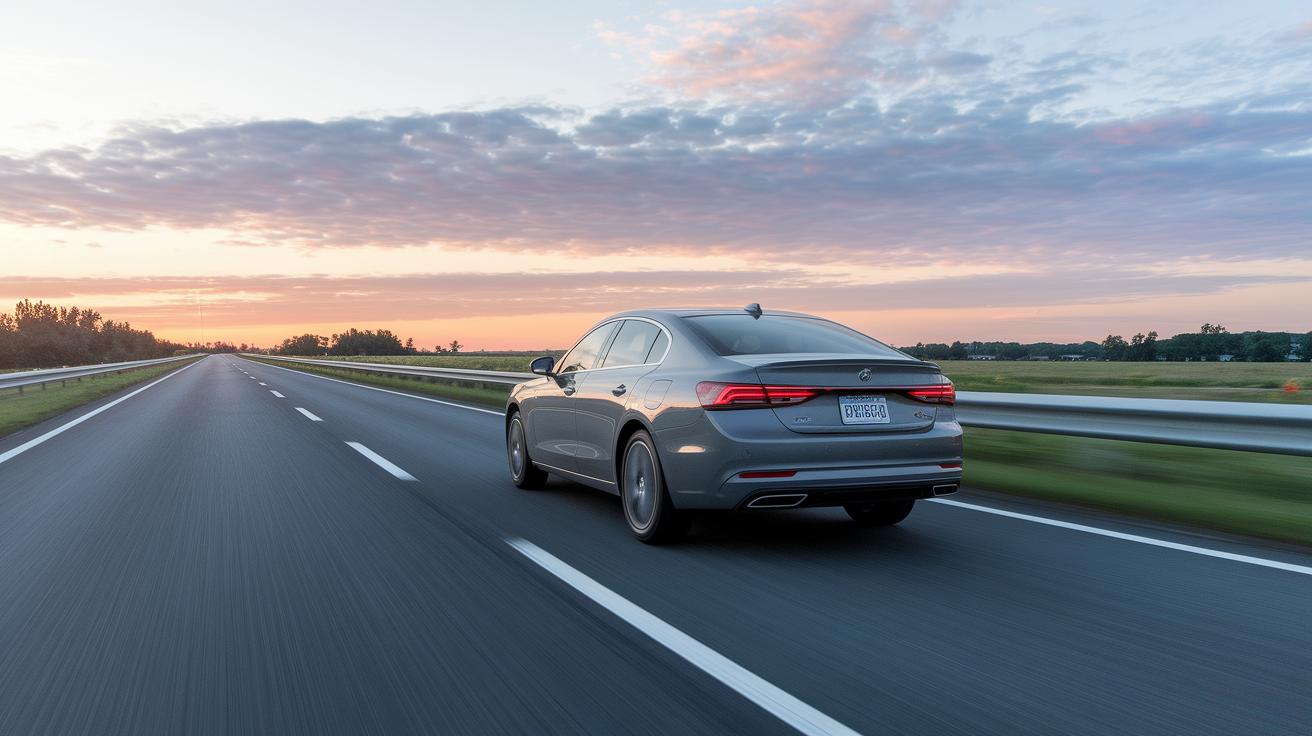
Low rolling resistance means your tire wastes less energy when it bends with each turn. Simply put, the tire doesn’t have to work as hard to keep your car moving, saving you fuel. Imagine a smooth ride where your car quietly whispers, "I've got you," every time you hit the road.
Research shows these tires can help cut your fuel costs. In fact, a study by the University of Michigan and Consumer Reports found that drivers could save about $78 a year per vehicle. Lower fuel use not only means spending less at the pump but also helps reduce harmful carbon emissions, making your journey a bit kinder to our world.
These sport tires also boost ride comfort. With less bending of the tire (this bending, called tire flexing, is when the tire changes shape during use), you get a quieter and smoother ride. It’s like driving with a friendly companion who makes every trip more enjoyable.
There is a tiny trade-off, though. With reduced rolling resistance, you might notice a little less grip on wet roads. But for everyday driving, this small change is hardly noticeable when you consider the fuel savings, lower emissions, and extra comfort. Low rolling resistance tires truly offer a win-win for your wallet and your drive.
Low Rolling Resistance Sports Tires: Underlying Design Principles

Racecar drivers rely on these subtle design tweaks to squeeze every bit of performance from their tires. Indeed.
Low rolling resistance means reducing the force that slows your tire down as it moves. When your tire spins, it slightly changes shape, and that shape change wastes energy that could push your car forward. To save that energy, tire designers tweak several features. For example, they create tread patterns with gentler, shallower grooves. This helps the tire bend less, so you lose less energy every time you take a turn. But keep in mind, those shallower grooves might wear out faster if the tire’s rubber mix isn’t tough enough.
Today’s manufacturers use smart new rubber recipes to cut down on energy loss. They blend in high-silica (a special additive that boosts durability), different oils, and emulsifiers (ingredients that help mix the compounds evenly) to make a tire that works more efficiently. This modern mix not only lowers rolling resistance but also makes the tire snap back quicker on the track. And by using firmer, lighter sidewall designs, they further reduce bending and wind drag. The result is a tire that cuts down on wasted rotational energy and helps your vehicle glide smoothly.
If you want more details, check out our article on low rolling resistance tire technology for a deeper dive.
Fuel Economy Impact of Low Rolling Resistance Sport Tires

Low rolling resistance sport tires make your ride smoother by cutting down on friction, so more of your engine’s power actually moves your car instead of turning into wasted heat. In other words, these tires help you get more bang for your buck from every drop of fuel.
One fleet operator saw a fuel boost of about 3%. They figured this out by keeping their tires pumped up and making sure the alignments were spot on. When your tires are properly inflated and aligned, they don’t waste extra energy.
A simple tip: check your tire pressure each month. A well-inflated tire uses energy more efficiently, helping you squeeze more miles out of your fuel.
Regular check-ups keep these perks in place, making every drive a bit smoother and more efficient.
Performance Handling Gains with Low Rolling Resistance Sport Tires

When you take a spin on the track with sport tires built for low rolling resistance, you'll feel a big boost in handling. The tire hardly flexes, so your steering gets noticeably sharper. Picture driving through a curve like your car can read your mind, light, responsive, and putting you fully in control.
The firmer sidewalls mean the tire doesn't bend as much when you're speeding through turns. This gives you a steady feel, almost as if your car is glued to the road. Plus, the shallower tread blocks keep more of the tire in contact with the pavement (that small patch touching the road), which helps with grip at high speeds.
But there is a little trade-off. In wet or slippery conditions, you might notice the tire doesn't grab as aggressively as ones with deeper treads. Still, if you're all about sporty driving, the perks of sharp steering, quick cornering, and solid high-speed grip make these tires a smart choice. Enjoy the thrill of a responsive ride where every twist and turn feels both fun and safe.
Durability and Maintenance of Low Rolling Resistance Sport Tires
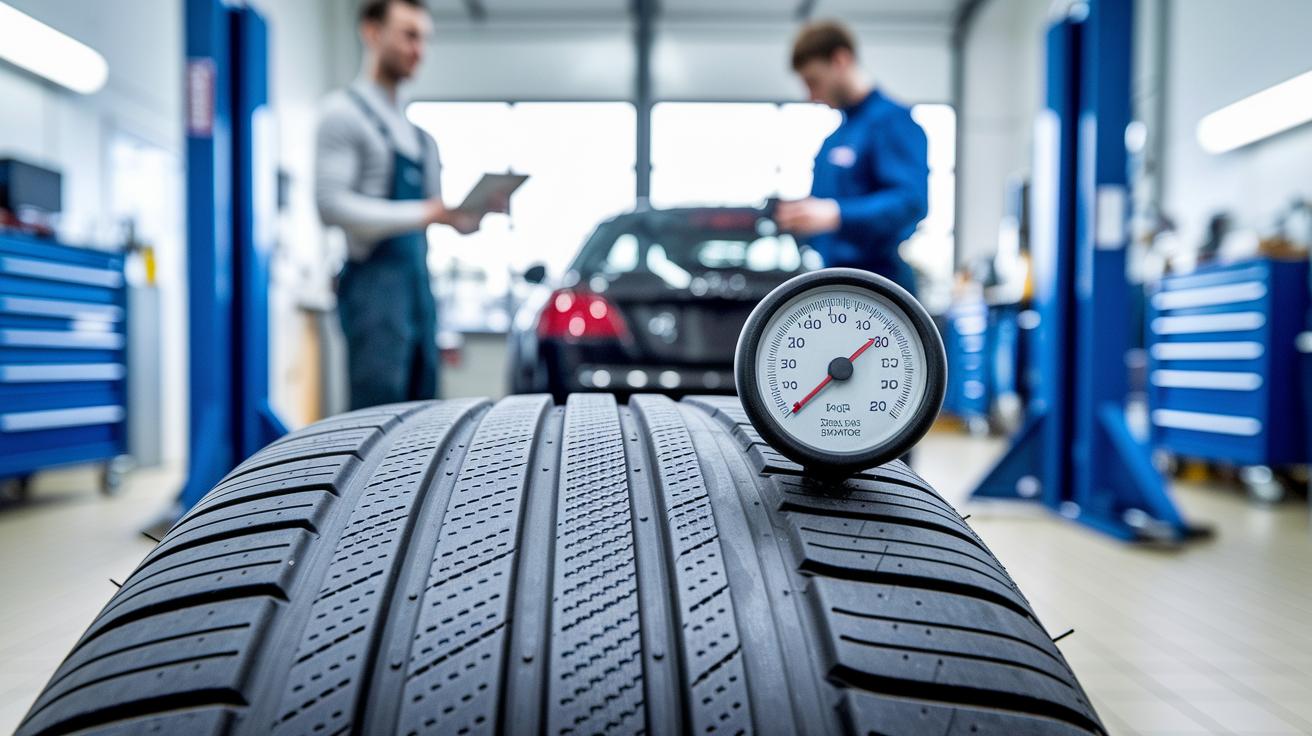
Lowering the tread depth helps reduce rolling resistance, but it can also make your tires wear out faster. Think of it like gently sanding a pencil, you lose a bit of strength as the layer thins. To deal with this, modern tires mix in high-silica compounds (materials that help the tire last longer even with less tread). This smart blend lets the tire save energy while handling everyday wear.
Regular tire rotations and alignment checks go a long way in extending the life of these sport tires. It’s a bit like giving your car a tune-up so every part runs smoothly. Rotating your tires helps them wear evenly, and keeping the alignment straight prevents uneven wear. Many experts even suggest checking these tires more often to keep them performing at their best.
For more handy tips, be sure to look at our tire technology guidelines. A little regular care can help maintain both your fuel efficiency and the overall life of your tires.
Comparing Low Rolling Resistance Sport Tires to Standard Performance Tires

Low rolling resistance tires bring some clear perks over regular performance tires. They have a rolling resistance of about 0.007 versus 0.010 on standard tires. That means less energy is wasted as the tire turns, giving you roughly a 3% boost in fuel economy. In simple words, your engine doesn't have to work as hard, which can help lower your fuel bills over time.
But there’s a trade-off. These tires usually come with a 5/32-inch tread depth. This design cuts down on drag (the force that slows you down) but tends to wear out about 10% faster than the typical 8/32-inch tread on standard tires. When new, both types give similar side grip, yet the lower tread might mean a quicker loss of that grip as time goes by.
| Metric | Low Rolling Resistance Tires | Standard Performance Tires |
|---|---|---|
| Rolling Resistance Coefficient | ~0.007 | ~0.010 |
| Fuel Economy & Tread | About 3% better fuel efficiency; 5/32″ tread, wears ~10% faster | Regular fuel efficiency; 8/32″ tread, longer wear life |
Real-World Test Results for Low Rolling Resistance Sport Tires

Field tests now cover more than just saving energy. In these studies, we use tools like dynamometers (devices that measure energy loss) to check how tires work on different surfaces. Advanced air pumps bring the tires up to 150 psi (a measure of pressure) to catch even the smallest differences in performance that regular tests might miss. One study looked at energy loss at different pressure levels to find the best spot for top performance. A tester even shared, "Tires at exactly 150 psi showed a clear drop in rolling resistance, which made them perform better on both dry and wet roads."
More real driver experiences back up these technical findings. Track tests let drivers share their honest thoughts about the benefits of perfect tire inflation. One driver mentioned, "The tires felt more responsive and every lap was consistent." This friendly feedback is supported by hard data that connects proper inflation with improved handling at high speeds. The numbers showed steady lap times and better grip under tough conditions, giving us a clear picture of how these low rolling resistance tires really perform on the road.
Final Words
In the action, we uncovered how modern sport tires with low rolling resistance shave off extra energy loss. We looked at design tweaks, special compounds, and maintenance tips that lead to a smoother, quieter ride and better fuel savings.
The benefits of low rolling resistance in sport tires shine through with improved performance and cost-effective driving. Enjoy the ride knowing you’ve made a smart, efficient choice.
FAQ
What are the benefits of low rolling resistance in sport tires?
The benefits of low rolling resistance sport tires include improved fuel efficiency, reduced fuel costs, and a quieter, smoother drive. They also help lower carbon emissions with only a slight compromise in wet grip.
How can I identify low rolling resistance tires?
The identification of low rolling resistance tires involves spotting features like shallower tread patterns and advanced compound blends designed to reduce tire deformation. Tire specs and manufacturer info can provide extra details.
What does a car tire rolling resistance chart show?
The car tire rolling resistance chart shows coefficients that indicate how much energy is lost as a tire rolls. It helps drivers compare tire efficiency to find models that offer better fuel economy.
Which vehicles might use both acoustic and low rolling resistance tires?
The vehicles using both acoustic and low rolling resistance tires are usually those that blend comfort and efficiency, such as hybrids or top-performing vehicles, to lower noise and fuel consumption at the same time.
What are Michelin low rolling resistance tires?
The Michelin low rolling resistance tires are engineered to reduce energy loss, boost fuel economy, and provide a smoother ride through innovative compound blends and tread designs that maintain good performance.
Is lower rolling resistance better?
The lower rolling resistance is better for fuel economy because it means less energy is needed to keep the tires moving, which reduces fuel use and emissions, albeit with a potential minor trade-off in wet road traction.
What are the disadvantages of low rolling resistance tires?
The disadvantages of low rolling resistance tires include a slight reduction in wet grip and the possibility of faster tread wear due to shallower grooves. They focus on efficiency, which can impact traction in certain conditions.
How much better is the MPG on low rolling resistance tires?
The MPG improvement with low rolling resistance tires is around 3% on average. Studies show this translates to about $78 in fuel savings per year for each vehicle, offering a cost-effective upgrade.
What are some of the best low rolling resistance tires?
The best low rolling resistance tires balance efficiency and performance. Look for tires that feature advanced tread design and durable compounds, with quality options available from reputable brands like Michelin.

