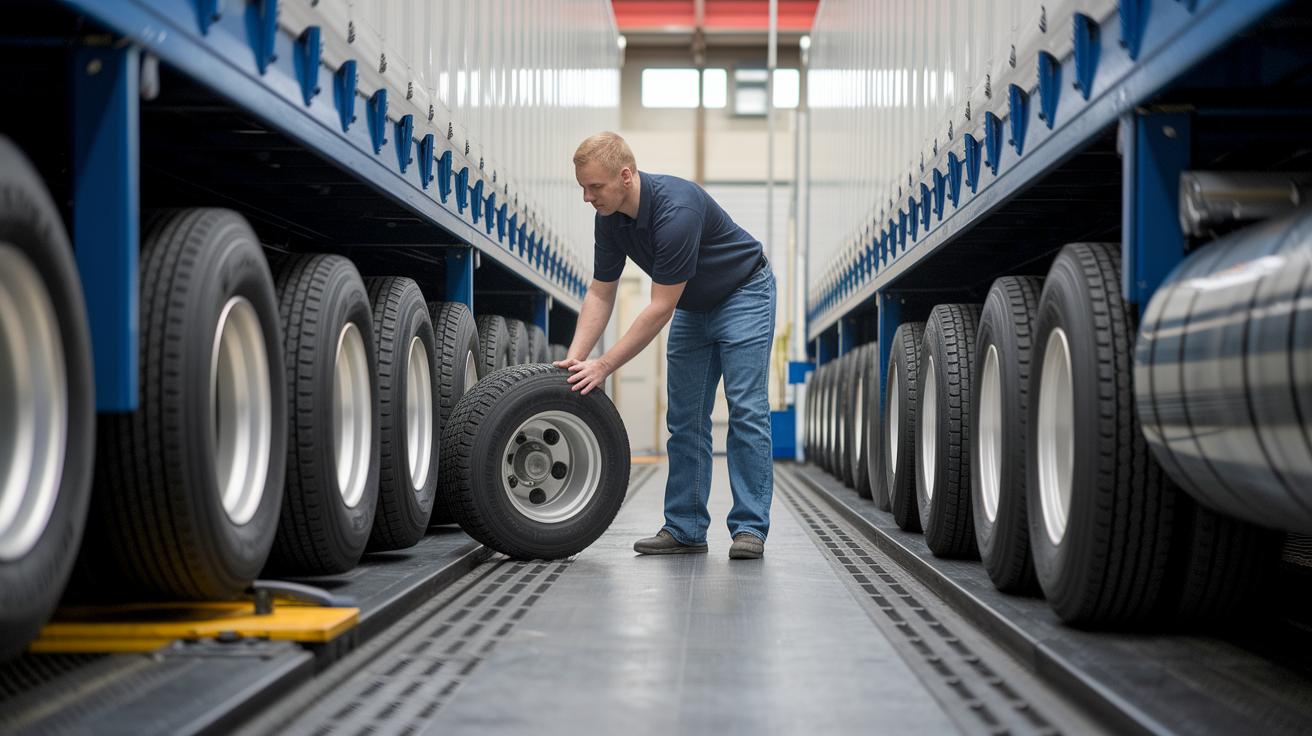


Ever wonder why some fleet drivers don’t face unexpected tire troubles? Regular tire rotations, which means switching your tires around so they wear evenly, help save money and cut down on surprise repairs.
It’s a smart move that gives drivers a steady grip on the road while keeping downtime low. For fleet managers, sticking to a rotation schedule means smoother rides, fewer breakdowns, and energy savings because each tire gets a fair shot at doing its best.
In short, keeping up with tire rotations is a simple step that can lead to big benefits for safe, efficient fleet maintenance.
Core Advantages of Scheduled Tire Rotation in Fleet Maintenance

Scheduled tire rotations are a smart way for fleets to save money and dodge those annoying surprise repairs. They help keep tire wear even (that means the tire surface wears evenly) so you get steady grip and smooth handling. Ever notice how even a tiny difference in wear can make a car pull to one side? That little imbalance can be a safety risk.
When tires are rotated on schedule, your fleet runs more efficiently. Even tire wear cuts down on sudden failures and reduces downtime. This means drivers can stay confident on the road without worrying about unexpected repairs, which is a real money-saver.
A regular tire rotation plan doesn’t just boost safety, it also improves how a fleet performs. Fleet managers say that evenly worn tires make it easier to control vehicles at high speeds. Plus, balanced tires lower rolling resistance (the energy needed to keep a car moving), which helps improve fuel efficiency and lowers overall costs.
Imagine a fleet where routine rotations keep everyone safe and no breakdown ever happens. On top of that, technicians have a chance to spot any damage early, keeping the vehicles reliable and the fleet’s reputation strong.
In short, scheduled tire rotations protect both the truck and the driver. They help cut costs, keep rides smooth, and ensure the fleet stays on the road longer.
Extending Tire Lifespan Through Scheduled Tire Rotation
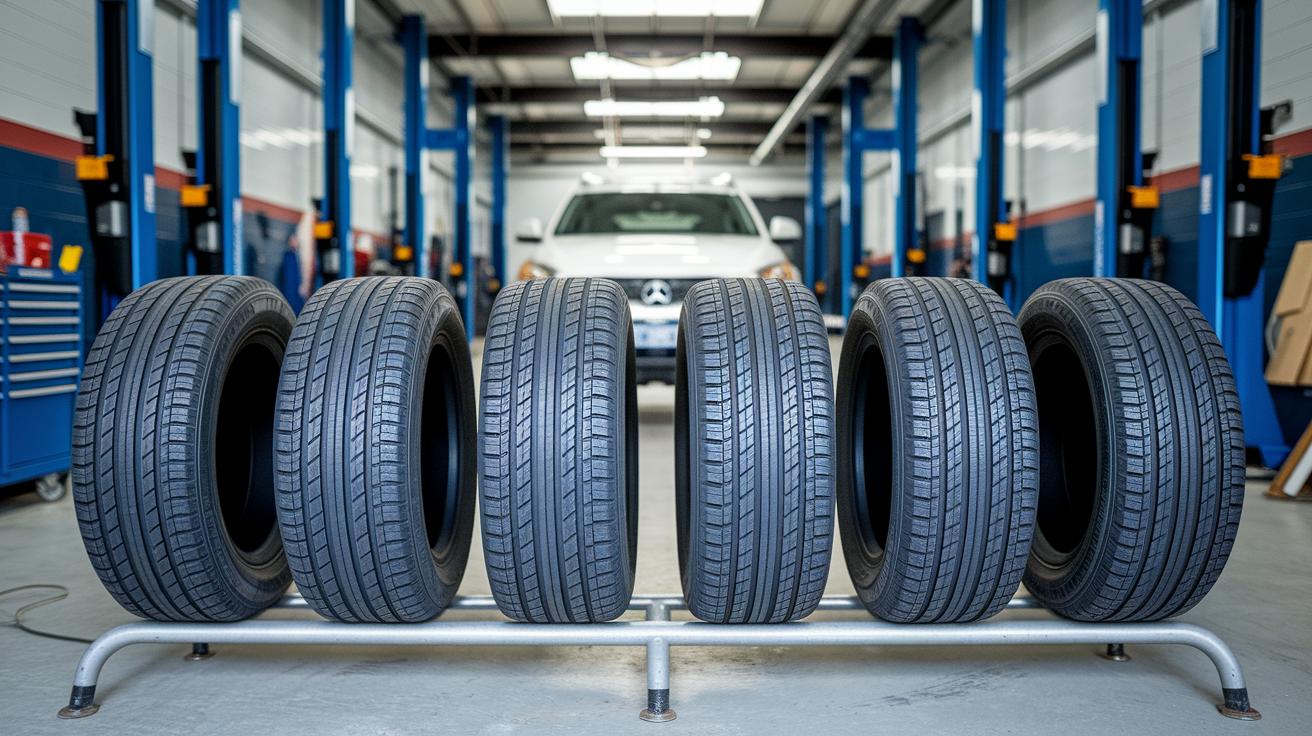
Rotating your tires around the midway point of their wear, usually about 50,000 miles, helps all four tires wear down evenly. When you switch them regularly, like moving the front tires from one side to the other or shifting the rear tires in an "X" pattern (a method to keep wear balanced), each tire gets a fair chance to perform at its best. It’s a bit like letting everyone in a class take a turn leading a project.
And don’t forget the importance of regular balancing and alignment checks. These simple checks keep the weight even across your tires, reduce any drifting, and help prevent them from wearing out too soon. I remember saying after my last rotation, “Wow, every tire looked and felt just right,” leading to a much smoother, more controlled ride.
By blending tire rotation with alignment, you not only make your tires last longer but also help your whole fleet run better. When wear is spread out evenly, the tires work together smoothly, keeping their grip and handling sharp over time. Staying on top of this routine makes for safer roads and keeps your tire upkeep both simple and budget-friendly.
Reducing Fleet Maintenance Costs with Scheduled Tire Rotation

Fleet managers have a new trick up their sleeve. By combining advanced tracking systems with regular tire rotations, you can get a clear picture of your spending. In fact, digital tools help cut the cost-per-mile by 10-15%. Imagine getting a dashboard alert that tells you a cost drop just happened right after a rotation.
Mixing tire records with your budget planning makes a big difference too. When you look at past wear data and rotation logs, you can plan ahead and put money aside for new tires instead of being hit with sudden repair bills. One case even showed that proactive rotation tracking reduced emergency repairs by 12%. That means fewer surprises and more control over your expenses.
Using smart scheduling turns simple tire rotations into a key part of your budget strategy. It helps you know when your tires are wearing out and prevents those unexpected, pricey repairs that can throw off your budget.
| Metric | Reduction or Benefit | Insight |
|---|---|---|
| Cost-per-mile | 10-15% reduction | Saves money by extending tire life |
| Emergency Repairs | Up to 12% reduction | Prevents costly, unexpected repairs |
| Budget Forecasting | Improved | Makes long-term financial planning more accurate |
Improving Fuel Economy with Scheduled Tire Rotation

Rotating your tires regularly keeps their tread even, which lowers the effort your engine must put in. When tires wear unevenly, the engine has to work just a bit harder, using more fuel. Imagine driving on a road where each tire grips evenly, giving you a smooth, efficient ride.
One fleet study showed that rotating tires every 8,000 miles can boost fuel economy by 3 to 5%. They found that keeping a steady rotation schedule helps all the tires wear evenly, making the vehicles run better. It’s like every tire plays its part in keeping the entire ride smooth.
Checking your tire pressure also helps a lot. When tires are inflated just right, they work well with the rotations to keep the balance perfect on the road. In one fleet, cars with regular tire maintenance not only saved fuel but also handled better on long drives.
Balanced tires can even cut down on wind drag when you're on the road for a long time. Keeping your treads even means your car can use fuel more wisely, especially during heavy-duty tasks.
Enhancing Road Safety via Scheduled Tire Rotation

Regular tire rotations not only keep your tires in check but also give techs a chance to spot tiny issues early, like small cuts or stones stuck in the tread (think of noticing a little scratch before it turns into a big problem). This simple routine helps prevent dangerous tire blowouts, brake troubles, and extra engine strain. Plus, it makes sure your fleet meets safety rules every time it hits the road.
Expert inspections, like those from Tire Rotation Service, add another layer of trust and help you drive safely.
- Regular checks catch small damage before it grows.
- Early fixes lower the risk of problems on the road.
- Routine inspections make it easier to stick to safety standards.
Best Practices for Implementing Scheduled Tire Rotation in Fleet Maintenance

Keeping your fleet in top shape is a lot like planning a fun road trip. A key part of this journey is making sure your tires get the care they need. You typically want to set your schedule around when your tires are about half worn, usually near 50,000 miles, or based on mileage cycles that work for you. That means planning regular tip-top inspections, tire rotations, and checks for balancing and alignment (alignment means making sure your tires are lined up correctly for even wear).
A good way to manage this is to follow a simple three-step plan. First, do routine inspections. Keep an eye out for uneven wear or any signs that your tires might be having a bad day. Next, rotate your tires on a regular schedule. You can even use tire tracking software or automated monitoring systems to help remind you when it's time. Finally, make sure to complete your service by checking that your tires are balanced and aligned, which spreads out the weight evenly and helps your tires grip the road better.
Here are the essentials in a nutshell:
- Regular inspections catch early signs of wear.
- Scheduled rotations, teamed with digital reports, keep your fleet running smoothly.
- Balancing and alignment checks prevent drifting and stop tires from wearing out too soon.
Using the right tools can make the process a lot easier. Think about investing in quality tire rotation tools to simplify the job and reduce manual errors. Adding automated condition monitoring to your fleet maintenance helps verify that your tires are rotated on time and makes managing your fleet a breeze. With clear records and a consistent schedule, your fleet enjoys better performance, longer tire life, and kept operating costs within budget.
Final Words
In the action, our discussion showed how scheduled tire rotation improves fleet performance by reducing downtime, cutting repair costs, and maintaining even tread wear. It also covered how regular rotations extend tire lifespan and boost fuel economy while keeping your vehicles safe on the road.
These practices underline the benefits of scheduled tire rotation for fleet maintenance, helping you keep your fleet dependable and efficient. Keep your fleet in top form and enjoy the drive ahead.
FAQ
Q: Why is tire rotation important for vehicle maintenance and what is its basic purpose?
A: Tire rotation is important because it helps even out tire wear, which improves traction, boosts safety, and extends tire life. This practice keeps your vehicle running smoothly.
Q: Are tire rotations typically included in maintenance and is it really necessary to get them rotated?
A: Tire rotation is a key part of regular upkeep. It ensures balanced wear, which enhances fuel economy and prevents early tire replacement, saving you money and keeping your drive safe.

