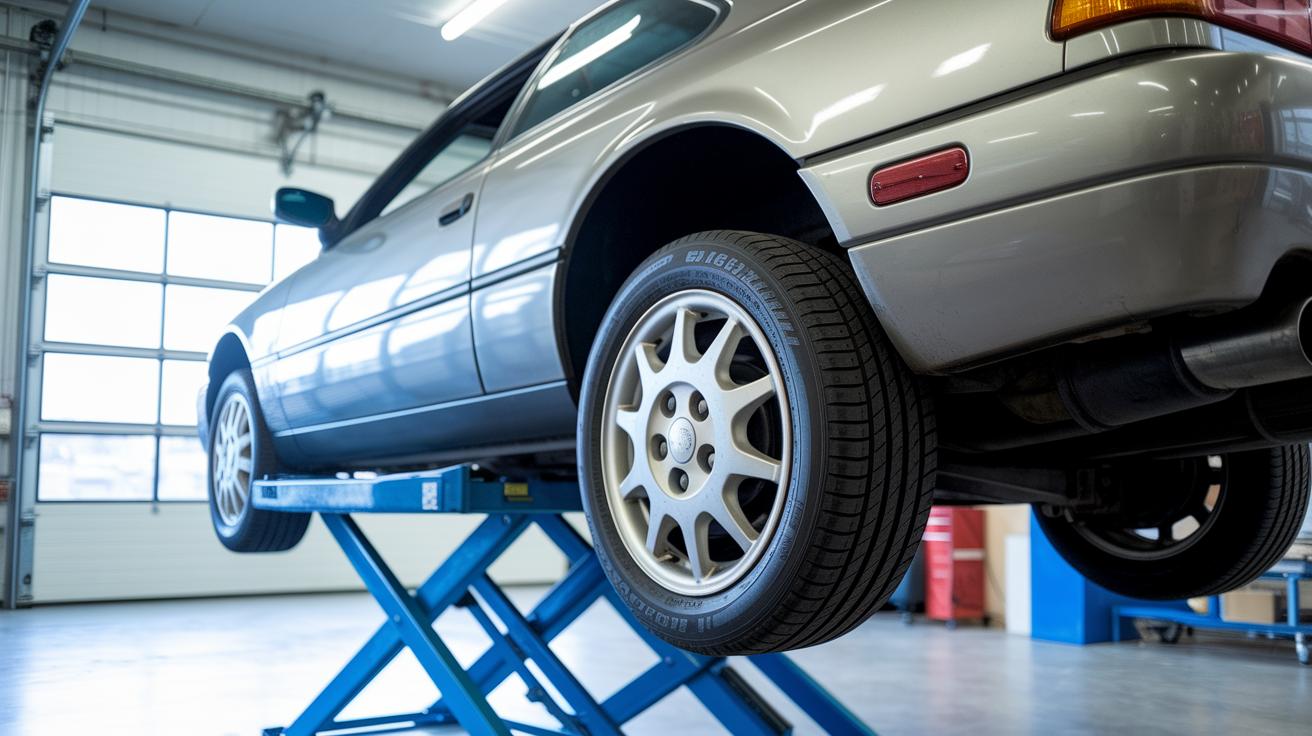


Have you ever noticed your car pulling to one side for no obvious reason? That little pull might mean your tires are wearing unevenly. Rotating your tires on a regular schedule is a simple trick that helps them wear evenly, keeps you in control, and makes your ride safer. It’s just like giving your car a quick check-up so every tire shares the workload.
In this article, we’ll chat about how switching your tires at the right time can make them last longer, improve grip (how well your tires stick to the road), and even save you money over time. Isn’t it cool how a small change can make such a big difference?
Benefits of Tire Rotation: Extend Tire Life

Regular tire rotation helps keep your tires wearing out evenly. Your car’s setup, daily habits, and even alignment issues can make some tires work harder than others. Imagine feeling a small pull to one side, you might be driving on tires that are too worn in spots. Turning them around evens out the wear, which boosts your control and safety.
Rotating your tires also means a better grip on the road. When treads wear evenly, your car handles both dry and wet roads more smoothly. That improved grip helps with braking and turning, making your ride safer. Plus, sticking to a tire rotation schedule can help you avoid pricey tire replacements or surprise suspension repairs.
It’s easy to fit tire rotation into your routine, like checking your oil every 5,000 miles. Even wear on tires lowers rolling resistance, which can even help with fuel efficiency. In short, rotating your tires is a simple step that keeps you safer, saves money, and makes every drive a bit smoother.
Extending Tire Lifespan with Proper Rotation

Tire rotation isn’t just about swapping them around. It helps even out the wear caused by heat and friction differences that come from each tire’s position. Mechanics notice that the front tires, which handle more braking stress, tend to wear out quicker. So, when you rotate your tires every 5,000 miles, often alongside your oil change, you keep these imbalances in check.
Studies show that vehicles with regular rotations might see their tires last up to 15% longer. One expert mentioned that balanced tire wear cuts down on unexpected wear patterns, keeping your brakes and handling steady. This really shows how even tire pressure and controlled heat buildup help in safe braking and reliable performance.
| Maintenance Task | Technical Benefit |
|---|---|
| Tire Rotation | Balances friction and heat, reducing uneven wear |
| 5,000-mile Interval | Matches oil changes and minimizes excessive stress |
Sticking to a regular rotation schedule means your tires wear evenly and your ride stays predictable. For more details, check out the guide on how often to rotate your tires.
Boosting Safety and Handling Through Tire Rotation
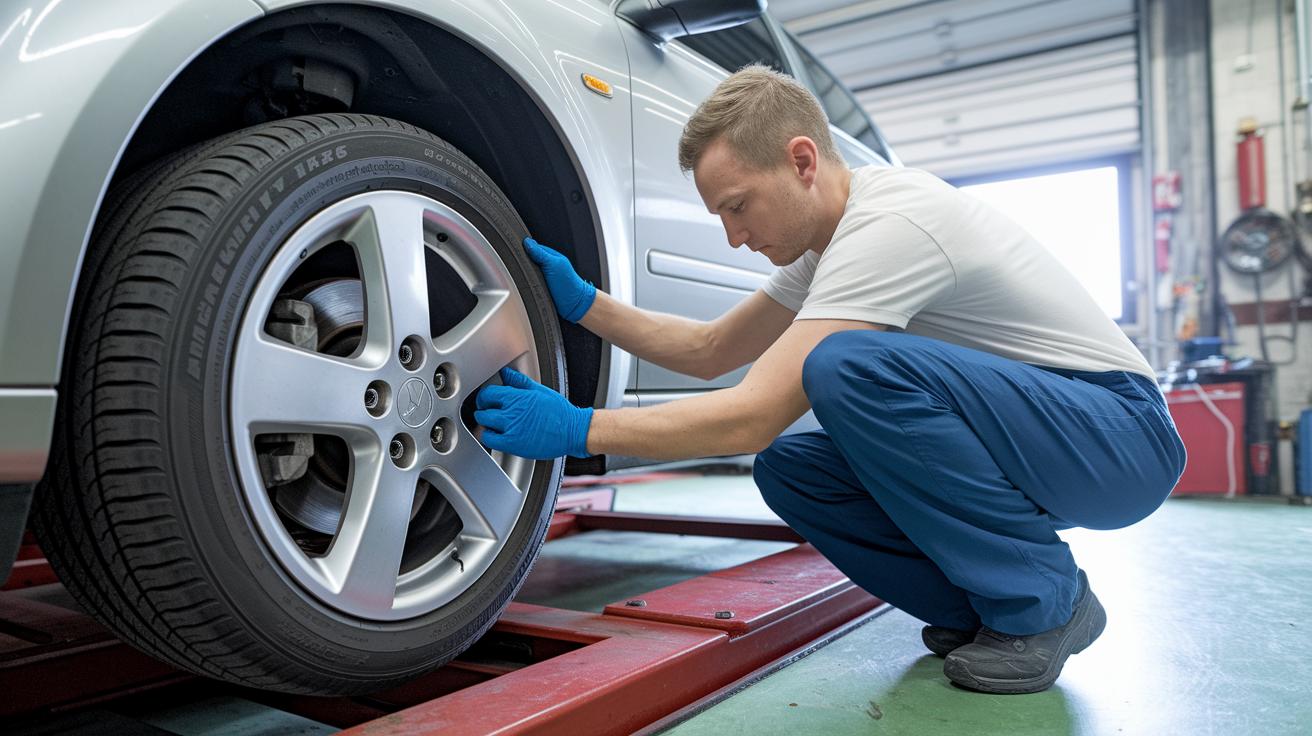
Rotating your tires on a regular schedule helps keep the wear on them even, which means your car can slow down or take corners a little better when it needs to. In fact, one study showed that cars with even tire wear could stop up to 15% faster. A car expert once said that keeping your tires balanced might seem small, but it makes a real difference when you need to stop suddenly. Besides helping your tires last longer, a proper rotation also gives your car better grip on the road when surprises pop up.
Key safety and handling benefits include:
- Better braking performance
- More traction on wet roads
- Lower chance of tire blowouts
- Improved control during quick maneuvers
- A more stable overall ride
Improving Fuel Efficiency and Reducing Costs with Tire Rotation

When your tires wear evenly, your car glides along more easily. Even wear lowers rolling resistance (that drag you feel when you drive), so your engine doesn’t have to work as hard. Imagine cruising down the road with a steady grip, balanced tires help protect your car’s important parts and keep repair bills in check.
Treat tire rotation like a tune-up for your ride. When tires wear unevenly, some parts of your car take on too much load, which can lead to bigger repair bills later. Rotating your tires evens out the wear, just like balancing a seesaw. This simple step not only helps your car stay smooth on the road but also saves you money over time.
Adding tire rotations to your regular check-ups, like during your oil change, ensures your car keeps running reliably. It’s a no-fuss part of a smart, proactive maintenance plan.
| Benefit | Description |
|---|---|
| Fuel Efficiency | Even tire wear cuts friction, so your engine uses less fuel |
| Cost Savings | Balanced wear helps avoid extra stress on suspension parts and delays tire replacement |
| Vehicle Performance | Uniform tire condition boosts traction and smooth handling |
Recommended Tire Rotation Schedules and Best Practices
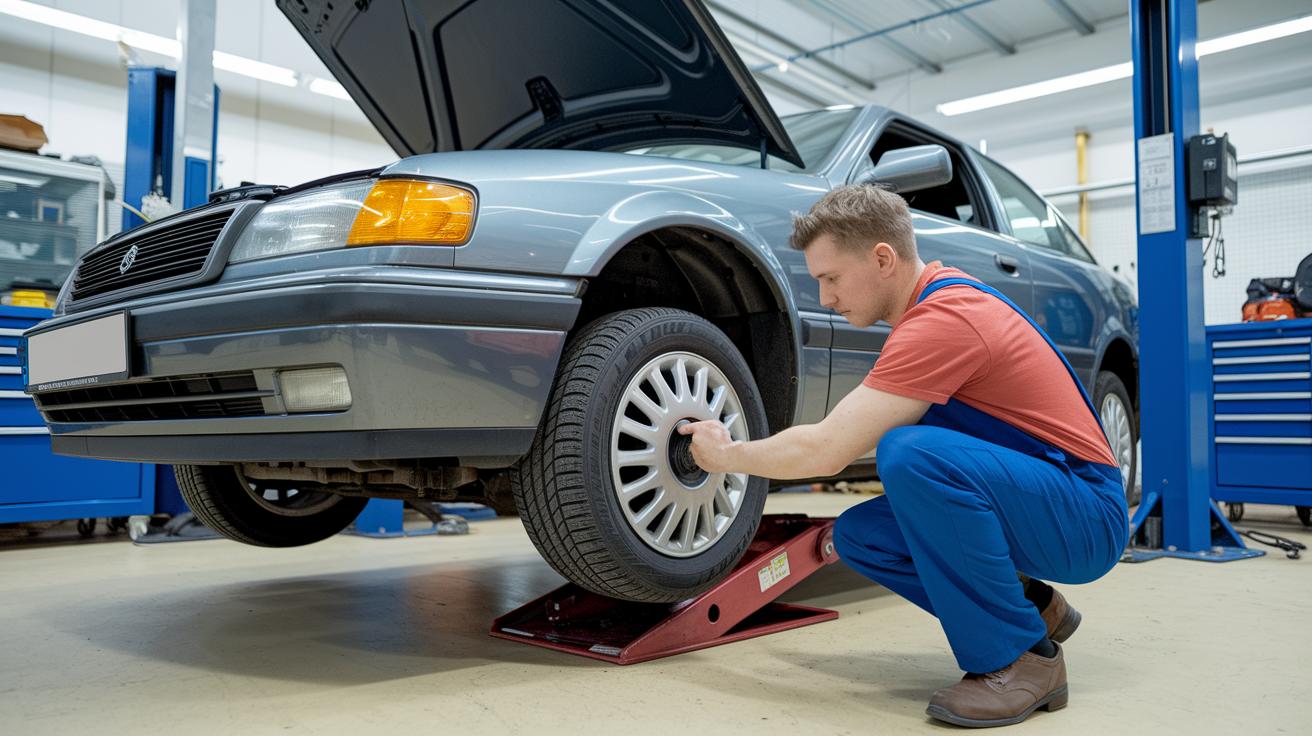
Most car makers suggest you rotate your tires every 5,000 miles. This often lines up with an oil change, so it’s easy to remember when it’s time for that routine check. One car expert even noted, "Did you know that regular tire rotations can extend your tires' life by a good bit?" Sticking to this schedule helps your tires wear evenly, keeping your ride smooth and safe.
Rotating your tires on time also stops one set from wearing out faster than the others. It takes some stress off parts like your suspension and keeps your car running better overall. When you flip through your vehicle’s owner manual, you’ll probably see a note on regular rotations. This simple habit can help you spot uneven wear early, so you can adjust things like alignment before any major issues pop up.
Here are some best tips to keep in mind:
- Check the owner’s manual for your car’s specific rotation advice.
- Plan to rotate your tires when you get your oil changed.
- Look at your tires before and after the rotation to catch any visible damage.
- Use the right rotation pattern for your car’s drivetrain.
- Keep a record of your tire maintenance to track how they perform over time.
| Drive Type | Rotation Interval | Pattern |
|---|---|---|
| FWD | 5,000 miles | Front-to-rear swap |
| RWD | 5,000 miles | Cross rotation pattern |
| AWD | 5,000 miles | Alternate sides rotation |
Following these rotation habits not only helps your tires last longer but also makes sure your car keeps running at its best, mile after mile.
DIY vs Professional Tire Rotation: Tips and Considerations

When you’re figuring out if you should rotate your tires yourself or have someone do it, think about safety and how long your tires can last. Regular tire rotation not only helps your tires last longer but also eases wear on other parts of your car, which can save you from costly fixes down the road.
If you decide to do it yourself, you’ll need the right tools like a jack, lug wrench, and torque wrench (a tool that tells you how tight to fasten bolts). Think of it like following a recipe: tighten the lug nuts enough to keep things secure, but not so much that you can’t remove them later. A handy car maintenance checklist might be just what you need to keep everything in order.
On the other hand, a professional service doesn’t just swap your tires. They also check for things like tire balance (making sure the tire wears evenly) and wheel alignment (ensuring your wheels point the right way). This extra attention can help your car run smoothly and give you a bit of peace of mind if you’re not comfortable with the DIY route.
| Option | Details |
|---|---|
| DIY Rotation | Saves money but needs the right tools and careful execution |
| Professional Rotation | Includes extra checks like balance and alignment for added safety |
| Overall Car Health | Both methods can boost your car’s safety and performance |
So, whether you decide to roll up your sleeves or leave it to a pro, taking care of your tires is a smart way to keep your ride safe and steady on the road.
Final Words
In the action, we covered how regular tire rotation handles wear, boosts safety and performance, and even saves on costs with better fuel efficiency. We talked about easy schedules, proper patterns for different drive types, and when to go DIY or visit a pro.
By taking care of your wheels at 5,000-mile intervals, you enjoy the benefits of tire rotation, keeping your ride smooth, safe, and efficient. Keep rolling with confidence and a smile.
FAQ
What are the benefits of tire rotation on a car?
The benefits of tire rotation on a car include even wear, which extends tire life, improves grip on the road, and boosts fuel efficiency, making your drive safer and smoother.
How often should tires be rotated?
The recommendation is to rotate your tires about every 5,000 miles, often matching your oil change schedule to keep wear balanced and performance optimal.
What are the common tire rotation patterns for different drivetrains?
The common tire rotation patterns vary by drivetrain; a 4×4 might use a full cross pattern, while rear-wheel drive often swaps front and rear, and a forward cross pattern suits certain designs for even wear.
What does tire rotation cost usually include?
Tire rotation cost generally covers labor and a quick inspection, and many service centers offer competitive rates or include it free with other maintenance services.
Can you feel a difference after tire rotation?
After a tire rotation, you might notice more balanced handling and improved traction as even wear promotes consistent performance across all four tires.
What can I expect from a benefits of tire rotation PDF?
A benefits of tire rotation PDF typically outlines extended tread life, enhanced safety, improved fuel efficiency, and lower maintenance costs as key advantages of regular rotations.

