


Ever thought a little sensor could boost your safety on the road? Tire sensors work like a friendly alarm by watching your tire pressure in real time (that means they keep an eye out to make sure your tires have enough air). Pretty neat, right?
They give you a heads-up before a small drop in pressure turns into a dangerous blowout, especially since almost 40% of these problems come from low tire air. It’s like your car is whispering, "Hey, check me out," before things get bad.
With these quick updates, your car can brake, steer, and handle more smoothly on any road. Think of it as a reliable co-pilot who helps keep your ride safe and steady every time you hit the road.
How Tire Sensors Enhance Vehicle Safety on the Road
Tire sensors keep an eye on your tire pressure all the time and send real-time updates straight to your dashboard. They’ve been a must-have in U.S. cars since 2008, helping drivers spot low pressure early, almost 40% of tire blowouts happen because of underinflation (when a tire doesn’t have enough air). This little gadget gives you instant alerts so you can fix issues before they turn into big problems. Plus, keeping your tires properly inflated helps your car brake, steer, and handle better whether the road is wet or dry.
These sensors also work hand in hand with other safety features in your vehicle. Imagine driving on a rainy day and getting a nudge from your sensor about a drop in tire pressure, you can adjust them right away, reducing the risk of skidding during sharp turns or sudden stops. In short, even tiny changes in tire pressure can affect your car’s control, and these sensors are like your trusty co-pilot, making sure every mile is a safer one.
Types of Tire Sensors and Their Safety Roles
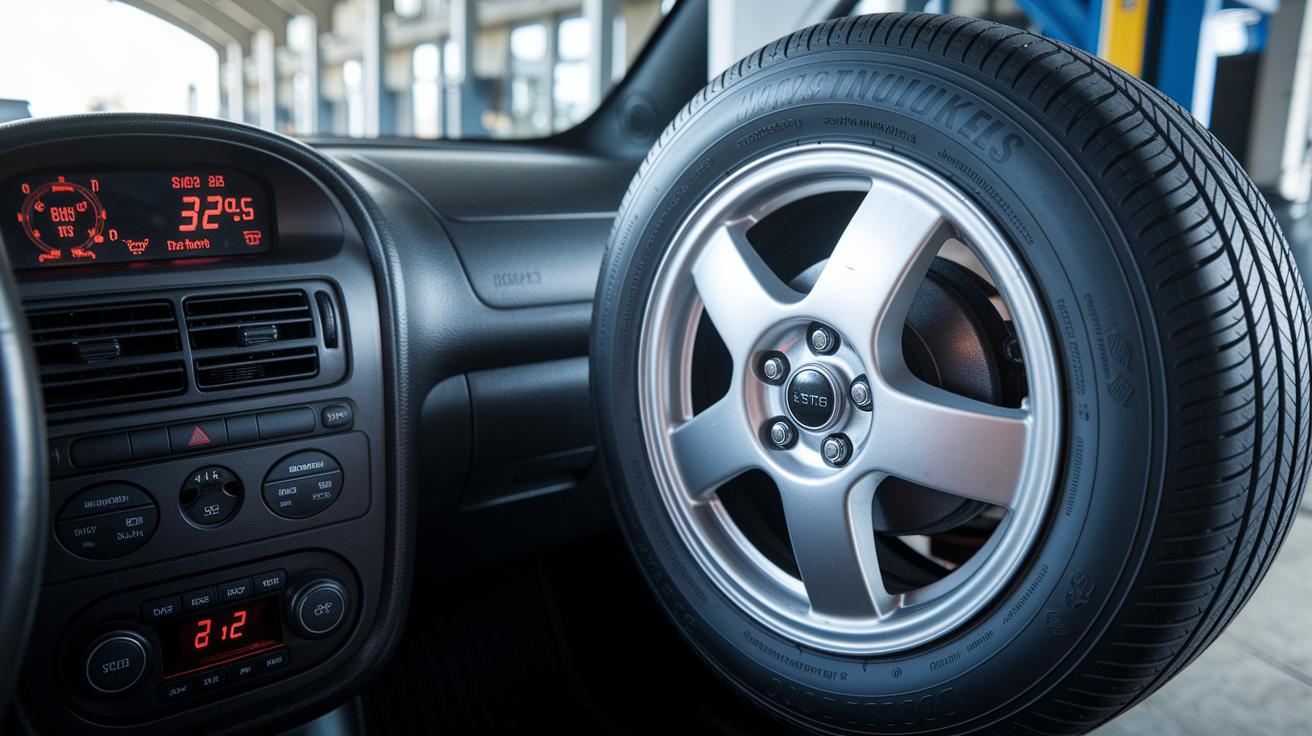
Direct tire pressure monitors come with sensors tucked inside each tire that give readings spot on (within plus or minus 1 psi). When your display shows 32 psi, you can trust that number and adjust your tire pressure right away. These sensors provide almost immediate feedback, making them a key part of keeping you safe on the road.
Indirect systems, on the other hand, rely on ABS wheel-speed sensors to catch changes in tire pressure by measuring how much the tire's diameter shifts. Imagine a sensor noticing even a small change in your tire’s spin, alerting you to a drop in pressure before it turns into a real issue. They’re generally easier on the budget, though they might not alert you as quickly as direct sensors. That extra precision is why many drivers lean toward the direct method.
Both types set off automatic pressure alarms, those dashboard lights with a horseshoe and exclamation mark, if the pressure dips below what the manufacturer recommends. This smart setup helps you keep your tires at just the right pressure so your ride stays safe and smooth.
Plus, some systems use non-invasive tracking methods that keep an eye on your tire conditions all the time. With these sensor-driven alerts, you’ll always know your tires are ready to perform safely on the road.
Maintaining Tire Sensors to Maximize Vehicle Safety
Keeping your tire sensors in good shape is vital for safe driving. They work hard to keep an eye on your tire pressure, so you get a timely heads up if anything's off. Most sensors, known as TPMS sensors, use non-replaceable lithium batteries (a type of battery you can’t swap out) that usually last between 5 and 10 years, sometimes even longer in cold weather.
Ever notice that blinking TPMS light for 60 to 90 seconds when you start your car? That little flash is your car’s way of saying, "Hey, check your tire system!" It usually means the sensor’s battery is running low or the sensor itself might be failing.
Regular checks are a smart move. They help you catch issues early and keep the sensor features working as they should. A good tip is to replace all four sensors at once. When you do this, you'll need to perform a relearn procedure to reset the system. You can do this either manually by cycling the ignition or automatically after driving, which gets everything back in sync.
For more details on inspecting and replacing your sensors, check out the tire maintenance checklist at https://tityres.com?p=2820. Routine upkeep like this helps you dodge unexpected alerts and keeps your whole vehicle safe.
Tire Sensors Driving Fuel Efficiency and Tire Longevity
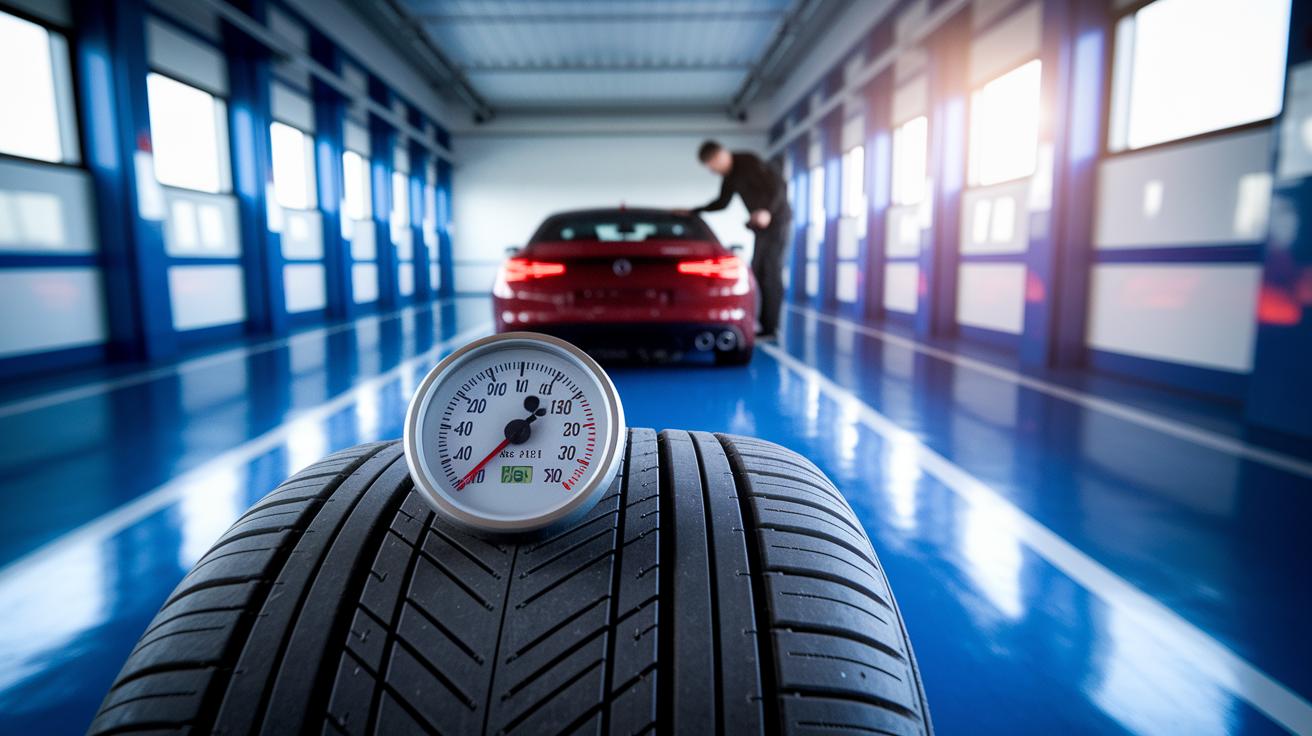
Tire sensors act like a friendly helper for your car by keeping an eye on your tire pressure in real time. They let you know right away if your tires lose a bit of air. For instance, if your pressure dips by about 0.3 bar (a small drop that can boost fuel use by roughly 1.5%), you'll get a quick nudge to fill them up. This early warning not only saves fuel but also means fewer stops at the pump.
When your tires are low on air, they tend to wear out on the edges, while too much air causes the center to wear down. Thanks to these sensors, you can catch such issues early on. Keeping the right pressure helps your tires roll smoothly, which not only improves fuel efficiency but can also extend the life of your tires by as much as 20%.
By spotting a low tire pressure early, these sensors also help reduce the risk of crashes. They provide real-time alerts that keep your tires in top shape and your ride steady. With regular checks, you get better performance, save on fuel, and enjoy tires that last longer. Cool, right?
Enhancing Handling and Emergency Response with Tire Sensors
When your tires stay at just the right pressure, your car sticks to the road like glue whether it’s wet or dry. This means your tires get a better grip, and smart sensors check every moment to make sure nothing changes. It’s like having a buddy who always gives you a heads-up if something seems off.
Properly filled tires can shorten your braking distance by nearly 5%. This extra margin helps reduce the risk of skidding on wet roads (hydroplaning). When your sensors send out alerts, you know it’s time to slow down or take another route to keep yourself safe.
These early warnings work like a real-time safety net. Many systems even help you while you're taking those tight turns by keeping your car steady and balanced. It’s reassuring to know you have that extra layer of protection built right into your vehicle.
With constant updates from your tire sensors, your car nudges you to adjust your driving right away when conditions change. That way, you stay in control every time you hit the road.
Final Words
In the action, tire sensors boost vehicle safety by giving immediate alerts when issues arise. They help remind drivers of proper tire inflation, supporting better braking, handling, and fuel savings. Regular sensor checks keep these smart tools working on time, which is key to maintaining tire longevity and avoiding uneven wear. Enjoy the benefits of tire sensors in vehicle safety and trust in these safeguards for a reliable, secure ride.
FAQ
What are the benefits of using a tire monitoring system and why is it important for vehicle safety?
The tire monitoring system boosts safety by providing real-time pressure updates that help you avoid underinflation, reduce blowout risks, and improve braking, handling, and fuel economy for a secure ride.
What is a TPMS sensor and is a tire pressure monitoring system required by law?
A TPMS sensor monitors tire pressure using built-in sensors, and U.S. safety rules mandate them on vehicles since 2008 to alert drivers to potentially unsafe low tire pressures.
What mode does a direct pressure sensor enter when the vehicle is stopped?
A direct pressure sensor enters a low-power sleep mode when the vehicle is stopped, which helps save battery life while still keeping tire pressure data updated for your next drive.
How do you reset a tire pressure monitoring system?
You can reset the tire pressure monitoring system by cycling the ignition or following an automatic relearn procedure after driving, which recalibrates the sensors for accurate alerts.
What is the average replacement cost for a TPMS sensor?
The average TPMS sensor replacement cost typically ranges from about $50 to $150 per sensor, depending on your vehicle model and sensor design to keep the system running reliably.
Where does the tire pressure sensor send its signal in the vehicle?
The tire pressure sensor sends a real-time signal to your vehicle’s dashboard, alerting you to any pressure issues so you can address underinflation before it becomes a problem.
What does the delta pressure method mean?
The delta pressure method means measuring the gap between current tire pressure and the recommended level, which helps detect underinflation and prevents uneven tire wear.
What are the pros and cons of TPMS?
TPMS offers benefits like real-time alerts and improved fuel economy, though it can have cons such as limited battery life and occasional sensor recalibration needs as part of its maintenance.
How important are wheel sensors for vehicle safety?
Wheel sensors are vital for tracking tire rotation and pressure changes, ensuring you receive timely warnings that help avoid underinflation and maintain overall vehicular stability.

