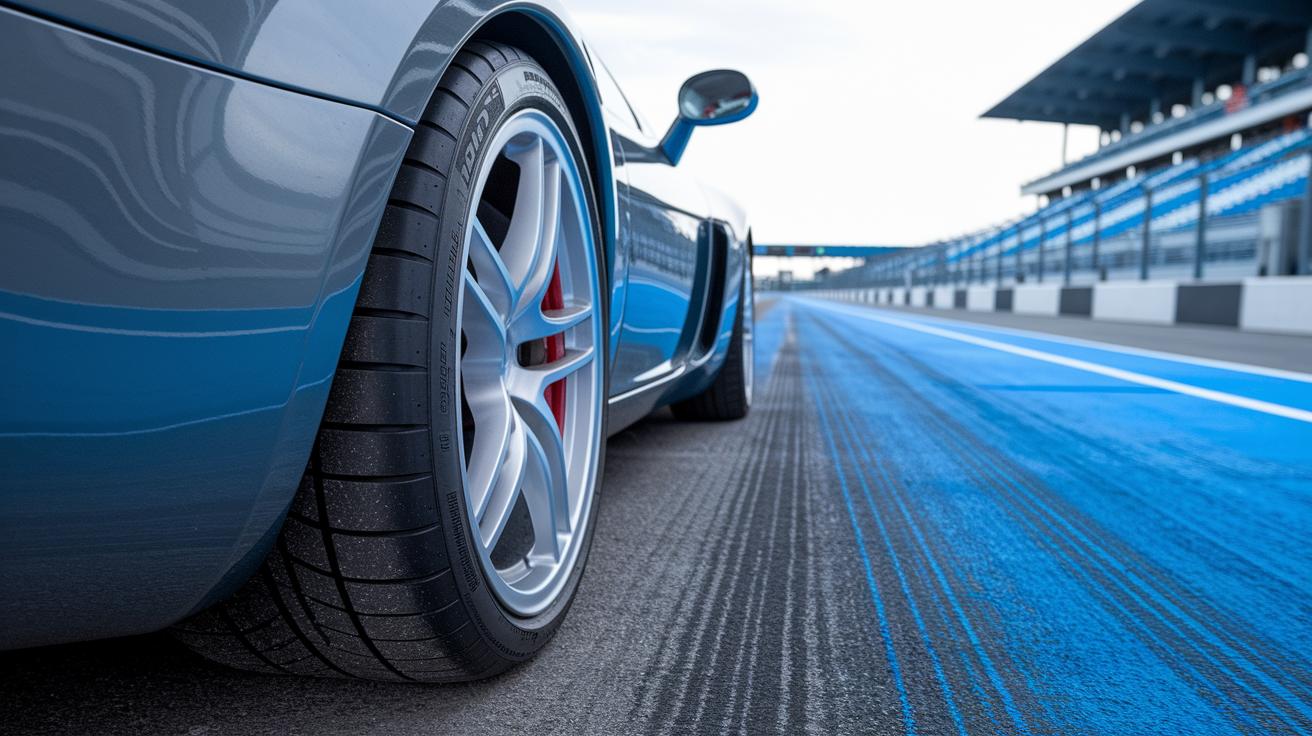


Have you ever thought your sports car might do even more? High performance tires help your car take sharp turns, speed up quickly, and stop right when it needs to. They use a soft rubber mix (which means the tire sticks to the road) to give you extra control and safety. In this post, we'll look at how these tires not only boost speed and agility but also make every drive feel more confident and enjoyable.
Key Performance Improvements with High Performance Tires on Sports Cars
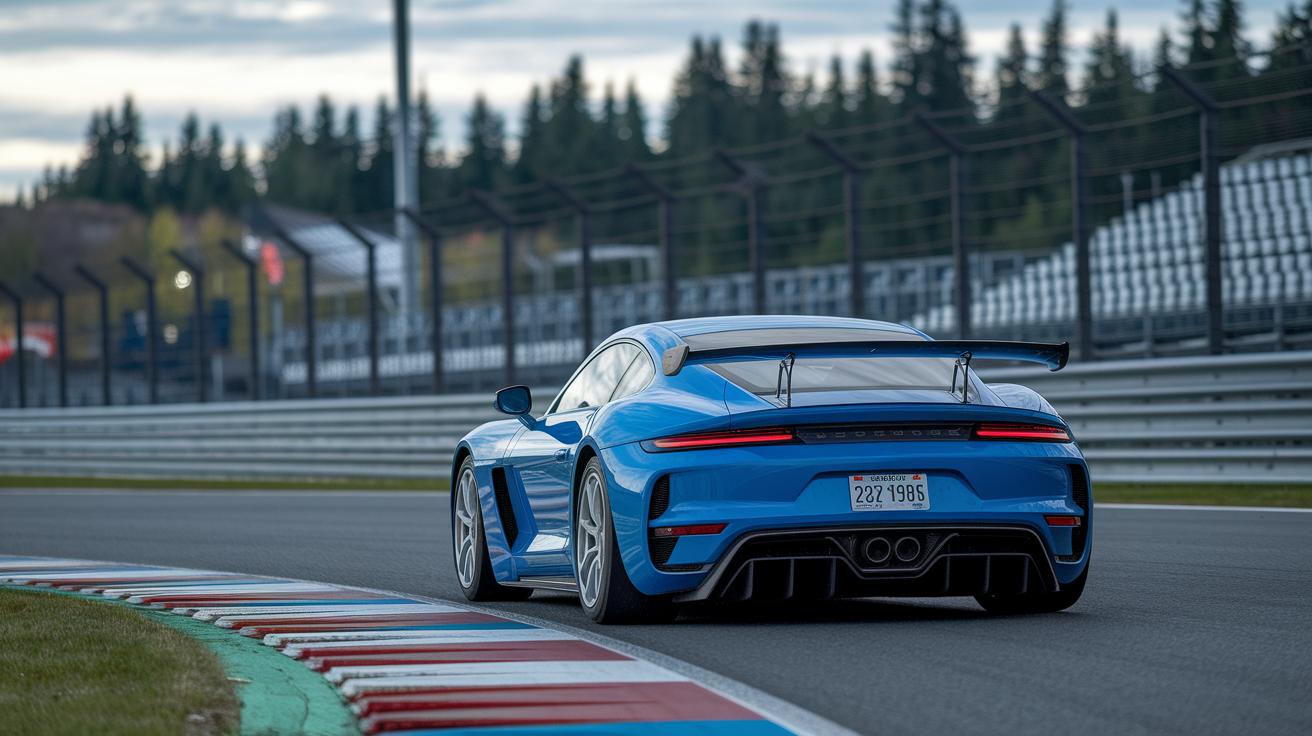
High performance tires, like the ones you can check out on tityres.com, are made to boost your sports car's natural abilities. They use a softer rubber blend and a wider bit that meets the road (that’s the part of the tire that contacts the pavement) to improve grip. This means your car can speed up and slow down more precisely even when you're pushing the limits.
These tires are crafted to match, or even top, what the car maker originally intended. They handle the high demands of spirited driving so you can feel more in control whether you're racing on a track or winding through a curvy back road where every moment counts.
- Quicker acceleration response
- Shorter braking distances
- Sharper cornering precision
On the road, these benefits add up to a smoother, more confident ride. Imagine waiting at a red light and exploding off the line with a controlled burst of speed, or taking a sharp turn with such balanced handling you hardly feel the risk of drifting. Each drive feels safer and more fun, making every journey just a bit more exciting.
Enhanced Grip and Traction Advantages in Sports Car Performance Tires
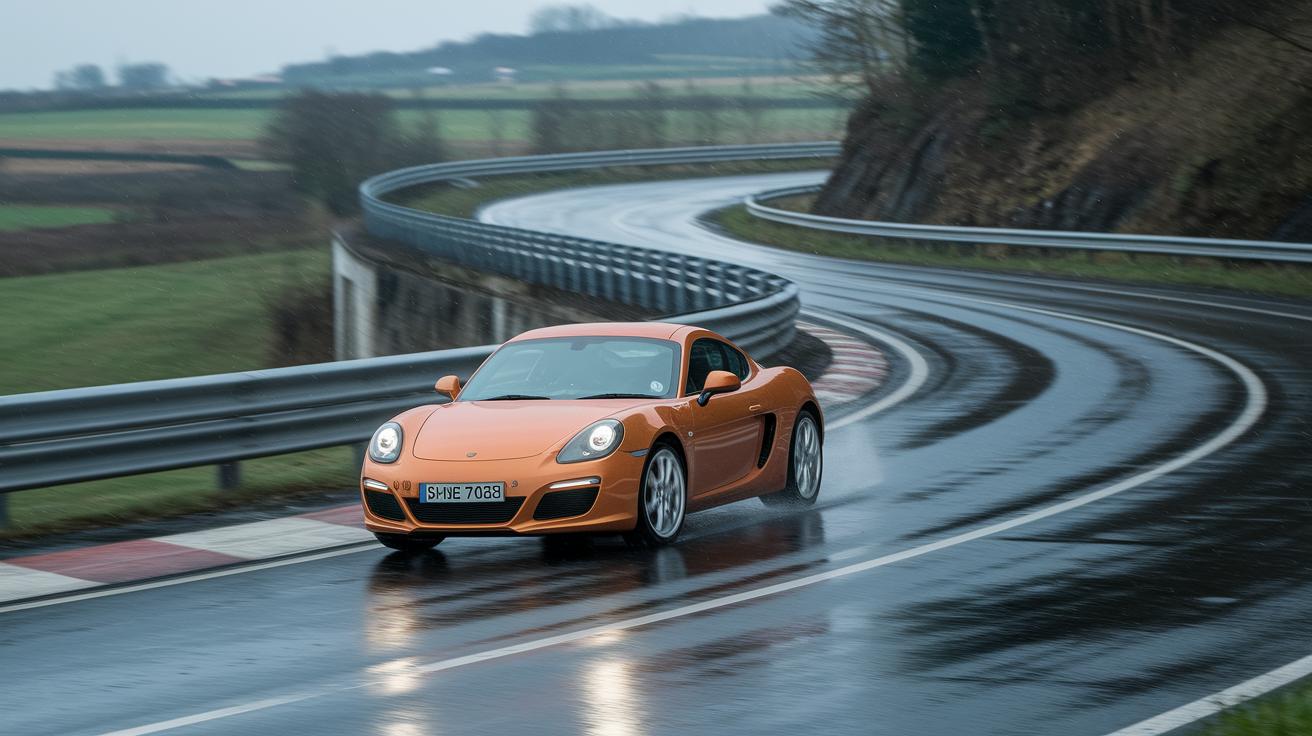
When you’re zipping down the highway, having great tire grip is a game changer. It keeps your car feeling stable and secure through every twist and turn. Imagine that feeling of confidence as your tires stick to the road like a trusted friend.
Performance tires use special rubber compounds (fancy mixtures that boost grip) to make sure more of the tire touches the road. Even on a rainy day, those extra-deep grooves and wider tread blocks work hard to push water aside so you stay in control. Think about it like having a buddy that always watches your back when the road gets slick.
Numbers speak for themselves: performance tires can bump up dry grip scores by around 15% and improve wet traction by about 20% compared to standard tires. Those stats really show how much difference the design can make when you need to trust your car during high-speed turns and sudden stops.
| Tire Type | Dry Grip Score | Wet Grip Score | Treadwear Rating | Sidewall Height |
|---|---|---|---|---|
| All-Season Tires | 70 | 65 | 9 | 13 mm |
| Performance Tires | 80 | 75 | 8 | 11 mm |
| UHP Tires | 85 | 78 | 7 | 10 mm |
Seeing these numbers, it’s clear that better dry and wet grip, along with lower treadwear (which means the tire’s surface wears out slower) and a shorter sidewall, can really boost your confidence behind the wheel. When your sports car handles quick turns and sudden stops so easily, you can relax knowing you’re in capable hands.
Improved Cornering Dynamics and Stability for Sports Cars

UHP tires are made with shorter sidewalls that cut down on flex when you're taking a sharp turn. This means that as you steer, the tire keeps its shape better, giving you quick and reliable handling. It's like drawing a straight line with a stiff ruler instead of a bendy one, everything stays in place and you know exactly where you're headed.
The wider contact patch, which is the part of the tire that actually touches the road, does a lot of work too. By spreading the force evenly, it handles side-to-side pressures much better. Think of it like laying a book flat on a table instead of standing it on its edge; the flat book is much more stable. This even pressure helps you maintain a strong grip during fast turns and quick maneuvers, making each twist of the road feel secure.
Even at speeds over 100 MPH, UHP tires keep up their good work. Their sturdy build means you can push your car hard without worrying about losing control. Picture yourself on a racetrack, feeling every bit of controlled feedback from your tires. That reliable, race-ready performance lets you enjoy dynamic driving with plenty of confidence.
Acceleration and Braking Efficiency Gains with Sports Car Performance Tires

Ever notice how a great set of tires makes all the difference? High performance tires, like UHP (ultra-high performance) ones, can help you stop much faster. They reduce the distance needed to go from 60 MPH to a complete stop by up to 15 feet compared to all-season tires. Imagine driving fast and feeling that extra security when you brake, every foot saved counts during something as thrilling as competitive driving.
These tires don't just stop well; they also give your sports car an extra burst of speed when you start moving. Thanks to improved traction, your car can launch quicker, shaving off up to 0.3 seconds from the 0 to 60 MPH time. Picture the thrill as the car surges forward, its tires gripping the road firmly. It's like having a secret boost whenever you need that quick start on the track.
Plus, these tires are smartly built. Their special compound balances grip with rolling resistance (how easily a tire rolls over a surface) so you enjoy top performance without the worry of early wear. This means you get that reliable edge during every twist and turn on the road.
Durability and Wear Considerations for Sports Car High Performance Tires

Sports car tires built for high performance usually run between 25,000 and 80,000 miles. The exact number depends on the type of rubber used (the mix that makes the tire) and how you drive. Softer compounds give great grip but may wear out about 5,000 miles sooner than standard all-season tires. And honestly, that small mileage sacrifice is often worth it for the extra control and snappy response during spirited driving.
Keeping your tires in good shape is like giving your car a quick tune-up. Regular alignment checks, timely tire rotations, and keeping the air pressure just right not only help them last longer but also boost your safety when driving hard. It’s a bit like making sure everything is in sync so you can enjoy a smooth, confident ride every time.
Advanced Tire Technology and Construction Behind Sports Car Performance

Modern super high-speed tires use special materials like silica-rich compounds (a mix that helps tires last longer) and nano-fiber reinforcements (tiny fibers that add extra strength). These high-tech materials keep the tire tough even when you're speeding along at high speeds for a long stretch. It's like having a tough work boot that won't wear out during quick sprints or sharp turns. Engineers even found that these innovative tires hold their shape under pressure, much like a car's engine that stays cool when you give it full throttle.
These tires also have several layers of rubber and belts that work like a team to manage heat buildup when you're driving hard. Each layer quickly spreads out the heat, cutting down the chances of the tire getting too hot. This means your car feels stable and secure, even when you push it to faster speeds. Imagine each layer as a player on a team, all helping to keep things cool and smooth.
The tire's tread, with its clever design of uneven patterns and changing groove depths, helps water escape and makes sure the tire stays firm during turns. This design means that when you're taking corners quickly, the part of the tire in contact with the road stays steady. In everyday driving, that careful balance makes your car easier to control with sharper steering, especially on wet or twisty roads.
Final Words
In the action, high performance tires boost sports car performance by improving acceleration, braking, and cornering. They deliver sharper handling, tighter grip, and durable wear that provides safe, confident driving.
These performance tires enhance not only your car’s response on dry roads but also in wet conditions. The benefits of using high performance tires on sports cars are clear, quicker launch times, shorter stopping distances, and aggressive cornering made safer. Enjoy the drive and feel the difference every mile.

