


Ever wonder if one tire can perform well when it's hot outside and when the road gets icy? A lot of drivers think you have to choose between tires made just for summer and those built for winter. But all season winter rated tires go against that idea. They keep their soft grip even when it's cold, which means your car stays steady on slippery roads.
In this post, we'll explore how these tires mix the comfort you enjoy in warm weather with the safety you need on colder days. Who knows, you might end up rethinking how you stay safe on the road.
best all season winter rated tires: Road Ready

If you're cruising through all kinds of weather, having tires that handle both warm sun and chilly conditions is a real plus. These tires give you a smooth ride on hot roads while offering solid grip when snow or slush shows up. They mix the comfort of summer with the safety of winter, so you can drive confidently all year long.
The magic is in the tire’s special rubber and tread design. The rubber is made to stay soft even when temperatures drop below 7°C (45°F), which means you still get the grip you need on icy or snowy roads. And the tread? It has lots of grooves and little cuts that push slush out of the way. Imagine driving on a wet road and feeling how quickly the water is whisked away, making braking smooth and steady. It’s like having an extra safety net built into your tire.
Good all season winter rated tires also sport easy-to-spot marks. The three-peak mountain snowflake shows that the tire passed lab tests for snow traction, while the M+S marking tells you it's built to handle mud and snow. Think of these symbols as a quick way to know you’re getting tires that perform great all season, especially when winter weather kicks in.
Comparative Analysis of All Season Winter Rated Tires, All-Weather, and Winter Tires

All-season tires work best for drivers in places where winters are pretty mild. They handle dry roads, wet roads, and even a bit of light snow just fine. Their tread design and the rubber mix are made to perform well when it isn’t too cold. But when the temperature drops below 7 °C (45 °F), the rubber can stiffen up, which makes it harder for the tire to grip when conditions get slick. This is a great choice if you rarely face deep snow or icy roads, kind of like having a reliable companion for everyday city driving.
All-weather tires step up the game for those who see a bit more winter weather without wanting to switch completely to winter tires. They borrow good parts from both all-season and winter options. With deeper grooves and a winter compound (a special type of rubber that stays flexible in the cold), they give you extra traction on snowy roads. However, when it comes to super cold conditions, they can’t quite match the performance of dedicated winter tires.
Winter tires are built for the toughest winter conditions. They use a softer, flexible rubber along with aggressive siping (tiny cuts in the tread to boost grip) to hold on tight to snow, ice, and slush. Keep in mind they can wear out faster when the weather warms up. In areas like Quebec, where tire regulations run from December 1 to March 15, or in some parts of British Columbia with specific rules, choosing the right tire isn’t just about safety, it can also help with insurance discounts. For more details, check out the comparison in this article: all season tires vs winter tires.
Winter-rated all-season tires offer a balanced middle ground. They give you dependable handling in moderate winter weather while still keeping up with your driving needs during milder seasons.
Performance Metrics and Safety Ratings for All Season Winter Rated Tires

If a tire earns 3PMSF certification, it means the tire has passed tough lab tests for snow grip and ice braking (how well it stops on ice), proving it can handle real freezing weather. Meanwhile, the M+S mark tells you the tire is built for muddy and snowy roads, even though it doesn’t meet strict performance rules.
When you look at the numbers, you’ll see details like ice braking distance in feet (the space needed to stop on icy roads) and wet stopping distance (how many feet it takes to stop on wet roads from a given speed). There’s also the dry cornering G-force, which shows how well the tire holds the road when you take turns. Plus, a snow traction index from MMT tests gives you an idea of how much grip the tire has on snowy surfaces.
Together with systems like the NHTSA car ratings (see link: https://unionno.com?p=2600), these numbers give you a complete picture of how the tire performs in different weather. It’s like reading a report card that tells you if the tire offers the safety and handling you need when the temperature drops.
Top-Rated All Season Winter Rated Tire Models Reviewed

When you're looking for tires that handle both snowy roads and everyday driving, detailed reviews can really help. We checked how each tire grips on snow, performs on wet roads, and handles dry surfaces so you can pick the right one. For example, one tire might use a special compound (known as 3PMSF for extra grip on ice) while another sports deep grooves that push slush away. It’s all about finding the right balance for winter driving.
| Model | Snow Traction | Wet Performance | Dry Performance | Key Feature |
|---|---|---|---|---|
| Michelin CrossClimate 2 | 9/10 | 8.5/10 | 8/10 | 3PMSF compound |
| Bridgestone Weatherpeak | 8/10 | 9/10 | 7.5/10 | Deep grooves |
| Continental DWS06 | 8.5/10 | 8/10 | 8.5/10 | Sport-tuned tread |
| Goodyear WeatherReady | 8/10 | 8.5/10 | 8/10 | Even-wear tech |
| Pirelli Cinturato P7 | 7.5/10 | 7/10 | 9/10 | Low noise design |
Each tire meets different types of driving needs. If you want a tire that gives balanced grip in snow along with solid performance in both wet and dry conditions, the Michelin CrossClimate 2 is a standout. For those who drive a lot in rain, the Bridgestone Weatherpeak is known for its wet stability. Meanwhile, the Continental DWS06 is a fun option if you enjoy a sportier feel with confident handling. Then there’s the Goodyear WeatherReady, which keeps performance steady all around. Finally, if a quieter ride and longer-lasting tread are top priorities, the Pirelli Cinturato P7 might be the one for you.
Buying Guide for All Season Winter Rated Tires: Key Selection Criteria

Picking the right tire for your car is all about matching its needs with your driving style. Whether you’re behind the wheel of a sedan, an SUV, or a truck, factors like local snow conditions and how you use your vehicle play a big role. For example, if you’re commuting daily or chasing a bit of performance on the road, you’ll want tires that suit those habits.
It’s important to match the tire size and load index (a number that shows how much weight the tire can safely hold) with your car’s original requirements. Prices usually fall between $120 and $250 for most mid-range tires, while premium ones tend to cost more. Remember, getting tires that grip well on winter roads should also mean enjoying a smooth ride every day.
Here are some key things to keep in mind:
- 3PMSF certification (a special mark that shows the tire has passed strict winter tests)
- Compound temperature rating (indicates how well the tire performs in the cold)
- Tread depth and pattern (the design and depth of the grooves that help with road grip)
- Tire size & load index (ensuring they match your vehicle’s original specs)
- Speed rating match (the tire's ability to handle the speeds you drive)
- Warranty terms (what the tire maker covers if problems come up)
- Price vs value (balancing cost with the useful features you get)
- Real-world user reviews (feedback from people who have already tried these tires)
Finding the best balance between performance and budget is really key. Mid-range tires offer reliable performance in light to moderate snow, whereas premium options might bring extra durability or advanced features to the table. By checking performance ratings, warranty details, and what other drivers have experienced, you can feel confident that your tires will handle cold winter roads and everyday drives with ease.
Cost Analysis and Maintenance of All Season Winter Rated Tires
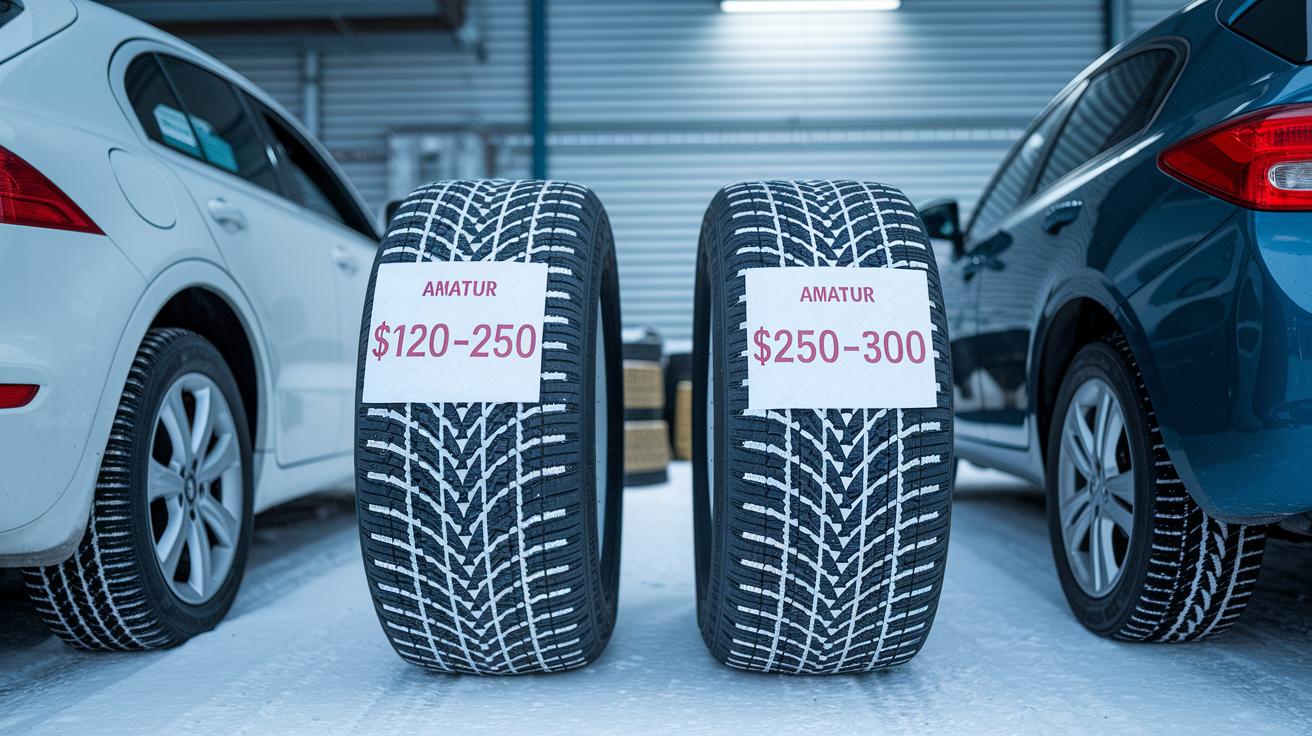
Most all season winter tires run around $120 to $250 each, while the premium ones cost about $250 to $300. Spending a little extra upfront can really pay off with longer-lasting tread and extra warranties that help protect your tires during tough winter weather.
Keeping up with tire care is key for a safe winter drive. Rotate your tires every 5,000 to 7,000 miles and check the tire pressure each week when it's cold to maintain a solid grip on the road. Also, be sure your tread depth stays above 4/32" (a safety marker), keep an eye out for any sidewall cracks, and store your spare tires in a cool, dry place during the off-season. These simple upkeep tips help your tires perform well and last through winter.
Final Words
In the action, we explored tire performance on both warm roads and cold conditions. We covered balanced handling, innovative compounds, and clear certification like 3PMSF and M+S. Each section helped break down tire categories, performance metrics, and practical buying tips so you can pick the right match for your car.
We wrap things up on a positive note, encouraging you to choose the best all season winter rated tires for confidence and safety every time you hit the road.
FAQ
Q: What are the best all season winter rated tires on Reddit and Consumer Reports?
A: The best all season winter rated tires mentioned on Reddit and Consumer Reports deliver balanced handling on both dry roads and light snow. They carry a 3PMSF symbol and M+S marking for reliable winter grip.
Q: Which is the best all season tire for snow according to Consumer Reports?
A: The best all season tire for snow, as noted by Consumer Reports, combines winter-friendly compounds and tread designs. It meets strict 3PMSF standards for safe performance on ice and slush.
Q: What are the best all season winter rated tires for SUVs and snow conditions?
A: The best all season winter rated tires for SUVs offer enhanced traction in snowy conditions while maintaining stability on dry and wet roads, making them ideal for heavier vehicles and variable winter weather.
Q: What distinguishes all-weather tires from all season winter rated tires?
A: The distinction is that all-weather tires include a winter compound and deeper grooves for better snow traction, while all season winter rated tires blend summer handling with features for light winter conditions.
Q: What is the 7’7 rule for winter tires?
A: The 7’7 rule for winter tires refers to their ability to maintain compound flexibility below 7°C, which is crucial for ensuring proper grip on snow, slush, and ice during cold conditions.
Q: Is the Michelin CrossClimate 2 considered an all-weather tire?
A: The Michelin CrossClimate 2 is regarded as an all-weather tire because it utilizes an advanced compound and tread pattern that offer solid performance on wet pavement, light snow, and varying weather conditions.
Q: What should I know about models like Pirelli Cinturato Weatheractive, Bridgestone Weatherpeak, and Goodyear Assurance WeatherReady?
A: Models such as the Pirelli Cinturato Weatheractive, Bridgestone Weatherpeak, and Goodyear Assurance WeatherReady offer features like specialized tread patterns and robust compounds, ensuring dependable traction across different driving conditions.

