


Have you ever wondered what tire ratings really mean for your safety? They give you a quick snapshot of what to expect, like how long the tire lasts, its grip when the road is wet, and even how well the tire cools off (keeping cool helps avoid wear).
This post breaks down simple ways to compare tires so you can pick the ones that promise a steadier, safer ride every day. Stick around and see how using these ratings can help you choose the right tire to keep your car rolling smoothly, even in rough conditions.
Overview of Car Tire Ratings Systems
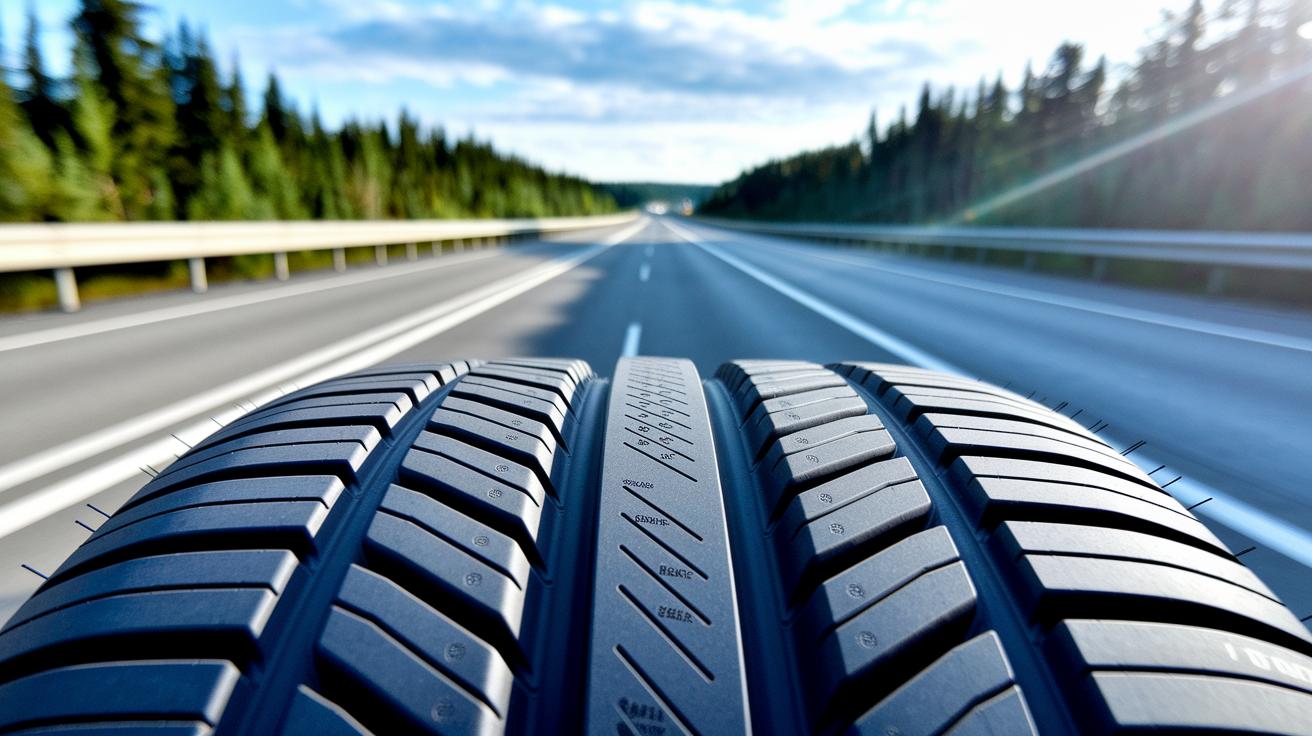
When you're shopping for tires, the UTQG system gives you three key details about performance. Treadwear grades run between 100 and 800 and show how quickly a tire’s surface wears down compared to other tires. Traction ratings use letters like AA, A, B, and C to tell you how well the tire grips on wet roads. Temperature ratings, marked as A, B, or C, show how well a tire can let off heat (think of it as the tire’s way of cooling down). The NHTSA even requires passenger tires to have at least a C in temperature. Together, these ratings help you compare tires for everyday driving and tougher conditions. Check out the table below for a quick reference:
| Rating Type | Scale | What It Measures |
|---|---|---|
| Treadwear | 100–800 | Wear resistance (how fast the tire wears out) |
| Traction | AA–C | Wet-road grip |
| Temperature | A–C | Heat dissipation (how well the tire cools off) |
Speed-rating codes are also important for tire safety and performance. These codes range from A1 to Y, with H-rated tires made to handle speeds up to 130 mph. In testing, a tire is run continuously for one hour at a stable 100 °C. This process checks how well the tire manages heat buildup during prolonged, high-speed driving, which can affect everything from tread wear to steering and braking.
Comparing Car Tire Ratings: Durability, Traction and Efficiency
Treadwear grades are a quick way to see how long a tire might last and when you should check your warranty. For example, a tire with a grade of 300 is built to last about three times longer than one marked 100 in similar tests. So, a higher treadwear rating usually means more miles on the road and may even come with a longer warranty. Think of these numbers like a promise that your tire can handle the journey, just like making sure your car’s oil is topped up before you hit the highway.
Traction ratings matter a lot when the roads get wet. Tires that earn ratings like AA or A are designed to help your car stop faster on slippery roads. Imagine coming to a sudden stop at a red light during a downpour, the extra grip could cut your stopping distance by up to 10 feet at 60 mph. This better grip means better handling, which makes your ride safer and more predictable on wet surfaces.
Rolling resistance shows how much friction your tires face as they roll along. This little detail affects your fuel use directly. Even a small decrease in rolling resistance, say by 10%, can lower how much gas you burn by almost 3%. Simply put, less rolling resistance means your tire works harder at saving energy. These tests happen in labs, making sure that the tire performs well while also helping you save fuel.
Seasonal Car Tire Ratings: Summer, Winter and All-Weather Scores

Summer tires usually earn a UTQG traction rating of AA or A, plus a temperature rating of A. This means they can manage high speeds above 115 mph while keeping cool and holding a solid grip on both dry and wet pavement. All-weather tires take a different route. They generally have a UTQG traction rating of C, and they also include winter traction results in their ratings. Think of this as a quick guide to see how different tires perform in various weather and driving situations.
Winter tires stand apart by showing the Three-Peak Mountain Snowflake (3PMSF) symbol. This mark shows they’ve passed extra snow-traction tests (separate from the usual UTQG checks) to prove they work well on icy and snowy roads. If you often face cold weather and snowy streets, winter tires are a smart choice. But if you prefer the convenience of one tire for different conditions, all-weather tires could be a better fit.
Interpreting Car Tire Ratings for Top Brands and Models

When you look at everyday car models, you'll quickly notice they come with different speed ratings, which set your expectations from the start. Most tires carry an H rating, which means they're built to handle speeds up to 130 mph. Some, however, use S or T codes, letting you know they are rated for up to 112 mph or 118 mph. And then there are those premium tires that boast a UTQG traction A rating (a score that tells you how well the tire grips wet roads). It’s like having a tire that smoothly balances speed with a firm grip, pretty neat, right?
Next up are durability and treadwear grades. Good all-season tires usually get a treadwear grade between 600 and 700. This means they’re built to last longer, letting you drive more miles before it’s time to swap them out. Often, tires with higher UTQG ratings also come with longer warranty periods. That’s like knowing your car is in safe hands for the long haul.
Then there’s the high-speed endurance and braking tests. Independent tests show that top-performing tires can stop in under 120 feet when it’s wet and you hit 70 mph. And if you're into sports cars, you might see models with ZR classifications or light-truck tires with N–T speed codes. These ratings help you figure out which tires can handle those quick stops and high-speed thrills on slick roads.
Applying Car Tire Ratings to Your Tire Purchase

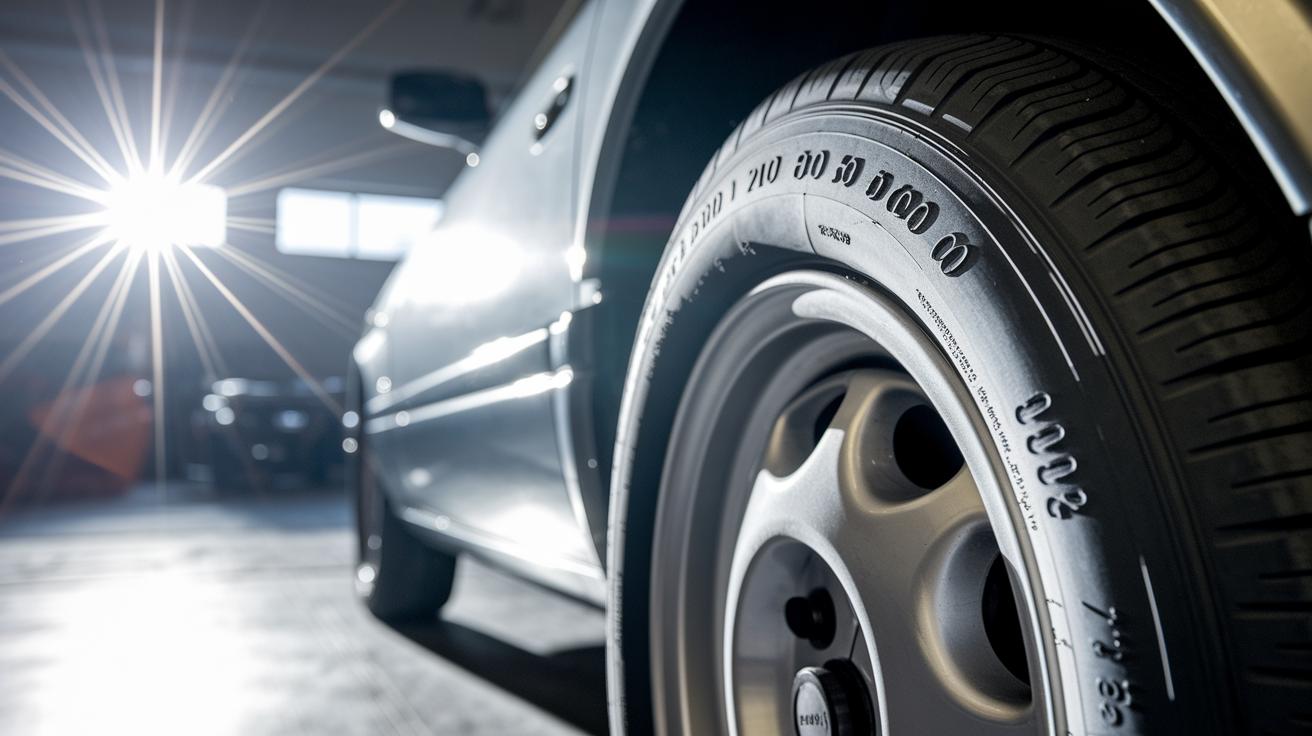
When you look at a tire’s sidewall, you see key numbers that help you choose the right one for your ride. Check for UTQG ratings (which cover how fast the tire’s surface wears off, how well it grips the road, and how much heat it can handle) and speed codes that tell you the top speed the tire can safely reach. It’s a bit like glancing at your car’s dashboard before you hit the road. These numbers give you an idea of how long the tire might last, its grip on the road, and its ability to handle heat.
When picking tires, match these ratings to how you drive and the roads you travel on. For everyday trips on highways or in the city, a traction rating of B or better usually means your car will stop safely on wet roads. The treadwear number hints at how many miles you might get before needing a new tire, and the temperature score shows how well the tire cools itself during long trips. And don’t forget, the tire’s speed rating should fit with what your car can handle to keep you safe.
Balancing a tire's durability, grip, and fuel efficiency is important. Sometimes a higher UTQG grade comes with a longer warranty from the maker, which can give you extra peace of mind. So, think about each rating, and consider how your daily drive and fuel needs match up. This way, you can feel confident about picking the best tire for your specific driving needs.
Emerging Trends in Car Tire Ratings and Testing Methods

Sensor tests are now capturing real-time grip data while you’re actually on the road. This gives a much clearer picture of how a tire holds up when you need it the most. In labs, new tests use special climate chambers (rooms that change temperature and humidity) to mimic harsh weather. This helps see how a tire deals with wet roads and extra rolling effort. It almost feels like being out on twisty, unpredictable streets, so drivers can feel safer.
New lab techniques help makers fine-tune tire designs for both everyday driving and challenging weather. They check tire behavior as if they were on bumpy, variable roads. It’s a more natural way to understand tire performance.
Meanwhile, improved rubber recipes mixed with silica (a substance that makes tires last longer and requires less push to move) are changing how we see tire durability. Experts say the industry might soon include detailed scores for wet and winter driving in the UTQG (Uniform Tire Quality Grading) ratings. This update could mean a move towards showing how tires perform in many different weather and road conditions.
Final Words
In the action, this article walked through key elements of car tire ratings as we unraveled UTQG scores like treadwear, traction, and temperature alongside speed codes and seasonal differences. We also highlighted how experts compare top brands and offered simple tips on picking tires that work for your ride.
New testing methods and material updates add a fresh look at tire performance. With clear examples and honest insights, these car tire ratings serve as a reassuring guide for your next tire purchase and a safer drive ahead.
FAQ
What do car tire ratings display?
The car tire ratings display measures like UTQG treadwear (100–800 for wear resistance), traction ratings (AA–C for wet grip), temperature ratings (A–C for heat dissipation) and speed ratings indicating the tire’s safe top speed.
Where can I find a tire ratings chart or the best tire comparison website?
The tire ratings charts and comparison websites list brand performance data, combining consumer reports, speed ratings, and all-season ratings to help you choose tires that match your safety and durability needs.
What are the ratings on car tires?
The ratings on car tires include a mix of numbers and letters such as UTQG grades for treadwear, traction, and temperature, along with speed codes like H, which signals a capability of up to 130 mph for some tires.
Which tire brand is the most reliable?
The most reliable tire brands often include well-known names like Bridgestone, Michelin, and Goodyear, as consumer reviews and tests usually highlight their balanced performance and dependable quality.
What is better, LT or P rated tires?
The LT versus P rated tires comparison shows that LT tires are meant for light trucks with heavier loads, while P rated tires are designed for passenger cars, so each performs best when matched with its intended vehicle type.
What is better, H or V rating on tires?
The H or V tire rating comparison means that an H rating supports speeds up to 130 mph, whereas a V rating allows for higher speeds, so the choice should depend on your vehicle’s speed capability and your driving habits.
What are some popular tire models to consider?
The popular tire models to consider include the Pirelli Cinturato Weatheractive, Michelin’s 215/50r17 91w Cross Climate 2, Bridgestone Weatherpeak, Pirelli Scorpion Weatheractive, Goodyear Assurance WeatherReady, and the Nokian Remedy WRG5, each offering unique performance features.

