


Ever wonder how one tiny tire mistake might lead to a big repair bill later? Even skipping a quick check can let a small problem grow into a serious safety concern.
In this post, we'll chat about common tire care slip-ups like getting the pressure wrong (that’s how much air your tire needs), forgetting a tire rotation (switching the tires around so they wear evenly), and even mixing tires that don't match.
Just a few simple tips can help keep your car running smooth and keep you safe on the road. Stay with us to see how a little extra care can make a huge difference for your tires and give you peace of mind.
Key Tire Care Mistakes to Avoid for Safe, Efficient Driving

Life gets busy, and even if you care about your car, checking your tires can sometimes fall by the wayside. Small signs of wear might sneak up on you when you're juggling a million things. Everyday distractions often push important tire checks out of the routine, and that can change how your car handles on the road.
Skipping even a tiny check can turn into a serious safety issue. When you let small problems go, it could lead to your tires wearing out early, not gripping the road as well as they should, or even risking a tire blowout. Even if you think you're on top of it, it only takes one overlooked detail to cause trouble.
- Not checking your tire pressure often (this means making sure the air in your tires is at the right level for a safe ride)
- Skipping tire rotations (changing your tires’ positions to help them wear evenly)
- Using different tire types or sizes on the same car
- Carrying more weight than your vehicle is built for
- Over-tightening lug nuts when putting on wheels
- Ignoring issues with wheel alignment and balancing
Taking care of these simple checks is like giving your car a mini tune-up that brings peace of mind. Spend a few minutes checking your tire pressure, rotating your tires, and watching your load limits. This not only makes your tires last longer but also keeps your drives safer. Regular inspections can catch small issues before they turn into big problems. Stick with the basics and let your tires handle the heavy lifting so you can enjoy worry-free rides.
Improper Inflation Levels: A Tire Care Mistake That Hurts Performance

Getting the right amount of air in your tires is key to a smooth, safe ride. When your tires have the proper pressure, your car feels steadier, like it’s holding on to the road just right. This means safer turns, even tire wear (the way your tire wears out over time), and overall better performance when you need it most.
Underinflation can cause a few problems:
- Poor cornering grip – your tires might not hold the road as well during turns, which can be risky.
- Uneven shoulder wear – extra friction along the outer edges (called the shoulders) wears down your tires unevenly.
- Excess heat buildup – too much heat can make the rubber wear out more quickly.
Overinflation brings its own issues:
- Harsh ride – too much air makes the ride feel bumpy, like driving over rough terrain.
- Center tread wear – the middle part of the tire wears out faster, cutting its life short.
- Reduced traction – with less grip on wet or slick surfaces, you might find control becomes a bit off.
Before any long drive, it’s smart to check your tire pressure with a reliable gauge. A quick check not only helps prevent premature tire wear but also makes sure your car handles every twist and turn a bit smoother. A little effort goes a long way in keeping your ride safe and enjoyable.
Faulty Tire Rotation Practices: A Critical Tire Care Mistake

Rotating your tires keeps your car's ride smooth and helps them last longer by sharing the wear evenly. When you regularly give your tires a turn, each one handles its share of the load (even wear means they don't get overworked). This way, no single tire carries all the stress, and you keep that solid grip on the road.
Some common mistakes include using a rotation pattern that doesn’t fit your car, forgetting to rotate on schedule, or mixing up different types of tires (like combining radial, which lean outward, with directional, which roll best one way). These errors can lead to uneven wear, less traction, and even a higher chance of a tire blowout during your daily drives.
A smart tip is to rotate your tires every 5,000–8,000 miles. You might use a rotation schedule tool or just jot it down in a log to know when it's time for the next rotation. Taking this small step not only boosts your tire's performance but also helps keep you safe on every journey.
Neglecting Alignment and Wheel Balancing: A Tire Care Mistake That Causes Vibration

When your car isn't lined up just right and the wheels aren't balanced, it really shows on the road. The ride loses its calm, like when your favorite song is played slightly off-beat. It can steer off course and vibrate more than it should.
A bump in the road or a small hit to your suspension can change your tire's angle, causing the tires to pull to one side or wear out unevenly. Over time, these little shifts add extra strain to both the tires and the steering parts, making your drive feel less stable. Think of it like noticing a familiar tune when it's played just right.
Wheel balancing matters a lot too. If the weight around your tire isn't spread out evenly, you might feel annoying shakes and even see your tires wear out sooner. Even tiny imbalances can put extra pressure on the nearby parts, which might cause them to wear out faster. So, it's smart to check with a professional every 10,000 miles or after a big impact. This way, you keep your ride smooth and safe.
Overloading Your Vehicle: A Tire Care Mistake That Accelerates Wear

Before you hit the road, take a look at the sticker inside your door. It shows the maximum weight your car can safely carry. Ignoring this number can lead to problems that put your tires at risk.
When you stuff too much into your car, the extra weight makes the tires heat up more than usual. That extra heat can soften the rubber and eventually lead to the tire layers splitting apart (tread separation). Plus, the uneven pressure on your tires raises the chance of a sudden blowout, which messes with both your tires and your overall car performance.
So, keep your load light and avoid stacking too many heavy items at once. Using cargo bars (devices that help secure your load) can keep things stable, and it’s smart to remove any gear you don’t really need. This way, you keep the weight evenly distributed and help your tires last longer.
Mixing Tire Types and Sizes: A Tire Care Mistake That Sacrifices Handling

When your tires match, it’s more than just keeping your car looking neat. It’s about having the same tread patterns (those grooves that help grip the road), load indexes (which tell you how much weight a tire can hold), and speed ratings across the board. Think of it like a team where everyone plays the same role, you know what to expect.
Mixing different tires can really throw off your car’s feel. On damp roads, a tire with less grip next to one with higher grip can leave you unsure of your traction. And on dry roads, that mix-up can mess with your steering and balance, making turns or sudden brakes feel off. It’s like trying to drive with one foot on the gas and the other on the brake.
The best move is to replace your tires in sets of four or at least match them in pairs on each axle. This keeps your ride stable and predictable, so you can enjoy a smooth drive every time.
Over-Tightening Lug Nuts: A Tire Care Mistake That Damages Wheels
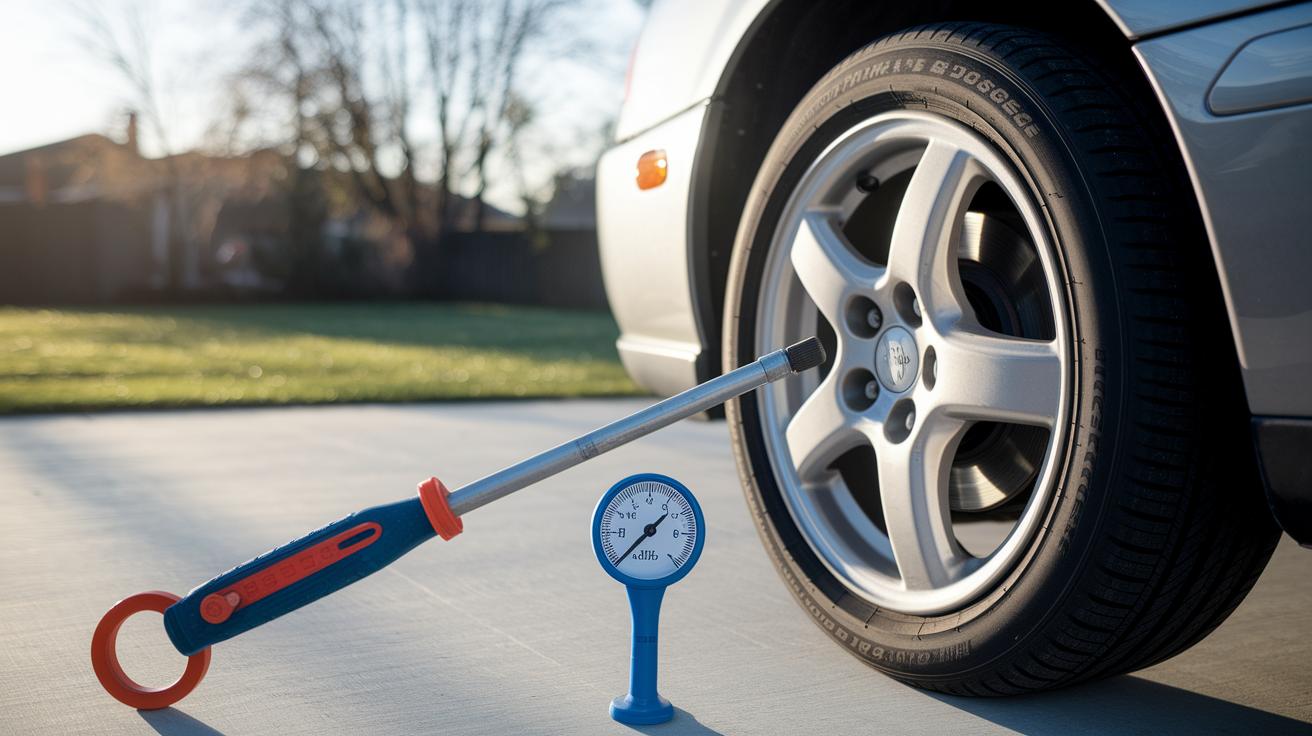
When putting on your wheels, you want to keep your lug nuts tightened just right. Usually, that means between 80 and 100 ft-lb (foot-pounds, a measure of twisting force). This sweet spot keeps your wheel secure without hurting any of the sensitive parts and helps your brakes work smoothly.
A lot of folks use an impact gun without checking if the torque setting is correct. They think that tighter always equals safer, but too much squeeze can twist your rotors (the flat metal parts that help your car stop), crack your rims, and wear your wheel unevenly. Even a tiny mistake here can turn into a big hassle later, making repairs cost more and putting your car’s safety at risk.
The best trick is to use a torque wrench that’s been properly calibrated and to follow your owner’s manual. Stick to the recommended settings, and your wheels will thank you for a smoother, safer ride.
Ignoring Manufacturer Guidelines: A Tire Care Mistake That Voids Warranties
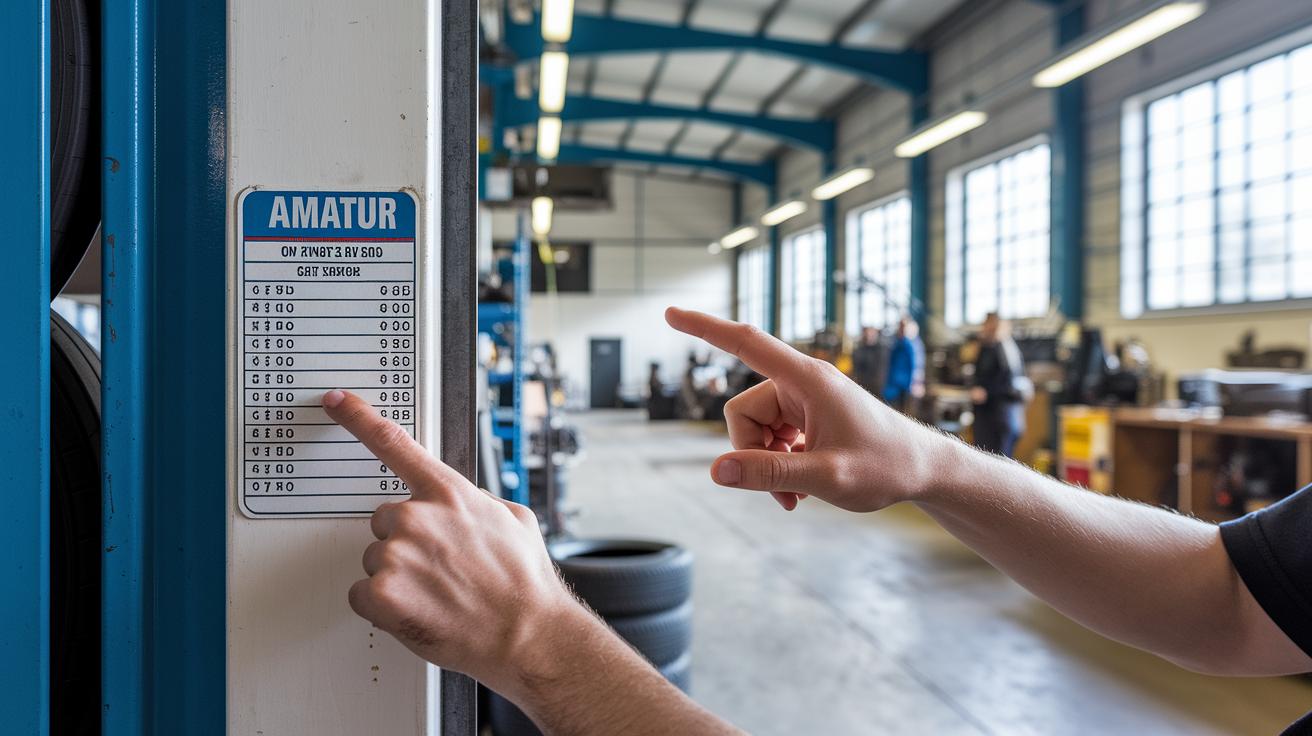
Take a moment to check your tire placard and owner’s manual. These little guides tell you the right tire pressure, when to rotate your tires (swapping them around helps wear even out), and how much weight your car can handle. It’s kind of like checking a sticker on your door before you hit the road.
If you don’t stick to these tips – like using the wrong pressure, skipping tire rotations, or overloading your car – you could not only hurt your tire performance but also void your warranty. Basically, ignoring these rules means any extra damage is on you. And trust me, that can lead to pricey repairs and safety bumps along the way.
A good habit is to mark your calendar for tire service dates, keep your receipts, and register your tires with the manufacturer. It’s a simple way to follow the guidelines and enjoy the peace of mind that comes with knowing your car is set for a safe ride.
Skipping Regular Tire Inspections: A Tire Care Mistake That Hides Damage

Before you set off, take a moment to give your tires a quick once-over. Look at the sidewalls, make sure there aren’t any cuts or bubbles. Check the grooves (the patterned lines on your tires) for signs of wear, and confirm that the valve stems are snug and not damaged. A simple look like this can catch small issues, like a tiny nail stuck in the tire, before they turn into big problems.
It’s easy to miss these small details. Keep an eye out for bits of debris, cracks, or bulges that shouldn’t be there. If any part of your tire looks uneven or the grooves are wearing down in patches, it could be a sign that your tire is under some stress or might soon develop further damage. Even if you’re a careful driver, not checking your tires closely can lead to safety risks on the road.
A good habit is to check your tire tread once a month using a penny or a simple gauge. If anything looks off, it’s time to get a professional inspection. Taking a few minutes now can mean a smoother, safer ride when you hit the road.
Final Words
In the action, we broke down common tire care mistakes to avoid and weighty missteps that can cost you both safety and performance. We talked about checking your tire pressure, following rotation schedules, keeping load within limits, matching tire types, using proper torque, and sticking with manufacturer guidelines.
Taking these steps helps you sidestep unwanted repairs and boosts your vehicle's safe, smooth performance. Remember, a little care can go a long way in keeping your tires strong and your ride confident.
FAQ
What is the 7 7 rule for tires?
The 7 7 rule for tires signifies that tires older than seven years should be replaced, as age can weaken tire materials and lead to safety issues even if the tread appears fine.
What is the 3 tire rule?
The 3 tire rule means that replacing just one tire while the others are significantly worn isn’t recommended. Balancing new and older tires on an axle can lead to uneven handling and reduced safety.
Can I spray WD-40 on my tires?
Spraying WD-40 on tires implies using a product not intended for tire care. Its chemicals can deteriorate the tire’s rubber and may reduce traction, so it’s best to use cleaners made for tires.
What’s not considered proper tire maintenance?
Improper tire maintenance includes skipping routine pressure checks, rotations, and alignment, mixing mismatched tires, or using unsuitable products. Following manufacturer guidelines helps keep your tires safe and effective.

