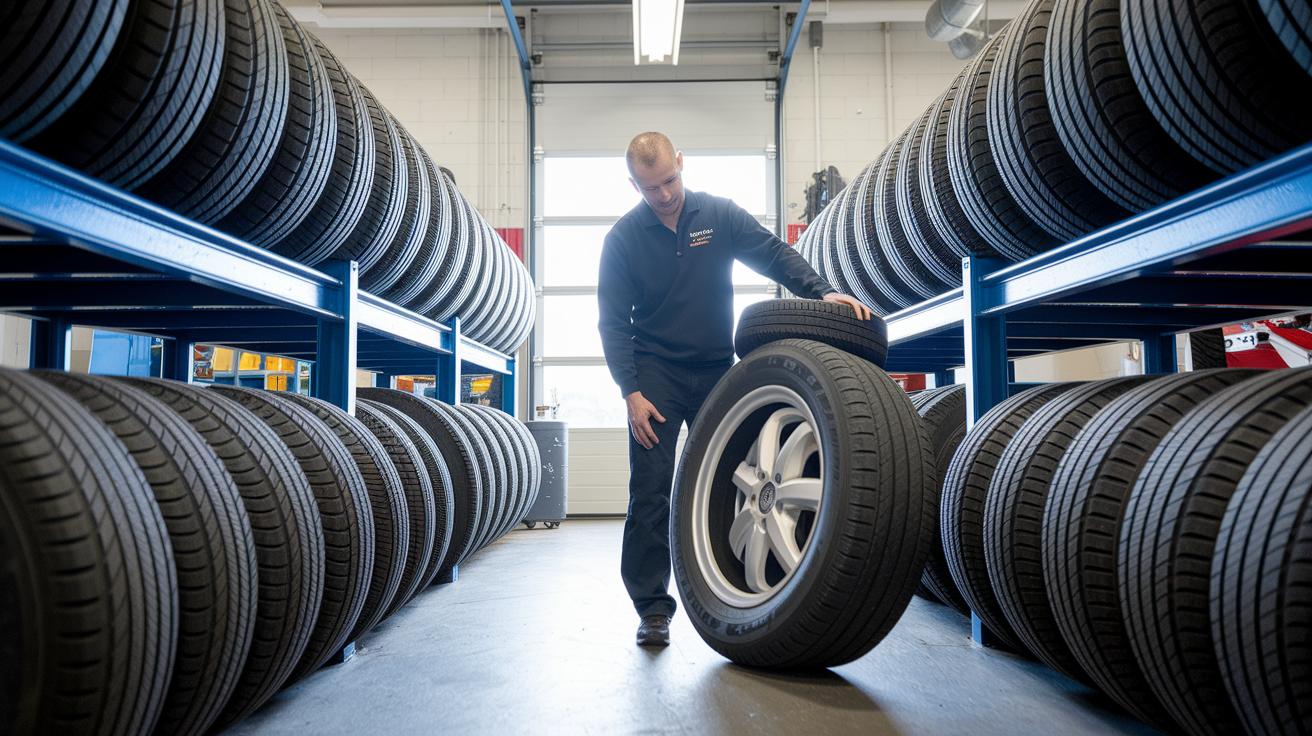


Ever thought your tire changer might be using more time and energy than it should? Imagine spending almost an hour on one tire with a manual machine, when a push-button automatic changer could slice that time by about 80%. Manual systems might be easier on your wallet, but they demand lots of labor. And automatic changers? They give you a quicker, lighter workload in your shop. Today, we'll break down the good and the not-so-good of each so you can pick the best tool for the job.
Comprehensive Comparison of Manual vs Automatic Tire Changers

Manual tire changers can be a solid choice if you're on a tighter budget. They usually cost between $300 and $800, making them popular with smaller shops. But they do take a lot of effort and time. Imagine trying to open a stubborn jar after a long day, that’s how it feels using a manual lever repeatedly. Each wheel can take about 30 to 60 minutes, and the heavy work might leave you feeling tired and even create some inconsistent results.
Automatic tire changers, on the other hand, offer a smoother ride for your service bay. Costs usually start from $1,200 and can go up to $5,000 or more. They work quickly, finishing a wheel in about 5 to 10 minutes. Just press a button and watch the machine do its steady work, making your day much easier. For busy shops, every minute saved matters, as it boosts overall productivity and cuts down on physical strain.
In truth, the extra investment for an automatic changer pays off over time. It reduces the labor needed and keeps your team feeling safer and more consistent. While some might start with a manual changer because it’s cheaper, many see the long-term benefits of an automatic system, like the one offered by the Bilthard 2 HP Swing Arm Tire Changer & Wheel Balancer Combo.
| Metric | Manual Changer | Automatic Changer |
|---|---|---|
| Cycle Time | 30–60 minutes per wheel | 5–10 minutes per wheel |
| Upfront Cost | $300–$800 | $1,200–$5,000+ |
| Labor Exertion | High physical effort | Lower physical strain |
| Safety & Consistency | Variable | Enhanced and reliable |
Performance and Time Efficiency of Manual versus Automated Tire Changers

When you switch to automated tire changers, each wheel takes about 5 to 10 minutes instead of the 30 to 60 minutes it takes with manual work. One local tire shop even saw a 75% boost in the number of wheels they handled in a day. A shop manager once said, "I watched my team go from 28 wheels to almost 50 wheels in a single day after we upgraded our equipment."
New practical findings show:
| Benefit | Explanation |
|---|---|
| Faster cycles | Automated systems finish work much quicker than doing it by hand. |
| More efficiency | There can be up to a 75% increase in the number of vehicles serviced each day. |
| Better consistency | Regular cycle times help lessen worker tiredness and mistakes. |
In busy shops, even a small investment in automation can really change the daily output and help reduce the physical strain on technicians.
Cost Analysis: Upfront Expense Versus Long-Term Savings

When you shop for a tire changer, automated machines usually cost between about $1,200 and over $5,000. On the other hand, manual units tend to run around $300 to $800. Even though the cheaper cost up front might seem like a bargain, it can hide extra expenses over time.
Using a manual changer can mean more labor hours, a greater risk of injuries, and more maintenance because of the strain on workers. One shop owner even mentioned that switching to an automatic unit cut labor hours by about 70% over five years. Plus, these automated machines run more efficiently, which keeps energy costs down as time goes on.
| Cost Element | Manual | Automatic |
|---|---|---|
| Initial Investment | $300 to $800 | $1,200 to $5,000+ |
| Labor & Injury Costs | Higher due to extra work and injury risk | Much lower, saving up to 70% in work hours |
| Maintenance Expenses | Frequent, because of repetitive strain | Less frequent, with routine checkups |
| Energy Consumption | Not as efficient | More efficient with each cycle |
Durability and Maintenance Requirements for Manual and Automated Systems

Manual tire changers are built with a simple design, which means there are fewer parts that can go wrong and it's easy to take care of. You only need basic know-how to handle them, like adding lubrication (oil that helps parts move smoothly) every 100 cycles and doing a quick visual check every month. It’s a bit like giving your old pickup truck a once-over, just a little routine care can keep things running well.
On the other hand, automated systems use sensors, actuators, and hydraulic or pneumatic circuits (using fluid or air pressure to move parts), which means they need a bit more expert attention. These systems need to be calibrated every 500 cycles and checked for software and hydraulics every three months. Think of it like tuning up a modern gadget, scheduled updates and care keep all the parts in sync.
A technician once said, "My manual changer feels like an old friend with simple needs, while my automatic unit calls for periodic attention to stay at peak performance." Regular maintenance for both types means you see fewer surprises down the road and helps your equipment last longer. Plus, keeping up with these check-ups not only improves how well they work but makes planning service easier when you’re busy.
Comparing manual versus automatic tire changers: Smart Pick

Manual tire changers take time and practice to master. Technicians spend weeks learning how to break the tire bead (that seal between the tire and rim) and mount the tire just right. Imagine a mechanic working day after day, adjusting the grip and pressure until it feels just perfect. This slow, hands-on process can really wear you out and steepen your learning curve.
On the other hand, automatic tire changers are built to be easy from the start. With simple pedals, levers, and clear controls, most technicians get the hang of them in only 2 to 4 hours. One technician even said switching to an automatic system felt like moving from an old, clunky tool to a slick, modern control panel. This friendly design not only saves time but also helps lower the risk of repetitive strain injuries. It works well for both professional operators and home mechanics. For some handy tips on using them at home, check out the tire installation tips for DIYers at tityres.com?p=1358.
- Manual changers: Demand weeks of practice and lots of physical effort.
- Automatic changers: Offer quick training and ergonomic benefits that make everyday tasks simpler.
The easy learning curve and lighter physical demands make automatic systems a smart choice for anyone looking for more efficient and safer daily service work.
Safety and Risk Considerations for Manual Versus Automatic Methods

Manual tire changers may save you money, but they come with more risks for both the gear and the people doing the work. When you work by hand, it’s a bit like trying to balance a tray of plates on a bumpy road – tools can slip, rims can get damaged (that means the metal part that holds your tire), and the technician might even get hurt.
Here are some common problems with manual methods:
- A higher chance that tools will slip and cause injuries.
- More risk of damaging the rim because the force isn’t controlled.
- Increased tiredness for the technician, which might lead to mistakes.
- Expensive repairs and lost time for the shop down the road.
On the other hand, modern automatic tire changers are built with safety in mind. These machines have secure guards to protect hands and tires, an emergency stop if something goes wrong, and precise torque control (that’s a way to keep the force even) for a smooth ride. This means fewer errors and much better protection for both the user and the equipment.
One technician put it simply: "Switching to an automated changer was like moving from a risky balancing act to cruising in a safe lane." With automated systems, you get more control, less chance of mistakes, and overall, a lot more confidence in your work.
Impact on Workshop Productivity and Workflow Integration

Automatic tire changers speed up your work without cutting corners. They change tires so fast you can help more cars in the same time, like having your own pit stop crew that keeps things rolling smoothly. With these machines, tasks such as balancing (making sure the tire spins evenly) and mounting (putting the tire on the wheel) can happen at the same time. It’s like watching a well-tuned engine where every part works together perfectly.
Manual machines, on the other hand, can slow you down when the shop gets busy. They need your full focus for each tire, which can lead to a pile-up of work. Imagine trying to serve a long line of customers with a tool that moves as slow as a snail. This delay not only cuts into your productivity but might also dampen everyone’s spirits in the shop.
Here’s what many service managers have noticed:
| Observation | Benefit |
|---|---|
| Faster changeovers | Less downtime |
| Digital systems | Smoother job tracking and resource allocation |
| Less manual work | Fewer delays during busy times |
One technician said, "Switching to automation made our floor run smoother, like shifting from a slow drive to a fast lane." Changes like these help boost overall output and ensure that every minute counts.
Technological Trends and Hybrid Automation in Tire Changing

Modern tire changers are getting pretty cool these days. They mix the old-school feel of manual mounting arms with some neat automated help for seating the tire’s bead (that’s the part of the tire that fits snugly on the rim). This means you still get to start things manually, but the machine takes over to secure the tire just right. I even heard a technician say that combining both methods cut his work time almost in half during busy periods.
New digital screens now pop up real-time updates and easy-to-follow advice on machine settings. Imagine having a display that guides you step-by-step – almost like chatting with a buddy while you work. This kind of help takes the guesswork away and makes the whole process feel much safer and more reliable.
Then there are IoT-enabled changers (that’s short for Internet of Things, which lets devices share information) that can keep an eye on the machine’s health. They can warn you if a part is wearing out or needs a small adjustment before it turns into a bigger issue. Fewer hiccups mean your work flows much smoother.
This blend of hands-on control and smart automation paves the way for a quicker, smarter tire changing experience that fits right in with today’s fast-changing world of auto service.
Comparing manual versus automatic tire changers: Smart Pick
Lately, many garages are choosing automatic tire changers that come with smart, digital features to check performance as you work. One local garage shared, "After we switched to an automatic changer with built-in diagnostics, our cycle time dropped by 30% during our busiest hours."
On the other hand, many smaller shops stick with manual changers. These machines are simple, affordable, and work great in smaller spaces. One shop owner explained, "Our manual changer fits perfectly in our modest space and keeps our costs low without any extra frills."
When choosing between the two, consider these factors:
- Purchase Budget: Manual systems cost less upfront, while automatic changers cost more but offer digital perks.
- Technician Skill Level: Manual changers need hands-on skills, while automatic ones with easy-to-use digital controls cut down on training time.
- Service Volume: Busier shops might benefit more from the speed of automatic changers.
- Facility Layout: Smaller spaces work better with manual changers; automatic machines need more room and power.
- Digital Integration: Newer automatic systems come with built-in diagnostics that quickly spot issues.
| Key Factor | Manual Changer | Automatic Changer |
|---|---|---|
| Purchase Budget | Lower upfront cost | Higher spend offset by digital perks |
| Technician Skill Level | Needs more hands-on skill | Easier with smart digital controls |
| Service Volume | Works best in low-usage shops | Ideal for high daily tasks with time-saving benefits |
| Facility Layout | Good for smaller spaces | Requires more space and reliable power |
| Digital Integration | No digital features | Built-in diagnostics and performance tracking |
Final Words
In the action, we broke down differences between manual and automatic tire changers. We covered cost, performance, user ease, and safety, all key puzzles to help you choose wisely. Each part highlighted how small shops and busy garages can benefit, whether through hands-on control or fast, consistent service. Our guide on comparing manual versus automatic tire changers shows that the ultimate choice depends on your shop's needs and your goals for efficiency and safety. Keep these insights in mind and ride confidently forward.
FAQ
What is the best tool to change a tire?
The best tool to change a tire is a reliable tire changer that offers strong safety features and ease of use. It delivers consistent performance for both professional shops and home users.
What type of tire changing machine is used in most cases?
The most common machine is one that uses a hydraulic system to mount and remove tires quickly. It helps cut labor time and improves safety with user-friendly controls and emergency stops.
What is the difference between a tire swap and a tire changeover?
A tire swap usually means switching tires between vehicles, while a tire changeover involves using a machine to remove and mount a tire on a rim. They differ mainly in the process and the equipment used.
How to use a manual tire changer duck head?
Using a manual tire changer duck head starts by aligning the tire properly on the machine. You then use the handle to apply pressure and break the tire bead so it can be removed from the rim securely.

