

Have you ever wondered what your tires might say if they could talk? Thanks to smart tire technology, each tire keeps an eye on its own pressure, temperature, and wear (that’s how fast the tire’s surface fades) just like a friendly mechanic riding along with you.
Imagine your car getting a quick check-up before even a small problem turns into a big headache. This neat tech not only keeps you safe but also gives your ride a little extra pep in its step.
Next, discover how smart sensors and wireless alerts work together, making every drive smoother and worry-free.
How Connected Tires Work: Core Functionality
Connected tire technology uses smart sensors built right into your tire’s inner side. These sensors check things like pressure, temperature, and tread wear (how quickly the tire’s surface gets used up) all the time. They work quietly in the background, so even during your everyday drive, you'll know exactly how your tires are doing.
The data from these sensors is sent wirelessly, using Bluetooth, Wi-Fi, or cellular networks, right to your car’s onboard system. It’s like your vehicle is getting regular health checks from a trusted friend. Once the info arrives, smart analytics turn those numbers into easy alerts. This means you’ll get a nudge if your tire pressure is low or if the tread is getting thin, much like a friendly reminder before a long road trip.
This real-time info helps you take care of your tires before any serious problems pop up. Think of it like checking your fuel gauge before heading out: you keep an eye on things so you can make adjustments quickly. The whole system connects each tire to your car’s overall performance, providing a simple, dependable way to keep your ride safe and sound.
For drivers and fleet operators alike, getting instant alerts means a safer journey and fewer surprises on the road. By always watching over tire conditions, connected tire technology boosts both performance and safety, keeping you ready for whatever comes your way.
Sensor Integration and Communication Protocols in Connected Tires
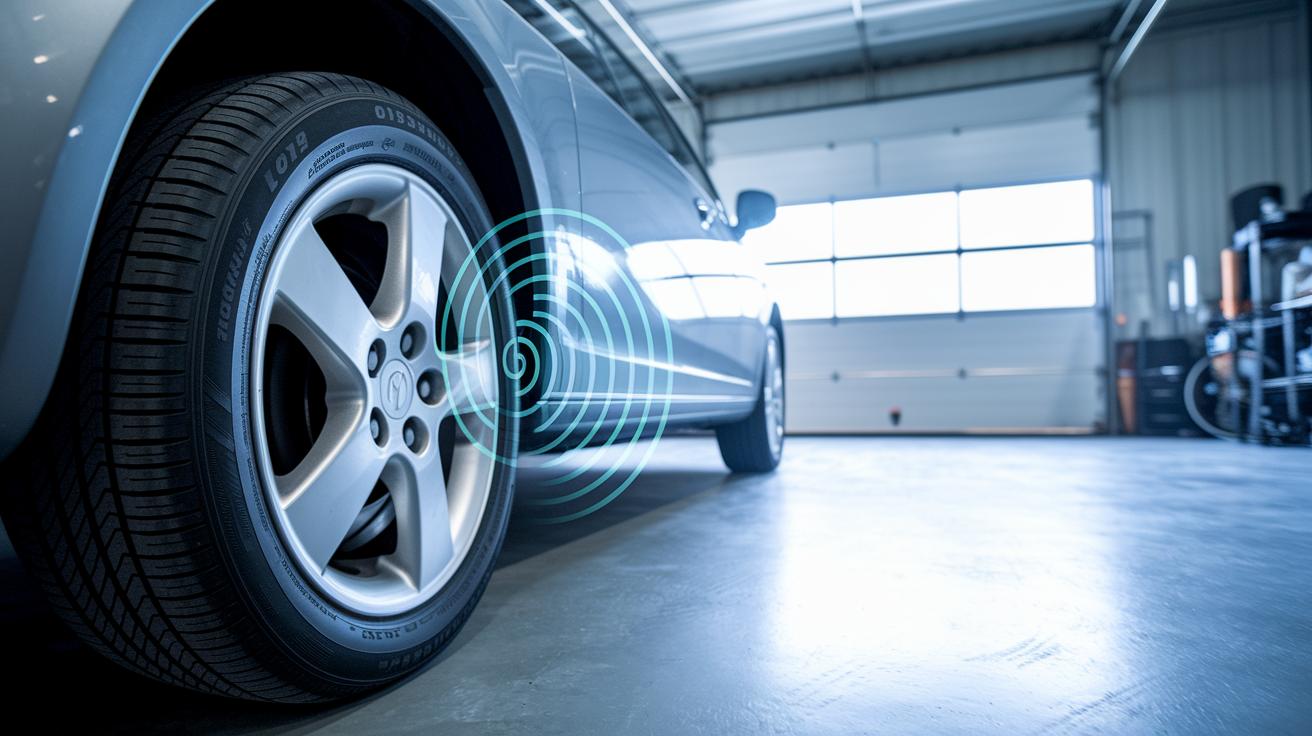
Connected tire systems work by using different sensors that keep an eye on how your tires are doing in real time. These systems have inner sensors that check things like air pressure (how full your tires are), temperature, and even outside conditions that might affect your ride. And with ID chips in each tire, it’s easy to tell which tire is which. This smart setup helps keep everything in tip-top shape while making sure you have a safe ride with cool IoT tire tech like smart tire technology.
There are a few important parts in this system. For instance, air pressure sensors keep checking your tire inflation so they can spot any worries before they become big issues. Temperature sensors watch for heat buildup, which can help prevent tires from getting too hot. Environmental sensors check for any outside factors that might change how your tires work. And those ID chips? They make it simple to keep track of each tire’s health. Plus, wireless modules using Bluetooth Low Energy, vehicle Wi-Fi, and LTE/5G send all this data quickly and from far away.
Every bit of info gets sent right to your car’s system so you always know what’s happening under the hood. This means you get alerts that help avoid any surprises on the road. In truth, this smooth data flow works like a friendly co-pilot, giving you a heads-up and making sure your tires perform well and keep you safe every time you drive.
Data Analytics and Predictive Maintenance Models with Connected Tire Technology
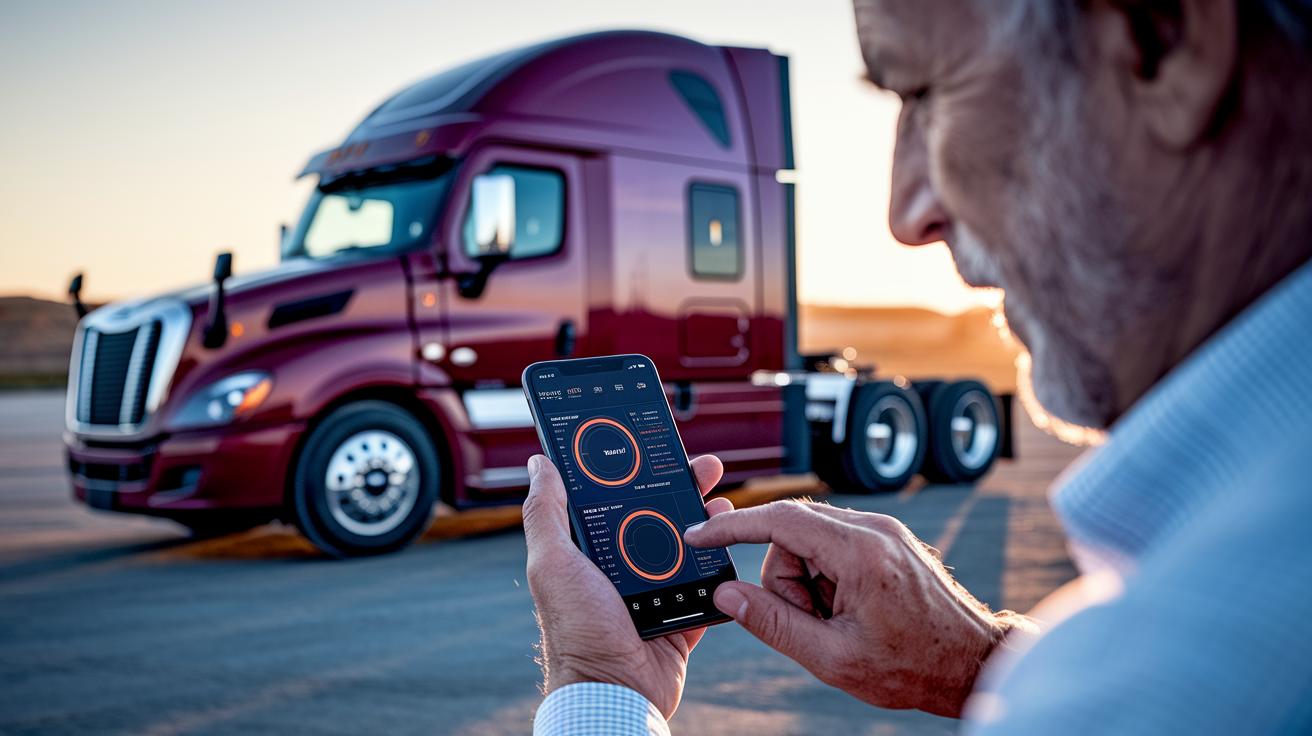
Our connected tire tech sends live sensor info to smart analytics that work like your own onboard mechanic. AI keeps an eye on tire pressure and temperature trends (those steady numbers) so you get a friendly heads-up if a tire starts to wear. This means you’re warned early, long before the tread gets down to that 2/32-inch safety limit.
Fleet managers and drivers appreciate these models because the easy-to-read dashboards show all the vital tire stats on your phone, just like checking your car’s dashboard lights. If a tire shows signs of too much wear or heat buildup, the system alerts you, much like a modern spin on regular car check-ups. This smart system cuts unexpected downtime and helps lower repair bills.
With this proactive approach, you’re always one step ahead of potential hazards. Instead of planning service based just on mileage or time, predictive analytics schedule maintenance exactly when needed. It’s like having a smart friend who notices the little changes to keep your tires in peak shape. This method not only boosts safety but also makes every drive smoother and more efficient.
Applications of Connected Tire Technology in Passenger, Fleet, and Autonomous Vehicles
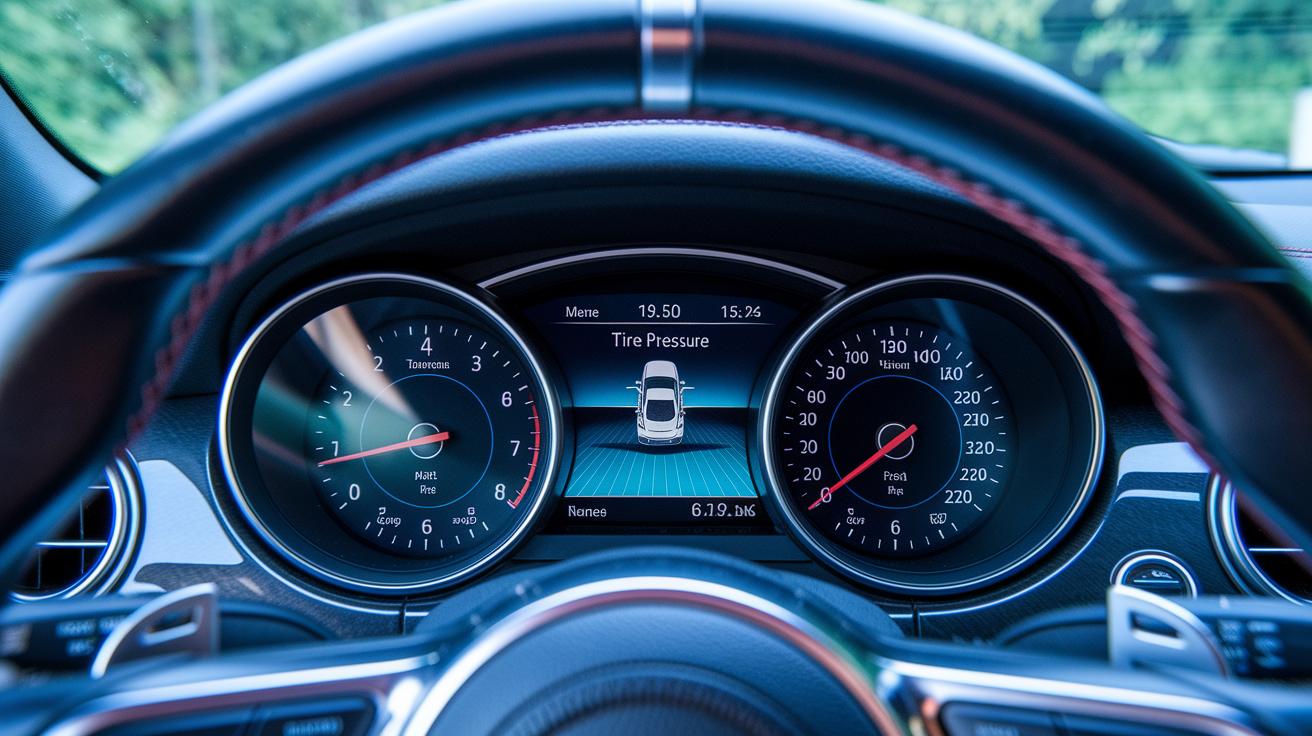
Connected tire technology is really changing the way vehicles roll. Imagine getting a friendly alert on your car’s dashboard if a tire’s pressure (the air inside a tire that keeps it firm and safe) or temperature isn’t right. This means you can avoid surprises on the road and even save some extra fuel. For fleet owners, it’s like having a watchful eye over each tire, helping them schedule maintenance smoothly while also cutting down on emissions. And when it comes to self-driving or ride-sharing cars, constant, real-time tire updates guarantee that everything is running just right, even when there’s not much human input.
Key applications include:
- Consumer Cars: Quick alerts about tire conditions keep you safe and help improve fuel economy.
- Commercial Fleets: Remote monitoring means fleet managers can easily track tire health and plan maintenance.
- Autonomous Vehicles: Ongoing tire data is vital for self-driving tech, ensuring the car stays stable.
- Ride-Sharing Services: Regular tire checks help keep vehicles ready and available when needed.
- Digital Tracking Platforms: Sensor data from tires aids in fine-tuning performance and keeping operations smooth.
This smart technology blends safety with efficiency, giving every vehicle a little extra confidence on every journey.
Safety, Performance, and Sustainability Benefits of Connected Tire Technology
Connected tire technology is like having a smart co-pilot by your side. It quickly lets you know if a tire loses air or starts to get too hot. This fast alert can help stop accidents before they happen and keeps your ride smooth and steady.
Keeping tires at the right pressure isn't just about safety, it also helps the planet. When your tires have just the right amount of air, they roll more easily and don't have to work as hard. This means your car uses less fuel and lets out fewer harmful emissions, making your trip safer and greener.
Key benefits include:
| Benefit |
|---|
| Instant alerts if tire pressure drops |
| Temperature warnings to prevent overheating |
| Real-time dashboards for monitoring tire health (especially useful for fleet operators) |
| Better pressure control that helps prevent tire wear |
| Improved fuel efficiency with lower CO₂ emissions |
By turning raw sensor data into real-time notifications, connected tire technology not only boosts your car's performance but also helps keep our roads and environment safer. Each update is like a friendly reminder, giving you the confidence to enjoy every mile on the road.
Industry Trends, Market Growth, and Challenges in Connected Tire Technology
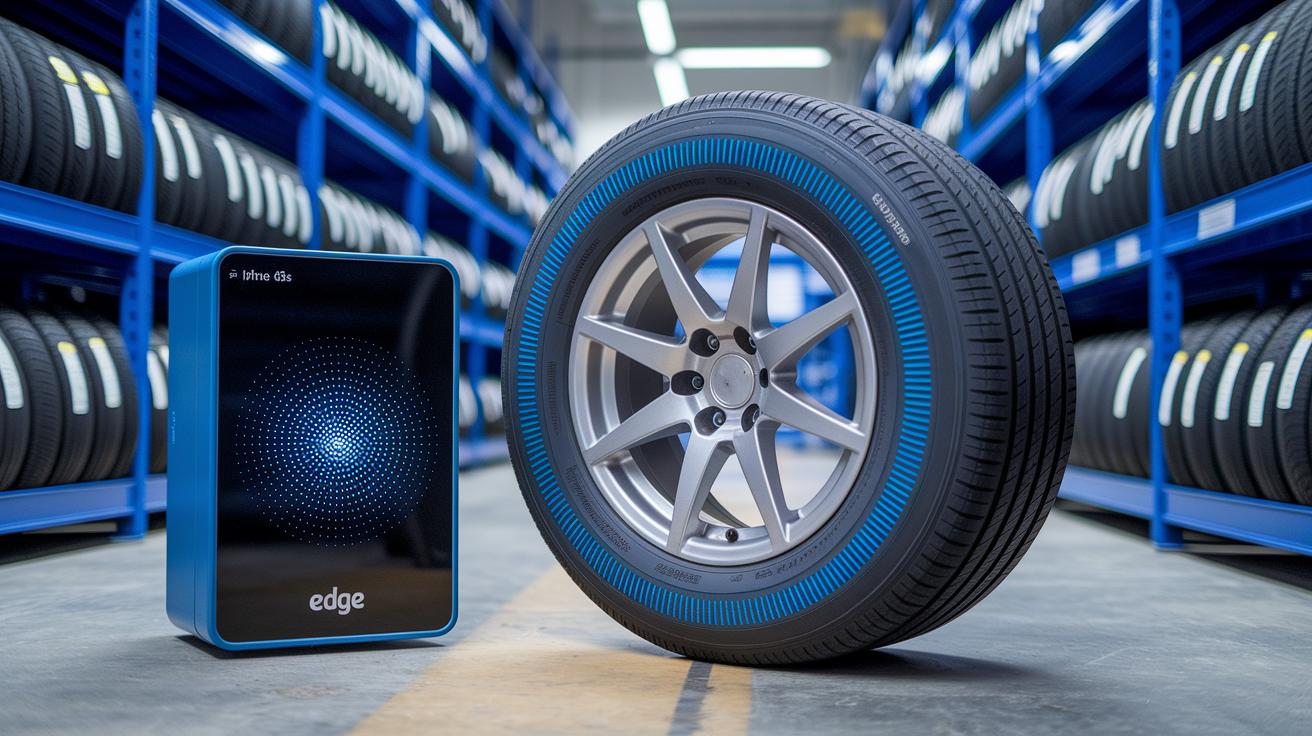
Drivers are increasingly choosing connected tire systems because they deliver smart safety checks and a smooth ride. These systems monitor things like tire pressure and temperature in real time (that means they keep an eye on how full and warm your tires are) and help keep your car running safely. As more of us search for smarter ways to look after our vehicles, manufacturers are boosting production and investing more in research.
Research is now focused on gathering useful data right on the tire using edge computing (which means processing information close to where it’s collected) and simple math models known as machine learning. This work helps make sense of the huge amount of data from smart tire sensors. Manufacturers are also building cloud-based tools that show key tire performance numbers on easy-to-read dashboards. It’s all part of a move toward cars that are smarter and more connected every day.
But, there are a few bumps in the road. The industry faces challenges like keeping data private, making different systems work together, and handling large streams of sensor information. To fix these issues, companies are trying out new strategies with the Internet of Things (IoT) and improving how they do research and development.
Key focus areas include:
- Boosting edge computing for better on-tire data checks.
- Using machine learning (a kind of smart math) to predict tire wear.
- Relying on cloud-based solutions for real-time monitoring.
- Creating clear dashboards that show tire status at a glance.
Case Study: ContiConnect™ and Other Connected Tire Platforms
ContiConnect™ is a cool, high-tech platform that watches over your tires using smart sensors (little gadgets that check tire pressure, temperature, and how fast the tire’s surface wears out). It works like a smart dashboard for your tires, keeping you in the loop in real time. Ever notice how a smooth ride makes all the difference? That's what this system is all about, it gives you a friendly heads-up when your tires need attention.
Fleet managers and drivers really appreciate how clear the digital tracking is. It shows simple, easy-to-read numbers so you know exactly when to get repairs done and keep safety on track. Even services that share cars use similar systems to automatically schedule fix-ups, helping vehicles stay on the road and on time.
| Platform | Key Features | Impact |
|---|---|---|
| ContiConnect™ | Remote data capture, real-time checks for pressure, temperature, and wear, plus handy service alerts | Reduces downtime, boosts fleet performance, and helps plan repairs automatically |
This platform shows how a bit of digital help can keep your tires in top shape and your ride smooth and safe.
Final Words
In the action, this article showed how sensors send tire data to your vehicle using smart wireless links. It explained how AI transforms that flow into useful tips for tire care and better performance. We touched on how connected tire technology helps everyone, from individual drivers to fleet managers, feel safer on the road. Each section kept things clear and friendly while highlighting the benefits of top-notch tire tech. Here's to enjoying smoother, more confident drives ahead.
FAQ
Q: Do you have to fill nitrogen tires with nitrogen?
A: The question about filling nitrogen tires with nitrogen means that while nitrogen is used for its stable pressure properties, you aren’t forced to stick with it; regular air works too, though it may not offer the same benefits.
Q: What is the new technology in tires?
A: The new technology in tires features connected tire systems with built-in sensors that monitor pressure, temperature, and tread wear, sending real-time data to your vehicle.
Q: What is the 3% rule for tires?
A: The 3% rule for tires suggests that even a small drop in tire pressure, around 3%, can affect performance and fuel efficiency, so it’s smart to check and adjust your tires regularly.
Q: Do tire sensors get replaced with tires?
A: The question about replacing tire sensors implies that most sensors come integrated with the tire, so when you change the tire, you replace the sensor as well.

