


Ever thought about doing your own tire installation to save money, or does it seem like it might cost you more in the end? We break down the expense by comparing the price of buying your own tools to the fee you’d pay a pro who does the work along with safety checks.
We look at how much you’d spend upfront on equipment versus the simple service fee that covers expert work (and keeps you safe). As you check out these numbers, you'll see which option fits your budget and comfort level better.
So, stick with us as we figure out whether rolling up your sleeves at home or letting a specialist handle the job gives you more value for your ride.
Direct Cost Comparison of DIY vs Professional Tire Installation
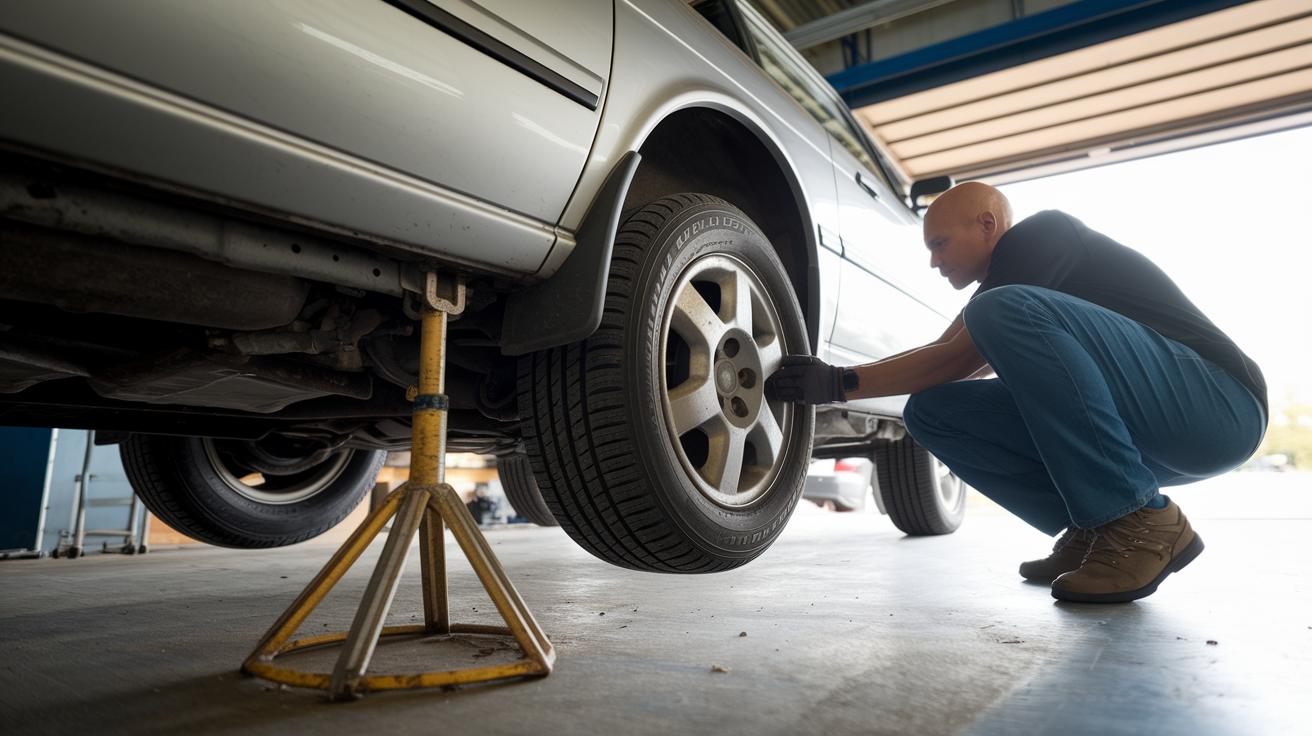
If you choose to handle tire changes yourself, you'll need to spend money on equipment upfront. For example, a tire-changing machine can set you back about $500–$1,000, and a wheel balancer might cost around $300–$700. Mounting and balancing each tire costs only about $5–$10, but don't forget the extra gear like jacks and stands that can push your setup cost past $1,500.
On the other hand, professional service might feel more expensive per tire, usually costing $15–$25, plus an extra $80–$100 for alignment services (a careful adjustment to keep your tires wearing evenly). This higher fee covers the use of top-notch machines, digital torque wrenches, and a thorough final check, which helps avoid issues that could lead to more costly repairs later on.
Major expense factors include:
- The tire-changing machine cost
- The wheel balancer cost
- Mounting and balancing materials per tire
- Alignment service fee
- Hidden startup tool expenses
| Cost Type | DIY | Professional Service Fee |
|---|---|---|
| Mounting & Balancing Material | $5–$10 per tire | $15–$25 per tire |
| Alignment Service | Not typically included | Additional $80–$100 |
| Equipment/Toolset | Over $1,500 startup | Included in service fee |
Overall, a DIY setup demands a hefty initial outlay for the right tools. However, if you change tires often and already own some equipment, it might save you money in the long run. Otherwise, paying a higher fee per tire with professional service can help you avoid risks and extra costs from a poor installation.
Time Efficiency Analysis of DIY vs Professional Tire Installation

If you decide to install tires yourself using basic tools, expect each tire to take around 20 to 30 minutes. That means doing all four could take you about 2 to 3 hours. Now, if you're not super experienced, things might slow down because you could run into setup delays or need extra time to troubleshoot. It’s not just the minutes add up, this extra time might make you feel stressed or even cause you to miss other plans. Curious about the details? Check out our guide on how long tire installation really takes.
On the flip side, professional technicians usually finish a complete service, including mounting (putting the tire on), balancing (making sure it spins evenly), and a quick alignment (adjusting its angles), in around 45 to 60 minutes for all four tires. Their specialized equipment and know-how mean fewer delays and top-notch service. This smooth process helps you manage your time better, reducing unexpected hiccups. When you weigh the benefits, paying that extra fee for a quicker, more reliable service often makes a lot of sense.
Safety and Risk Assessment in DIY vs Professional Tire Installation

Doing your own tire installation might seem like a good idea at the time, but it comes with some real risks. If you miss proper balancing, you might end up with a shaky steering wheel and uneven tire wear. And even a small error, like not hand-tightening the lug nuts just right, can put your brake and suspension parts in danger.
When you use basic tools and manual techniques, you run a higher risk of not getting the torque spot-on. Tighten too much and you could break bolts or damage your rims; too little and the wheel might even come off. These mistakes not only make your car harder to handle, but they also raise the chance of accidents and unexpected repair bills.
Professional shops, on the other hand, use tools like digital torque wrenches, dynamic balancers, and even laser alignment to make sure every detail is checked. They perform a careful final inspection to catch even the tiniest issues right away. This kind of attention really cuts down on the chance of mechanical mistakes that could cost a fortune later on.
When it comes to spending money, paying for professional service might cost a bit more upfront, but it saves you from higher expenses over time. It helps you avoid problems like uneven tire wear or setups that might lead to accidents. In short, trusting the experts means your tires are mounted correctly, your vehicle stays in top shape, and your wallet stays a bit safer too.
Long-term Savings Projection of DIY vs Professional Tire Installation
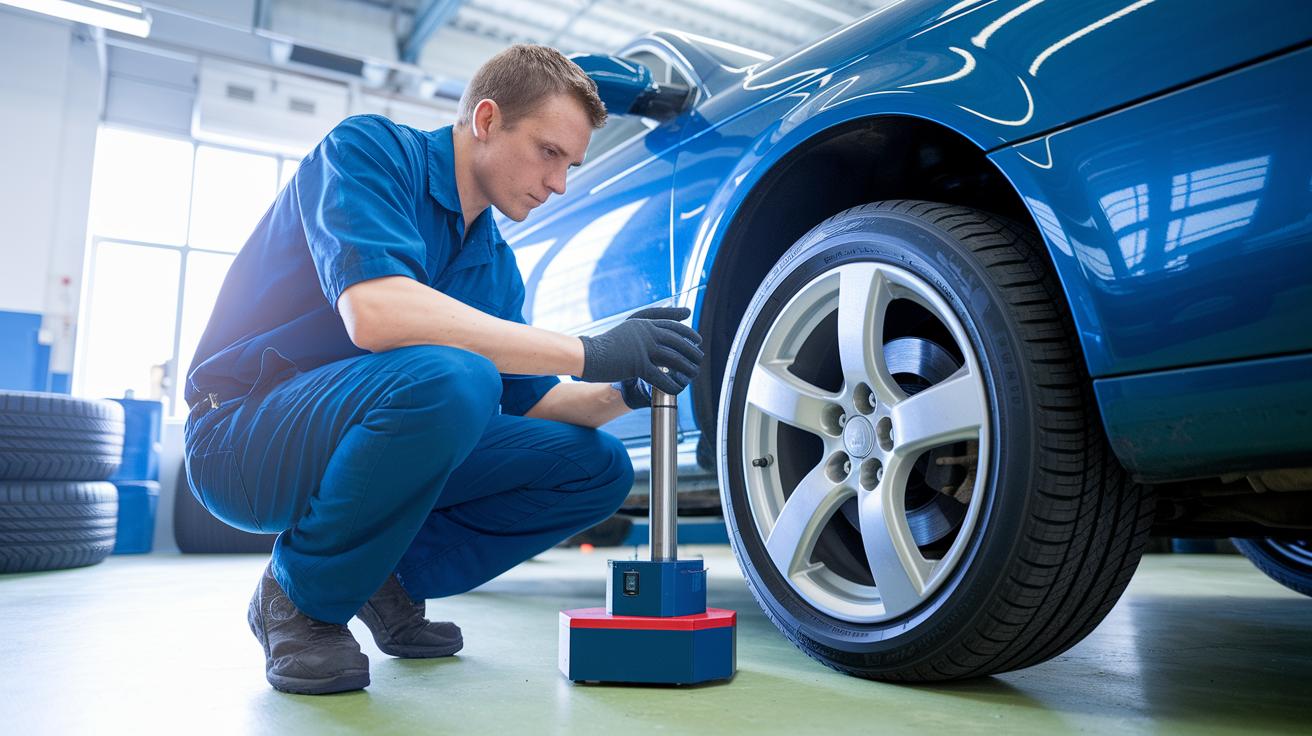
Getting your tires aligned by a pro not only makes your car handle better, it also saves you money on gas by boosting fuel economy by 2-3% (that means you could save up to $200 a year). When you go with a professional, they ensure the wheels are aligned just right so your tires wear evenly over time. This smooth ride helps lower fuel costs, all while keeping you safe on the road.
Professional balancing and alignment can help your tires last about 10-15% longer, which can delay needing new tires by 5,000 to 10,000 miles. Fewer trips to the tire shop mean more cash in your pocket. Plus, many shops offer extra services for different seasons, proper tire storage, and eco-friendly recycling methods to take care of your tires. This extra help means you’re less likely to face uneven wear that might force you to buy new tires up to a year early, which could cost you an extra $400 to $800.
When you look at the long run, spending a bit more on professional tire installation can really pay off. The lasting performance, better fuel efficiency, and steady maintenance from a pro add up to make your car even more reliable. While doing it yourself might save a few dollars at first, it comes with hidden risks like faster tire wear and additional repair costs. In the end, trusting a professional turns out to be a smart move that keeps your vehicle running safely and smoothly.
Scenario-based Recommendations for DIY vs Professional Tire Installation

If you’ve got the basic tire tools and a little know-how under your belt, tackling a DIY tire installation might feel just right, especially when your tires already come mounted on rims and your ride has no fancy electronic sensors (gadgets that check and control tire performance). It can be pretty satisfying to handle the nuts and bolts yourself while keeping some extra cash in your pocket. But if your car has sensor-based systems or needs really tight alignment, it often makes more sense to let a professional take care of it. This is especially handy during seasonal checkups where experts do both the installation and thorough inspections.
When your tires are pre-mounted and your car doesn’t use electronic sensors, doing it yourself can help you save money. On the flip side, if your vehicle sports advanced sensors and needs spot-on alignment, a professional service is the safer bet. For those who drive less and want to watch every penny, DIY might be a smart, budget-friendly choice. But for daily commuters or drivers who demand top performance, trusting a shop for accurate mounting and alignment is usually the way to go.
Weighing these options can help you decide if you’re up for a DIY project or if you’d rather rely on the specialized tools and know-how of experienced technicians.
Final Words
In the action, we broke down the cost comparison, time efficiency, safety risks, and long-term savings of DIY versus professional tire installation. We looked at basic expenses, how long each method takes, and the risks tied to improper mounting or balancing. We even shared real-world tips based on different vehicle needs. This gives a clear cost-benefit analysis of DIY vs professional tire installation to guide careful choices. Every driver can now feel more confident choosing the method that matches their skills and needs. Stay safe and drive on!
FAQ
Do tires need professional installation?
The need for professional installation means that expert tools and experience guarantee safe lug nut tightening, balanced mounting, and proper alignment, reducing risks of wheel detachment and uneven wear.
How much does it normally cost to install tires?
The typical tire installation cost at a shop ranges from $15 to $25 per tire, with additional fees for services like alignment which can add roughly $80 to $100 to your bill.
How much do people charge to mount a tire?
Mounting a tire usually costs around $15 to $25 per tire. This fee covers both the mounting and the balancing process, ensuring a smooth and safe mount.
Can I just buy a tire and replace it myself?
Replacing a tire yourself is possible, but doing it safely and correctly requires the right tools and skills to avoid issues like incorrect torque settings or unbalanced wheels.

