


Ever notice how a few easy steps with your tires can save you money?
Tire problems can add up fast, and a little care now can stop expensive fixes later.
I'm here to share five simple tips that keep your tires in great shape while stretching your budget a bit.
First, check your tire pressure often (that means the air inside your tires) and give them a spin on schedule, rotating them helps wear them evenly.
These little habits not only make your ride safer but also help keep more cash in your pocket.
Stick around and see how a few small changes in tire care can lead to big benefits for your wallet.
Essential Cost-Effective Tire Care Tips for Budget-Savvy Motorists

Taking good care of your tires is not just about being safe, it also helps you save money. Regular tire check-ups and a few easy habits can make your tires last longer and even lower your fuel costs. With just a few simple steps, you can dodge expensive repairs and enjoy a smoother ride.
- Check your tire pressure every month, including the spare, using a trusted gauge before any long trips. (Tire pressure is the amount of air in your tire, which helps it work right and can even improve fuel efficiency.)
- Look at your tire tread (the part that touches the road) to make sure you have enough grip, which helps prevent hydroplaning (when your tire starts to skid on wet roads).
- Rotate your tires every 5,000 to 8,000 miles so the wear spreads out evenly, letting them last longer.
- Get your wheel alignment checked to stop uneven tire wear that can affect how your car handles.
- Balance your tires to cut down on vibrations, which also protects your car’s suspension (the system that helps keep your car steady).
- Watch out for any damage like cuts, bulges, or punctures that could lead to sudden air loss.
- Avoid overloading your car beyond your tire’s recommended capacity, as extra weight can wear them out faster and make them unsafe.
- Drive smoothly by avoiding quick starts, hard braking, and aggressive maneuvers that put extra stress on your tires.
Adding these habits to a monthly routine makes tire care both simple and affordable. Spending just a few minutes each month, whether checking tire pressure or rotating them, can boost safety, improve fuel efficiency, and keep your car running smoothly. It’s a win-win for you and your wallet.
Budget-Friendly Tire Pressure Monitoring Methods

Keeping your tires at the right pressure is one of the easiest ways to save money on car care. When your tires have the proper PSI (pounds per square inch, which is just a way to measure air pressure), your car uses less gas and the tires wear out evenly. Underinflated tires have to work harder and can cost you in extra fuel and repairs, while overinflated ones can give you a rough ride and speed up the wear on the top of the tire. And hey, don’t forget your spare, every tire deserves the right care.
A good way to stay on top of this is to check your tires with a trusted gauge once a month when they’re cold. Look at the sticker on your driver’s door for your car’s recommended pressure and compare it with your gauge reading. If a tire is below what’s recommended, add air little by little until you hit the right number. If it’s too high, simply let some air out slowly. This quick, do-it-yourself check can be done in just a few minutes.
Even small changes in your tire pressure can mean big savings on fuel and help your tires last longer. Keeping things balanced helps your ride stay smooth and your wallet stay happy.
Inexpensive Tire Rotation and Alignment Strategies

It’s a good idea to switch your tires every 5,000 to 8,000 miles. This simple swap from front to back helps wear the tires evenly, keeping your ride smooth and even saving you money on early replacements. You can check out more details on how often to do this in a handy guide.
Sometimes you might feel your steering acting a bit off, or you see uneven wear on the tire shoulders. This might mean your wheels are not lined up right. Getting your wheels aligned fixes important angles, like toe and camber (these are just fancy ways to say how your tire meets the road). Even better, a quick and inexpensive alignment now could save you from buying new tires later. Balancing your tires also cuts down on those annoying vibrations which can wear your tires unevenly and stress your suspension. A simple check during your tire rotation might uncover these issues early.
| Sign | What It Might Indicate |
|---|---|
| Uneven shoulder wear | Issues with wheel alignment affecting tire angles |
| Vibrations at certain speeds | The tires might need balancing |
| Loose or drifting steering | Alignment settings may be off |
Noticing these signs early can keep your tires working well and might even help you avoid more expensive repairs later.
Low-Cost Tread Depth and Tire Condition Checks

Checking your tire tread depth can be a breeze with a simple trick you can do almost anywhere. Grab a penny and slide it into one of the tire’s grooves with Lincoln’s head facing down. If his head stays hidden beneath the tread, you’re in good shape. But if any part of his face shows, it might be time to think about a new tire. This quick test is like a mini check-up you can do in your pocket, helping you avoid costly replacements later.
It’s also a good idea to give your tire sidewalls a close look for any cuts, bumps, or punctures that could lead to air leaks. Spending just a few minutes cleaning the rim edges and valve stems can help you catch slow leaks before they turn into a bigger problem. These low-cost, easy tips can really save you money and keep you safe on the road.
Seasonal Tire Care Tips on a Budget

Changing your tires to match the season is like giving your car a safety upgrade while saving money. In colder places where ice or snow comes down, winter tires (tires made for chilly, slippery roads) keep you steady and let you keep your regular tires for warmer days. A quick seasonal switch keeps you safe without breaking the bank.
Before the cold really sets in, swap to winter tires when snow and ice start to show up. These tires are built to handle chillier, slippery conditions and give you a better grip. And after you’ve driven on salty roads, take a minute to wash off any salt or dirt. This simple rinse helps prevent the rubber from cracking too early, saving you money on premature replacements.
When the weather warms up, store your off-season tires in a cool, dark spot that isn’t directly on the ground. This helps avoid flat spots (areas where the tire loses its shape) and stops sun damage, keeping them in good shape. In spring, a quick check for slow leaks or little wear keeps your ride ready for whatever the next season brings.
Smart Tire Service Scheduling and Money-Saving Deals
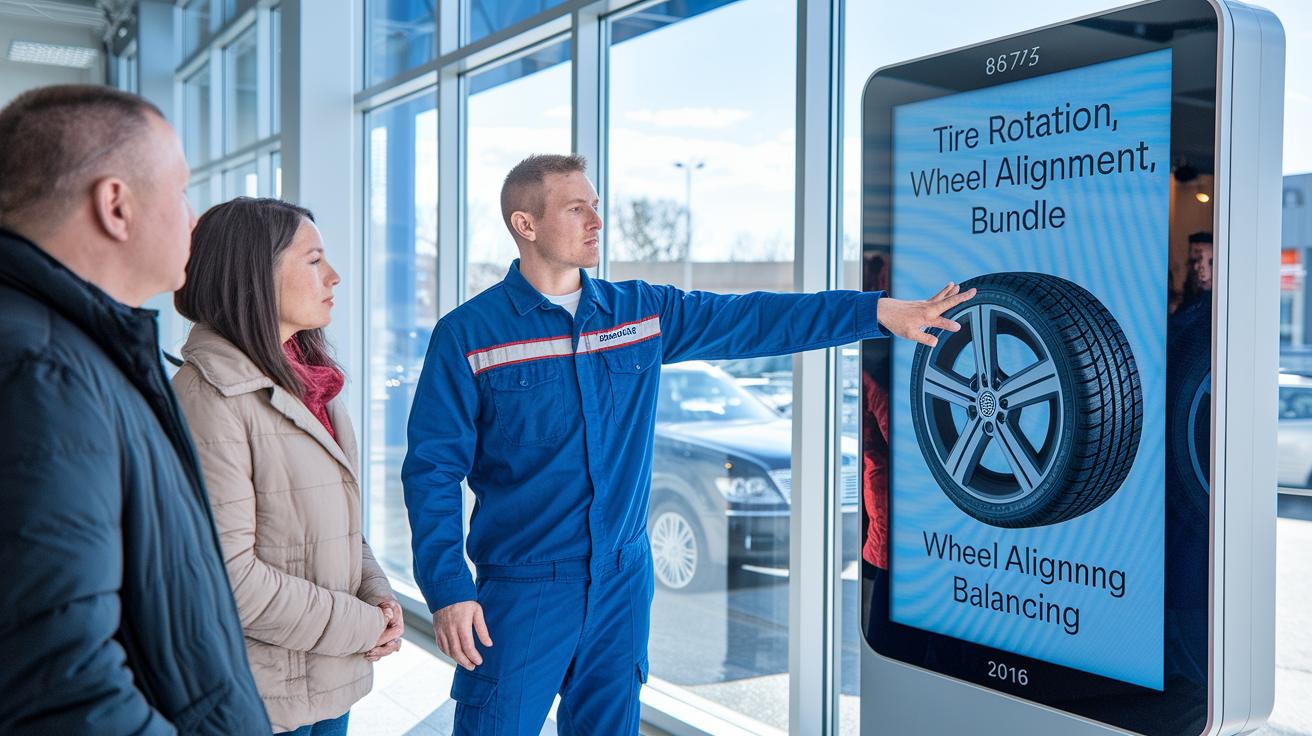
Planning your tire service around special offers is a smart move to keep your costs low. Many local shops offer seasonal discounts or bundle deals that combine services like tire rotation, wheel alignment (making sure your tires hit the road evenly), and balancing into one affordable package. When you time your visit during these promotions, you can save on labor fees and lower your overall expenses. It’s a bit like catching a sale at your favorite store, why pay more when you can get a bundle deal?
Grouping your tire services into one visit is another great way to save money. Instead of making separate trips, try setting up an appointment where you rotate your tires and also get an alignment and balance check done at the same time. This not only cuts down on the number of trips to the shop but also slashes extra labor costs that come with separate services. And sometimes, bundling these services unlocks special deals, like the ones you might find at a link such as https://unionno.com?p=2841. It’s all about making your maintenance budget work smarter for you, so you can drive safe and smooth every time you hit the road.
DIY Emergency Tire Repair on a Tight Budget

When you get a sudden flat, it can really throw you off. But a small plug kit with a sealant (that’s the stuff that fills small holes, up to a quarter inch in size) can be a real lifesaver. These kits usually come with pre-cut plugs and a sealant can that stops air from escaping.
It’s pretty simple. First, clear out any debris from the puncture, then press the plug into the hole and let the sealant do its job. Once that’s done, grab a mini-air pump to refill the tire to the safe pressure your car needs. And don’t forget to keep your jack, lug wrench, and spare tire in top shape. This little bit of prep gives you extra confidence for any roadside emergency.
By handling this yourself, you dodge expensive towing fees and extra trips to the shop. But if the damage is too severe or the puncture is bigger than 1/4 inch, it’s best to get a professional mechanic to check your tire.
Tire Maintenance Checklist for Budget-Conscious Drivers
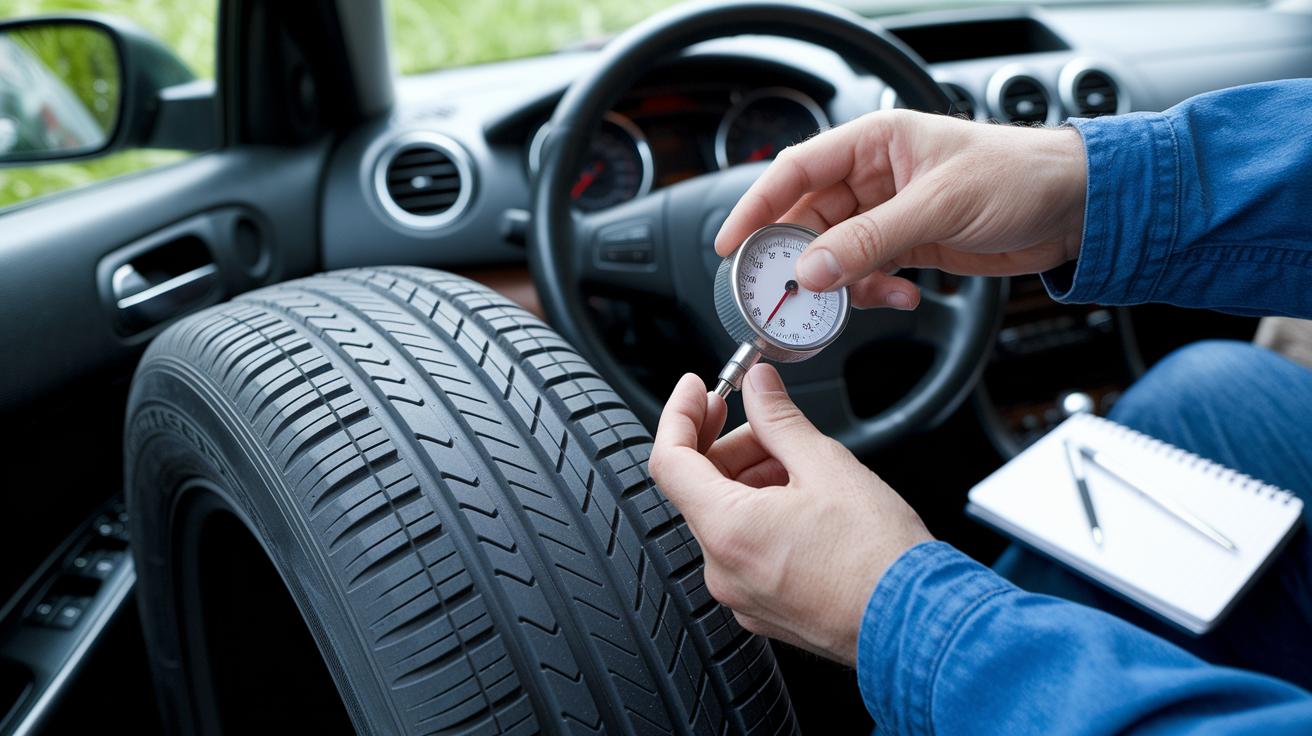
Keeping up with your tire routine is like giving your car a little checkup that helps save you money on repairs and fuel. It’s all about catching small issues before they become big problems. Use the table below to see what to do and when.
| Task | Frequency |
|---|---|
| Pressure check | Monthly |
| Tread-depth test | Monthly |
| Visual inspection for damage | Monthly |
| Sidewall inspection (check for cracks or bulges) | Monthly |
| Tire rotation | Every 5,000–8,000 miles |
| Wheel alignment | Every 12,000 miles or as needed |
| Tire balancing | With each rotation or when vibrations occur |
Watching your tires closely does more than save you from pricey fixes. Imagine finding a small leak before it turns into a big bill, it also helps your car use fuel more efficiently. If you spot uneven wear, it might mean a quick visit for balancing or an alignment check could really help.
For more tips and detailed steps, feel free to visit our tire maintenance checklist resource.
Final Words
In the action, you’ve seen practical steps like monthly pressure checks, regular rotations, tread exams, and seasonal care. Each tip helps keep your drive safe and saves money without compromising performance.
By following these cost-effective tire care tips, you make smart choices that protect your tires while keeping service bills low. Keep it simple, stay proactive, and enjoy the smooth ride ahead.
FAQ
Cost effective tire care tips pdf
The cost effective tire care tips pdf offers a downloadable guide that breaks down simple steps to keep your tires in excellent condition while saving money.
Tire maintenance checklist
The tire maintenance checklist is a helpful guide that lists key tasks like checking pressure, inspecting tread depth, and rotating tires regularly to keep your tires performing well.
Tire care products
The tire care products available include cleaners, protectants, and repair kits that help maintain tire appearance and durability throughout their life.
Tire maintenance on dashboard
The tire maintenance on dashboard means your car displays alerts or indicators that remind you to check tire pressure and overall tire health for safe driving.
Tire maintenance meaning
The tire maintenance meaning is the regular care of your tires, including checks on pressure, tread, and alignment, to ensure safety and prolong tire life.
Tire care near me
The tire care near me search helps you find local service centers that offer essential tire services like rotations, repairs, and balancing at competitive prices.
Discount Tire
The Discount Tire refers to a well-known retailer offering a range of tire products and services at affordable prices, making quality tire care accessible for many drivers.
What are the most commonly used tire rotation methods
The most commonly used tire rotation methods include front-to-rear, side-to-side, and cross patterns, which help ensure even wear and extend tire longevity.
What is the 25 cent trick on tires?
The 25 cent trick on tires involves using a coin to check tread depth; if the coin shows too much, it may signal that your tires need replacement.
What is the 3% tire rule?
The 3% tire rule suggests that for every 1% drop in tire tread, traction may decline by roughly 3%, guiding you on when it might be time to consider new tires.
Does filling nitrogen in tires really help?
The use of nitrogen in tires helps maintain a more stable tire pressure over time, which can improve fuel efficiency and reduce uneven wear under the right conditions.
What is the 7 7 rule for tires?
The 7 7 rule for tires advises checking your tire pressure and condition every 7 days and after 7,000 miles, offering a straightforward routine for regular tire care.

