

Ever wondered if your sport tires really live up to the hype? Tire reviews show you how well they grip wet roads, stop quickly, and handle high heat (that means they don’t wear out fast when things heat up).
Think of those numbers like a trusty watch. They give you clear hints about what your tires can do, almost like a sneak peek into their performance.
In this guide, we break down six key numbers so you can pick the best tire for your ride. Knowing these details makes you a smarter, safer driver every time you hit the road.
Core Performance Metrics in Sport Tire Reviews
Numbers help us really see how each sport tire performs. They show you whether a tire holds a wet road well or can stop quickly when you need it. Think of checking a tire’s stats like checking your watch before a race. These clear numbers take the guesswork out and guide you to the best tire for your ride.
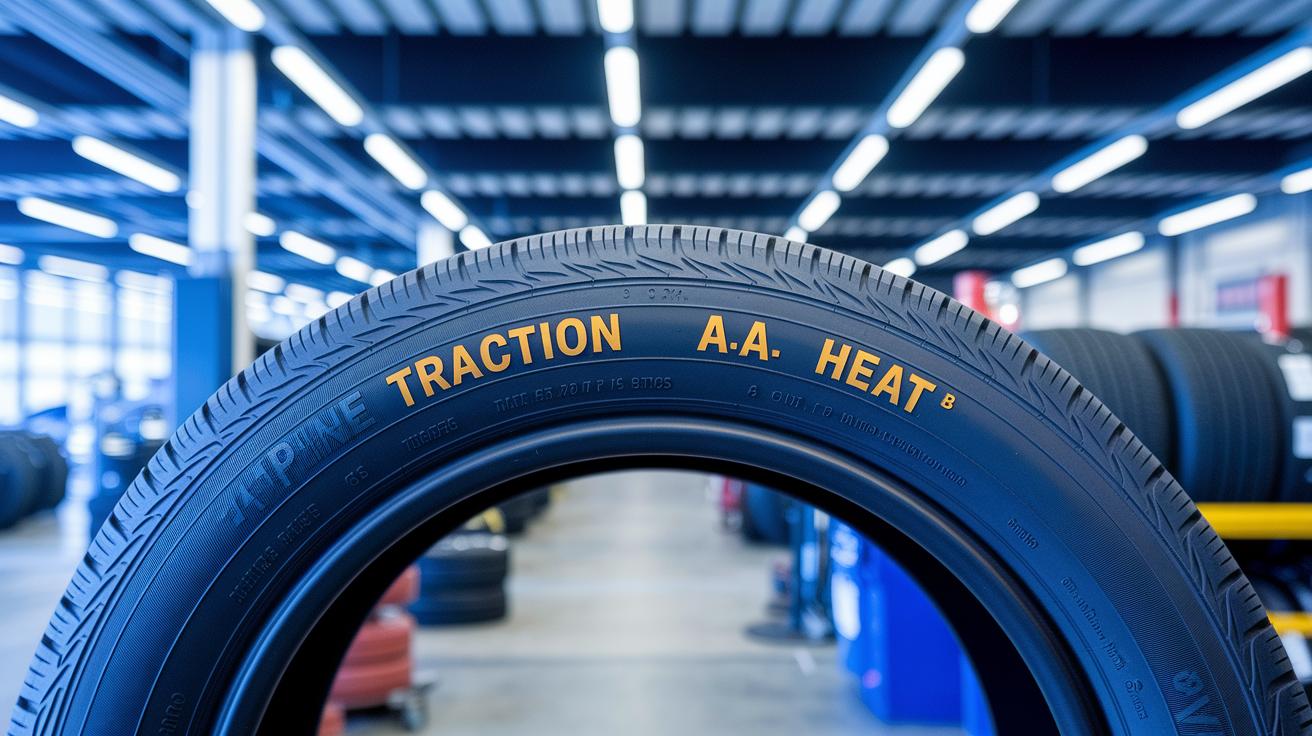
UTQG ratings play a big role here. They assess both grip and heat performance. For example, the traction value test directly links to its UTQG grade (AA, A, B, C), while a similar system scores how well a tire handles heat. Speed ratings, like H for around 130 mph or V for about 149 mph, along with load indexes like 91 (meaning it can carry roughly 615 kg), complete the picture. These codes give you a solid idea of what the tire can handle even in tough conditions.
Here are six key numbers we check when reviewing sport tires:
- Traction value test – Tells you how well the tire stops and grips on wet surfaces.
- Braking distance inspection – Measures how far the tire rolls before stopping from high speed (60-0 mph).
- Cornering agility audit – Looks at side-to-side stability using skidpad G-force (a reading of the force felt in a turn).
- Heat endurance trial – Checks tire performance when it gets hot, up to 200°F.
- Wear pattern scrutiny – Examines how evenly the tread wears to guess how long the tire compound lasts.
- Lap duration appraisal – Times how long it takes to complete a set circuit to show the tire’s overall balance.
| Metric | Definition | Typical Range |
|---|---|---|
| Traction Value Test | Measures stopping power and wet grip, tied to UTQG traction ranking | AA to C |
| Braking Distance Inspection | Records stopping distance from high speed (60-0 mph) | Variable |
| Cornering Agility Audit | Assesses lateral stability using skidpad G-force readings | Design dependent |
| Heat Endurance Trial | Tests performance under sustained temperatures up to 200°F | A to C |
| Wear Pattern Scrutiny | Analyzes tread wear distribution to predict compound longevity | Subjective range |
| Lap Duration Appraisal | Times circuit completion to reveal overall balance | Track specific |
Interpreting Performance Metrics from Sport Tire Reviews

Standard codes help you compare sport tires easily and fairly. When each tire follows the same rating system, you get a clear look at how they perform. It’s like checking the tire’s grip or endurance without all the confusing extras. These codes work with simple explanations that turn tricky numbers into useful tips, so even if you’re new to this, you can understand what matters.
Look closely at the sidewall markings to get all the details. For example, you might see a number like 215 in millimeters that tells you the tire’s width, and an aspect ratio like 60% that shows the sidewall height compared to the tire’s width. The letter R tells you it’s built with a radial method (a common way to make tires). Next, the rim diameter, usually in inches like 17", tells you the right fit. A load index such as 91 means the tire can carry about 615 kg. Speed ratings, like L for 75 mph, set safe limits for driving. There are also UTQG codes that include treadwear (how fast the tire wears out), traction (the tire’s grip on the road), and temperature ratings, making it easier to know what to expect from your tire.
Temperature and Compound Effects on Sport Tire Performance Metrics

Heat can really change how sport tires behave when they're pushed to the limit. In simple tests, high temperatures (over 200°F) stress the tire's compound, the special mix of chemicals that makes up the tire. UTQG temperature ratings (A–C, which show how well the tire fights off heat) help guide these tests. Scientists also check how fast a tire wears out and how quickly it moves heat around. This tells us if the tire will hold its shape or soften too much during a hot drive. Meanwhile, tests in chilly conditions (below 32°F) make sure the rubber doesn’t get overly stiff, keeping the tires grippy even when it’s cold outside.
Hot Condition Durability Probe
To see how tires stand up to intense heat, experts run high-temperature trials. They use special gauges to watch the tire's reaction as it heats up, mixing UTQG temperature codes with hands-on observations. This hot condition durability probe carefully checks for any signs of cracking or the compound breaking down. In addition, tests that measure how fast the tire loses heat help spot any risks of early wear. These efforts ensure that even under heavy loads, the tires stay tough and keep a reliable grip.
Cold Weather Traction Performance
When the mercury drops, tires are put through cold weather tests to see how the compound responds. These checks determine if the rubber becomes too hard, which could hurt traction. By looking at how different polymer blends perform under frosty conditions, experts can tell if the tire will maintain its side-to-side stability. In essence, these tests help ensure that even in freezing weather, the tire remains balanced and safe to drive on.
Evaluating Endurance and Wear Metrics in Sport Tire Reviews
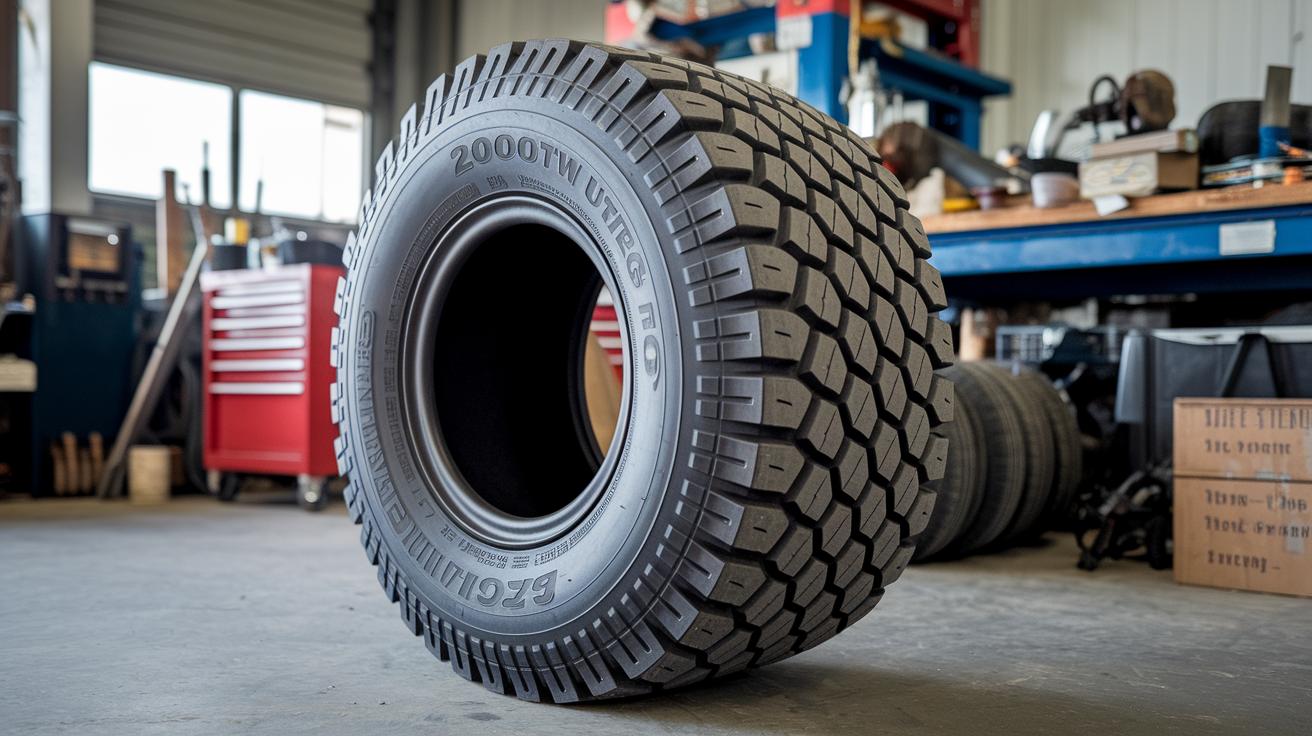
When you're checking out sport tires, you really need to see how long they can last and how quickly they wear down. Treadwear ratings, like 200tw or 300tw, give you a simple snapshot of how fast a tire might lose its grip (basically showing how quickly its surface wears out). These numbers, along with years of hands-on experience shared between drivers and makers, help you compare different models. It’s a balancing act between stellar track performance and being safe on everyday roads.
Now, let’s talk about UTQG ratings. UTQG stands for Uniform Tire Quality Grading, and it looks at three things: treadwear, traction, and temperature. These numbers aren’t strict rules but just a friendly guide to help you gauge a tire’s life and performance. Some experts say these ratings can be a bit iffy. For example, while a P1 tire might claim a 200tw rating, some insiders believe it could do even better, like the Hoosier R7 that sometimes exceeds its mark. Fun fact: Before all these strict rules were in place, tires used on public roads just had to meet DOT standards. Today, UTQG is a handy tool, but it’s not the final word.
Real-world wear tests add even more insight. These tests run tires over controlled mileage cycles, letting you see exactly how fast they wear. By looking at both the ratings and these test results, you get a clearer picture of a tire’s true durability and how it might stand up over time.
Comparing Sport Tire Reviews Through Performance Metrics

Let’s dive into what really counts when comparing tires in everyday driving. Instead of going over the basics again, think about how a small tweak in a tire’s stiffness (how firm it is when turning) versus its agility (how quickly it can change direction) can change your ride. For example, a tire that’s stiffer can make you feel more stable at high speeds, but one with extra agility helps you navigate tight turns better. One test driver even found that a tire with a bit less stiffness but more nimbleness cut two seconds off his lap time. Wow, every little detail really does matter.
Studies and real-world tests show that drivers look at things like lap times and the size of the tire’s contact patch (the area touching the road) based on what they need. One driver, curious about track performance, focused on how well a tire held its shape under pressure. Another, who mostly drives around town, chose a tire that stayed grippy on everyday roads by checking how sensitive it was to load changes.
To make it easier for you, here’s a simple chart to compare the key details:
| Metric | What It Tells You |
|---|---|
| Lap Time | How fast the tire performs on a track |
| Contact Patch Size | The area of the tire that touches the road |
| Cornering Stiffness | How steady the tire feels at high speeds |
| Cornering Agility | How quickly the tire can change direction |
Use this approach to find the right tire for your needs, whether you’re chasing track thrills or enjoying a smooth ride on your daily route.
Final Words
In the action, we explored sport tire tests that show grip, braking, cornering, heat, lap time, and wear. Each metric, from UTQG ratings to real-world trials, helps break down what makes a tire work best on the road. Decoding performance metrics in sport tire reviews gives you a clear picture of each tire's strengths. This guide leaves you ready to match the right tire with your driving style. Ride off with confidence, knowing you have the details to keep you safe on the road.

