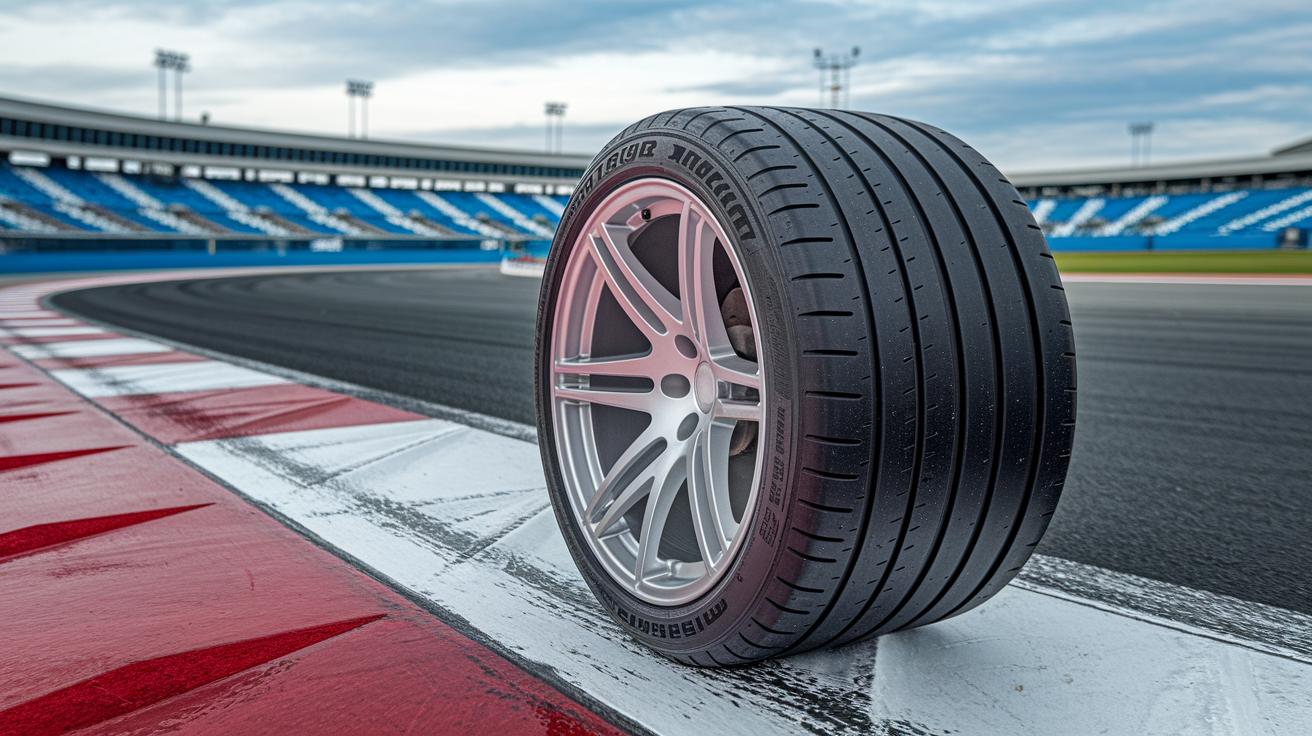


Ever thought about how your tires might change your drive? Imagine choosing between a tire that gives you a sporty boost and one that lets you glide along on a regular day. High performance tires are made to handle fast speeds and sharp stops (that means they grip the road tightly), while standard tires are built for a smooth, everyday ride.
In this article, we'll chat about tire speed ratings and how different designs can affect your car's feel on the road. It’s like choosing between a quick sprint and a relaxed cruise. We'll break it all down so you can decide which tires work best for how you drive.
Performance and Speed Rating Contrasts in High Performance vs Standard Tires

Tire speed ratings help you pick the right tire for your ride. High performance tires usually get ratings like W, Y, or Z. These letters tell us that the tire is built to keep a firm grip even at high speeds, thanks to special rubber mixes and a unique design. On the other hand, standard all-season tires have ratings such as S, T, or H. These tires focus more on day-to-day safety rather than pushing the limits on the highway.
High performance tires really shine when you talk about quick acceleration and fast stops. Their special design means they help your car start moving faster and slow down more quickly. It’s a bit like having a car with a turbo boost, where every pedal press feels responsive and lively. Meanwhile, standard tires are reliable and steady for daily driving, giving you a calm and predictable feel behind the wheel.
When you’re out on the road, the difference in tire speed ratings can change your driving experience. Imagine cruising on a wide highway versus taking a more spirited drive on twisty roads. High performance tires add a sense of excitement, almost as if your car is greeting every curve with a confident smile. Yet, for everyday living, you might not need that extra kick. Knowing the differences helps you decide what mix of safety and fun you really want.
For those who appreciate both a safe journey and a bit of thrill, picking the right tire is a big part of making your ride just right. It’s all about matching your tires to your driving style, whether you’re heading to work or enjoying a fast, scenic drive.
Structural Materials and Engineering Differences in High Performance vs Standard Tires

High performance tires are built with a special blend of materials that give them a firm, responsive feel. They mix lots of silica (which helps the tire grip better) with polymer blends and tough belting layers to boost stiffness and heat tolerance. It's like the tire is ready to spring into action at every push of the pedal. The extra belts work much like the strong beams in a building, they keep things steady, especially when you take a tight turn. Engineers treat these mixes much like a chef chooses the perfect ingredients, making sure every drive feels safe and confident.
Standard tires, on the other hand, use rubber compounds made to wear evenly and keep production costs low. They are designed to handle everyday road trips and offer a smooth, comfortable ride. Their sidewalls are built in a simpler way, which focuses on making the ride easy rather than aggressive cornering. Meanwhile, high performance tires sport advanced radial ply designs that give extra side support, helping the tire hold its ground when you're taking corners sharply. In truth, this shows how each tire is made for a different kind of ride, whether you’re cruising around town or pushing the limits on a fast track.
Tread Design and Grip Dynamics in High Performance vs Standard Tires
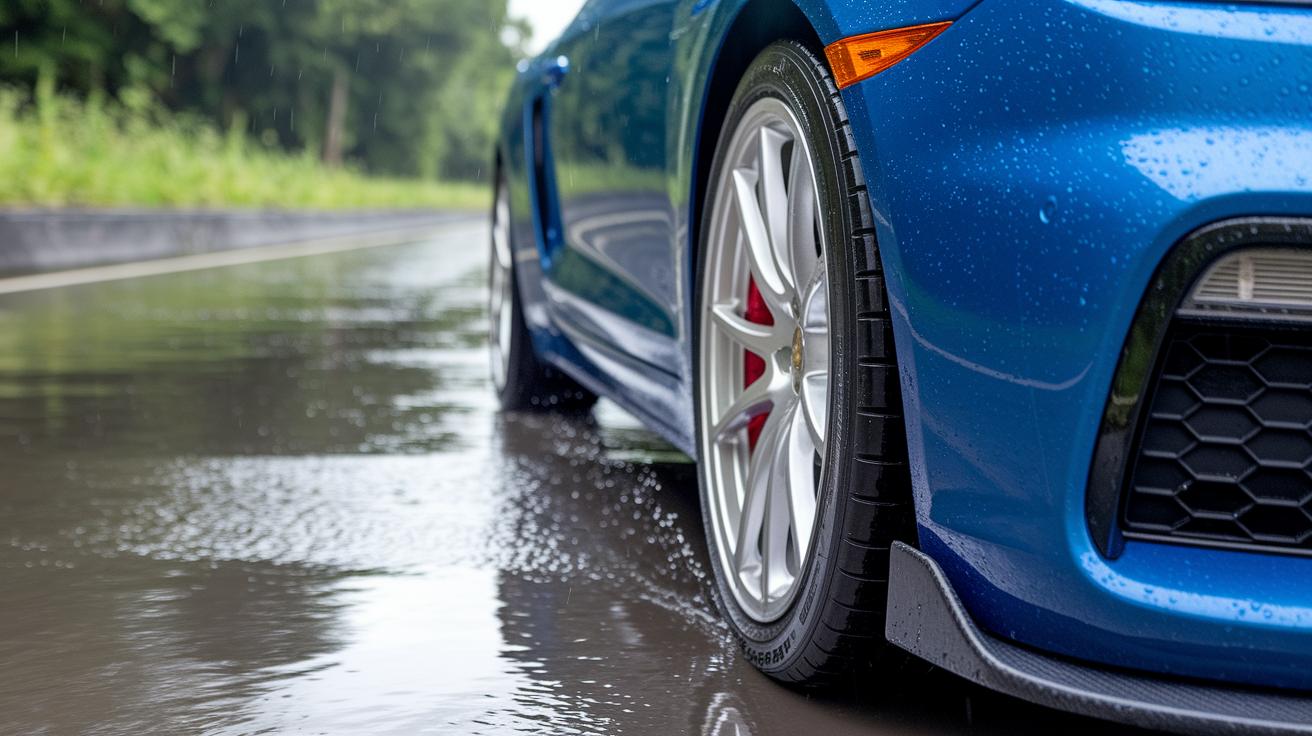
High performance tires are built to give your car a solid grip on the road when you need it most. They use clever designs like one-way (directional) or mixed (asymmetric) tread patterns. Think of the wide side grooves with tiny cuts that help push water aside during a downpour so the tire stays surefooted. Meanwhile, regular tires stick to a balanced (symmetric) pattern that wears more evenly and keeps the ride whisper-quiet.
On dry roads, these high performance tires show a friction level of about 0.8 (that’s a measure of how much grip the tire can hold). Regular tires usually hit around 0.6, meaning they focus more on lasting a long time and keeping the cabin peaceful. So, if you’re after a bit more snap and responsiveness when you take on twisty roads, high performance tires have you covered, while standard options give you steady, long-lasting comfort.
| Condition | High Performance Rating | Standard Rating |
|---|---|---|
| Wet traction μ | 0.75 | 0.65 |
| Dry traction μ | 0.8 | 0.6 |
The numbers in the table show that high performance tires usually grab the road better in both wet and dry conditions. This difference really shapes how your car reacts, whether you’re navigating a rainy street or flooring it on a dry course. It’s all about matching the tire to your driving needs.
Cornering Stability and Agility Performance in High Performance vs Standard Tires

Testing shows that high performance tires let your car start turning sooner by cutting the turn-in radius by up to 5% compared to normal tires. That small difference means your car reacts faster as you enter a bend, giving you a more responsive feel right off the bat. It’s like your car has a little extra boost of confidence when you grip the wheel.
High performance tires also stand out when it comes to side-to-side firmness (lateral stiffness). In tests, these tires can handle a cornering force of about 0.9g, while standard tires manage roughly 0.7g. This extra firmness helps keep your car steady, especially when you’re turning fast. The tougher sidewalls reduce tire bending under pressure, which means you get tighter, more precise control whether you’re diving into a curve or coming out quickly.
Drivers often say that high performance tires give a snappy steering feedback. Every small turn of the wheel gives you a quick, clear response, so you really feel what the tire is doing on the road. Standard tires, on the other hand, tend to offer a softer ride that some folks might find a bit too gentle, especially when driving on twisty roads.
Longevity and Wear Rate Comparison of High Performance vs Standard Tires

When you drive hard with high performance tires, you can expect them to last about 10,000 to 15,000 miles. Standard all-season tires, on the other hand, are built to stick around longer, typically between 40,000 and 60,000 miles. This happens because of the different rubber compounds used in each type. High performance tires use special blends that give you a quick grip and fast response but wear out faster, roughly 0.05 mm every 1,000 miles (mm per 1,000 miles means the tire’s surface wears away at that rate). Regular tires use compounds meant to wear evenly, averaging about 0.02 mm per 1,000 miles.
Taking care of your tires can boost their life by about 5 to 10%. Regular tire rotations and alignment checks help spread out the wear, reducing early damage. Keeping the tires inflated to the right pressure is also crucial, it stops uneven wear and helps your tires last longer. These simple maintenance habits matter whether you’re taking a sharp turn or just cruising through town.
- periodic rotation schedule
- alignment checks
- correct inflation
- tread depth inspections
Cost and Economic Impact of High Performance vs Standard Tires
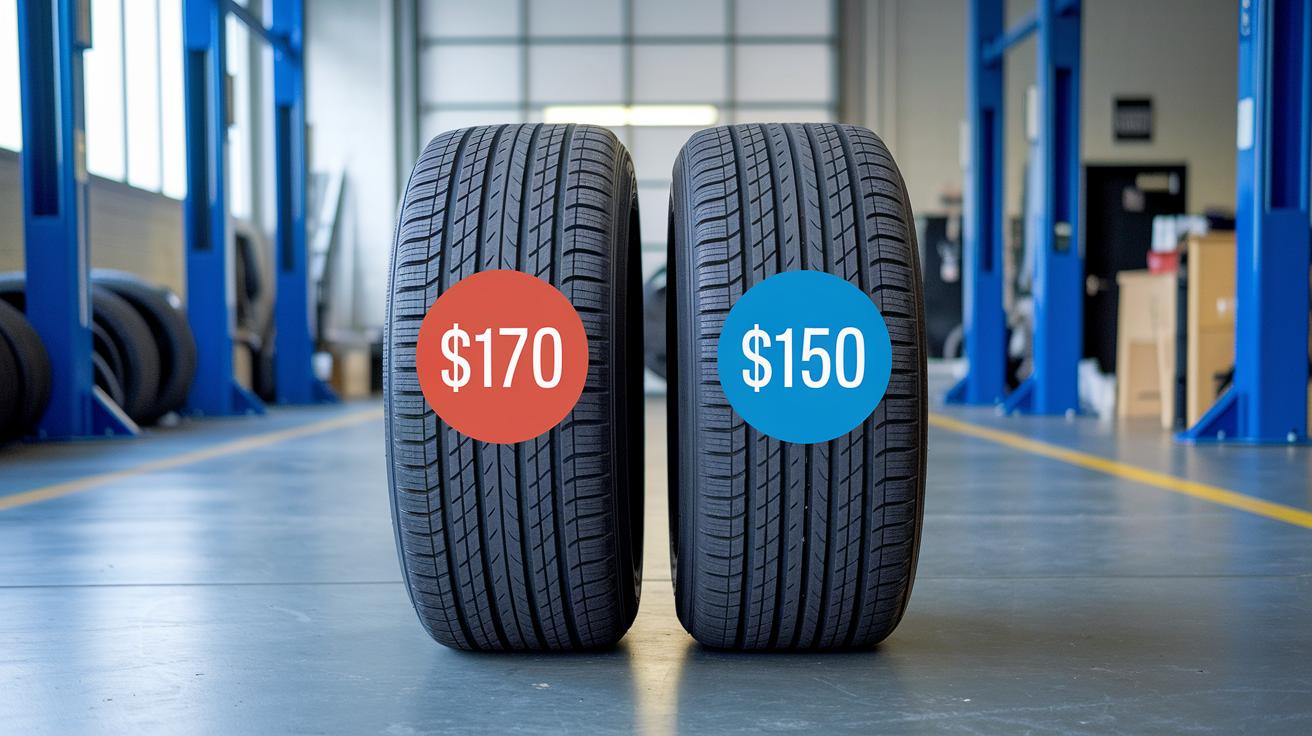
When you shop for tires, high performance ones usually cost between $150 and $300 each, while standard tires are more like $70 to $150. You might also notice that high performance tires come with warranties that match their advanced build, even though those warranties might not last as long. They help balance the higher price by giving you some peace of mind about quality and performance.
Over time, the way a tire rolls (that is, how much friction it has against the road) can really change your fuel economy. With high performance tires, you might lose about 0.5 miles per gallon compared to standard ones, which tend to be a bit friendlier on your fuel tank during everyday driving. So, it’s smart to think about both the buying cost and how each tire might affect your fuel bills and regular maintenance over time.
Decision Criteria for Selecting High Performance or Standard Tires

When you’re choosing tires, think of it like picking the right gear for different rides. Are you commuting through busy streets every day or craving the thrill of sharp turns on twisty roads? If you drive a sporty car, high performance tires might be your best bet. They offer quicker steering response, tighter grip (the way your tires hold the road), and a speed rating that makes every turn feel lively, kind of like getting an extra boost when you hit that curve.
Now, if you mostly cruise in a family sedan through sunny, dry days or rainy winters, standard tires could be the way to go. These tires are built for steady tread (that's the layer that wears down little by little) and a quieter ride, plus they generally last longer. It’s a bit like comparing a list of car features, speed, durability, and cost, to see which fits your style best. Ever notice how understanding these details makes the journey smoother? It’s all about matching the tire to your unique driving mix.
Final Words
In the action, we've explored how tire speed ratings, compound choices, tread designs, and sidewall structures shape the grip and handling feel of each option. We broke down the real-world effects, like quicker braking and steering in performance tires compared to everyday safety with standard options. These differences between high performance and standard tires help guide you to a pick that fits your driving style. Choosing the right tire means enjoying a confident ride with safety always in mind.

