

Ever wondered if spending a bit more on new tires might really boost your safety? New tires can make your ride smoother and feel more secure. They come with fresh tread (the part that touches the road) and a promise of reliable performance with a warranty to back it up.
But used tires might seem like a good way to save money at first, even though they could have hidden damage that might leave you stranded later. In this post, we take a clear look at the differences so you can choose the tires that keep you feeling confident every time you drive.
Core Differences When Mounting New vs Used Tires
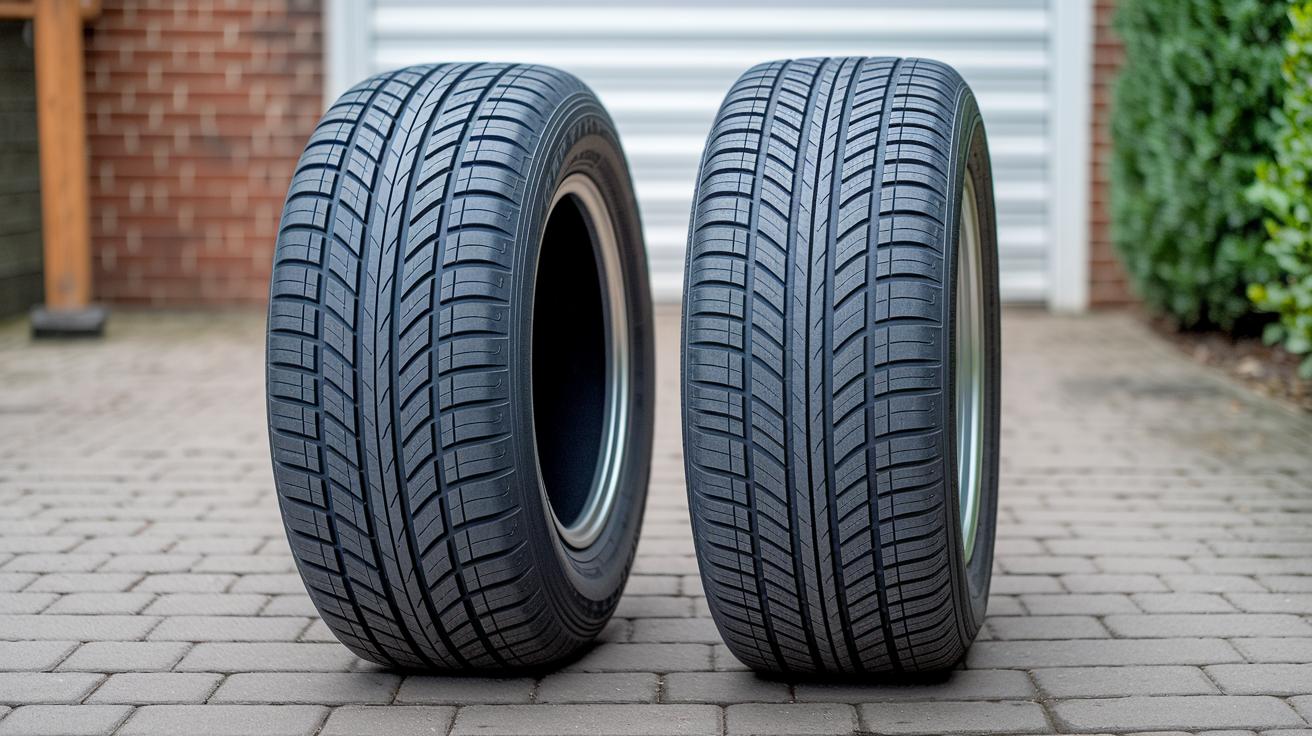
When you mount tires, it really affects how safely and smoothly you drive. New tires come with a fresh tread (the part that touches the road) and include warranties from the maker to cover any defects. They give you a steady grip on both wet and dry roads, lowering the chance of skidding or losing control.
On the flip side, used tires are easier on your wallet initially, but they might show uneven wear or hidden damage that can impact your safety. Below, you'll find six key factors to help you decide which option best suits your needs.
| Factor | New Tires | Used Tires |
|---|---|---|
| Cost | Higher upfront cost but longer lasting, which can mean savings in the long run | Cheaper initially, but may lead to earlier replacement costs |
| Safety | Designed to meet modern safety standards, offering improved braking and handling | Risk of hidden defects or reduced tread can affect grip and safety |
| Durability | Starts with full, even tread for predictable wear | Often shows wear that can shorten its lifespan |
| Performance | Delivers consistent performance, especially with water channeling on wet roads | May struggle for traction in rainy conditions |
| Warranty | Comes with manufacturer warranties covering defects and wear | No warranty, which shifts the risk to you |
| Risks | Lower risk thanks to controlled quality and reliable testing | Higher chance of unplanned issues that might require repairs |
In short, new tires give you that extra control and stability, which is key when safety is a top priority. Used tires can work for everyday driving, but you'll want to check them really carefully before you commit.
Cost Factors in Mounting New Versus Used Tires
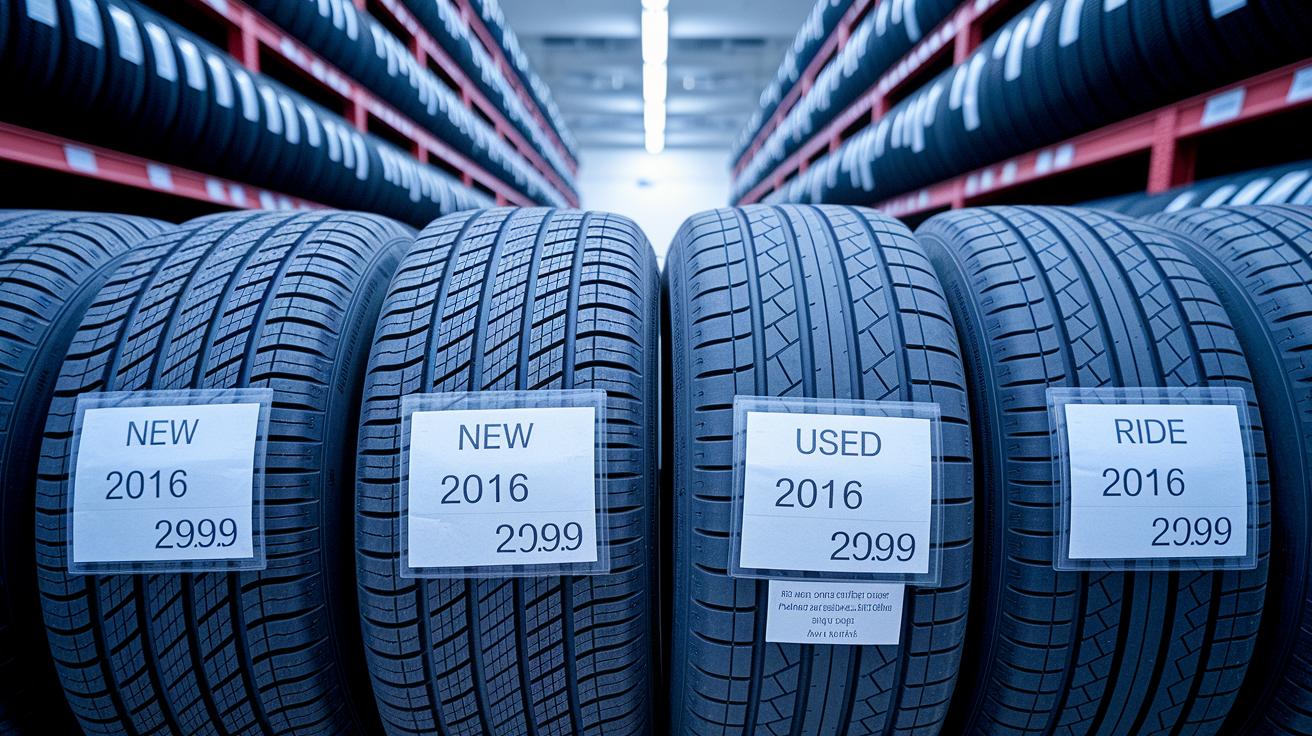
The price differences between new and used tires go beyond just the sticker cost. New tires often cost more at first, but they work well for a long time, kind of like a reliable appliance that keeps running smoothly. Used tires may seem like a good deal at the start, but they might require extra checks or quick fixes down the road.
Here's a closer look at what you might spend:
• Purchase price: New tires cost a bit more because they come with fresh tread (the part that touches the road) and modern design. Used tires are usually cheaper upfront.
• Installation work: Mounting new tires follows a simple, standard process. On the other hand, used tires can need extra inspection or minor repairs during installation.
• Replacement frequency: New tires wear evenly, which means you might not need to change them often. Used tires, however, can wear out quicker.
• Long-term value: Because new tires need fewer check-ups and replacements, they might save you money over time despite the higher initial cost.
Thinking over these points can help you decide which option works best for your budget and driving needs.
Safety and Performance Considerations for New vs Used Tire Mounting

When you choose new tires, they follow today’s safety rules and give you strong stopping power, easy handling, and solid stability. Their deep tread helps push water away (cutting the risk of hydroplaning on wet roads), while the fresh rubber grips dry pavement and curves like a trusty, sturdy pair of boots.
Used tires, however, might hide damage or uneven wear that can hurt performance on the road. Without a warranty, problems with grip may only show up when you’re already on the move, leading to uneven handling or a sudden drop in braking power. This means you might face unexpected costs or need to be extra careful every time you drive.
Tread Depth and Durability in Mounting New vs Used Tires

New tires come with a fresh, even tread that wears down in a steady, predictable way. This results in reliable grip on both wet and dry roads. For all the details, check out the table in the Core Differences section.
Used tires, on the other hand, can show uneven wear. That irregular pattern may lead to a bumpy ride and less stable handling. Because of this, you might have to replace them sooner. The Safety and Performance Considerations section explains how these variations can affect your tire's grip and overall performance.
Warranty and Reliability: Mounting New Tires vs Used Tires
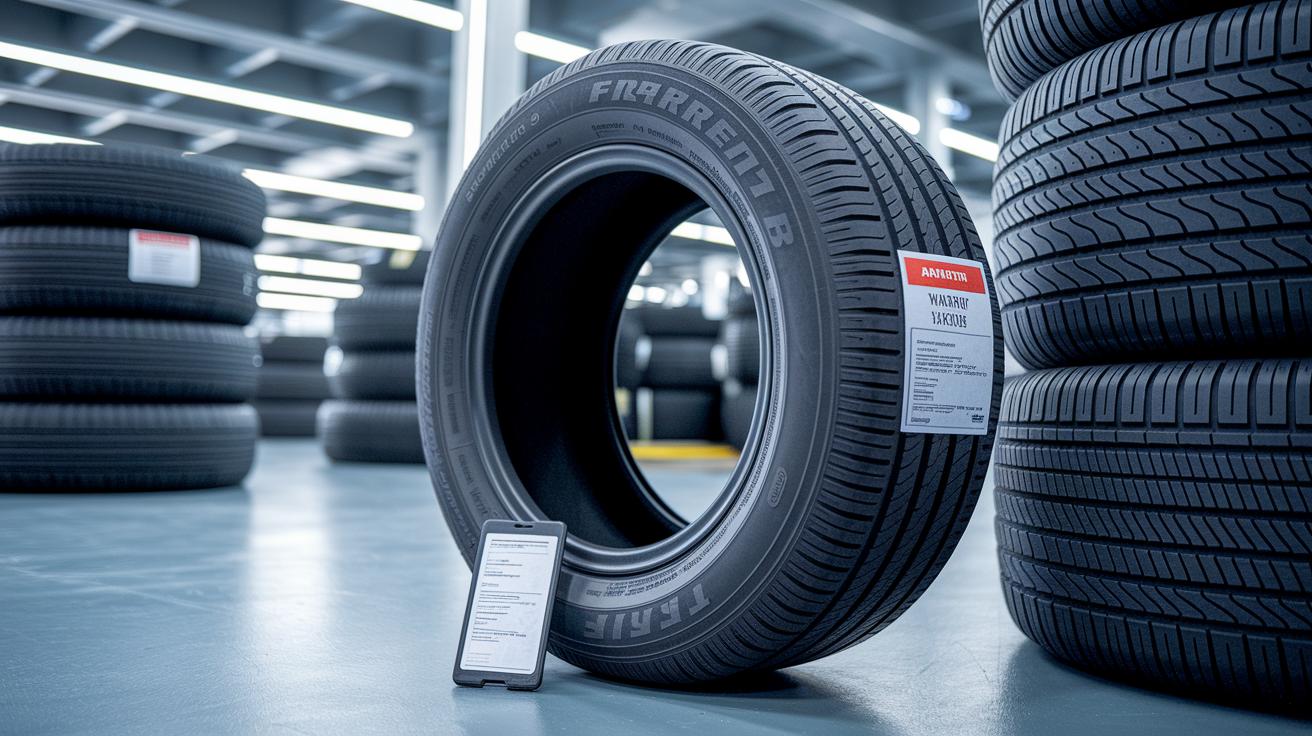
New tires come with detailed manufacturer warranties that cover defects and early wear for a set number of miles or time. They go through standard lab tests (these are formal checks to ensure safety and consistency) that are a lot like a thorough engine check-up. This means every aspect of the tire is carefully measured so you can feel secure before hitting the road.
Used tires, however, don’t usually offer these guarantees. There’s no official warranty or detailed record of safety tests, which leaves room for hidden issues like internal damage or uneven wear. Imagine you put on a used tire and later discover it wasn’t as solid as it looked, leading to unexpected repair costs.
Best Practices for Mounting New and Used Tires

Mounting New Tires
When you're putting on fresh tires, getting the installation right really makes a difference. New tires usually need the wheel nuts tightened to a force between 80 and 100 ft-lbs (that’s a fancy way of saying the right amount of tightness based on your car’s guide). This careful tightening helps stop the wheel from loosening and makes sure the tire wears out evenly. Plus, getting the correct tire pressure boosts performance and makes for a smoother ride. It’s also a good idea to mount new tires on the rear axle because their deep grooves help channel water away, giving you better grip on wet roads.
Also, check that the wheels are properly aligned and take a look at the valve stem (the little rubber tip on the tire) to make sure it’s in tip-top shape. Balancing new tires so they spin evenly not only helps with smooth braking, but also improves cornering. A quick check of your tools and alignment settings goes a long way toward keeping your drive trouble-free.
Mounting Used Tires
When it comes to used tires, a careful look over is essential before you mount them. Take a good look at the sidewalls, belts, and the overall tread to spot any cuts or signs of damage. Even a small mark can hint at problems later, so it’s best to be thorough with your visual check. This simple step can save you from unexpected issues on the road.
After the inspection, follow the specific pressure guidelines for older tires because they might need a little extra attention due to age-related wear. When balancing used tires, watch for any uneven wear patterns; a bit of extra care during this process can help reduce vibrations and prevent uneven tire wear. Regularly checking the alignment and making sure the valve stem is working well all add up to a safer drive.
Recommendations by Vehicle Type and Driving Scenario for Mounting New vs Used Tires

If you drive a performance car or a family vehicle, especially one that whizzes down highways or faces wet roads, new tires are your best bet. They come with fresh, full tread (those are the grooves that grip the road) and smart water channeling to help prevent skidding in heavy rain. Whether you're behind the wheel of a sporty model or chauffeuring the family through tricky weather, new tires boost your braking and handling, keeping your ride safe and smooth. And with those neat manufacturer warranties, you know you’re covered for every mile.
For everyday cars or older models with light use, used tires can be a solid choice, if you check them thoroughly first. They’re often easier on the wallet and even make up about 10% of the U.S. market. Just be sure to double-check the tread and any signs of hidden damage to avoid surprises on your regular drives. A careful look ensures your tires perform safely for everyday cruising.
Risks and Prevention Techniques When Mounting Used Tires

Used tires might hide problems like cuts in the sidewall, loose belts (that extra layer of metal inside helps the tire hold its shape), punctures, or uneven wear that only shows up when the tire is working hard. A Consumer Reports study in April 2013 warned that older tires can look okay until a hidden issue turns into a hazard, like shallow tread that makes you more likely to hydroplane on wet roads.
Before you install any used tire, check the tread depth. Run an air leak test, one easy way is to spread soapy water on the tire and watch for bubbles that show air escaping. Also, examine the sidewalls and belts under bright light in a clean spot so you don’t miss any small damage. It’s like glancing at your fuel gauge before a trip, a few simple checks can really boost your safety on the road.
Final Words
In the action, we compared mounting methods, cost, safety, and durability for new versus used tires. We broke down how fresh tires offer full tread depth, manufacturer warranties, and reliable performance, while used tires might cut upfront costs but could hide wear and damage.
Considering these differences between mounting new and used tires can help steer you toward a safer tire selection that meets your driving needs. Enjoy the ride knowing you’ve got the insights to keep your vehicle running smoothly.
FAQ
Q: What is tire mounting and balancing?
A: The tire mounting and balancing means installing the tire on the wheel and using a machine to adjust weight distribution so the tire spins evenly.
Q: What is the difference between mounting and installing tires?
A: The mounting process focuses on placing the tire on the wheel, while installing covers fitting the tire and wheel onto the vehicle along with necessary checks.
Q: How do tire mounting and balancing costs differ?
A: The cost for tire mounting includes labor and machine fees and can vary depending on tire condition. New tires typically cost more upfront while used tires may incur additional inspection charges.
Q: Is it better to get new or used tires?
A: New tires offer full tread depth, improved safety features, and warranties, whereas used tires are less expensive but might have uneven wear or hidden damage that affects performance.
Q: What does the 3% rule for tires mean?
A: The 3% rule for tires suggests that if a tire’s tread wears down by more than 3% of its original depth, it may need replacement to maintain safe driving performance.
Q: What is the difference between tire balancing and wheel alignment?
A: Tire balancing adjusts the even distribution of weight around the tire and wheel, while wheel alignment sets the angles of the tires to ensure the vehicle drives straight and wears tires evenly.
Q: Are used tires acceptable for my car?
A: Used tires can work well if they are thoroughly inspected for damage and wear; however, new tires generally offer improved safety, performance, and warranty protection.
Q: How can I find affordable tire-related services or used tires?
A: Local auto shops, online marketplaces, and service centers are good options to explore affordable tire mounting, balancing, and used tire purchases by checking reviews and service ratings.
Q: What is a tire mounting machine?
A: A tire mounting machine is a tool designed to help remove tires from and install them onto wheel rims safely and efficiently, ensuring proper seating and balance.

