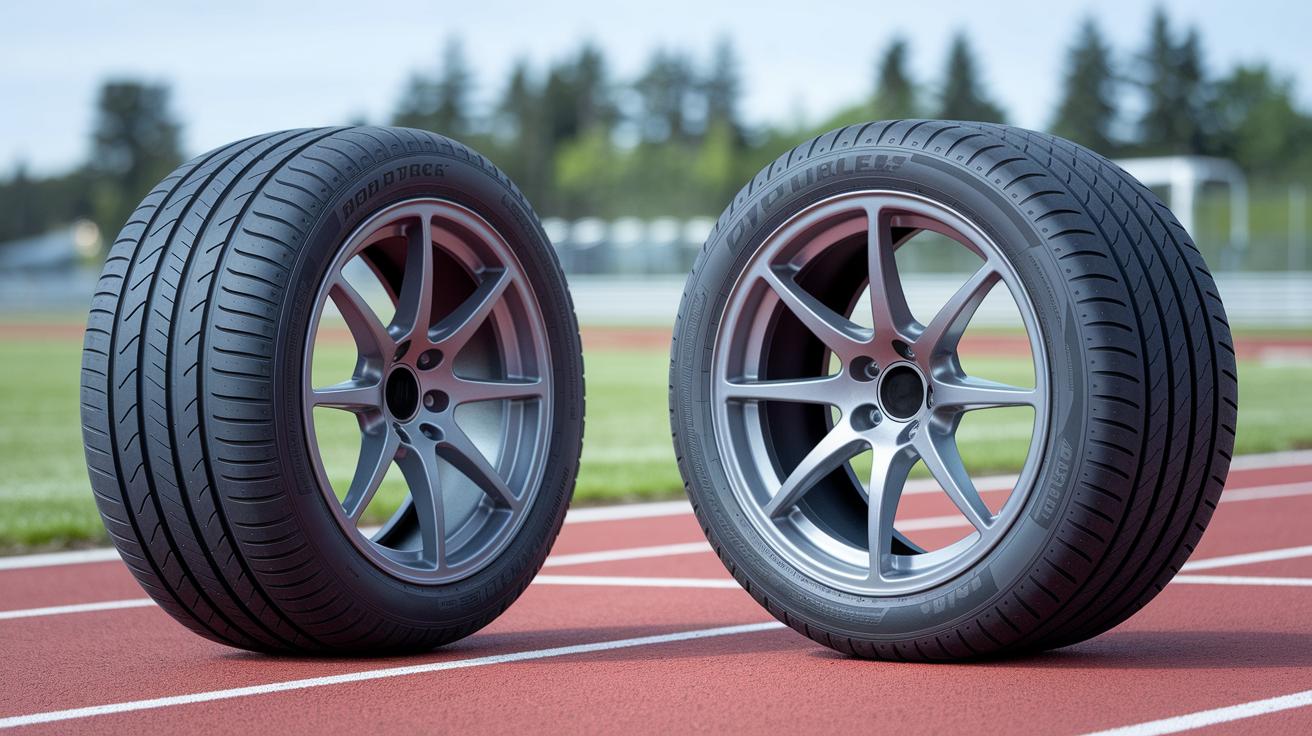


Ever wonder if a tire can give you both a sure grip and long-lasting strength? Tire makers deal with that challenge every day. They mix softer rubber (the kind that hugs the road in tight curves) with tougher compounds (which help resist wear) to get the best of both worlds. In this post, we take a close look at how they balance these choices, helping you know what really matters when picking the perfect tire for your ride.
Balancing Durability vs Grip in Sport Tires
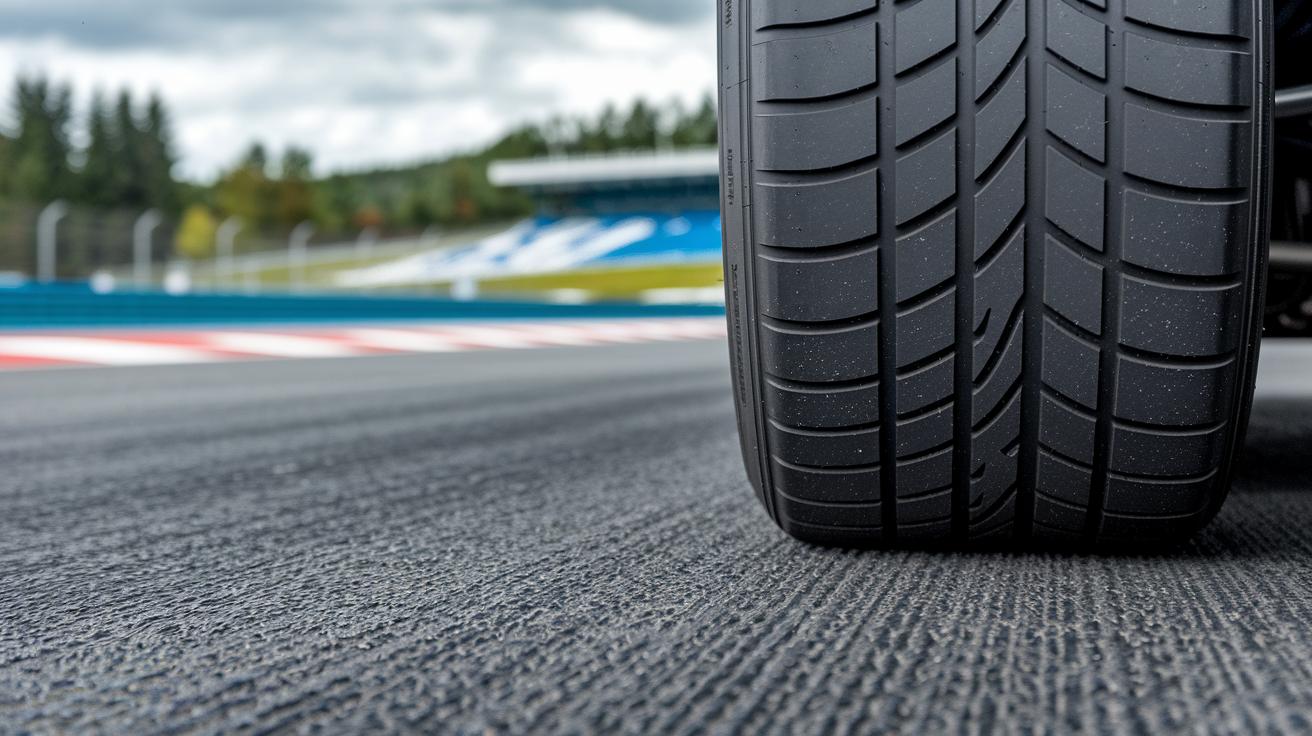
Grip is what keeps your tires from slipping off the road. It comes from the small part of the tire that touches the ground, giving you that secure, confident feel when you drive. Softer rubber compounds help boost this grip (they make the tire stick better), which is key when you're taking fast turns.
Durability, on the other hand, is about how long your tire will last. Think of treadwear ratings as the tire's lifespan indicator; for example, a tire with a rating of 200 should last roughly twice as long as one with a rating of 100, assuming everything is just right.
Designers of sport tires work hard to get the balance right. They often pick softer rubber for quick, responsive turns, but then mix in harder materials to make the tire last longer and even help with fuel economy. They also pay close attention to details like the tread pattern, sidewall firmness, how well the tire handles heat, and even keeping the tire light (which helps with overall performance).
In everyday driving, you'll really notice this balancing act. Picture a tire that feels tight and responsive when you turn corners yet can handle daily wear and tear. The trick is tweaking the softness of the rubber to give the best grip and reinforcing it with tougher materials to make it last. Even if you push your car a bit harder, this blend of materials ensures your tires keep giving you that steady grip along with lasting durability.
Compound and Material Dynamics in Sport Tire Durability vs Grip
Polymer hardness, filler content, and tackifiers all shape how well a tire grips the road and how long it lasts. Tire designers mix different rubber compounds to find the right balance. Softer blends give you more grip, while tougher materials help the tire stick around longer. By adjusting the mix, engineers can change the friction level and boost the tire’s resistance to wear (abrasion) and heat. New polymer blends and high-energy additives even help the tire keep its grip as it warms up during track sessions.
Soft Compounds for Grip
Soft compounds usually score around 60A on a shore durometer (a tool that measures how soft or hard something is). They’re picked because they help the tire grab the road better. This extra grip is great for quick lane changes and tight turns, giving a noticeable boost in lap times when you switch from standard tires to these sticky sport compounds. But here’s the kicker: they heat up faster during high-speed drives, so you need to watch out for thermal buildup. For a deeper dive into how these compounds work their magic on the track, check out The Science Behind High Performance Tire Grip.
Hard Compounds for Durability
On the flip side, tougher compounds with readings around 70A to 80A are used for longer-lasting tires. These firmer mixes resist abrasion better and help extend the tire’s life, for example, they might last 15,000 miles instead of just 7,500 miles like softer ones. Their extra firmness also means less energy is wasted, which can even lead to better fuel efficiency. This makes them a smart choice for drivers who want tires that go the distance while still delivering steady performance.
Tread Pattern and Wear Resistance in Sport Tire Trade-Offs

Tread patterns make a huge difference in how your tires feel and perform on the road. The grooves and tiny cuts (siping) in a tire help push water away from where the tire meets the road, which lowers the chance of sliding when it rains. Plus, those small cuts add extra grip for quick turns and sudden stops, keeping you safe during high-speed maneuvers.
There are a few types of tread designs you might come across:
- Directional – built to quickly channel water away in a straight line
- Asymmetric – splits into dry and wet areas for a more balanced performance
- Symmetrical – spreads out wear evenly, which helps save on costs
- Drift-oriented – designed to create a controlled sliding feel, great for track enthusiasts
- All-season sport – finds a middle ground by offering good grip and longer tread life
Each design not only affects your tires right away on the road but also how long they last. For example, directional patterns are fantastic at slicing through water during fast drives, while asymmetric designs give you a mix of strong grip and long-lasting wear for everyday use. Symmetrical patterns evenly spread out the forces on the tire, making them a solid choice for balanced performance and savings. Drift-oriented tires adjust the area that touches the road to give you a predictable sliding experience, perfect if you like precise moves on a closed track. All-season sport tires, meanwhile, balance between grip and durability, making them reliable when roads get twisty.
Sidewall Stiffness & Weight Considerations in Sport Tire Performance
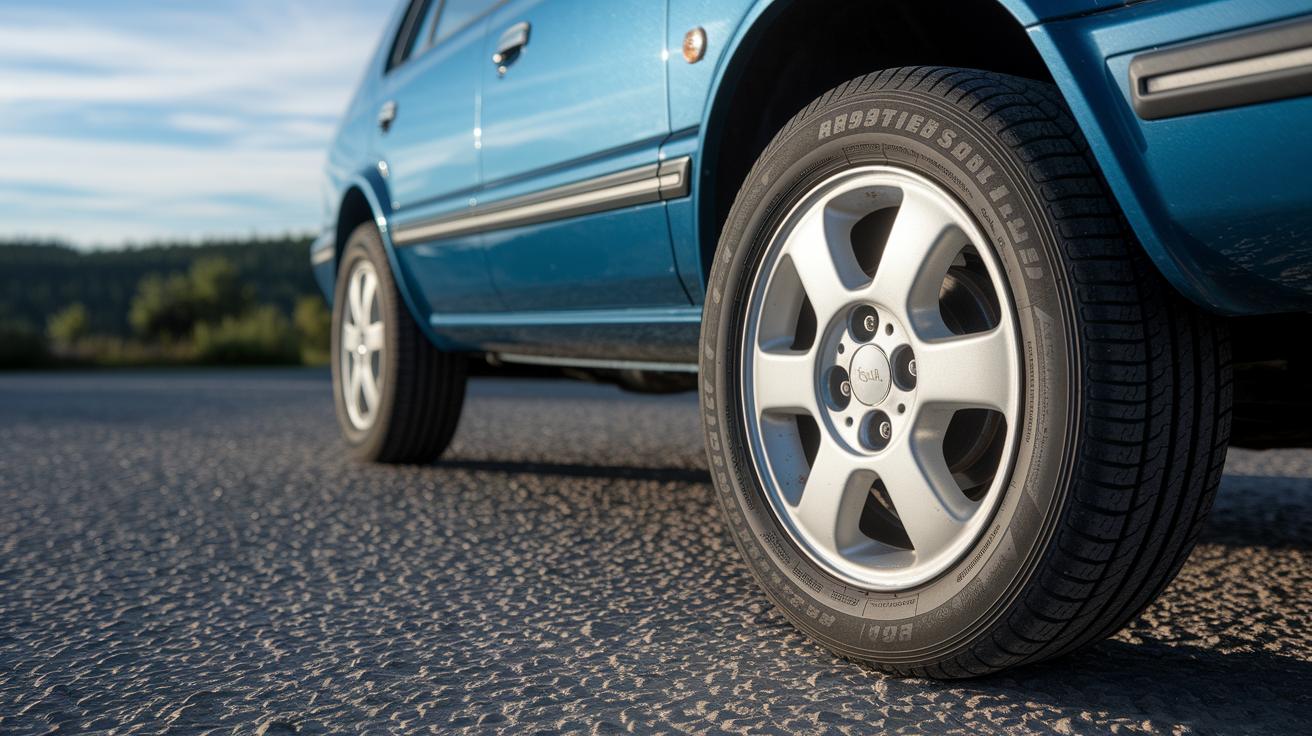
Sidewall stiffness gives your car that quick, precise steering feel. When the sidewall is firm, it holds the tire firmly during tight turns so you feel more control. But that same firmness can also make every bump on the road come through, resulting in a rougher ride compared to softer tires. It’s always a trade-off between a responsive drive and a smoother, more comfortable ride.
Reducing tire weight is like shedding a few extra pounds from your vehicle. By using lighter steel belts or specially designed polymer hybrids (which are advanced materials to keep things light), manufacturers trim down both the unsprung mass (parts not supported by the suspension) and the rotational mass. This lower weight allows your suspension to react faster, meaning quicker acceleration and shorter stopping distances, much like a nimble runner that can change direction on a dime.
Finding the perfect mix of firm sidewalls and a lightweight design is key for both daily driving and a spirited spin on the track. For those fun, twisty roads, stiffer sidewalls give you crisp feedback, while a lighter tire makes your car more agile and improves its braking power. In short, a well-balanced tire design offers precise handling without giving up comfort on your everyday drives.
Heat Resistance and Temperature Effects in Sport Tire Grip vs Longevity

When you push your car to high speeds or take sharp corners, your tires heat up. Special tire compounds are made to keep a steady grip on the road, even as they warm up. These ingredients work like a well-oiled engine in high temperatures, managing heat build-up so the tire can stick to the road and keep its shape.
Drift tires and regular sport tires respond to heat in their own ways. Drift tires warm up fast to give you extra grip during slides. But if you drive too hard, they can overheat. Regular sport tires, on the other hand, are built to handle changing temperatures. They keep their responsiveness and last longer, making them a safe choice for both everyday drives and faster rides.
Treadwear Ratings as Durability Metrics for Sport Tires
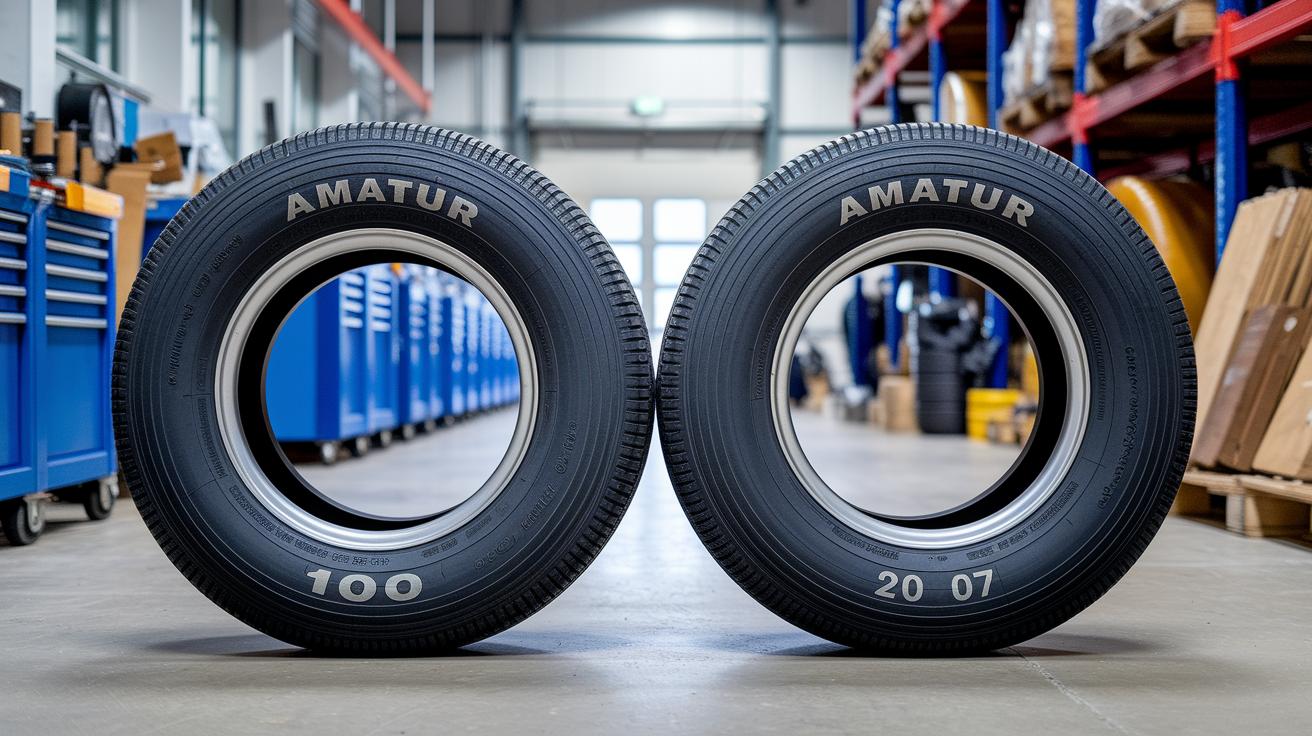
Treadwear ratings are a handy way to guess how long a tire might last when you use it in steady conditions. For example, a tire with a rating of 200 should last about twice as long as one rated at 100. Tires with higher ratings are made with firmer compounds (that is, they have less friction), so while they last longer, they don’t grip as well. On the other hand, tires with lower ratings offer great grip but might wear out a bit faster.
| Treadwear Rating | Relative Longevity | Grip Level |
|---|---|---|
| 100 | Baseline | Very High |
| 200 | About twice the baseline | High |
| 400 | About four times the baseline | Moderate |
Drivers choose tires based on what they need most. If you enjoy sharp cornering and want extra grip, you might opt for a tire with a lower rating. But if you’re looking for a tire that can go the distance, a higher-rated tire could be the way to go. Matching the rating with your driving style helps set the right expectations for your ride.
Sport Tire Selection Guide: Track vs Street Scenarios and Decision Framework

When it comes to choosing tires, track tires and street tires offer very different benefits. Track tires are built to handle heavy side forces and stay stable even when they heat up. They give you better grip when you brake hard or take a fast turn, but they usually don’t last as long and need you to check the air pressure (PSI – the measure of air inside your tire) more often. On the flip side, street tires offer a more balanced ride. They help save fuel, work well in wet conditions, and provide a steady grip on many surfaces. Their PSI is set up to make sure the tire touches the road evenly, which is key for longer life and safety.
Drivers fall into different groups when it comes to tire choices. Beginners often stick with the factory ones (OEM) because they’re reliable. Those with a few track days start to tinker with things like tire compounds (the blend of materials in a tire) and air pressures to improve performance. More experienced drivers even adjust the alignment and feel of the tire to shave off a few seconds on their laps. Factors like whether it’s wet or dry, the weight of your vehicle, or even the exact PSI setting can change how the tire performs, so it’s all about finding the right balance between grip and durability. For more on how driving style affects tire wear, check out “How Driving Style Affects High Performance Tire Wear” (https://tityres.com?p=1192).
- Define your driving goal (track, dual-use, or street).
- Decide how important tire life is compared to grip.
- Check the tire compounds based on hardness, tread wear (how quickly the tire surface wears out), sidewall stiffness, heat tolerance, and weight.
- Score each tire option using a simple matrix.
- Pick the tire that fits your scores, budget, and comfort needs.
This approach can help you zero in on the best tire for what you need. If you’re focused on the track, you might go for a tire with softer compounds for faster grip, even if it means replacing them sooner. If you drive mostly on the street, you’ll likely prefer tougher compounds for durability and steady performance no matter the weather. Follow these steps to balance the fun of a sharp, responsive ride with the overall reliability needed for everyday driving.
Final Words
in the action, we reviewed the importance of tread patterns, compound choices, and sidewall stiffness in shaping tire performance. We broke down how softer compounds boost grip while firmer ones help tires last longer, and how groove designs and heat management add to overall safety and feel.
Our guide also laid out simple steps to match your needs with the ideal tire. Tire decisions are personal and practical. When it comes to durability vs grip: a deep dive into sport tire trade-offs, every detail helps build a safer, confident ride.
FAQ
What is tyre grip trade-off?
The tyre grip trade-off means that tires designed to excel in road friction typically have shorter tread life. Soft compounds deliver superior grip but tend to wear out more quickly when compared to harder ones.
What is the 3% rule for tires?
The 3% rule for tires means that a minor change—around 3%—in treadwear ratings usually has a small impact on performance, making it a helpful reference when comparing grip and longevity among different tire models.
Is 300 better than 500 Treadwear?
The comparison between a 300 and 500 treadwear rating means that a 300 rating reflects a softer tire offering higher grip but reduced durability, while a 500 rating indicates a firmer tire with longer life yet slightly less road grip.
Does higher treadwear mean less grip?
The idea that higher treadwear means less grip holds true because tires with higher ratings are made from harder compounds. This construction extends tread life but typically results in a lower friction level with the road.

