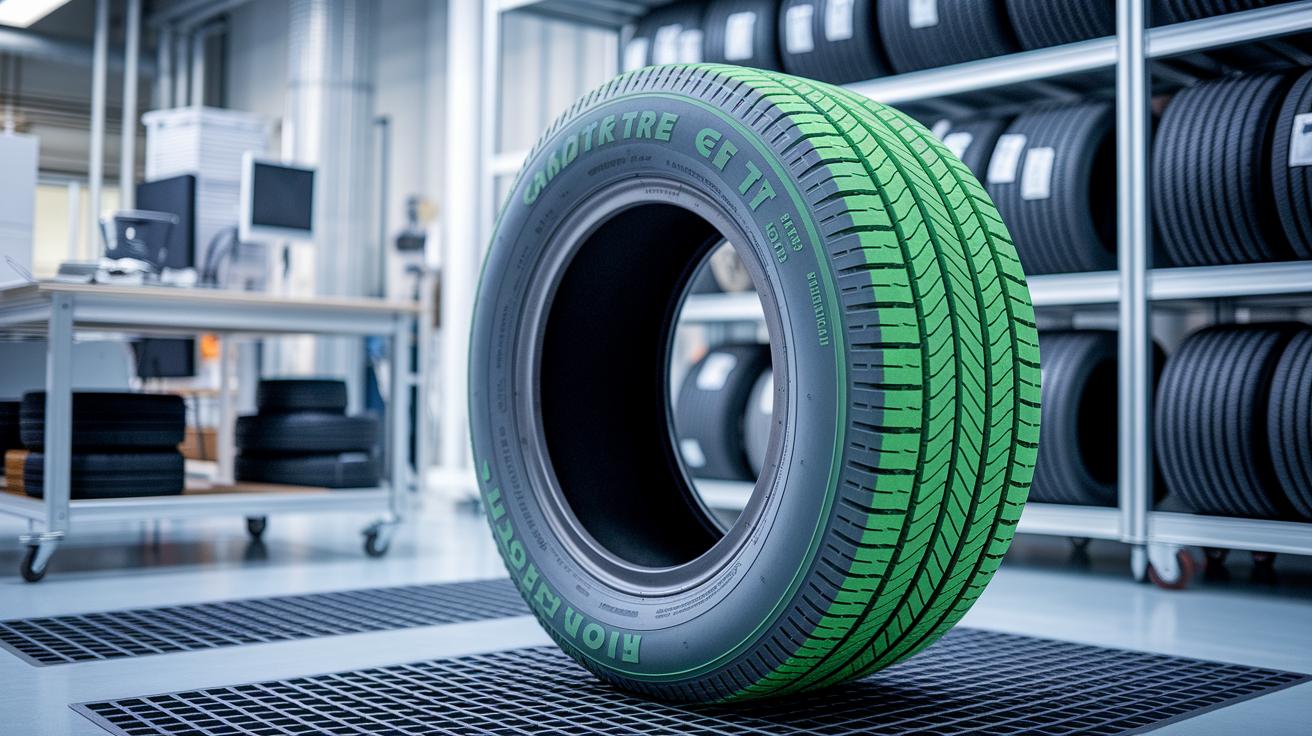


Ever wondered how your tires can help keep our planet green? Today’s eco tires use clever designs with earth-friendly materials that let your car run smoother and sip fuel instead of guzzling it. They can even improve your ride’s efficiency by up to 8%, that means your engine works less hard and your car sends fewer pollutants into the air.
Imagine cruising down the road on tires made with special, planet-loving ingredients that care about safety and performance. It goes to show that even small changes, like choosing the right tire, can really add up to a healthier drive.
Key Advancements in Eco-Friendly Tire Technology
Eco-friendly tires use clever designs and green materials to help your car roll more smoothly while using less fuel. Manufacturers say these tires can boost fuel efficiency by as much as 8% (meaning your engine won't push as hard), which not only saves money at the pump but also cuts down on emissions. Imagine a tire built with special stuff that eases the load on your engine during city trips, it’s like giving your car a little extra bounce.
The market for these eco-friendly tires is really taking off. It grew from $88.2 billion in 2024 and is set to reach about $152.7 billion by 2029, growing around 11.6% every year. More drivers and companies are choosing tires that are gentle on the planet. And with governments offering help like financial incentives and rules that encourage recycling and low-emission production, this green trend is only getting stronger.
These new tire ideas aren’t just about saving energy; they also boost safety and performance. Eco-friendly tires are made to grip the road well whether it’s dry or wet, without losing an inch of efficiency. It’s a win for anyone who needs a tire that’s both safe and smart. Big brands are now using breakthrough technology to create tires that leave a lighter footprint on the earth while still giving you top-notch performance.
Even the smallest changes can make a big difference. Think of it like fine-tuning your car, each little upgrade helps reduce the tire’s impact on the environment while ensuring every drive is smooth and safe.
Sustainable Materials in Eco-Friendly Tire Technology

Car makers are shifting their focus to create tires using greener, more natural materials. They’re choosing renewable rubber sources, like guayule and dandelion rubber (natural rubber alternatives), which is a bit like swapping out regular ingredients for fresh, organic ones. This change not only feels right for nature but helps the planet, too.
New ideas in green tire science are using silica from rice husk ash, a byproduct that helps tires grip wet roads better and saves energy. And they’re also turning to recycled rubber, including recycled carbon black (rCB) that replaces the traditional, oil-based version. This switch cuts down on waste and means fewer nonrenewable resources are used overall.
Big names in the tire world are already taking these steps. For instance, Michelin’s performance tires now have as much as 40% sustainable content, using parts like recycled steel, rubber, and bio-based oils, with a goal to go fully sustainable by 2050. Bridgestone is on a similar track, crafting tires with 75% recycled materials and planning to raise that to 90%.
Manufacturers are even looking into biodegradable compounds that break down easier and cause less harm to our environment. In truth, these advances make tire production friendlier for both drivers and the Earth, setting the stage for a smoother, more sustainable ride.
Eco-Friendly Tire Technology Manufacturing Innovations
Tire plants are switching to energy-saving production methods that cut back on power use and help everything run smoother. These upgrades lower waste and reduce the need for extra energy. Manufacturers are now using cleaner production techniques, like water-based binders (which help hold the tire materials together) and solvent-free processes. This means fewer harmful chemicals (volatile organic compounds) get released, keeping our air much cleaner.
When plants use green chemistry in their rubber compounding (mixing ingredients to make rubber), they not only lessen toxic emissions but also boost safety. It’s like hitting two birds with one stone. This approach makes tire materials better and supports smart practices that cut waste right at the source. Every step, from mixing compounds to curing tires (the process that hardens the tire), follows low-emission guidelines designed to protect our environment.
Factories stick to strict environmental rules set by international groups, making sure every action meets global standards for emissions and waste. With energy-saving production, green chemistry, and clean production methods all working together, low-emission production becomes the norm. Manufacturers can now confidently say that their tire-making process is just as friendly to the planet as it is reliable on the road.
Performance Benefits of Eco-Friendly Tire Technology
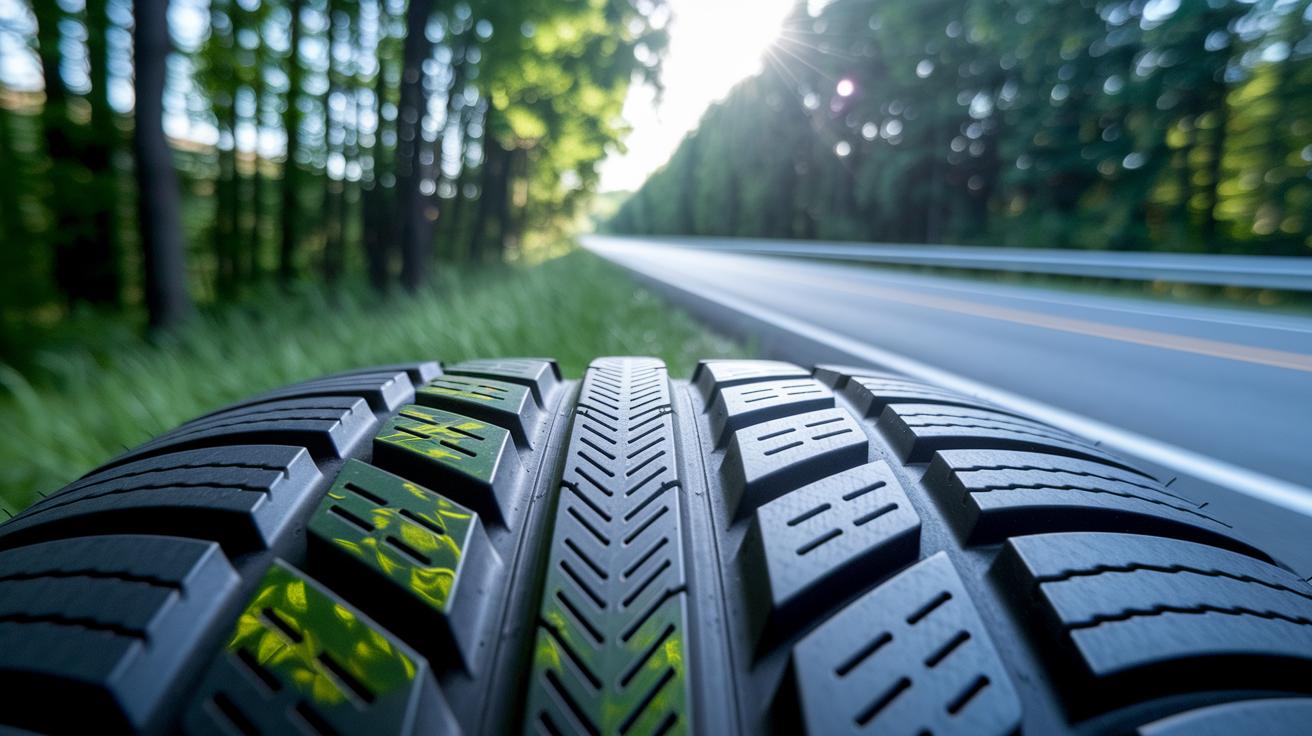
Eco-friendly tires bring together tried-and-true benefits with some fresh, unique perks. Their green compounds help the tire surface last longer (that means fewer replacements), which is great for both your wallet and the planet.
They also work to lower road noise so your ride is much quieter, even in busy traffic. Plus, with less rolling resistance (the force that tires battle when turning over on the road), you'll save fuel. Their carefully designed tread not only grabs the road firmly but also makes your driving smoother overall.
Eco-Friendly Tire Technology: Leading Brand Innovations
Major tire makers are changing how we think about green tires. They’re using smart designs that cut down on emissions and save energy. These new ideas mix recycled materials with earth-friendly methods to keep your ride smooth and safe.
Take Bridgestone’s Ecopia line, for example. It uses recycled rubber (rubber that’s been used before) to lower energy waste, proving sustainable choices can still deliver a solid drive.
Continental is also stepping up with its UltraContact NXT. This tire uses 65% recycled materials along with EcoPlus polymers (special plastics made to be kinder to the planet). The result? Better grip on wet roads so you feel in control even on slick surfaces.
Hankook is pushing the envelope with its E.Circle plan. Their Kinergy series is set to use 100% sustainable raw materials by 2050, showing a strong promise to care for our environment in the long run.
Michelin is raising the bar with its Vision concept. This tire boasts fully recyclable, bio-based (made from natural materials), and renewable parts that help reduce our need for new resources while still performing reliably.
Pirelli isn’t far behind. Their P Zero E and Cinturato families focus on lowering rolling resistance (the energy needed to keep the tire moving) and cutting CO₂ emissions. Imagine a tire that grips the road confidently while helping to keep our air cleaner.
These examples show that green ideas and tire innovation can go hand in hand. It’s exciting to see big brands proving that high performance and eco-friendly design can drive your journey forward.
eco-friendly tire technology sparks positive change

Eco-friendly tire technology has hit a few bumps in the road that slow growth. The cost up front is higher than regular tires, which makes many drivers and fleet managers pause. Many people still need to see how these tires can save fuel over time and last longer (that's the tire's life cycle). More awareness of these benefits could change minds. Plus, ongoing research and development is key to reaching the goal of using only sustainable materials by 2050. Imagine discovering that just keeping your tires well-maintained can cut your fuel bills on those everyday drives.
New eco trends are showing a promising shift. Companies are starting to use circular economy ideas, like tire recycling programs and waste reduction methods, to help lower production costs over time. These changes support the growing market for eco tires as more electric and fuel-saving cars hit the road. Sustainability in mobility is pushing the industry to mix great performance with caring for the environment. Small improvements in the production process and smart design choices are lighting the way, showing that today's challenges can lead to a better, greener tomorrow.
Final Words
In the action, the post explored eco-friendly tire technology and its impressive gains. We touched on innovative materials, cleaner production methods, and improved tire performance while highlighting leading brands making bold strides.
It outlined how each step boosts safety, fuel savings, and comfort on the road. The insights into current challenges and future trends give us something to look forward to. Safe driving and positive changes are ahead with these green advances.
FAQ
What are some examples of eco friendly tire technology in recent years?
Recent eco friendly tire technology examples, seen in 2021 and 2022, involve using sustainable and recycled materials, innovative tread designs that lower rolling resistance, and energy-saving manufacturing methods that reduce overall emissions.
Which companies are leading in eco friendly tire technology?
Leading companies like Bridgestone, Michelin, Continental, and Hankook are advancing eco friendly tire technology by incorporating recycled materials, renewable compounds, and cleaner production methods that lower both fuel use and environmental impact.
Is there a PDF available on eco friendly tire technology?
A PDF on eco friendly tire technology typically explains sustainable design breakthroughs and material innovations, detailing how cleaner processes and recycled components contribute to lowering emissions in tire production.
What defines eco friendly tires and are there any available?
Eco friendly tires are built with renewable and recycled materials alongside energy-efficient designs that improve fuel savings and reduce emissions, and today, many brands offer these sustainable, high-performance tires.
What is eco plus technology on tires?
Eco Plus technology on tires uses special compounds and design modifications to boost wet braking, reduce rolling resistance, and improve fuel efficiency, all while maintaining reliable performance on different road conditions.
How can tires be made more eco friendly?
Tires become more eco friendly by using recycled and renewable materials, applying lower-toxicity compounds, and adopting energy-efficient production methods that cut energy use and reduce harmful emissions.
What is the technology behind green tires?
The technology behind green tires focuses on sustainable compound formulations, low-emission production techniques, and tactical tread designs that cut fuel consumption while keeping good safety and durability standards.

