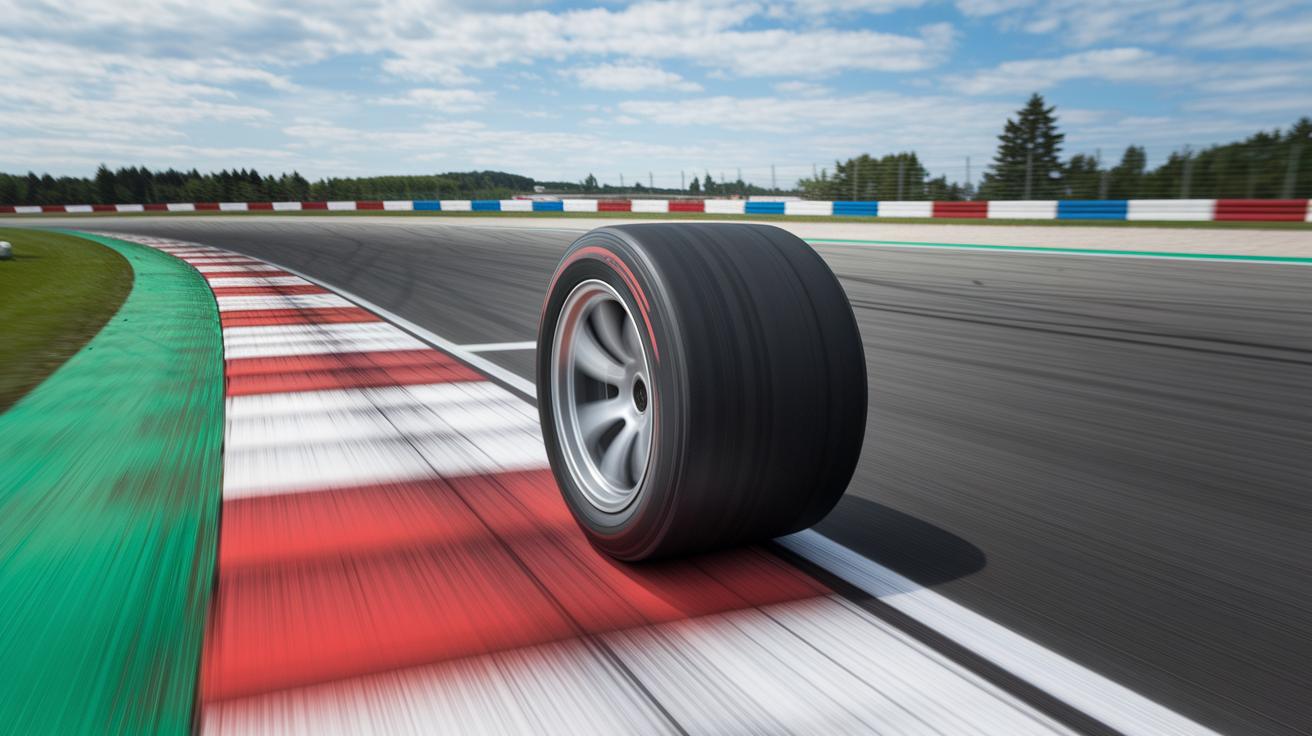


Have you ever noticed that speeding can weaken more than your engine? When you drive fast, extra friction heats up your tires. That heat makes the tiny building blocks inside lose their strength and wears down both the outer tread and the layers underneath that keep your tire strong.
Quick bursts of speed and sudden stops add even more stress, cutting your tire’s life short. It’s like taking a shortcut that costs you safety on the road. In this article, we’ll chat about how speeding affects your tire strength and why it’s important to keep a close eye on your tires to stay safe.
High-Speed Driving Effects on Tire Structural Integrity: Technical Overview

High-speed driving makes more friction between your tires and the road, causing them to heat up quickly. When your tires get too hot, the tiny building blocks (polymer chains that hold the tire together) start to lose their strength. In short, the faster you drive, the quicker your tires wear out, which can be a safety risk.
Quick starts and hard stops also add extra stress to your tires. These aggressive moves put a lot of pressure on the entire tire, not just the surface. This added strain can cut a tire's lifespan by as much as 25%. And it’s not only about what you see on the outside; the inner layers that help support the tire begin to break down too because of all the heat.
Key points to keep in mind:
- Higher speeds create more friction, which heats your tires and weakens them from the inside.
- Extra heat speeds up wear and tear, making your tires less effective over time.
- If you drive aggressively, it’s a smart idea to check your tires more often for early signs of wear.
- Keeping an eye on tire pressure and getting regular inspections is extra important when you’re driving fast.
Understanding how speed and heat affect your tires can help you make smarter choices on the road. Routine checks, like tire pressure inspections and maintenance, go a long way in keeping your tires in good shape and ensuring your safety.
Material Fatigue and Rubber Compound Degradation Impacting Tire Structural Integrity at High Speeds

When you drive really fast, the friction makes your tires heat up more than they're built for. This heat can break down the tiny parts in the rubber (like carbon particles and plastic-like chains) that keep it strong. Think of it like a well-worn rubber band that slowly stops bouncing back.
High-speed cornering and sudden acceleration add extra stress. That extra push creates more heat, which makes the tire’s rubber break down even faster. Each time the tire heats up and then cools down, it loses a bit of its toughness. Nowadays, with advanced tire wear monitoring tools, mechanics can spot these early signs of damage before anything serious happens.
All this constant heating and cooling causes tiny cracks to form inside the rubber. These micro-cracks weaken the tire overall, so when you need your tires the most, they might not hold up as well. That’s why it's a smart idea to check your tires regularly, especially if you love the thrill of high-speed driving.
Thermal and Frictional Effects on Tire Structural Integrity at High Speeds

When you speed down the road, friction and air resistance can heat your tires up to over 90 °C. This quick rise in temperature may cause the tire’s inner layers to start separating. Think of your tire like a busy engine – every bit of friction turns into a tiny hot spot. Even a small difference in heat across the tire can make it wear out much faster.
When heat isn’t spread out evenly, certain parts of the tire work harder than others. Those hotter spots mean the rubber loses strength with every pass through the heat, leading to quicker wear. The cycle of extreme heating and rapid cooling can break down the tiny carbon black particles and rubber chains that keep your tire strong.
Temperature differences also put stress on the steel belts inside your tire. This stress can lead to the layers pulling apart, especially when you accelerate hard or take a sharp turn at high speed. In these moments, advanced tools can catch early signs of strain. Each burst of heat not only wears down the inner layers but can start a chain reaction that weakens the overall structure of your tire.
Load Distribution and Structural Stress Analysis on Tire Structural Integrity During High-Speed Driving

When you take a fast corner or run into a bumpy road, different parts of your tire feel the pressure in different ways. The part that touches the road (the tread) and the side of the tire (the sidewall) can end up with uneven loads. Over time, this can cause small bulges and changes in shape that make the tire less strong.
When you push your car hard, the inner layers of the tire (think of them as a strong, built-in skeleton) can suffer extra strain, sometimes as much as 20% more than they are built to handle. Imagine a house with a shaky foundation because of too many bumps. That extra stress can make the tire more likely to fail later on.
Another issue is the way the tire’s inner fibers react when you drive fast. Under strong spinning forces, these layers might warp a little. This warping reduces how well the tire can hold the load and can even lead to a blowout on a sharp turn or unexpected hit. In simple words, these forces slowly wear down the tire until it isn’t as safe as it once was.
Key points include:
- Fast cornering creates uneven pressure on your tire.
- Hard hits cause the tire’s side parts to wear down.
- Extra strain on the inner skeleton speeds up wear.
- Warping of the inner layers lowers the tire’s overall strength.
All these forces add up when you drive aggressively, and they can quietly damage your tire over time. That is why it is always a good idea to check your tires regularly and adjust your driving if needed. Stay safe and keep an eye on your ride, you deserve a smooth, worry-free journey.
Mitigation Strategies and Maintenance to Preserve Tire Structural Integrity Under High-Speed Conditions

Keeping your tires in great shape means checking things like tire pressure (how much air is inside) and alignment regularly, especially if you enjoy driving fast. Think of it like glancing at your fuel gauge before setting off on a long trip, you want everything balanced for a smooth ride. Try checking your tire pressure every week so you can catch any big shifts early on.
Rotating your tires every 6,000 miles is another simple step that helps keep the wear on the tires even (tread wear means the part that touches the road wears out). This practice spreads out the wear so no part gets overloaded, which means your ride stays safe and energy is used more efficiently.
Modern tools like sensor-based wear monitors are real game-changers too. They can spot early signs of tire fatigue, think of them as little helpers that measure things like how fast the tire’s surface is wearing down or if the pressure is shifting. These alerts help you catch issues before they turn into bigger problems.
Keeping your tires properly aligned and inflated can boost their life by as much as 15% when you drive fast. It’s a simple way to smooth out the ride and make sure that your tires continue to work their best, keeping you safe on every journey.
Final Words
In the action, this piece broke down how high-speed driving strains tires. We talked about friction causing extra heat, which can speed up wear and create micro-cracks in rubber. It also covered how uneven load stress and sidewall shifts can weaken tire structure. Maintenance tips like regular pressure checks and rotations help keep your tires robust. Remember, understanding the effects of high-speed driving on tire structural integrity helps you stay safe and drive with confidence. Enjoy every mile on the road.
FAQ
How does high speed impact tire life and performance?
High speed impacts tire life by creating extra frictional heat that speeds up rubber wear. This extra heat leads to micro-cracks and material fatigue, reducing the tire’s overall durability and performance.
What is the 3% rule for tires?
The 3% rule for tires means that even a slight increase in speed can add about 3% extra strain. This added strain raises tire temperatures and accelerates wear if high speeds continue.

