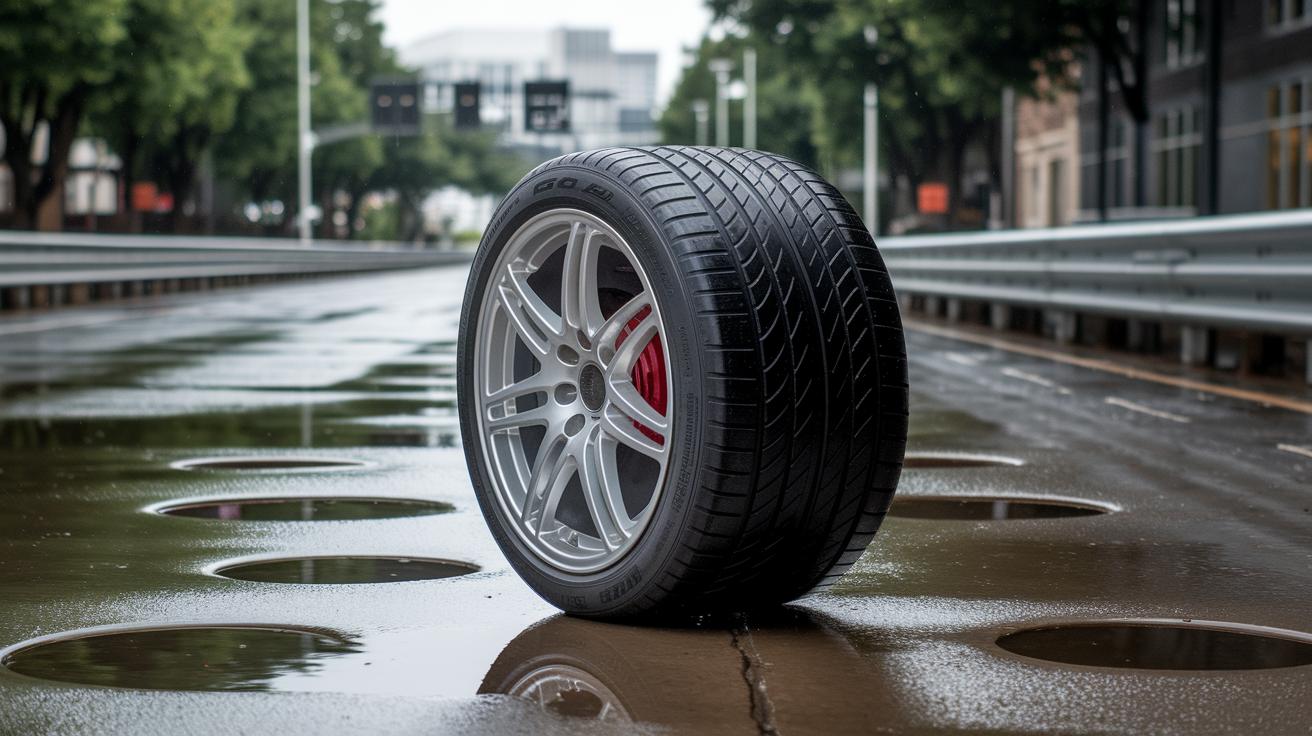


Ever thought rough roads might shorten your tire life? High performance tires respond differently to each type of road.
When you drive on bumpy streets, your tires work harder, like your hands rubbing together to create warmth. Smooth asphalt warms up the tire’s surface, while concrete gives little scratches that can lower grip. Gravel roads, on the other hand, slowly chip away at the tread, putting extra pressure on your ride.
In this article, we’ll explore how different road conditions affect tire wear and grip so you can keep your ride safe and performing at its best.
High-Performance Tire Behavior under Diverse Road Conditions
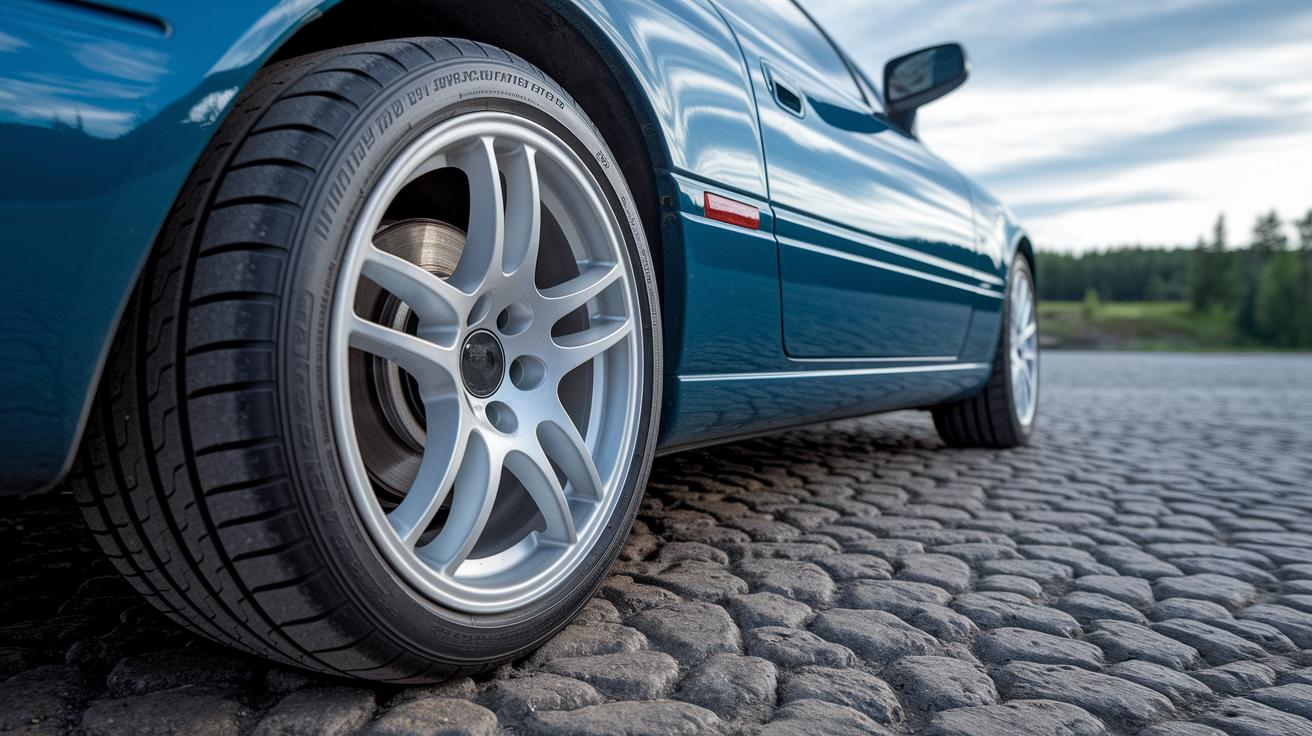
High-performance tires act in their own way depending on the type of road you’re driving on. On rough roads filled with potholes or bumps, your tires have to work harder because the extra friction wears down the rubber faster. It’s a bit like how rubbing your hands together warms them up. Picture driving over a series of speed bumps, the extra stress on the tire, especially the side parts, can end up reducing its safety.
Smooth asphalt is a different story. When you drive fast and frequently hit the brakes, your tires heat up over time. That heat slowly wears down the rubber, even on what seems like a gentle road. And then there are concrete roads that offer a solid grip but come with their own challenge. Their rough texture can cause tiny scrapes on your tire’s surface, which over time, might affect how well your car handles and how long your tires last.
Gravel roads add yet another twist. Loose stones and debris can chip away at the tire’s tread, making it harder for the tire to grip the road. Each type of surface, whether asphalt, concrete, or gravel, brings its own set of challenges that can influence tire performance and durability. That’s why it’s a smart move to check your tires regularly and keep up with proper maintenance, ensuring they stay in great shape for everyday driving.
Impact of Pavement Types on High-Performance Tire Wear and Grip
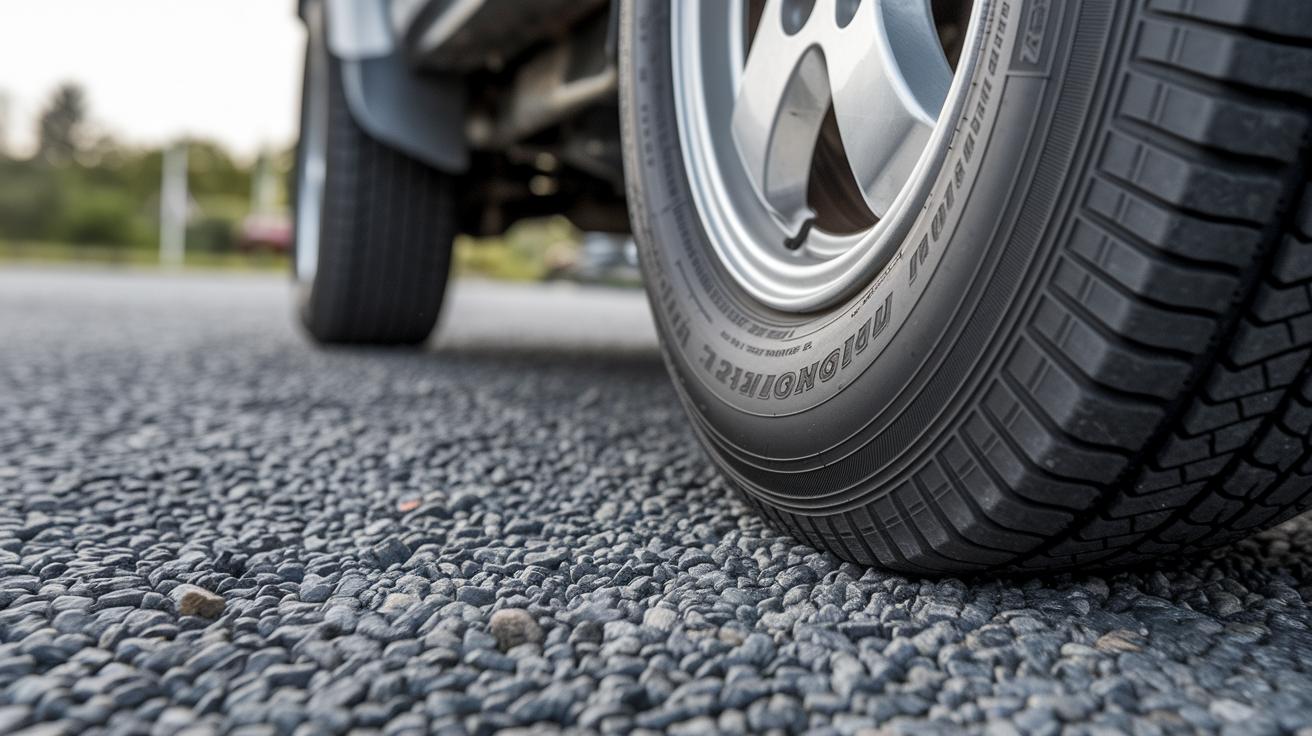
Smooth asphalt gives high-performance tires a steady grip. But when you drive hard, braking often or speeding up, the heat builds up and wears down the tread quicker, kind of like ice cream melting in the sun.
Concrete feels a bit rough at first, which helps with traction. Still, that same roughness slowly grinds the tread down, much like a knife scraping against a piece of wood.
Gravel roads are a whole different story. With loose stones and sharp debris, there's a higher chance of punctures and uneven wear. It's like those tiny pebbles are nibbling away at your tire bit by bit.
Regular checks and a bit of care go a long way, helping your tires hold on to the road no matter what you're driving on.
Effects of Wet and Moisture-Induced Road Conditions on High-Performance Tires
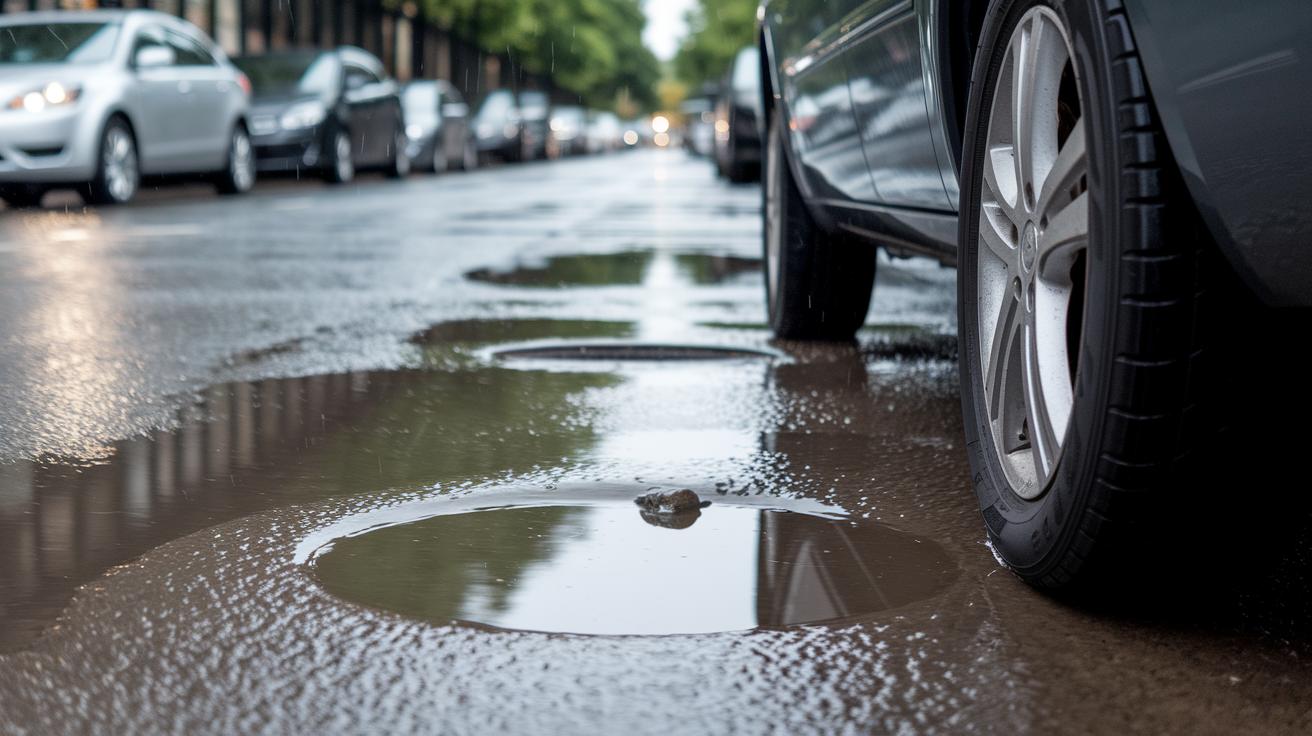
Rain and puddles can really change how your tires stick to the road. When the pavement gets wet, you don’t get as much grip, and your brakes might take longer to stop you. That loss of grip can make your car slide on slippery surfaces, which can lead to hydroplaning (when your tires momentarily lose contact with the road because of water). Imagine running a red light on a rainy day because your tires just couldn’t hold on, nature can throw you a real curveball sometimes.
But it’s not just the rain that causes trouble. In cold weather, de-icing salts and road chemicals start to work on the rubber in your tires. These chemicals break down the tire material over time, kind of like how fruit softens when left in a warm room. This is especially concerning for high-performance tires because they use softer compounds that aren’t built for harsh, freezing conditions. When it’s really cold, these tires can stiffen up, meaning less grip and faster wear.
Even small puddles or standing water can turn a safe road into a tricky one. As water collects, your tires may struggle to push it away, which can mess with your vehicle’s ability to stop quickly. Did you know some drivers have seen a big drop in tire performance after just a few days of wet conditions? It’s a real wake-up call.
High-Performance Tire Durability on Uneven and Damaging Road Features
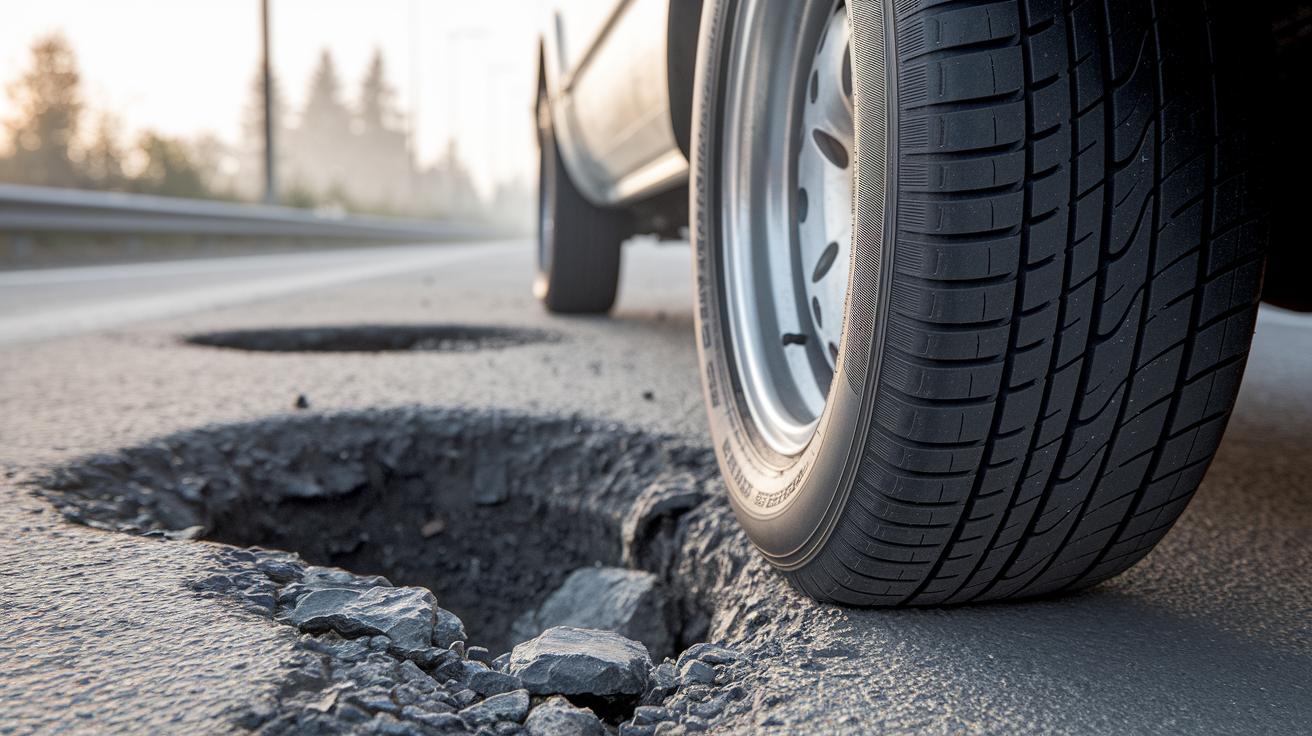
Sometimes our roads can be pretty rough. Big potholes, for example, can push a tire’s sidewall out and weaken its inner parts (like a belt that starts to fray when overworked). Imagine hitting one really deep pothole that makes your tire wear out faster, much like a worn belt that might snap if pushed too hard.
Speed bumps can also surprise you if you go too fast over them. When you hit one at high speeds, it puts a quick burst of pressure on your tire’s sidewalls. This pressure can cause tiny splits in the tread, kind of like little cracks in hard material when it’s under stress. It’s a gentle reminder that even high-performance tires have their limits.
Then there’s road debris, nails, bits of glass, or small stones. These can poke through the tire’s surface, and when the tire is already a bit worn, that small poke can lead to a quick breakdown, just like a tiny pinhole in an old belt can weaken it significantly.
Keeping an eye on your tires, driving carefully, and fixing any issues as soon as they pop up can really help your tires last longer.
Temperature Extremremes and Thermal Effects on High-Performance Tire Performance

When it gets really hot, your tires have to work extra hard. The warm air makes the pressure inside your tires go up and makes the tire rubber break down faster (that's when oxygen slowly wears away the rubber). It’s kind of like leaving a soda in the sun, you end up with extra pressure that eventually takes its toll. This extra heat can make your tire wear out sooner, much like a well-used eraser gradually losing its shape.
Cold weather brings some different problems. When it’s freezing, the tire’s rubber gets stiff and can’t grip the road as well. That means the part of the tire touching the road (known as the contact patch) gets smaller, which can lead to cracks forming faster. It’s a bit like gum hardening in the freezer. Plus, salt from winter roads can slowly eat away at the rubber and weaken your tire even more.
Tire makers are busy developing special rubber mixes so tires can handle both the heat and the chill. Picking tires that use these strong compounds is the key to keeping your ride safe and lasting longer.
Maintenance and Driving Practices to Offset Road Condition Impacts on High-Performance Tires
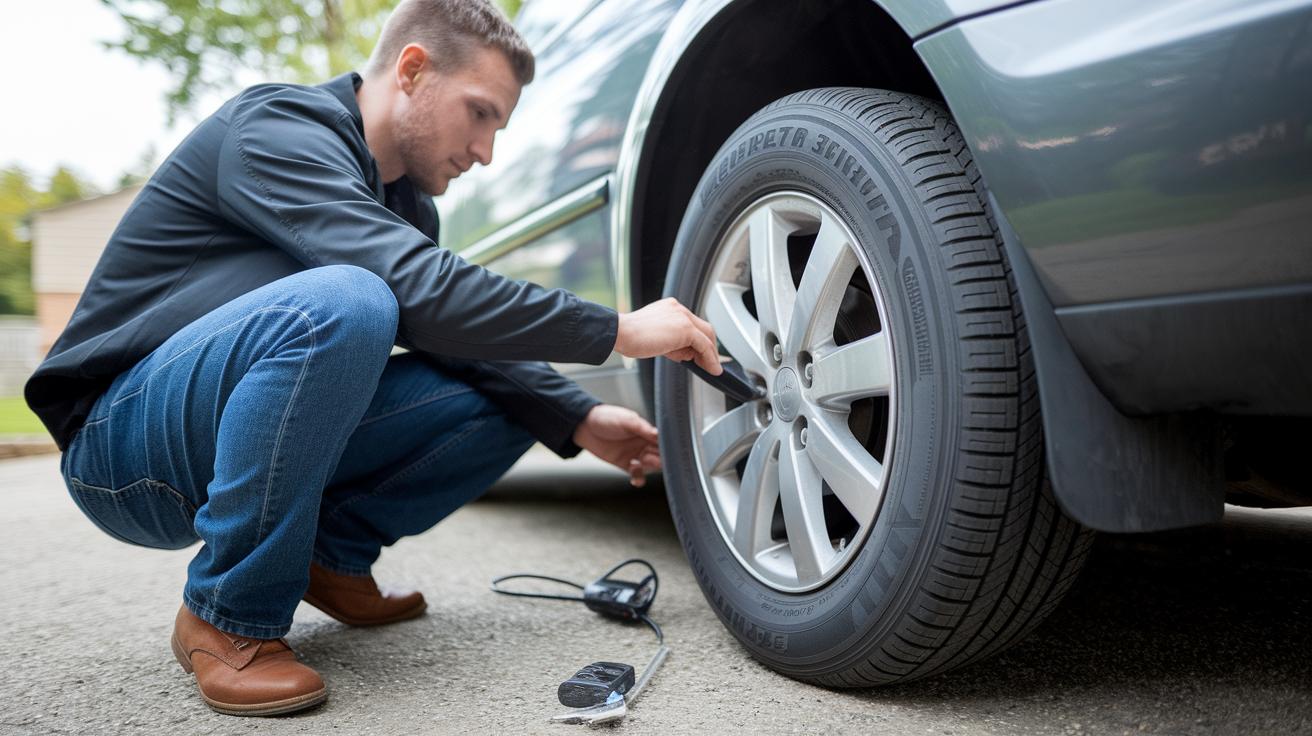
Keeping your tires happy is super important, especially when the road gets rough. Underinflated tires (tires that don't have enough air) drag more on the pavement, which makes them wear out unevenly and work harder. Think of it like a car struggling to climb a steep hill, every extra bit of stress wears the tires down a little more.
Regular check-ups make a big difference. A quick look at your tire pressure, tread depth (how much of the tire's surface is left), and wheel alignment is like giving your car a mini health check before a long drive. It helps your tires grip the road better and smooths out the bumps. Plus, a good suspension (the parts that absorb shocks) spreads your car’s weight evenly, reducing the hard knocks from uneven surfaces.
By keeping up with these simple routines, you can help your high-performance tires last longer. Regular inspections, the right inflation, and proper alignment are just as important as making sure your brakes work well. For a full checklist, check out the preventative car maintenance tips at https://unionno.com?p=539.
Final Words
In the action, we took a close look at how asphalt, concrete, gravel, wet surfaces, and temperature extremes can affect tire grip, wear, and overall safety. We examined factors like heat buildup, road debris, and proper inflation that play a big role in keeping your tires in great shape. Small checks and smart driving can help manage the effects of road conditions on high performance tires. Keep up with regular maintenance, and you’ll always enjoy that steady, confident ride.
FAQ
What effects do various road conditions have on high-performance tires?
The effects of diverse road conditions on high-performance tires show that rough surfaces like pothole-ridden roads accelerate tread wear and rubber degradation, while smooth roads can lead to heat buildup that similarly reduces tire lifespan.
What do NHTSA crash ratings and crash tests tell us about tires?
The NHTSA crash ratings and tests provide insights about overall vehicle safety, including how tire performance factors into braking and stability, helping drivers gauge safety in different conditions.
What does the Matrix STR tire review reveal about performance?
The Matrix STR tire review highlights the tire’s grip, durability, and handling on various road surfaces while assessing its performance under real-world driving conditions for an informative take on high-performance tire technology.
What tires should I get for my car or what tires do I need?
What tires you should get for your car depends on your driving needs. Tires rated for high performance work well on smooth roads, while options designed for mixed conditions help balance grip and durability.
What does the light truck tire ratings guide cover?
The light truck tire ratings guide explains performance metrics such as load capacity, tread wear, and handling characteristics to help you choose tires that meet your truck’s specific safety and durability needs.
Are performance tires suited for all weather conditions?
Performance tires work well on dry roads but may lose grip in extreme cold or heavy rain, as their compounds can stiffen and reduce traction during adverse weather.
Are rough roads bad for tires?
Rough roads are bad for tires because they increase the risk of punctures and structural damage while causing uneven wear, which can compromise safety and lead to a shorter tire lifespan.
What is the 7’7 rule for winter tires?
The 7’7 rule for winter tires is a guideline to check tread depth; when the tread approaches 7/32 inch, it’s recommended to replace the tires to maintain safe traction on icy and snowy roads.
How does the weather affect your tires?
Heat can increase internal pressure and speed up rubber oxidation, while cold temperatures stiffen tire compounds, reducing grip and causing cracks over time.

