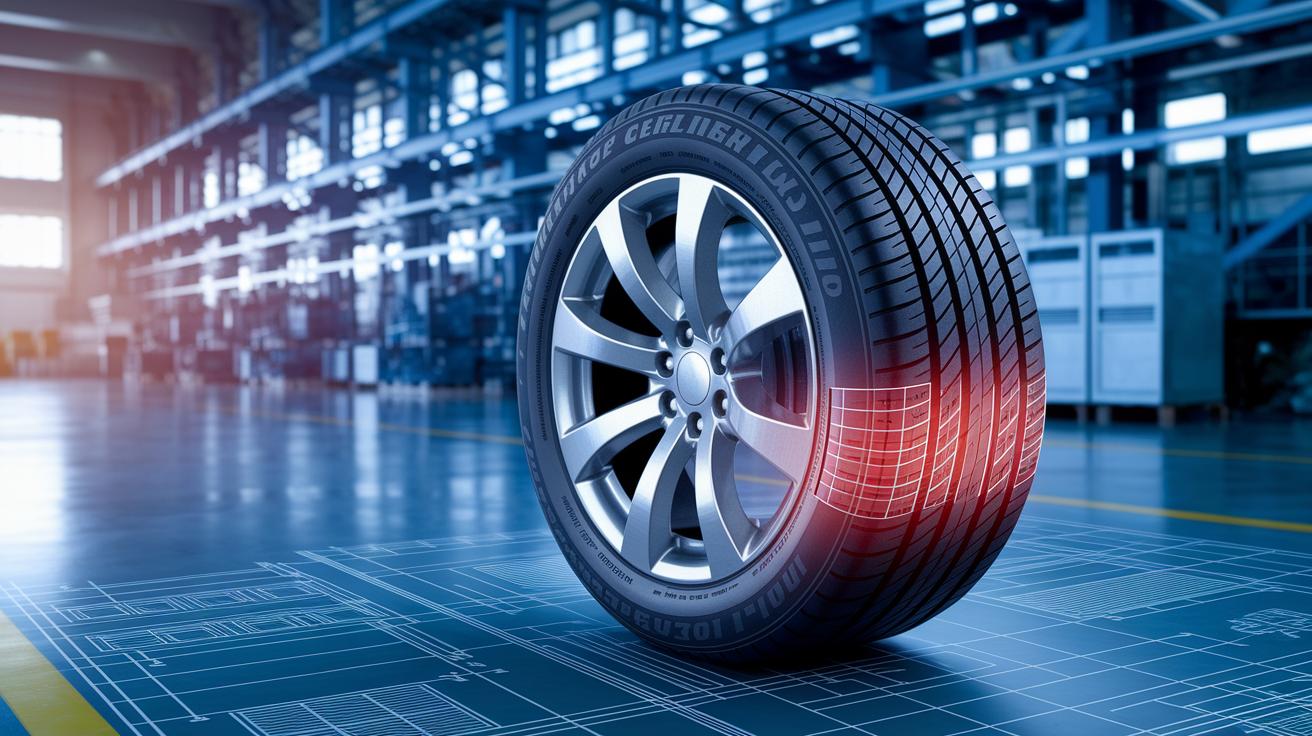


Ever wonder if putting sensors in your tires might end up causing more problems than they solve? Smart tires come loaded with cool tech like sensors that check air pressure (the force keeping your tire firm) and temperature (how hot the tire gets). But using these sensors means extra challenges when making the tire.
Imagine a tire that's expected to tackle scorching heat, carry heavy loads, and roll on constantly, all while keeping its numbers spot-on. In this blog, we're exploring the bumps engineers hit along the way and how they're working hard to make smart tires safe, reliable, and affordable. Isn't it interesting how even high-tech tires have their own set of roadblocks?
Addressing Core Challenges in Smart Tire Manufacturing and Design
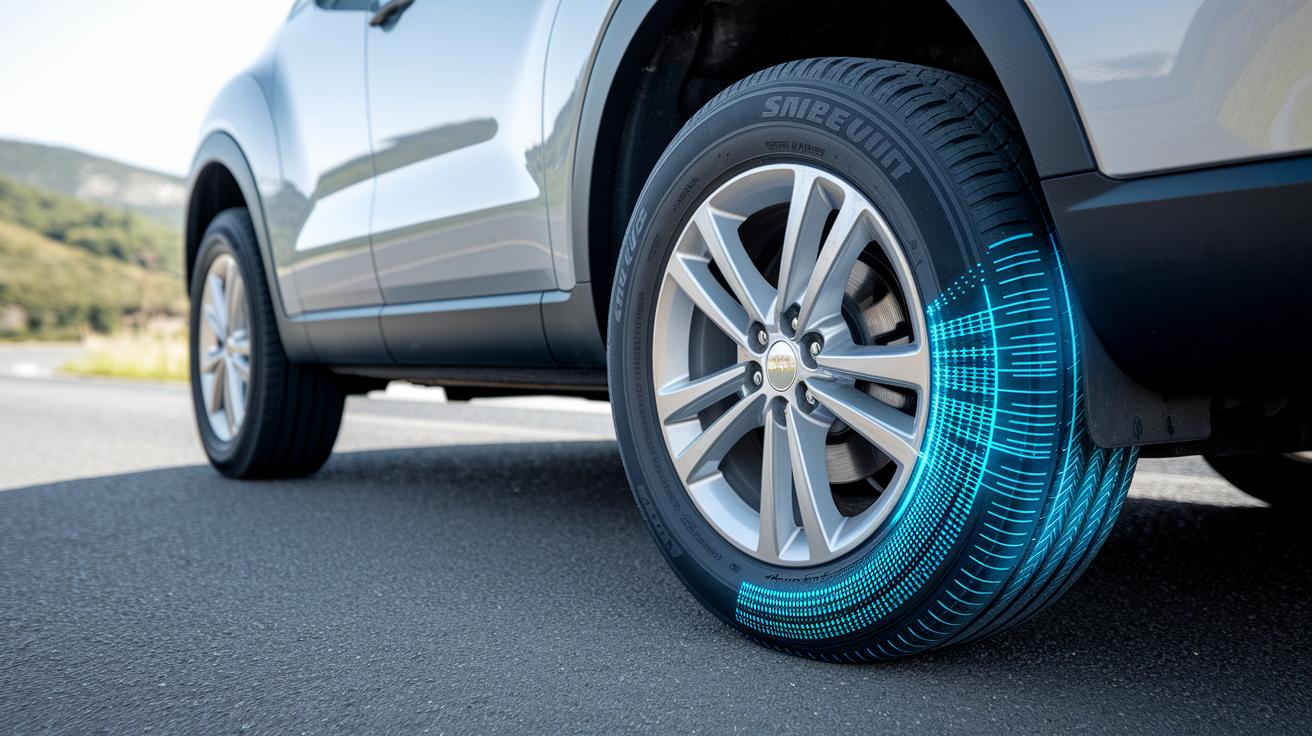
Smart tires have cool sensors that check tire pressure, temperature, tread wear (how fast the tire's surface wears down) and road conditions in real time. These sensors send information over wireless channels like Bluetooth, which means drivers get instant feedback. It helps make the ride safer, improves fuel efficiency with lower rolling resistance, and even helps the tires last longer. Still, smart tires face extra challenges compared to regular ones.
One big hurdle is the higher manufacturing cost. Adding sensor modules bumps up the price, and the wireless tech needs a strong, steady network to work well. Also, storing and protecting all that sensor data brings up privacy and security issues. Getting the sensor data perfect every time can be tough too, things like calibration drift (when sensors slowly become less accurate), signal interference, or weather effects can mess with the readings and droop the tire’s performance.
Here’s a quick look at some challenges:
- Ensuring sensors last under extreme temperatures and heavy loads
- Keeping sensor accuracy throughout the tire’s life
- Creating reliable wireless standards for cars in motion
- Preventing data loss from signal interference or network drops
- Installing sensor modules without weakening the tire’s strength
Each of these obstacles adds complexity to the building process. Manufacturers need to balance advanced smart features with cost, reliability, and safety. Facing these challenges head-on is key to enjoying all the benefits of smart tire technology while keeping designs effective and competitive in today’s fast-changing world.
Sensor Integration and IoT Connectivity Challenges in Smart Tire Systems

Smart tire systems use handy sensors to check tire pressure, temperature, tread wear (that is, how fast the tire’s surface breaks down), and even road conditions. These sensors need to be set up just right (check out some tips on sensor accuracy and calibration) and must use strong wireless signals to send data clearly. Changing road conditions and the way a vehicle moves can sometimes make the signals a bit off, which might mess with the sensor settings and create signal issues. Manufacturers have to hide these sensors in the tire without making it any weaker, and new IoT features like fleet management and EV performance tracking only add to the need for reliable connectivity. For example, a fleet manager might keep an eye on tire performance to schedule repairs on time.
Bringing together sensor and IoT challenges helps tackle all the technical hurdles in one go, so there's no need to fix the same issue twice (read more about smart tire integration with tire pressure monitoring systems). This way, we see both the tough job of handling the sensors and the need to keep wireless data coming smoothly in our connected vehicles.
Challenges to watch for include:
| Challenge | What It Means |
|---|---|
| Sensor Durability | Keeping sensors working in extreme heat or heavy loads |
| Calibration Accuracy | Making sure sensors stay correctly set up during the tire’s life |
| Wireless Transmission | Ensuring strong, clear signals in moving vehicles |
| Data Loss Prevention | Stopping loss of data from interference or dropped connections |
| Sensor Integration | Embedding sensors without compromising the tire’s strength |
Smart Tire Design: Material Science and Polymer Fabrication Complexities

Tire designers have a tricky job. They need to balance how well a tire grips the road, how easily it rolls, and how long it lasts. They’re also meeting new environmental rules. Instead of using old-school petroleum-based rubber, they are turning to renewable and recycled materials that help keep nature in mind. This change works to protect our planet, even though it means playing with new recipes to keep tires performing well.
When it comes to electric vehicles, the tires face even more challenges. EVs tend to be heavier and can deliver instant bursts of power. This extra pressure makes it important to use special rubber mixes (called elastomer formulations) that stop the material from wearing out too quickly. New blends of polymers (long chains of molecules that make up the tire) help the tires meet the heavy demands of today’s high-tech cars.
Interestingly, the materials that go into making a tire only make up about 15% of its total carbon footprint. However, nearly 80% of the emissions come from when the tire is on the road. This pushes designers to carefully choose between top-notch performance and a smaller environmental impact. They mix smart material science with green production methods, always testing to be sure every change is both safe and effective.
Engineers are always on the lookout for better ways to source renewable materials and perfect those advanced polymer blends. Each little tweak could make a tire last longer and feel safer, all while sticking to green goals and cutting down on environmental impacts.
Production Complexities: Automation, Digital Optimization, and Quality Assurance in Smart Tire Manufacturing

In smart tire manufacturing, some production steps need a lot of energy. Take vulcanization, for example, that’s when all the tire parts bond together, and it uses more energy than any other step. The processes of mixing, cutting, and cooling also use lots of energy and water. To fix these problems, makers now use digital tools like sensor fusion (combining info from multiple sensors) and digital process mapping. These tools help spot where energy can be saved and make sure everything works at the highest level of precision. And of course, they keep the assembly line running smoothly with top-notch manufacturing equipment.
There are still challenges with automated assembly in the shop floor. Robots have taken over many jobs, but they sometimes struggle with real-time fault spotting and giving quick quality feedback. This can slow things down a bit. Smart tires now come with delicate sensor modules that must stay tough and perform well, which makes quality checks even trickier. Plus, global supply hiccups and new rules, like the need for traceable, full-cycle production data (think Europe’s Digital Product Passports), mean that companies have to keep a closer digital eye on every step. Modern digital systems now continuously track key details and catch problems before they get worse. This mix of old-school production with new digital tricks not only boosts reliability but also keeps quality up in a really competitive market.
Data Management, Analytics, and Security Challenges in Smart Tire Systems

Smart tire telemetry sends a huge stream of data from sensors that check tire pressure, temperature, tread wear (that means how fast your tire's grip is fading), and road conditions. This torrent of info needs cloud platforms that can grow with the load and data tools that can help sort it all out. Modern systems carefully scan the details to catch any odd patterns that might hint at wear or even future failures. And with AI tools and machine learning checks, the system keeps updating its models so that tire performance data stays spot-on.
Cybersecurity is another big worry when everything connects on the move. With sensitive data going wireless, strong network protections and steady checks on signal quality are a must to fend off breaches and unauthorized access. This extra security layer makes sure the info coming in stays accurate and safe. It’s all about keeping the system on its toes so that fleet managers and everyday drivers can trust the real-time updates they receive.
Digital twin replication adds its own twist. Creating a virtual model that mirrors live sensor data means syncing a mountain of information in real time. This process calls for clever analytics and cloud processing, plus a careful match between the virtual checks and the actual tire conditions. In the end, it all works together to help predict issues and keep your drive safe.
Final Words
In the action, we explored smart tire technology by breaking down sensor issues, material science hurdles, digital production pitfalls, and data management needs. Each section shed light on tire benefits while tackling challenges clearly and simply. This article focused on emerging challenges in smart tire manufacturing and design that impact safety and performance. Let’s move forward with the confidence that every insight helps you choose and care for your tires better. Stay positive and keep the ride smooth.
FAQ
What core challenges are faced in smart tire manufacturing and design?
The core challenges include integrating advanced sensors, developing new material formulations, refining production processes, and managing large data volumes to enhance safety and efficiency.
How does sensor integration work in smart tire systems?
Sensor integration uses advanced sensors to monitor tire pressure, temperature, tread wear, and road conditions in real time through wireless communication, while facing calibration and signal accuracy challenges.
How do IoT connectivity issues affect smart tire performance tracking?
IoT connectivity issues impact performance tracking by complicating wireless data transmission, leading to potential calibration drift and data loss that hamper accurate tire condition monitoring.
What material science challenges impact smart tire design?
Material science challenges include balancing grip, rolling resistance, and durability with eco-friendly production goals, while ensuring advanced elastomer formulations handle heavy loads from modern EVs.
What production complexities arise during smart tire manufacturing?
Production complexities cover energy-intensive processes like vulcanization, real-time quality checks on automated lines, and integrating digital optimization techniques amid global supply chain changes.
What data management issues do smart tire systems face?
Data management challenges involve handling large telemetry volumes, ensuring robust cybersecurity, and aligning live sensor data with digital twin models for real-time diagnostics and predictive maintenance.

