


Have you ever wondered if a small change in tire design could change the whole game on the track? Over time, sports tires have come a long way. They started out as simple leather bands on wooden wheels and now have smart features that keep an eye on every twist and turn.
Each new idea helped the tires get a better grip (how well a tire sticks to the road) and improved their handling. These steady breakthroughs turned basic ideas into race-winning performance.
It’s kind of like how a little push from a friend can boost your day. Every breakthrough added a bit more magic to the ride, making racing a bit safer and a lot more exciting.
Sport Tire Technology Milestones: A Decade-by-Decade Timeline

This timeline takes you on a friendly ride through the history of sport tire technology. It shows how each era brought new ideas that changed tire design and helped cars race better on the track.
Next, check out the table below. It breaks down the most important innovations by decade, making it easy to see how each new discovery improved grip, lasting power, and overall performance on the track.
| Decade | Major Innovation |
|---|---|
| Mid-1800s | Leather bands on wooden wheels and early solid-rubber tires that provided basic shock absorption (helping smooth out the ride) |
| 1880s | John Boyd Dunlop’s pneumatic tire which made rides much more comfortable and improved handling |
| World War II | Synthetic rubber made from petroleum that greatly boosted durability and overall tire performance |
| 1950s-1960s | New tread patterns for better water evacuation, improved grip in snow, and more stable cornering |
| 1970s | New low-rolling-resistance compounds that helped improve fuel economy during fuel shortages |
| 2000s-2010s & Future | Smart tires featuring built-in sensors and AI for real-time tracking, plus a move toward airless lattice structures and bio-based materials |
Each step in this timeline built on the breakthroughs of the past. From the first simple designs to the smart, high-tech tires of today, these innovations have made driving safer and more comfortable. It’s amazing how a little change in tire technology can make such a big difference on the road.
Early Sport Tire Technology: From Leather Bands to Synthetic Compounds
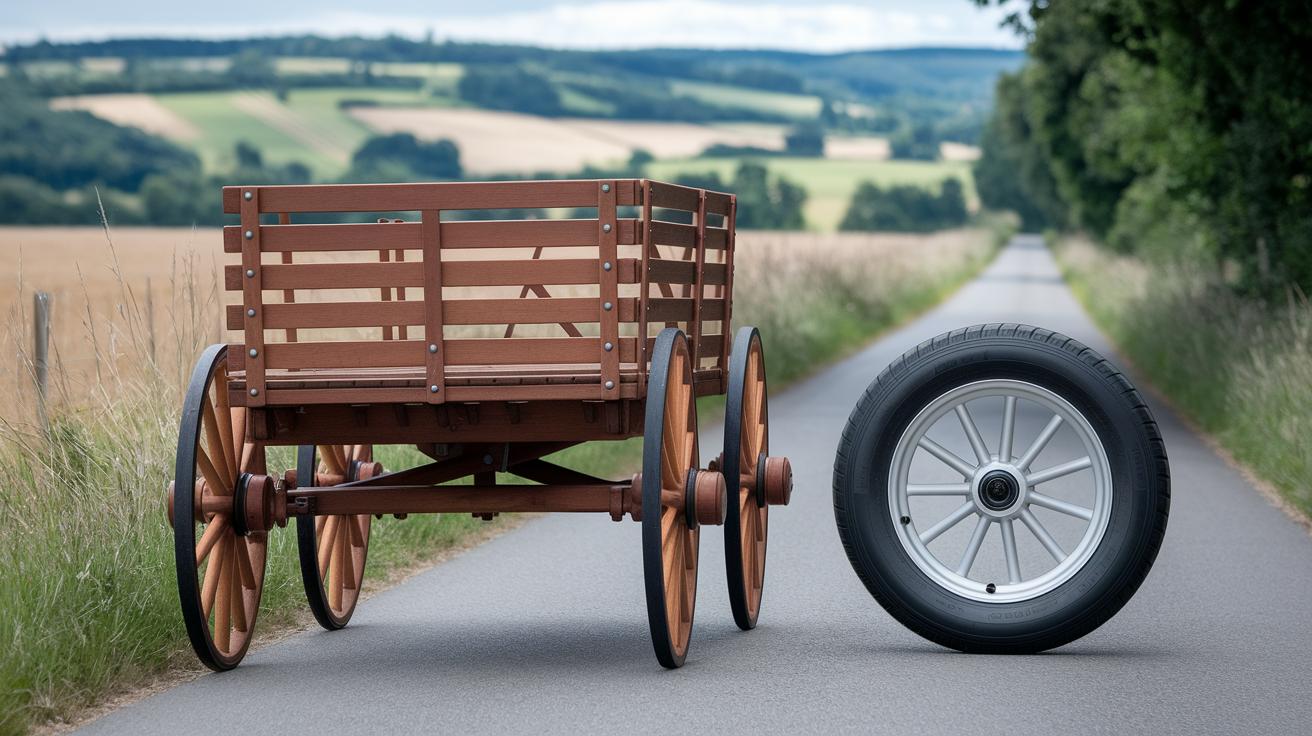
Leather-band tires on wooden wagon wheels and solid-rubber tires were the first steps in sport tire technology. These early designs made rides a bit smoother, much like swapping a hard bench for one with a soft cushion, where bumps felt less rough.
John Boyd Dunlop’s air-filled tire really turned things around for racing vehicles. It gave drivers a smoother ride and better control on sharp turns and fast stretches. Imagine your tire quickly adjusting to curves as you speed along, a real game changer for keeping things steady.
During World War II, a shortage of natural rubber led makers to use synthetic compounds from petroleum. This innovation produced tires that could handle heat and heavy stress while staying flexible at high speeds. In other words, it was like upgrading from a fragile design to a robust tire that could take on intense racing without cracking.
Mid-Century Sport Tire Advancements: Specialized Tread and Compound Engineering

Back in the day, engineers worked hard to make tires grip better on wet and snowy roads. They rethought tire patterns to help push water out fast and give drivers a solid grip even when the weather took a turn. It was an exciting time that saw new ideas boost both everyday driving and racetrack performance.
Here are some of the big changes they made:
- Water-evacuation groove designs (grooves that quickly move water out from under the tire)
- Snow-specific siping patterns (small cuts that help tires bite into snowy surfaces)
- Silica-based wet-weather compounds (a special mix that helps tires stick better in rain)
- Radial profile adoption for lateral grip (sideways strength for better handling during turns)
- Tread-block shape optimized for cornering (how does tire tread design affect high performance tires)
These improvements brought clear benefits on both the track and the street. The new groove designs quickly cleared away water, allowing the tire to keep more contact with the road during a downpour. And with the snowy siping patterns, drivers could feel more secure on slippery roads. Adding silica to the compounds helped the tires stick in wet conditions, while switching to a radial profile gave a firmer, more stable feel during quick turns. Plus, the updated tread-block shapes made high-speed cornering safer by letting the tire adjust better on curves.
It’s kind of like finding that perfect rhythm on a long drive. Every tweak, no matter how small, added up to a smoother, safer ride for everyone.
Energy Crisis to Modern Era: Rolling Resistance and Rubber Formulation Breakthroughs

Back in the 1970s, when fuel shortages were a real headache, tire makers got creative to help drivers save on gas. They set out to develop new rubber formulas that used less energy when rolling, think of it like easing off the gas pedal just a bit to stretch out every drop of fuel. These early mixes balanced saving fuel with giving you enough grip for regular driving and even a little spirited zooming around town. With fuel in short supply, this challenge sparked lots of research that not only made tires more fuel-efficient but also led to tougher, better rubber in the years that followed.
Then, in the late 1980s and through the 1990s to the 2000s, tire technology really took off. Engineers introduced advanced polymers (that means high-tech materials built to handle more heat and wear) to create tires built for high speeds without sacrificing durability and grip. They tweaked their rubber formulas so much that today’s tires offer a smoother ride, firmer handling, and longer life in all kinds of weather. It was a true turning point where saving energy, managing heat, and extending tire life came together perfectly, setting the stage for the impressive, high-performance tires we rely on now.
Smart Sport Tire Technology: Sensors, AI, and Performance Analytics

Sport tires these days come with tiny sensors that act like a built-in health check. They constantly monitor things like tire pressure, temperature, and how quickly the tread wears down (tread wear means the surface slowly gets thinner). It’s like having a small pit crew in each tire, keeping everything in check. Imagine the soft purr of a finely tuned engine while your car quietly checks that your tires have the right pressure even in rainy weather or on sharp turns.
AI takes this sensor data and turns it into helpful advice for your drive. The smart system looks at the numbers to guess when tire pressure might drop or if there are any signs of wear that could cause trouble. It even sends alerts when it’s time to get your tires looked at. In simple terms, it’s like having a tire expert riding shotgun, letting you know when your tires need a bit of extra attention so you can enjoy a smoother, safer ride.
Future Directions in Sport Tire Technology: Sustainable Materials and Airless Designs

Airless lattice-structured tires are changing the game by ditching old inner tubes. Their clever design makes them naturally flat-resistant, even when you’re pushing high speeds or tackling rough tracks. They’re built to cut down on flats and give you a steadier ride, which means less time worrying about maintenance. Imagine hitting the track with tires that almost take care of themselves, letting you focus on having fun and keeping control.
Scientists are now mixing in bio-based ingredients to build eco-friendly race tires. They’re using things like soybean oil and dandelion rubber (a natural rubber substitute) to lessen our need for petroleum. These natural components make tires that are both flexible and tough, all while being kinder to our planet. It’s like every spin of the wheel is a step toward a cleaner, greener future.
The rise of electric and self-driving cars is changing what we need from tires. Modern vehicles need tires that can take on heavier loads and produce less noise on the road. To meet these challenges, tire makers are trying out new methods like 3D printing (a way to build objects layer by layer) and nanocomposite research. These techniques help them fine-tune tire features to suit next-generation vehicles. It’s pretty thrilling to see how advanced production is not only boosting tire lifespan but also paving the way for a more eco-friendly type of racing around the world.
Final Words
In the action, this piece ran through decades of sport tire progress, from early leather bands to smart tires with sensors. We covered key shifts, like the boost from pneumatic designs and the rise of low-rolling-resistance materials. Each phase helped shape the evolution of sport tire technology over the decades, giving drivers better grip and more confidence. With safe rides and performance in mind, it's exciting to see what the future holds for tire advancements.
FAQ
What is the history of tires timeline?
The history of tires timeline spans from early leather-band and solid-rubber designs in the mid-1800s to Dunlop’s pneumatic breakthrough and today’s sensor-equipped models, showing steady improvements in comfort and performance.
How did tires evolve over time?
Tires evolved from basic wooden wheels with leather bands to solid-rubber designs, pneumatic models, and modern smart tires with sensor technology, improving ride comfort, durability, and on-road performance.
When was the first tire invented or made?
The first tires were made in the mid-1800s from leather bands and solid rubber, providing early shock absorption for bicycles and automobiles, setting the stage for later innovations.
When did tires come out on Netflix?
The phrase “tires come out Netflix” does not refer to the tire invention timeline; it may be related to a show or documentary, but there is no widely recognized Netflix release on tire history.
What is known about the first tire company?
The first tire company emerged from early European innovations, where inventors commercialized pneumatic tires, helping to shape the modern tire industry with improved manufacturing methods.
What does “Tire Wikipedia” refer to?
“Tire Wikipedia” typically points to the Wikipedia page that offers a detailed overview of tire history, technology, manufacturing processes, and market evolution.
What are car tires made of?
Car tires are primarily made of rubber compounds, using both natural and synthetic rubber, reinforced with fabric and steel belts, and mixed with various chemicals to boost strength and durability.
How long did tires last in the 1970s?
Tires in the 1970s generally lasted only a few years due to simpler materials and construction, though innovations like low-rolling-resistance compounds were beginning to extend their lifespan.
How long did tires last in the 1920s?
Tires in the 1920s typically had a brief lifespan—often just one or two years—because early designs used basic materials and construction techniques compared to those used today.

