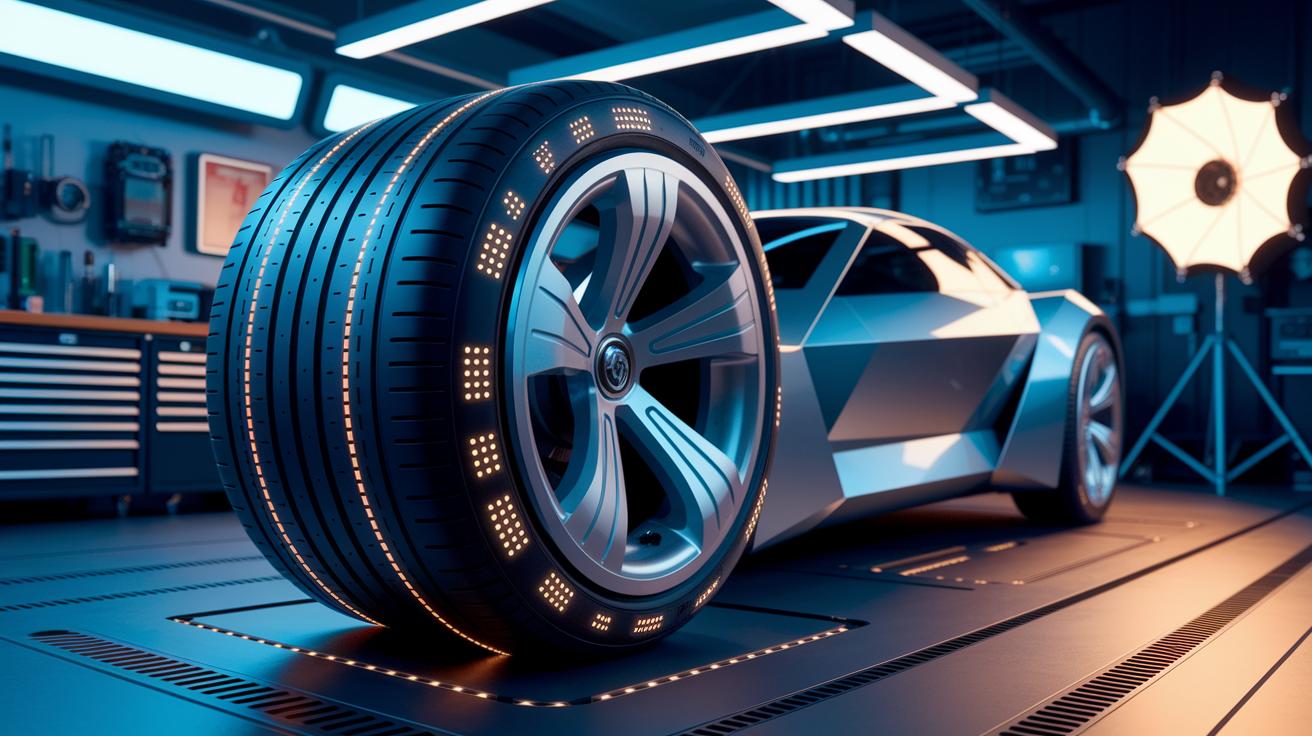


Ever wonder if your tires could chat with you? Imagine modern sensors giving you a quick heads-up when your tires need a little extra care, almost like your car is checking its own pulse. This fresh technology means smarter updates and easier upkeep, making your rides safer and smoother. In this blog, you'll see how new tire sensor trends could change the way we handle repairs and even help your car sip fuel more efficiently.
Core Advancements Shaping the Future of Tire Sensor Technology
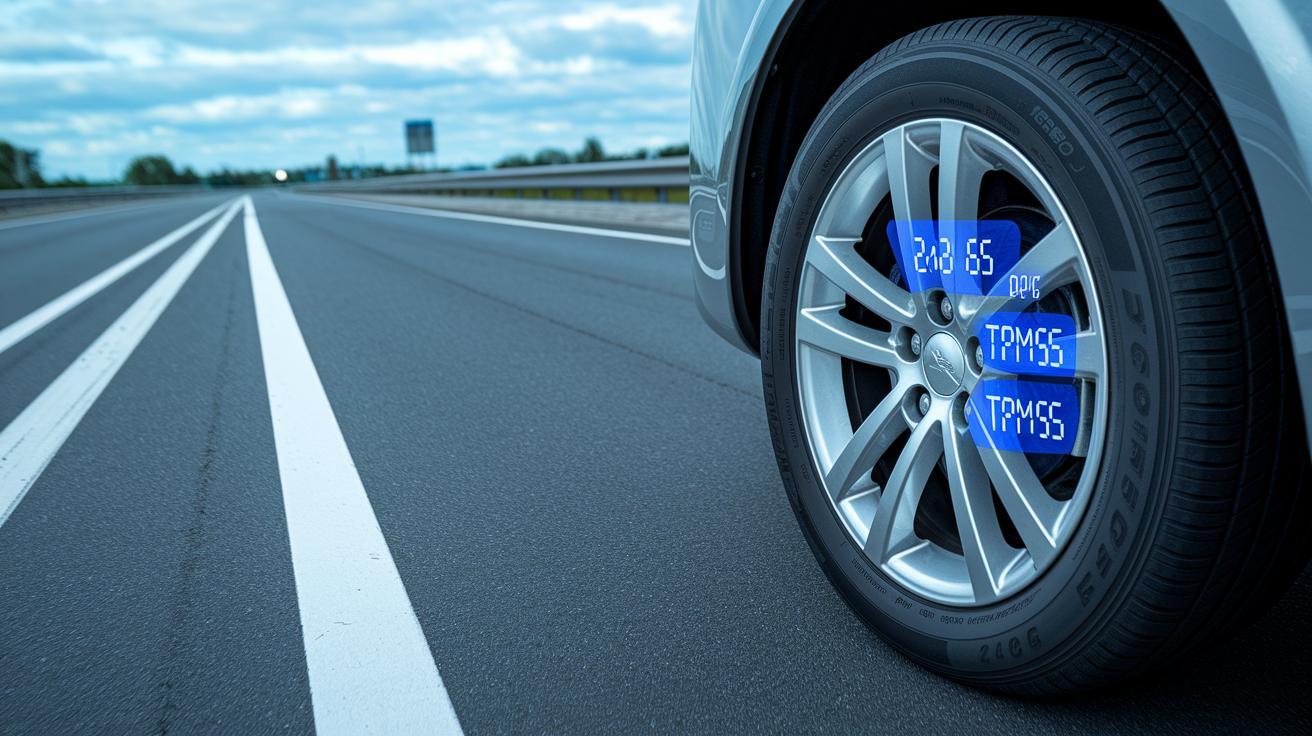
New breakthroughs in tire sensor tech are setting a fast pace for changes on our roads. Soon, smarter TPMS systems (that monitor tire pressure) will give real-time updates on how your tires are doing while also keeping an eye on temperature and overall tire health. This means you get safer roads and vehicles that run more efficiently.
Reports show big growth for tire pressure sensors. Experts expect the market to reach about $3.9 billion by 2026 with a growth rate close to 9%. Meanwhile, TPMS systems might hit around $4.5 billion in value by 2025, rising from roughly $3.5 billion in 2021 to nearly $5.1 billion by 2026. In short, these smart sensors are quickly becoming a must-have, thanks to an increased focus on safety and new ideas that really match what drivers need.
Another cool thing about these smart systems is how they help your tires work at their best. Studies suggest that keeping your tires just right, think of it like checking the gas gauge before a long trip, can boost fuel economy by about 3% and extend tire life by as much as 25%. With real-time alerts, drivers can catch problems early and garages can plan service before things get worse. This tech even helps save energy, making vehicles friendlier to the planet.
These innovations are changing the game for both everyday drivers and large fleets. Whether it’s your family car or a commercial truck, advanced tire sensors help make vehicles run smoother and keep running costs low. In the end, everyone can enjoy safer rides and more predictable upkeep, making every journey a bit more reliable.
Integrating IoT & Smart Systems in Tire Sensor Technology
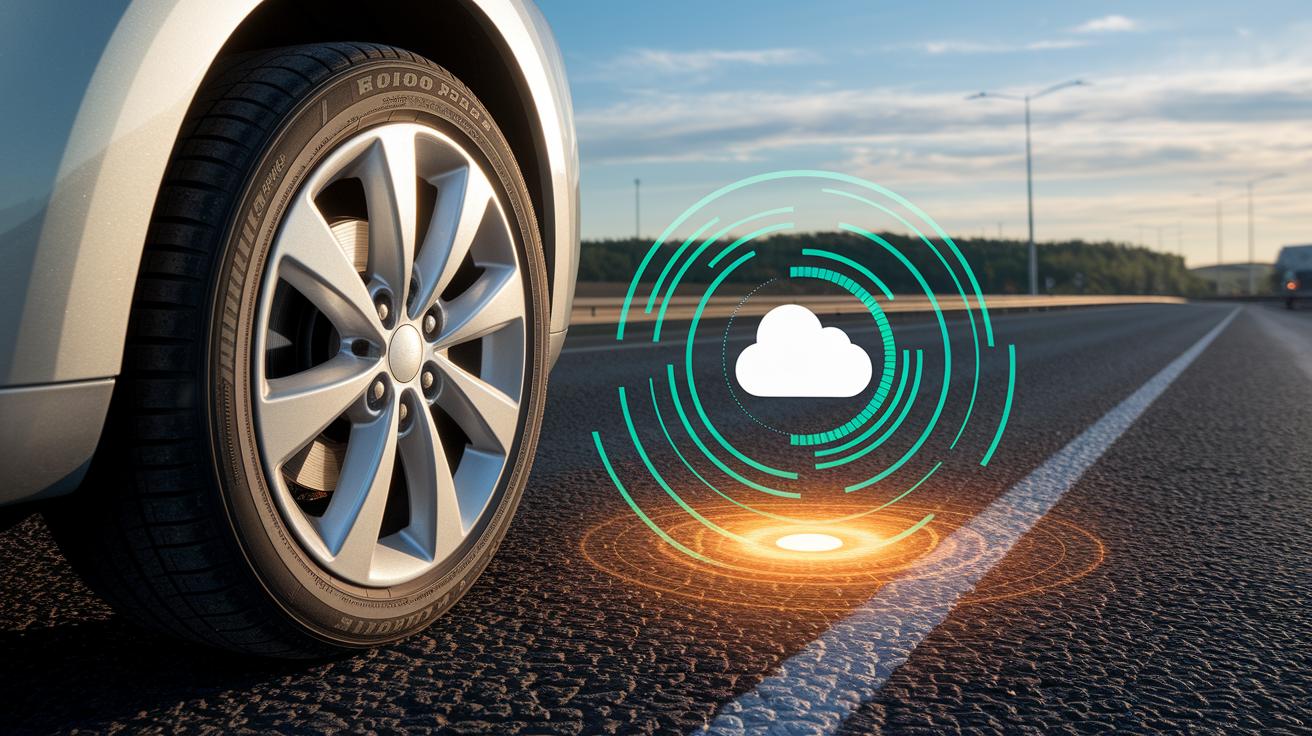
Today’s tire sensors are getting really smart by linking up with IoT systems. They now send out information like tire pressure, temperature, and how fast the tire surface wears down (that’s what we call “tread wear”) using easy wireless signals. This means data reaches your car’s computer or even the cloud almost instantly. Ever notice how a quick update can make a difference on a long drive? It’s just like the systems talked about in Wireless Connectivity in Modern Cars and Smart Tire Sensor Integration with Vehicle Systems. This steady connection helps keep your ride safe.
- real-time monitoring
- remote diagnostics
- predictive alerts
- cloud analytics
- over-the-air firmware updates
IoT in tire sensors really pays off. With tools like remote diagnostics and predictive alerts, both drivers and service crews can spot a problem early, think of it like checking your dashboard before hitting the highway. It helps keep you safe and cuts down on unexpected repair bills.
Looking ahead, these smart features make tire care easier and improve fleet management. The constant flow of tire data lets service centers plan repairs before a small glitch becomes a big headache. With almost instant feedback, fleet managers can line up timely tire maintenance, keeping vehicles on the road safely and saving money in the long run.
Advanced Hardware Innovations in Tire Sensor Technology
Today’s tire sensors are much smaller than they used to be. Thanks to tiny electronics and low-power circuit design (that means they don’t use much energy), these little devices fit easily into your tire while keeping a close eye on its health.
Engineers are now using tough, eco-friendly materials that can handle extreme heat, cold, moisture, and vibration. In simple words, these sensors not only help the planet but also work well in harsh conditions, making them both green and strong.
All in all, these new designs make tire sensors a lot more dependable and easier to look after. They give drivers real-time tips on tire health, almost like having an extra set of eyes to spot problems early. This way, you can fix issues before they become a big headache, keeping your journey smooth and safe.
Data Analytics & AI-Driven Predictive Maintenance in Tire Sensor Technology
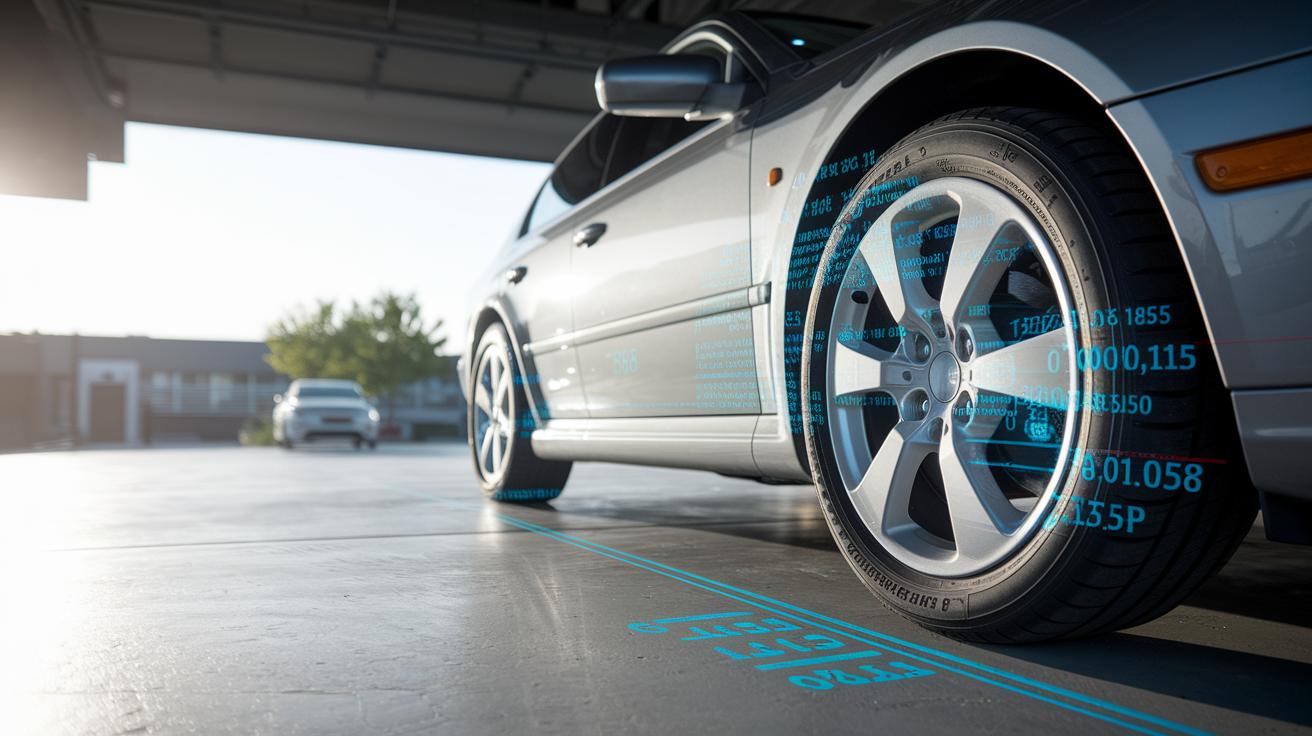
Right now, smart sensor data is making tire care quicker and simpler. Sensors constantly check tire pressure, heat (temperature), and wear (how fast the surface wears down) to catch even tiny issues. A computer program that learns from this data spots problems early, making every ride safer. Plus, keeping your tires just right can boost your fuel economy by about 3% and help your tires last 25% longer.
Smart computer programs in car check-ups are truly changing tire care. They look for patterns in all the sensor details and flag warning signs before little problems turn big. This early notice lets you get the right service at just the right time. In short, it helps you dodge unexpected breakdowns while you're out on the road.
New tools like digital twins (virtual models of your tires) and edge computing add even more efficiency. Think of it as having a digital copy of your tire so the service center can test how it might perform in different conditions. With real-time data updates and automated service planning, technicians can be ready for issues before they arise. It makes tire maintenance feel as straightforward as checking your oil on a regular drive.
Using big data to predict tire issues saves both time and money. Early fixes mean fewer costly emergency repairs. By blending smart, AI-powered checks with instant diagnostics, both fleet managers and everyday drivers can enjoy fewer surprises and smoother, more reliable rides every time.
System Integration & Autonomous Vehicle Applications for Tire Sensor Technology
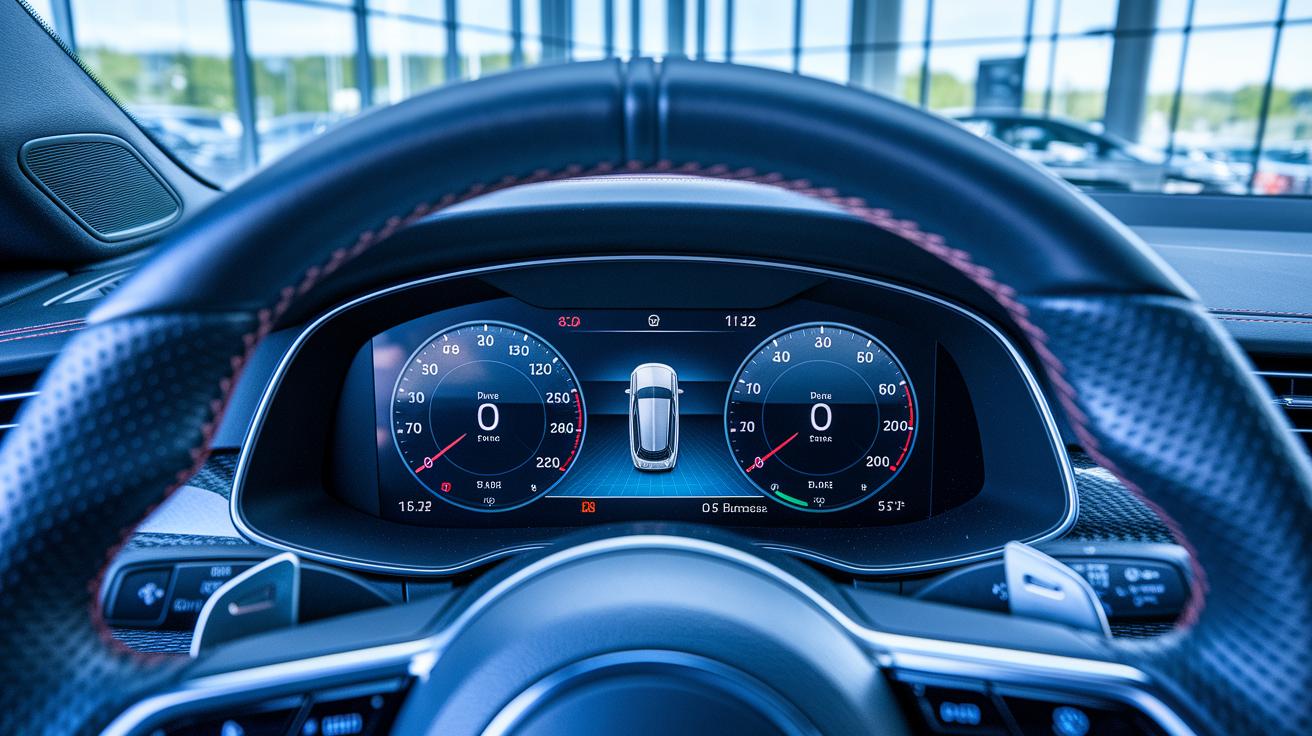
Today, tire sensor data is a big deal for safety features and even your car’s entertainment system. New TPMS sensors (that’s tire pressure monitoring systems, which show you tire pressure in real time) send vital info to your brakes and stability controls. This means your car keeps an eye on tire health all the time, so you can drive with peace of mind.
For self-driving cars, solid tire data is a must-have. These vehicles rely on sensors that constantly check your tires, helping them stay steady on every road. Sure, designing sensors that handle bumpy rides or sudden pressure changes isn’t easy, but smart remote monitoring lets the system adjust quickly when needed.
Looking ahead, making different systems work together smoothly is key. IoT-enabled tire sensors now send data both to the car’s own systems and up to cloud platforms at the same time. By connecting with other monitoring tools in your vehicle, these sensors help drive safety and improved performance for everyday rides as well as for emerging self-driving technology.
Standards, Compliance & Sustainability Trends in Tire Sensor Technology
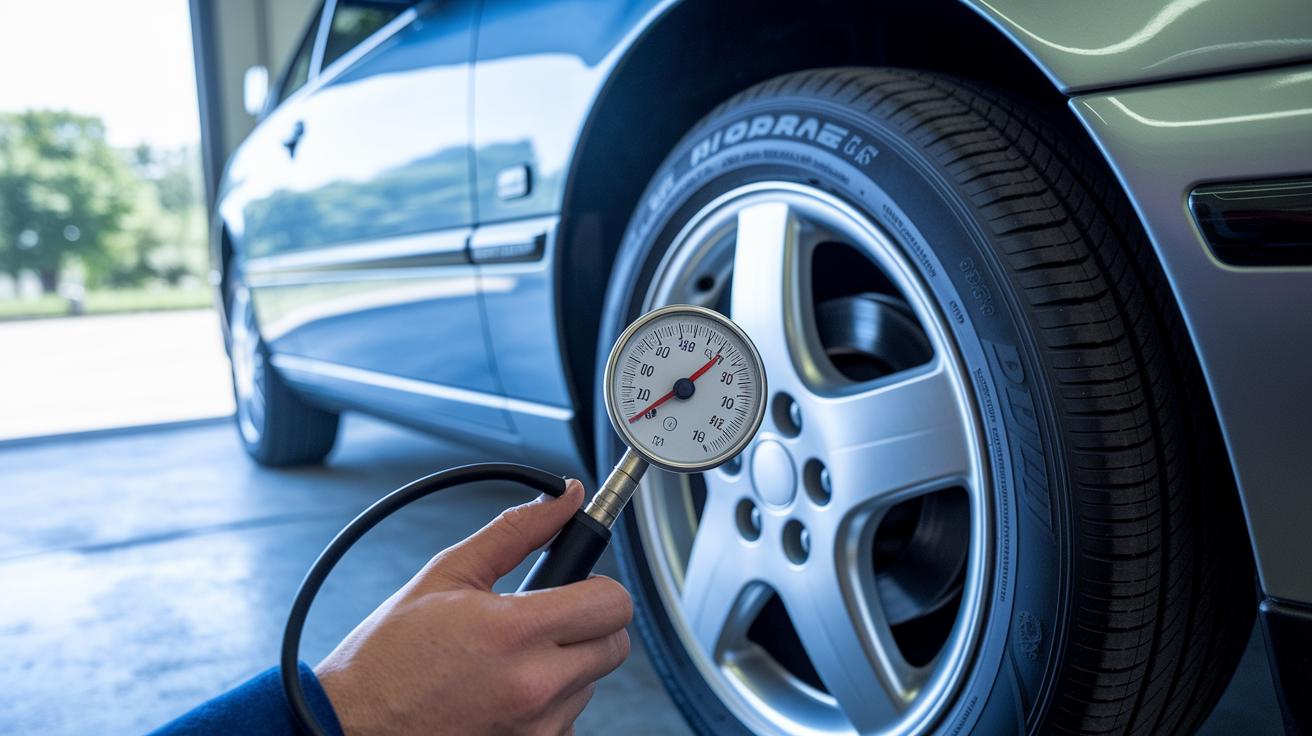
Keeping your tire pressure right helps your tires last longer, saves fuel, and even cuts down on harmful emissions. When your tires work at their best, your vehicle uses energy more efficiently. It’s a bit like tuning your car before a long trip, everything runs smoother and you waste less fuel.
New regulations are now setting clear standards for tire sensors. These updated rules push manufacturers to aim for high safety and efficiency levels. They test each sensor thoroughly, making sure they not only meet but often exceed strict safety checks. This careful approach builds trust among drivers and service centers.
Cost-cutting ideas and smarter supply chains are also taking the spotlight. By making production steps more efficient, from getting the right materials to final assembly, manufacturers can boost both quality and affordability. This means you get advanced tire sensors that are kind to your wallet while also supporting global environmental and safety goals.
Final Words
In the action, we explored how tire sensor technology is evolving with smart systems, advanced hardware, and AI-driven analytics. We saw how real-time data supports safety, performance, and greener driving solutions. The discussion spanned from IoT integration making sensors smarter to regulatory and sustainability trends boosting overall efficiency. These insights give a glimpse into future trends in tire sensor technology, all pointing to safer and more reliable rides ahead. Stay optimistic and ready for a road filled with smarter auto solutions.
FAQ
Q: What does the Future trends in tire sensor technology pdf cover?
A: The PDF on future trends in tire sensor technology explains evolving sensor innovations by detailing market growth, IoT integration, hardware breakthroughs, AI-driven diagnostics, and sustainability measures, making it a handy technical guide.
Q: What future trends in tire sensor technology are expected by 2025?
A: The trends for 2025 include smarter real-time tracking, advanced TPMS systems, improved IoT connectivity, and enhanced data analytics, which lead to better vehicle performance, heightened safety, and cost savings.


ketoconazole cream medical overview
ketoconazole cream medical overview
acular ketorolac moa
acular ketorolac moa
ketorolac tromethamine drug info
ketorolac tromethamine drug info
toradol how long it lasts
toradol how long it lasts
ivermectin strongyloides infection control
ivermectin strongyloides infection control
minoxidil faq section
minoxidil faq section
Sildenafil Effect Timing
Sildenafil Effect Timing