


Have you ever noticed how some drivers say their road trips feel really quiet and smooth? Grand touring tires can give you that extra boost. They keep the road noise down by about 20% while making stops quicker and turns sharper.
Imagine a tire that checks off safety, performance, and even fuel efficiency. It turns every long drive into a calm, controlled journey, like the steady hum of a well-tuned engine. Read on to find out how these tires combine comfort and precision for an excellent long-distance ride.
grand touring tires: Superior for Long-Distance Excellence

Grand touring tires are a top pick for long road trips and everyday highway driving. They make your ride smooth and keep road noise low, almost like a quiet whisper that lets you enjoy the journey.
Imagine being on the highway and feeling the steady hum of your engine paired with tires that hold the road confidently. Many drivers notice that these tires can cut down cabin noise by nearly 20% compared to regular ones.
So, what exactly are grand touring tires? They blend comfort with performance, offering quicker braking (this means your car stops faster when needed) and precise handling for corners. Their multi-rib tread patterns (small grooves on the tire that grip the road) keep you steady, even at higher speeds.
They’re built to last long and help with fuel efficiency, so you can cover more miles without extra pit stops. And with professional installation and regular maintenance, like keeping the pressure right and rotating them, you’re set for a safer, more comfortable drive no matter where you’re headed.
Grand Touring Tire Construction and Advanced Design Technology
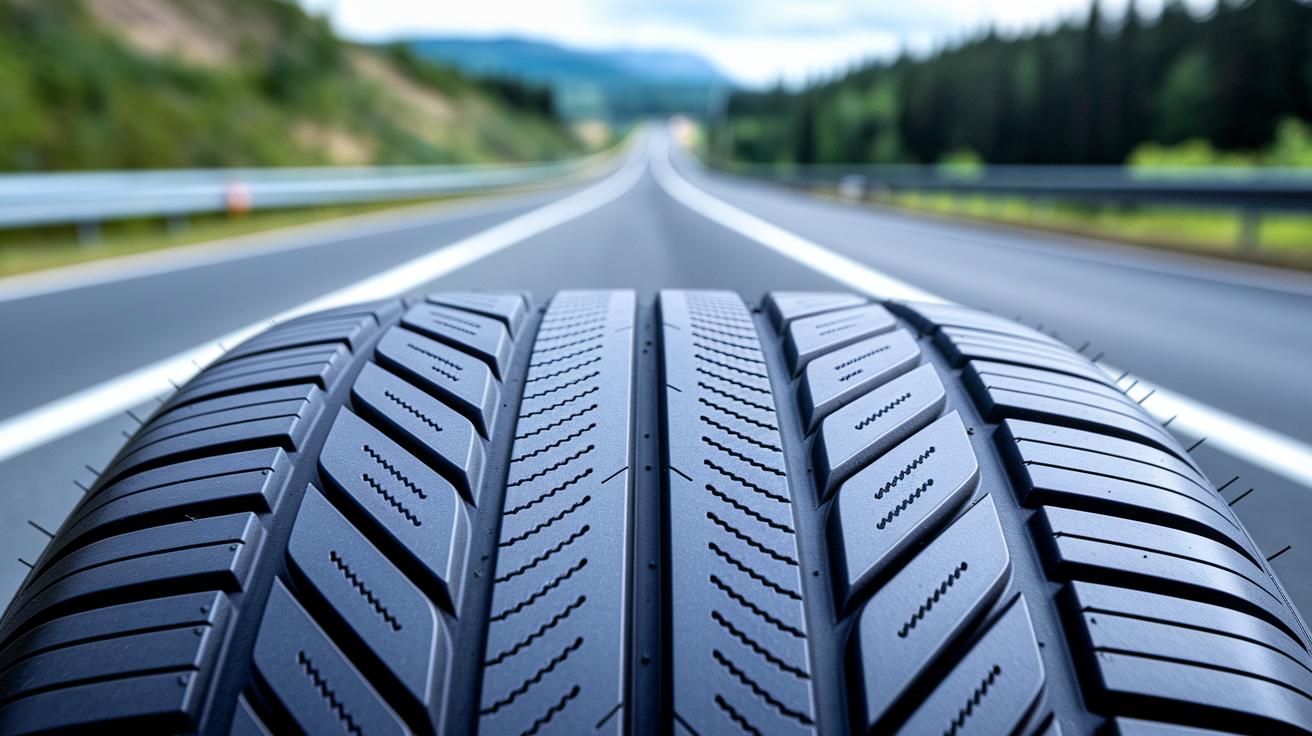
Grand touring tires are built with modern materials that give you a smooth, confident ride on long trips. They use special rubber compounds mixed with silica (a substance that helps your tires grip the road) to perform well in all weather and cut down on energy loss as you drive. Multilayer steel and polyester belt plies work together to keep the tire’s shape steady when you're speeding along, and a well-thought-out sidewall helps the tire handle higher speeds.
These tires also feature smart tread patterns that mix continuous ribs with grooves that push water away, keeping you safe when roads get wet and keeping the noise down. Imagine your car gliding through a light drizzle, these grooves act like tiny channels, moving water off the tire so you get a firm grip without extra noise.
Modern design now offers low-profile compatibility, which means you can enjoy the classic comfort of grand touring tires even with trendy, sportier wheels.
Key components that make these tires stand out include:
- Multilayer steel and polyester belt plies
- Silica-enhanced tread compound
- Circumferential water-evacuation grooves
- Reinforced sidewall design
All these parts work together to give you tires that are built for long rides while still offering smooth, everyday handling on the road.
Key Performance Metrics and Specifications for Grand Touring Tires
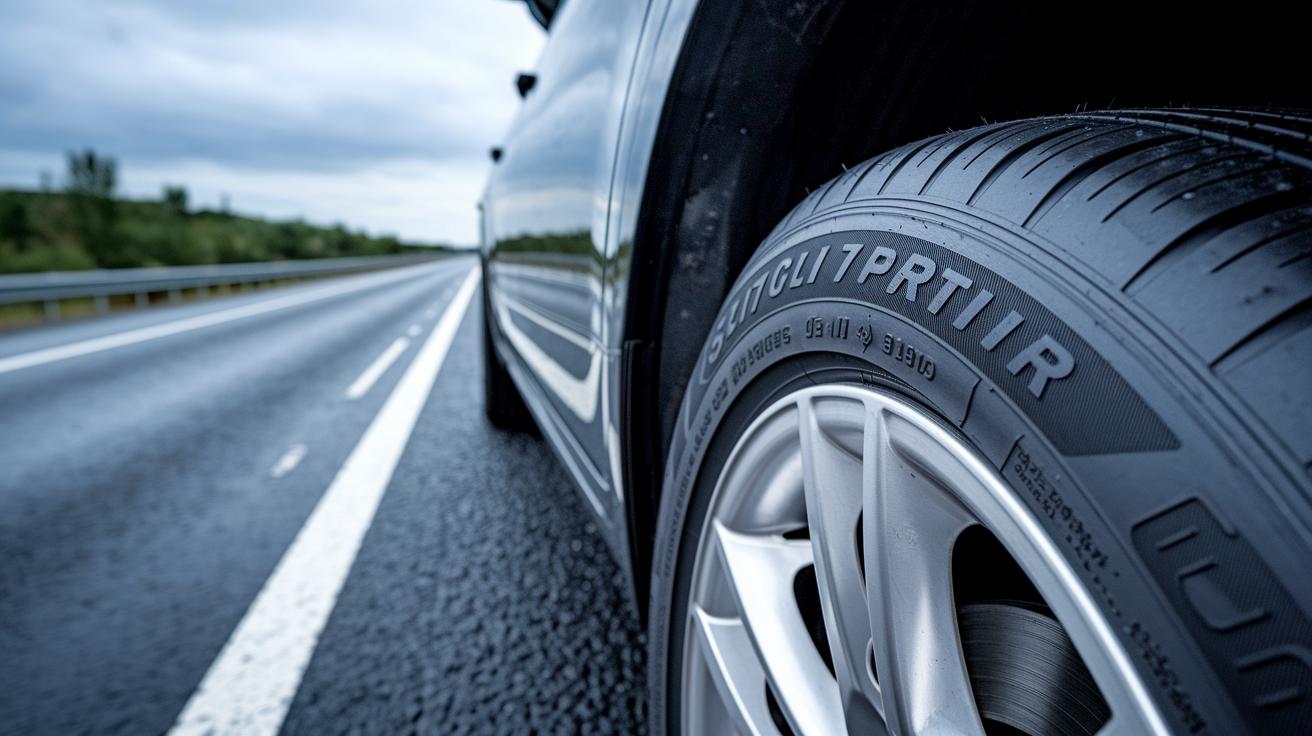
Grand touring tires are made for drivers who like clear numbers they can count on. They come with speed ratings from V to W, which means you get tires that handle quick turns and braking with confidence. Plus, they keep the noise level under 70 dB, giving you a quiet ride even during long highway trips.
These tires also help your car run a bit more efficiently by saving 1–2% on fuel compared to standard touring tires. That little boost means you can get extra miles from each fill-up. And when it comes to grip, they perform really well in wet conditions. In tests, they often earn EU grades A or B (grades that show how well a tire holds the road when wet), so you'll feel safer on slippery surfaces.
They can even handle a light dusting of snow, working well in temperatures up to 0 °C. This makes them a smart pick if you live in an area that gets mild snow, though they aren’t built for heavy winter conditions.
Every one of these specs highlights the focus on safety and efficiency. When you lay these numbers side-by-side, it’s easy to see why grand touring tires are a top choice for drivers who want a smooth, reliable ride with real performance.
| Metric | Grand Touring Performance |
|---|---|
| Speed Rating | V – W |
| Cabin Noise | Under 70 dB |
| Fuel Efficiency | 1–2% savings |
| Wet Grip | EU Grades A or B |
| Light Snow Traction | Effective up to 0 °C |
Comparing Grand Touring Tires to Standard and Ultra-High Performance Models
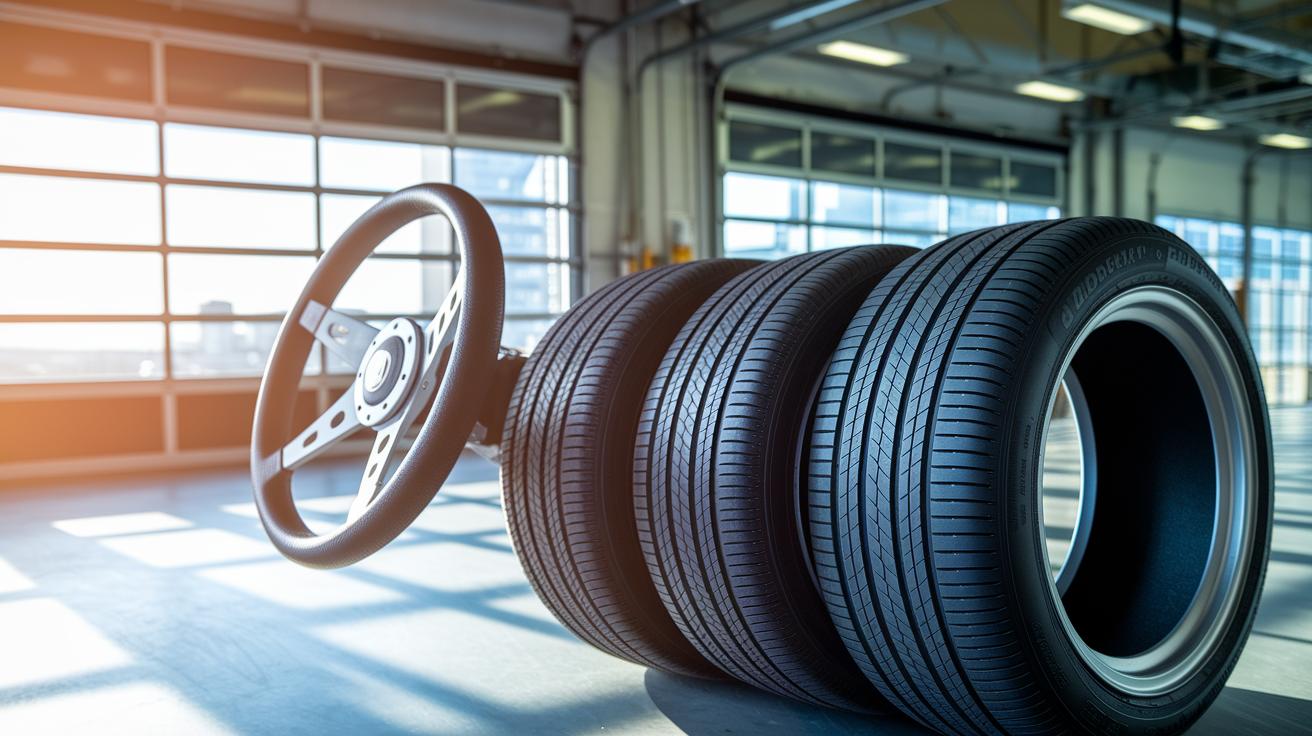
Standard touring tires are all about long, comfortable rides. They’re built to last, but you might notice they don’t handle quick lane changes or sudden stops as smoothly. Grand touring tires, on the other hand, step up the game with a mid-to-high speed rating. This means they’re ready for speedy maneuvers while still keeping the ride nice and cozy.
Ultra-high performance tires focus on that top-notch cornering and braking control. They give you sharp handling, but they tend to wear out faster and offer a stiffer ride, which can feel a bit rough on long trips. Grand touring tires strike a sweet balance here. They hold up well on wet roads and even manage light snow when temperatures are above 0 °C. Plus, they run quieter than most performance options, making for a less jarring experience.
It’s really a matter of finding what suits your driving needs. Grand touring tires offer solid all-season performance with a dash of extra handling flair, giving you a reliable ride without going to extremes.
For more info on the differences in everyday tire performance, check out touring tires vs all season tires.
Top-Rated Grand Touring Tire Models and Expert Reviews
BFGoodrich Advantage Control
The BFGoodrich Advantage Control features a sturdy multi-rib tread design (that means several parallel grooves to help the tire last longer) which makes long drives smoother and safer. It’s built to endure tough highway miles, so you can feel at ease knowing your tires are there for you. Imagine setting off on a long trip with tires that truly embrace the journey, giving you steady and confident support.
Goodyear Assurance ComfortDrive
Goodyear Assurance ComfortDrive is known for its quiet ride inside the cabin, keeping road noise at about 70 dB. Its stylish sidewall isn’t just for looks, it also helps the tire stay stable on the road. Picture it as a quiet road buddy, letting you enjoy your favorite songs while the gentle hum of the tire keeps you company.
Vredestein Hitrac
Vredestein Hitrac brings balanced performance to the table by offering all-season grip along with sure handling in cooler weather, even when temperatures dip to 0 °C (that’s zero degrees Celsius). Its design helps you steer with ease, making it a good fit for changing weather. Think about setting off on a brisk morning, feeling confident as your tires adjust smoothly to the cool breeze.
Bridgestone Turanza QuietTrack
Bridgestone Turanza QuietTrack is made for consistent wet road performance, tested at an A-grade level, which means it handles rain very effectively. It also comes with long mileage warranties, so you can count on it over many miles. For instance, recent tests show it stays reliable on wet roads, keeping your car safe and steady no matter what the weather throws at you.
For a closer look at these models and to see how they compare, check out tire brand ratings.
Grand Touring Tire Buying Guide: How to Choose the Right Set
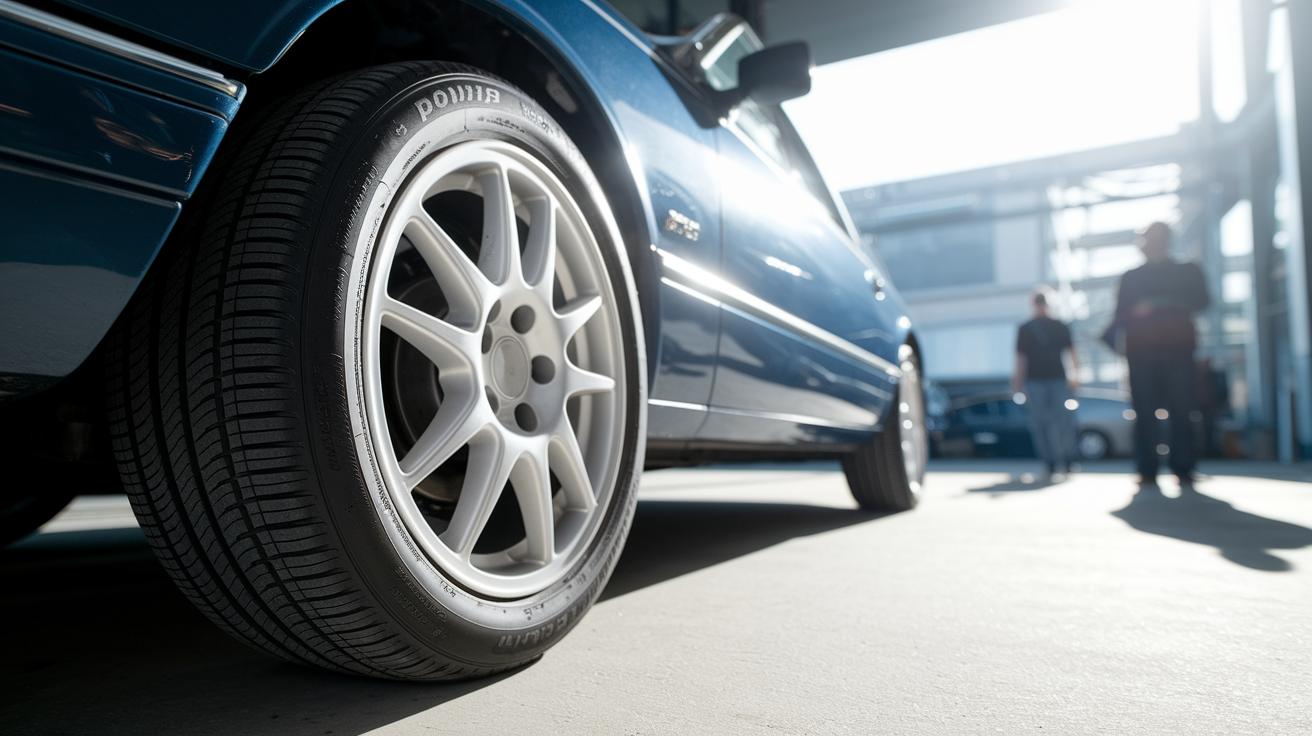
When you're picking out grand touring tires, start by checking what your car really needs. Look at your tire size, load index (a number that tells you how much weight each tire can handle), and speed rating to make sure they fit your car perfectly. It’s a lot like choosing shoes that fit before heading out on a long walk.
Think about the roads you usually drive on. If you often hit wet streets or even face a few cold winter days, an all-season tire could be just the ticket. These tires are built to handle different weather and road types, like a friend who’s always up for an adventure no matter where you go.
Also, take a moment to review the warranty details. Mileage warranties usually fall between 60,000 and 80,000 miles. A solid warranty can be a good sign that the tires were made to last and that the manufacturer really stands behind their product.
You might consider mounting the tires yourself as a way to save a bit of cash, but having a professional do it often pays off. Experts use the right tools to balance and align the tires, which helps them wear evenly and keeps your ride smooth.
Key points to remember:
- Make sure your tire's size and ratings match your car's needs.
- Choose all-season tires if you face different weather and road conditions.
- Look at the warranty details to get a sense of the tire's durability.
- Think about having a pro install your tires for the best performance.
By weighing all these factors, you can find the perfect set of grand touring tires. This way, you'll be set for safe and smooth journeys down every road ahead.
Expert Maintenance Tips to Extend the Life of Grand Touring Tires
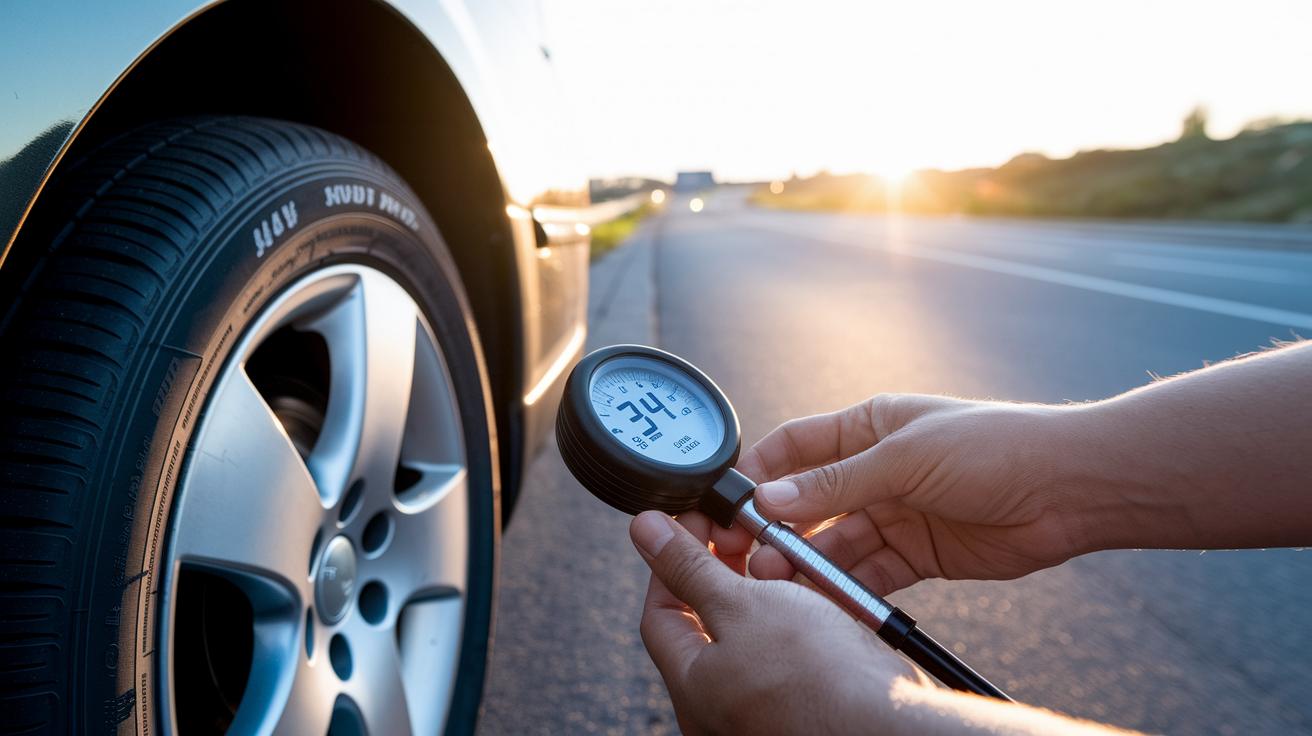
Keeping your tires in great shape can be as simple as following a few easy tips. For instance, always try to keep them at 32–36 PSI (that’s the air pressure level that helps the tire touch the road properly and even saves you gas). A tire with the right pressure gives you a smoother and more comfortable ride.
Next, don’t forget to rotate your tires every 5,000–7,000 miles. Think of it like switching seats during a long trip so everyone gets a fair ride. If you ever feel odd vibrations while driving, it might be time to check your wheel balancing and alignment. This step can stop extra wear on the tire’s shoulder (the side part) and help keep everything running steady.
A few more ideas to remember:
| Tip | What to Do |
|---|---|
| Pressure Check | Use a good gauge at least once a month. |
| Tire Rotation | Rotate every 5,000–7,000 miles to keep wear even. |
| Balancing/Alignment | Have them checked annually or when vibrations occur. |
| Tread Inspection | Replace tires when grooves hit wear lines or after 50,000–60,000 miles. |
| Tire Storage | Keep off-season tires in a cool, dry spot away from the sun. |
Following these simple ideas helps you enjoy a safer, smoother drive while making your grand touring tires last longer. Isn’t it nice to know a few small steps can make a big difference?
FAQs About Grand Touring Tires
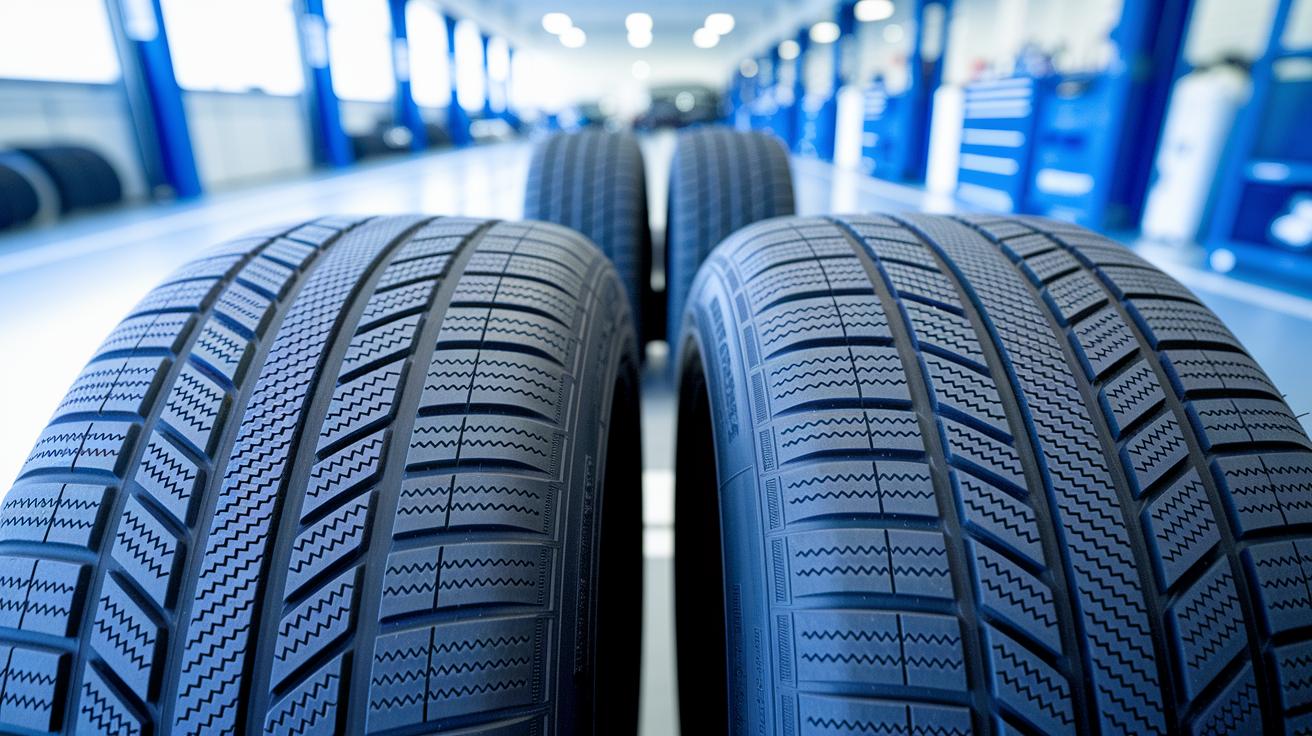
Q: How can I tell if my grand touring tires are wearing unevenly?
A: Look for one side that wears down faster. Check your tire treads often. If you see one edge looking smoother than the other, it's a good idea to have a pro check your alignment. For example, I once saw one side of my tire looking worn out, and a quick alignment check showed a misaligned wheel was the reason.
Q: What should I do if I experience unusual vibrations during driving?
A: If you feel strange vibrations or a wobble when driving, it might mean your tires are off balance or need an alignment. Have a professional check the tire pressure, balance (making sure the weight is evenly spread out), and mounting. I remember my steady hum turning into a slight wobble, and a balance check soon fixed the issue.
Q: Is it true that grand touring tires handle heavy winter conditions?
A: Not exactly. Grand touring tires work fine for light snow or chilly days down to about 0 °C, but they aren’t built for heavy winter weather. For those tougher conditions, it’s best to use special winter tires. One friend learned this the hard way when he expected his grand touring tires to handle a heavy snowstorm.
Q: Can routine tire rotations help extend their mileage?
A: Yes, rotating your tires can spread out the wear evenly over all four. This helps the tires last longer. I rotate mine every 6,000 miles, and it really makes a difference in keeping the wear balanced and extending the mileage.
Q: What extra steps can keep the fuel efficiency benefits intact?
A: To keep the fuel savings, regularly check your tire pressure and alignment. Keeping your tires inflated to the right level helps them roll smoothly, which can boost your fuel efficiency by about 1–2%. I usually give my tires a quick check before a long drive to make sure I’m getting that extra fuel benefit.
Final Words
In the action, this article showed how grand touring tires bring a smooth, quiet ride along with excellent handling and fuel savings. It walked through tire design highlights, performance comparisons, and tips on choosing the right tires. We also shared maintenance advice that helps extend tire life. With these clear insights, you can drive with confidence and keep your ride safe and steady. Enjoy every mile with a smile and a set of tires that truly perform.
FAQ
What do grand touring tires mean?
The term “grand touring tires” means these tires mix comfort and stable handling for long drives, making everyday highway trips quiet and smooth while keeping a focus on performance.
How do grand touring tires compare to all-season tires?
The comparison between grand touring and all-season tires shows that grand touring models offer improved handling and speed ratings while still delivering the all-weather capabilities of regular all-season tires.
What do reviews say about grand touring tires?
Reviews say grand touring tires provide a blend of quiet comfort and responsive handling with excellent wet grip, making them a solid choice for drivers looking for a mix of performance and durability.
Who makes grand touring tires, including Grand Tourer versions?
The answer is that brands like BFGoodrich, Goodyear, Vredestein, and Bridgestone manufacture grand touring tires, each offering models that balance comfort, performance, and reliability.
What are all-season grand touring tires?
All-season grand touring tires are designed to handle various weather conditions, including wet roads and light snow, while still offering the comfort and performance expected from grand touring models.
What are the best grand touring tires?
Reviews and expert opinions point to top models from established brands that deliver quiet performance, excellent wet grip, and responsive handling, making them some of the best choices for long-distance driving.
What is the typical price range of grand touring tires?
The price of grand touring tires varies by size and brand but generally falls in a mid-range bracket that reflects their advanced design features and balanced performance for everyday highway use.
How do grand touring tires differ from ultra high performance tires?
Grand touring tires differ from ultra high performance models by focusing on comfort and longevity for daily driving, while ultra high performance tires are tuned for aggressive cornering and extreme handling, often sacrificing ride comfort.
Are Riken tires made by Michelin?
The answer is that Riken tires are not made by Michelin; they are produced by a different company, catering to distinct market needs and design approaches.
Are grand touring tires good in snow?
Grand touring tires perform well in light snow conditions when temperatures are above 0 °C, offering moderate traction; however, they are not optimized for heavy snow scenarios.
How long do grand touring tires typically last?
Grand touring tires typically last between 50,000 and 80,000 miles with proper maintenance such as regular rotation, alignment, and keeping the tire pressure within recommended levels.

