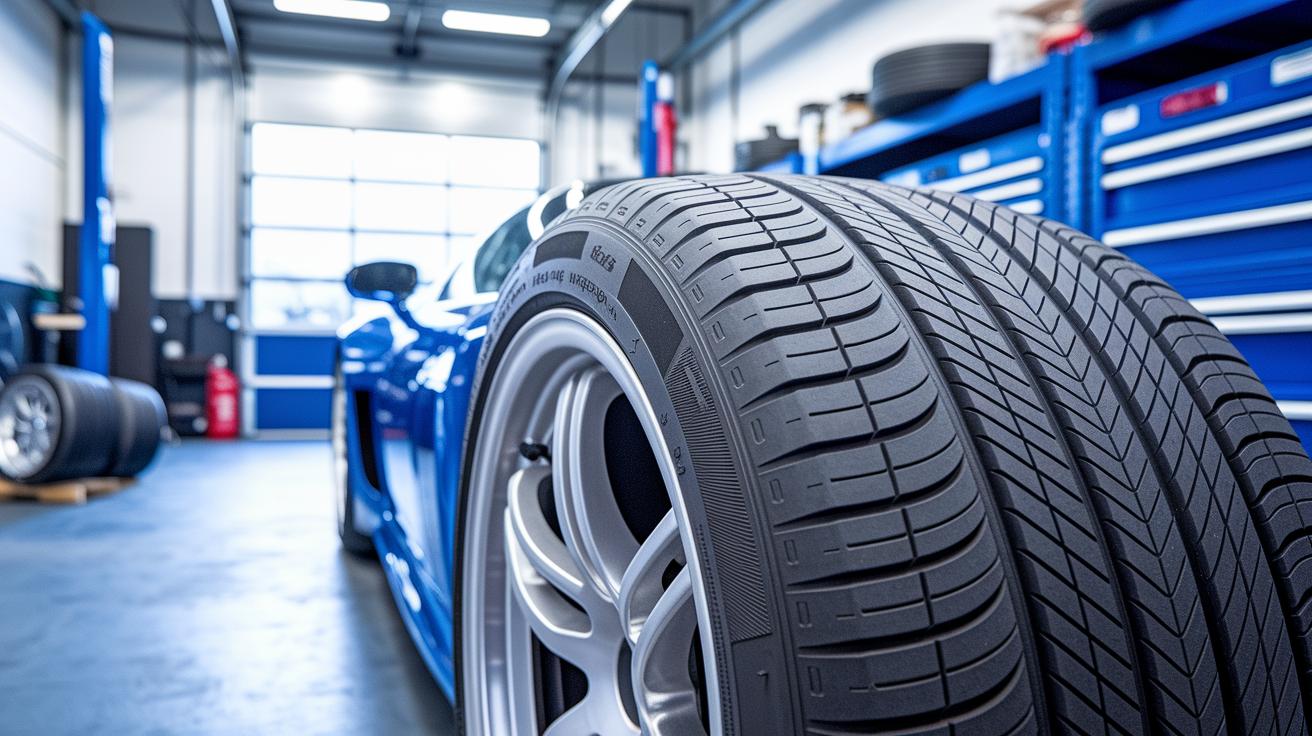


Ever thought about whether your tires are really safe on the road?
Missing a monthly tire check might seem small, but it can turn into a big hassle later on.
High performance tires need a little extra care. You have to check things like air pressure, look for any odd wear, and make sure there aren’t any cuts or bulges (those little bumps in the sidewalls can be a warning sign). These simple checks are like giving your car a quick tune-up, it keeps your drive smooth and safe.
Stick around as we share some handy tips. A bit of regular upkeep not only boosts how your car runs but also makes every trip a little more secure.
High-Performance Tire Safety Tips: Essential Preventive Maintenance Practices

Regularly checking your tires is key to staying safe on the road. You should check the air pressure at least once a month and before long trips because the right pressure helps your tires do their best. Follow the tips in your car's manual or the info on the driver's door jamb to spot early signs like cuts, bulges, or cracks. It’s pretty much like running through a trusted car maintenance checklist to catch little issues before they turn into big problems.
It’s not just about keeping the right psi (that's the measure of air pressure) – it’s also important to look over your tires regularly to see if anything is stuck in them or if the wear looks uneven. Even a small puncture or sign of damage can weaken the tire and affect your control on the road. By checking these details, you can catch problems early and keep yourself and your passengers safer during everyday drives.
Keeping a safe distance from the car ahead is another simple way to help protect your tires. This habit stops you from making sudden stops that can put extra wear on tires that might already be a little tired. When you combine regular tire checks with careful driving, your tires stay in great shape, which makes your ride smoother on any road. These easy maintenance tips can help your tires last longer and give you the peace of mind to hit the road confidently.
High-Performance Tire Safety Tips: Choosing the Right Tires for Optimal Safety
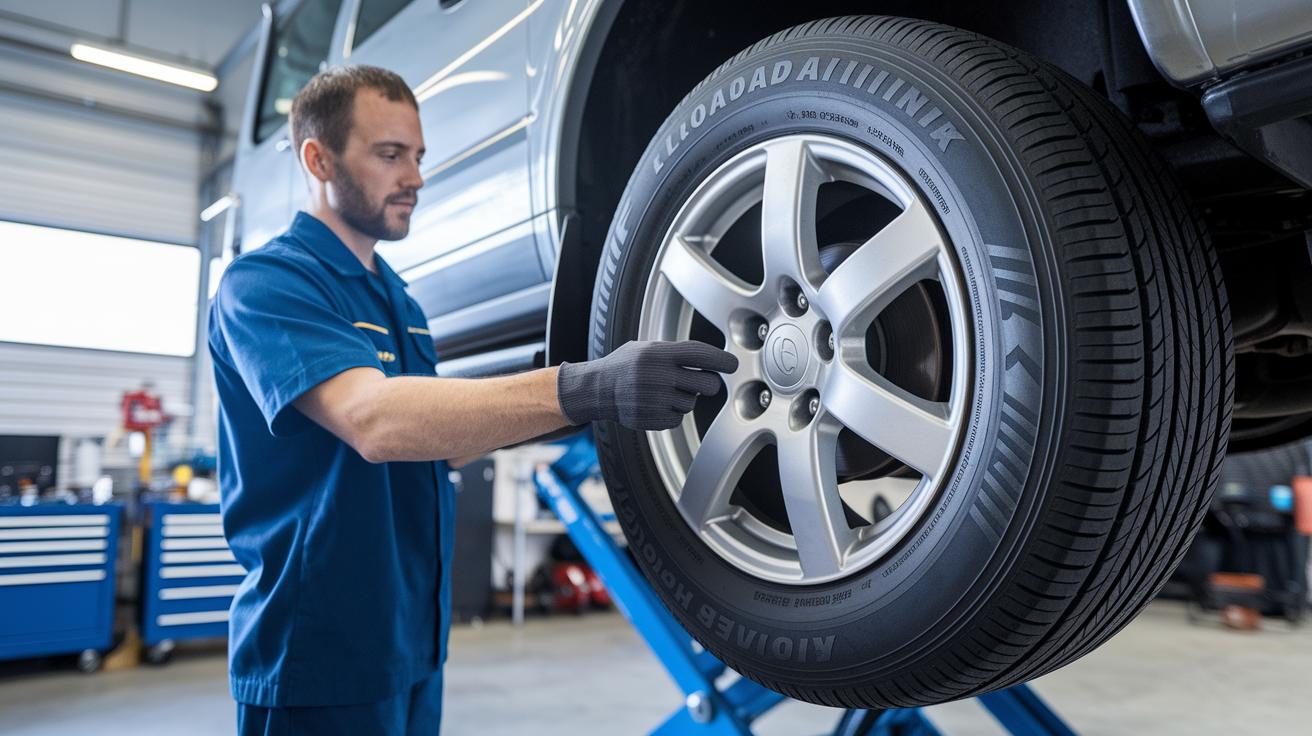
Picking the right tires for your car is the first step in keeping you safe on the road. Good tires can handle your car's weight, work well at different speeds, and keep a strong grip on the road. Ever notice how a smooth ride can make your day a bit brighter?
| Selection Factor | Specification Range | Safety Impact |
|---|---|---|
| Load Index | Varies with vehicle capacity | Shows that the tire can safely hold the car (like a sturdy foundation) |
| Speed Rating | Ranges based on driving needs | Helps maintain control when driving faster |
| Compound Type | Engineered for different road conditions | Influences the tire’s grip and how quickly it wears down |
When you match the tire’s load index, speed rating, and compound type to your car and driving style, you lower the risk of premature wear and unsafe situations. This way, every time you hit the road, your ride is smooth, reliable, and safe.
High-Performance Tire Safety Tips: Rotation Scheduling and Professional Service

Getting your tires rotated on time is like giving them a little tune-up. For high-performance tires, swap them around every 6,000 to 8,000 miles. This helps them wear out evenly and keeps them ready for all types of roads. It’s like making sure every tire gets its chance to shine and keep you safe along the way.
They usually suggest an X pattern, which means switching tires from the front to the back and also from side to side. Think of it like swapping seats in your car so every tire gets its turn on the road. This back-and-forth switch helps balance the wear and keeps your grip steady. Plus, it stops one tire from wearing out too fast and keeps your ride smooth over time.
Letting a pro handle your tire rotation can really pay off. They can spot little issues like misaligned wheels or suspension troubles (the parts that connect your tire to your car) while they work on your tires. By checking the balance, they help you avoid unnecessary shakes or vibrations. Trusting an expert means catching small problems early, so your vehicle keeps running its best.
High-Performance Tire Safety Tips: Optimizing Inflation and Monitoring Systems

Keeping your tires inflated with the right psi is key for smooth handling and even wear. Checking the pressure every month with a good gauge is a smart, simple habit. It’s kind of like glancing at your speedometer to avoid any unexpected bumps on the road.
When your tires are underinflated, they don’t grip as well and can wear out faster because the sidewalls flex too much. Overinflation, on the other hand, makes the tire roll on only part of its surface, which can lead to uneven wear. Imagine trying to run in shoes that are too tight or too loose, the ride just isn’t as comfortable or safe.
A Tire Pressure Monitoring System (TPMS) acts like a reliable co-pilot, alerting you in real-time if your tire pressure goes out of the safe range. This extra help is great during long trips or unpredictable weather, catching problems before they turn into hazards.
Temperature changes can have a big effect on tire pressure too. For instance, a drop of 10°F can lower the pressure by about 1 psi. Just like you would add an extra sweater on a chilly day, giving your tires a check during cold weather keeps them in top shape.
High-Performance Tire Safety Tips: Advanced Inspection and Wear Assessment

Every month, take a minute to check your tire tread. A handy trick is the penny test, slide a penny into the tread with Lincoln facing down. If you see his head, the tread is below 2/32" (that means the tire surface is wearing out too fast) and needs replacing. It’s a quick check that helps catch issues before they become big safety hazards.
Next, pay attention to how the tread wears across the tire. If one part wears down faster than the rest, it could mean something’s off with your alignment or suspension. Imagine wearing one shoe that’s more worn than the other, it just wouldn’t feel right. Keeping an eye out for uneven tread wear is a smart move to keep your ride safe and steady.
Finally, give your tire sidewalls a good look. Bulges, cuts, or cracks along the sides are like warning signs about the tire’s inner strength. If you spot any of these, it’s time to get professional help and also check your wheel alignment, especially after a hard impact or once a year. This regular inspection helps keep your tires in the best shape possible, so you can drive with confidence.
High-Performance Tire Safety Tips: Emergency Repair and Spare Wheel Readiness

If you ever get a blowout on the road, the best thing to do is stay cool. Keep a firm grip on your wheel and gently slow your car down so you can safely steer off the road. Taking it slow is like easing off the gas when you feel a little wobble, you stay in control without making sudden moves.
Smart drivers always keep a good roadside repair kit and a properly inflated spare tire in their car. These kits come with the tools needed for a temporary fix, helping you get back on track quickly. Following the simple steps in the kit can keep you moving until you’re ready to switch to your spare.
When you face a puncture in the tire’s main part (the tread, which is the surface that touches the road) and it’s nearly 1/4 inch in size, it’s time to get help from a professional. An expert can repair it safely, which means you avoid risky fixes and keep your car running well.
Final Words
In the action, we saw how monthly checks, proper tire choice, regular rotations, and correct inflation work together to keep your ride safe. We talked about keeping an eye on tread wear, sidewalls, and even having a repair kit on hand. These practical tips help you steer clear of unnecessary risks and keep your tires in good shape. Follow these high performance tire safety tips to enjoy a smooth ride and get the best out of every mile.
FAQ
What does high performance tire safety tips pdf provide?
The high performance tire safety tips PDF provides clear guidance on inspection routines, proper inflation, rotation practices and tire wear assessment to help keep your tires safe and performing well.
What do best high performance tire safety tips offer?
The best high performance tire safety tips offer advice on regular inspections, maintaining accurate tire pressures, timely rotations and using monitoring systems for improved grip and longevity.
What is included in a tire safety checklist?
The tire safety checklist covers checking tire pressure, visually inspecting for cuts or cracks, assessing tread wear and ensuring proper rotation intervals, all to make sure your tires remain in good shape.
What does a tire safety presentation cover?
The tire safety presentation covers key topics like selection criteria, inspection routines, rotation scheduling, optimal inflation and emergency repair steps to keep you and your tires safe on the road.
How are safe tires linked to maintaining good traction on the road?
Safe tires provide proper surface contact, which helps maintain good traction. This means better grip, improved handling and a reduced risk of losing control under various road conditions.
What information does a tire ratings chart offer?
The tire ratings chart gives details on load index, speed rating and traction performance so you can compare how different tires perform and make a smarter choice for your vehicle.
What do NHTSA tire ratings indicate?
The NHTSA tire ratings indicate how well tires perform in tread wear, traction and temperature handling, helping you select tires that meet strict safety standards and enhance overall control.
How is a tire traction rating determined?
The tire traction rating shows how well a tire grips wet surfaces. A higher rating means better wet grip and improved braking performance during slippery road conditions.
What is the 7’7 rule for winter tires?
The 7’7 rule for winter tires advises maintaining at least a 7/32 inch tread depth, which helps ensure proper grip on snowy or icy roads and supports safer driving in cold conditions.
How long do new tires take to break in?
New tires generally need around 500 miles to break in, allowing the tire compound to settle and deliver a smoother ride along with improved handling and performance.
What does the 50/50 rule for spare tires mean?
The 50/50 rule for spare tires means that when using a spare, you should drive no faster than 50 mph and only cover short distances until you can replace it with a full-size tire.
Do high performance tires wear out faster?
High performance tires often wear out faster because they use softer rubber compounds for better grip and speed, so regular maintenance and inspections are key to keeping them in good condition.

