


Ever wonder why some tires feel almost magical on the road? It all comes down to high performance design. These tires blend smart rubber mixes (that’s the special material on the tire’s surface) with creative engineering to boost grip, steering, and braking in a way that regular tires simply can’t match.
Even the tiniest change in the rubber mix can shift a ride from smooth to thrilling. In this post, we'll break down how these tires deliver that extra edge, making every drive not just fun but also reliable.
Core Principles of High Performance Tire Technology
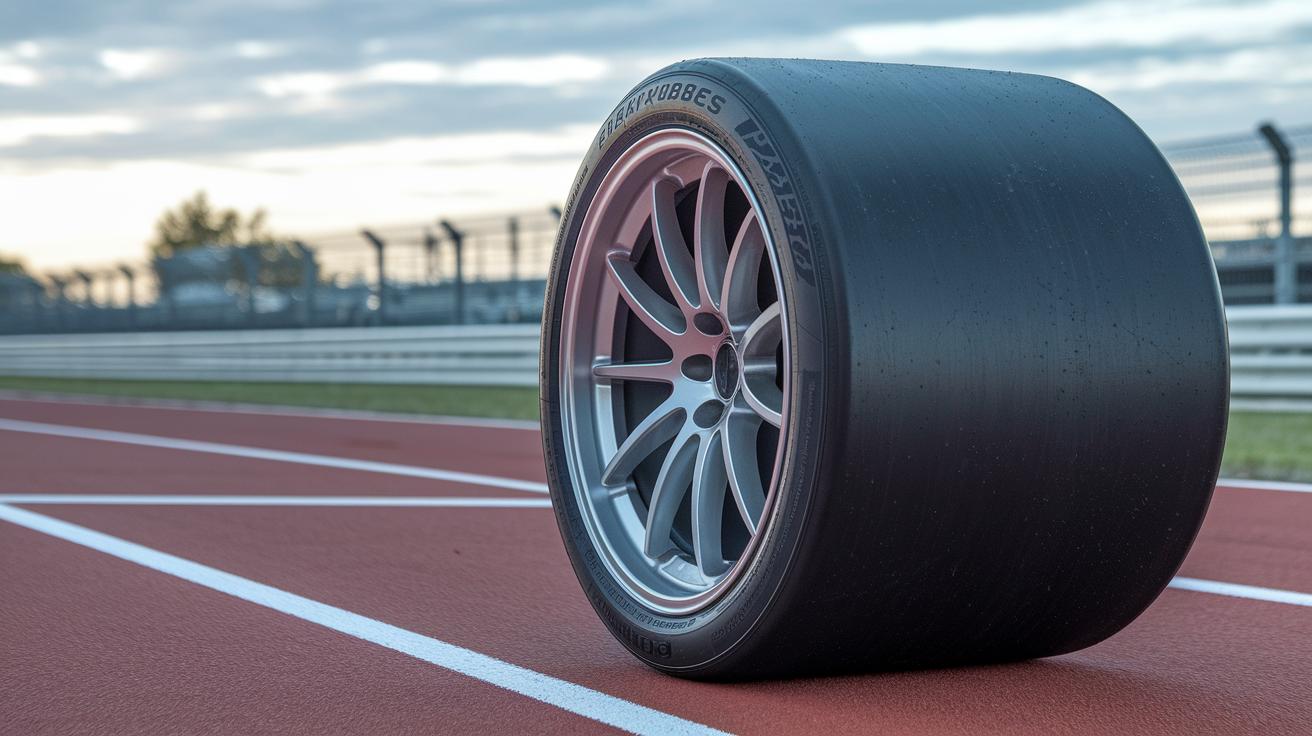
High-performance tires are built to give you sharp braking, quick steering, and steady handling. They use a special mix of rubber compounds (that means the chemicals that help with grip) and clever building methods. For example, speed ratings like H or ZR show the top speeds these tires can handle. Fun fact: even a small tweak in the tire compound can really boost your grip during spirited drives.
The type of rubber matters a lot. Softer rubber helps your tire stick to the road better when you turn or brake. But here's the catch: these tires usually wear out by about 30,000 miles because the soft rubber wears faster (tread wear means the outer layer of the tire wears away). Regular tires may not be as lively in handling, but they last much longer. Engineers fine-tune this balance to ensure every little change boosts your road confidence without compromising safety.
Engineers also add extra support inside the tire to keep it stable during tough maneuvers. They work on things like the inner belt structure and sidewall design to handle heavy loads and improve highway performance. This smart use of materials and design pushes tire performance for sports cars and high-speed vehicles. When you look at high-performance tires next to regular ones, you'll see they offer a quick response and smooth handling, perfect for drivers who crave a dynamic ride.
Advanced Rubber Compounds and Material Science Innovations
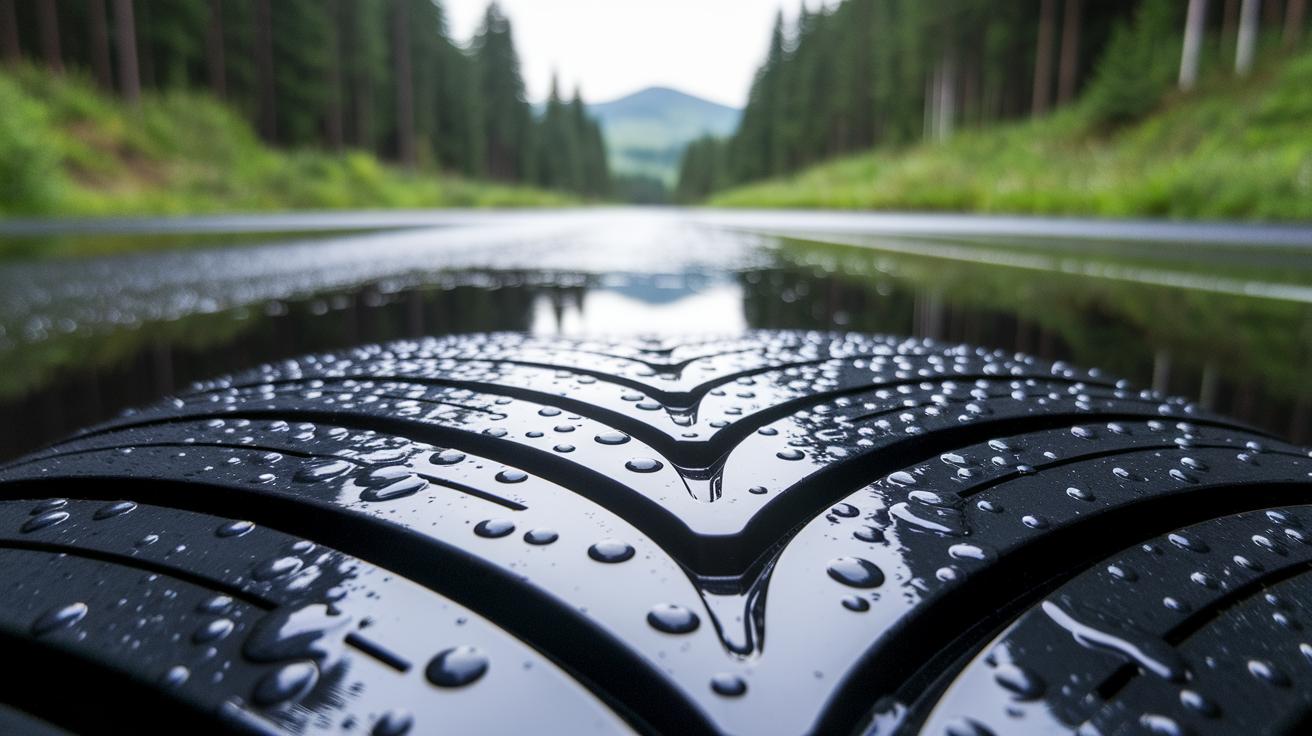
High-performance tires get their magic from smart rubber compounds that really change the way your car rides. Ever notice how a good tire feels on a rainy day? That’s because they mix in silica-rich ingredients (which help the tire hold onto wet roads and stay flexible when it's cold). These tires use softer blends that make tight turns grip the road better, though they might not last as long as harder ones.
Nano-silica additives are a cool trick too. They toughen up the mix and help the tire handle heat better, so even under heavy stress, your ride stays smooth. And with special curing processes (think of it as a way to align the tiny building blocks inside the tire), the rubber keeps performing steadily no matter if it's hot or cold.
This clever mix of chemistry and engineering brings you tires with great traction, steady handling, and a ride that feels just right, even in tricky weather. Every little detail during tire making adds up to a better drive for you.
Key components and what they do:
- Silica-rich compounds – Boost grip on wet roads and help in cold weather.
- Nano-silica additives – Strengthen durability and fight off heat.
- Softer compound blends – Give extra grip during aggressive handling.
- Specialized curing processes – Arrange polymer chains (the long links in the tire's structure) for even performance.
- Optimized polymer matrix – Balances stickiness with the tire's strength.
Innovative Tread Design and Contact Patch Engineering
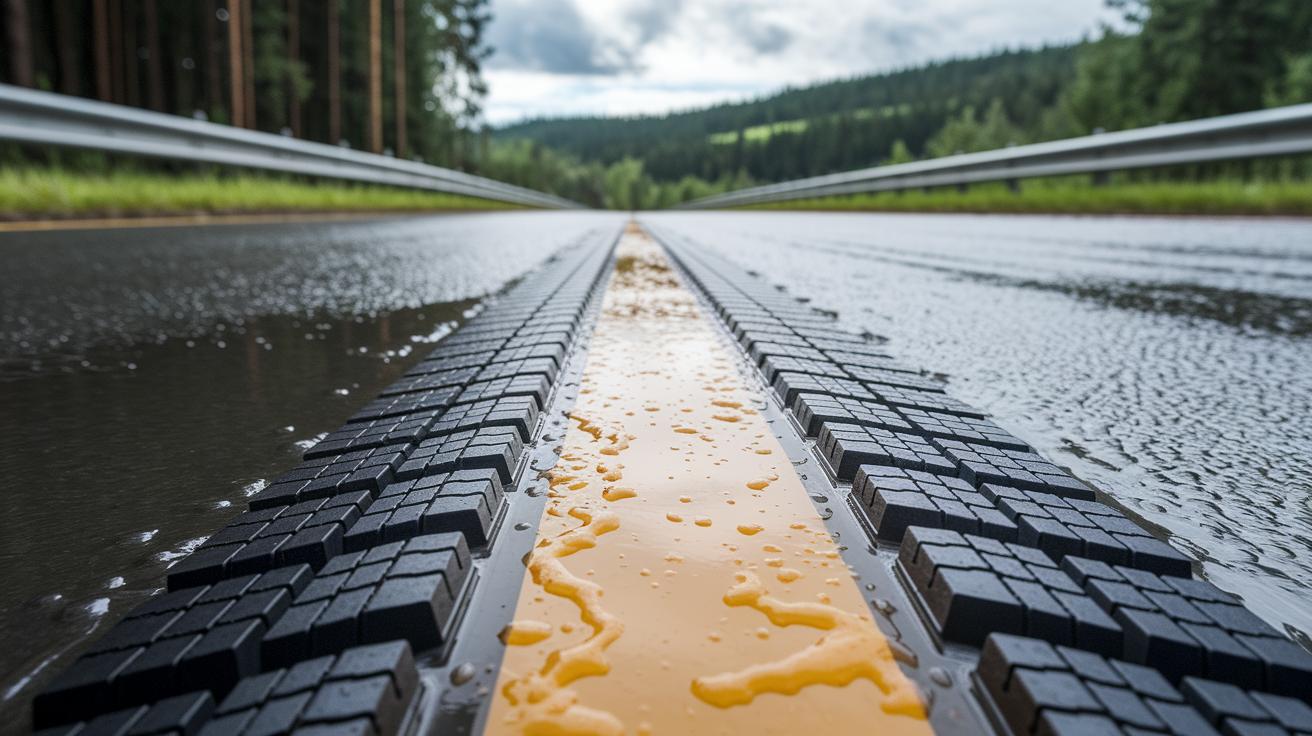
Tire makers design every detail with performance in mind. They start with a clever pattern on the tire and a carefully planned area where the tire touches the road (the contact patch). Bigger blocks on the outer edge boost grip when you turn, while smaller inner grooves push water away. This means your tire stays firmly in place during sharp turns and feels stable when you're driving fast.
Ever notice those tiny grooves called sipes? They work like small channels to improve traction on wet roads, sort of like extra grip on a bicycle tire when it starts to rain. The tire’s block design also lowers rolling resistance (using less energy) and keeps the ride smooth at high speeds. It’s a smart combo that helps your engine work less hard.
Engineers even adjust the contact patch to get water off quickly and improve cornering grip without losing high-speed stability. They add tread patterns that help reduce noise inside your car, so you can enjoy a quieter ride. All of these thoughtful details come from careful testing, making sure your tire feels confident and secure on every drive.
Structural Integrity and Sidewall Engineering in HP Tires
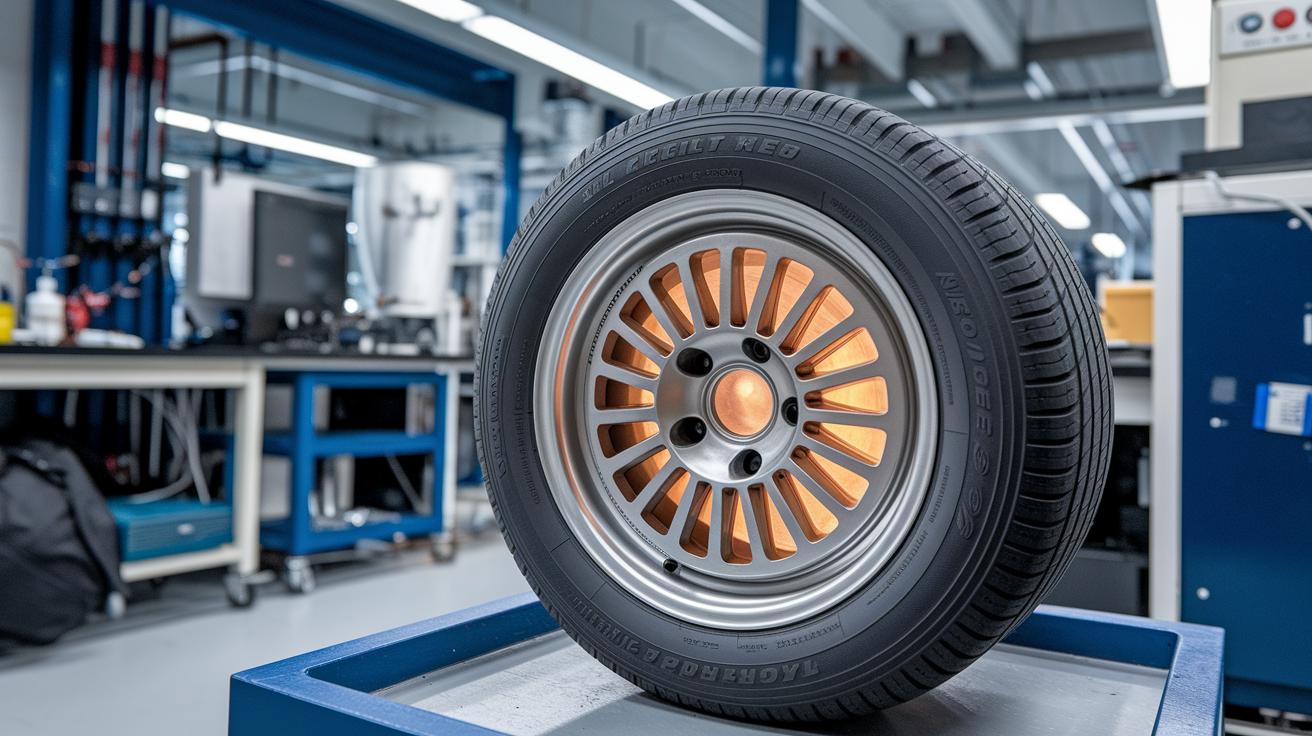
High-performance tires rely on tough sidewalls and smart belt setups to handle heavy loads. The stiffer sidewalls mean less bending, which helps the tire keep its shape during fast maneuvers, giving you more accurate steering and better braking. Engineers mix the sidewall compound (a special rubber blend) to take impacts while still keeping your ride smooth. They even use methods like dynamic stress mapping (a way to see how the tire reacts under pressure) to know exactly how the tire acts when forces hit hard.
Strong belt packages team up with the sidewall design to spread the load evenly over the tire's tread. Special belt materials step in to manage the forces by stopping too much bending when stresses come in. Tests for impact resistance show that these inside parts are key for keeping the tire steady during sudden stops or tight turns. The design finds the right mix of firm support and gentle cushioning, so the tire can bear heavy forces without losing its performance. It's like having a well-built frame that holds everything together when the road gets rough.
Thermal Management and Heat Diffusion Dynamics

High-performance tires are built to handle a lot of heat. Too much heat can make a tire wear out quicker and lose its grip (how well it holds the road). So, engineers mix in special silica-rich compounds (silica helps spread heat) and design smart belts that move heat around the tire. This clever approach means your tires keep a good hold even when you brake hard or take a sharp turn. Plus, special additives in the rubber act like a tiny cooling system, lowering peak temperatures by about 15% during tests.
Engineers also shape the tread channels and sidewalls to guide cool air over the tire, almost like a built-in fan. When air flows over the tire, it keeps the temperature down, letting the tire perform well for longer. Ultra-high performance tires get extra care, with even more focus on spreading heat so they can handle tougher conditions.
They also run lots of real-world tests to see how each tire deals with everyday driving stresses. By checking how energy is managed and heat is released, engineers make sure every part, from the additives to the tire’s structure, works together to keep things cool.
| Cooling Method | How It Works | Benefit |
|---|---|---|
| Compound Additives | Special silica mixes help spread out heat | Lowers tire temperature |
| Belt Configuration | Smart belt design moves heat away | Keeps tire temperature stable |
| Tread Airflow Channels | Sidewall shapes guide cooling air | Boosts cooling over the tire |
By keeping an eye on how heat works inside the tire, these high-performance designs make sure you get a steady grip and longer-lasting tires, even under heavy loads or at high speeds.
Traction Engineering: Grip, Braking, and Cornering Efficiency

This part looks at new ways to test tires and introduces trends that point toward a future of smarter tire technologies. Modern labs now use groups of sensors with computer models to copy extreme weather and road conditions. For instance, one test showed that sensors picked up tiny changes in how a tire acted during heavy rain, which shaved off a few milliseconds from the stopping time.
Now, trends point to tires that can adjust on the fly. Think about a tire that changes its firmness when you take a fast corner. It’s all about real-time feedback that helps keep you safer on the road.
Recent studies in racing show that watching tire grip and braking behavior under tough conditions can really help improve lap times. Engineers have even measured how a tire bends during high-speed turns, and even small changes across the tire’s contact area can make a big difference in control.
| Aspect | New Insight |
|---|---|
| Testing Methodologies | Sensor data and computer simulations in extreme conditions |
| Future Trends | Real-time adaptive tread systems |
| Case Studies | High-speed track tests showing improved control |
2 high performance tire technology explained: Clear Wins
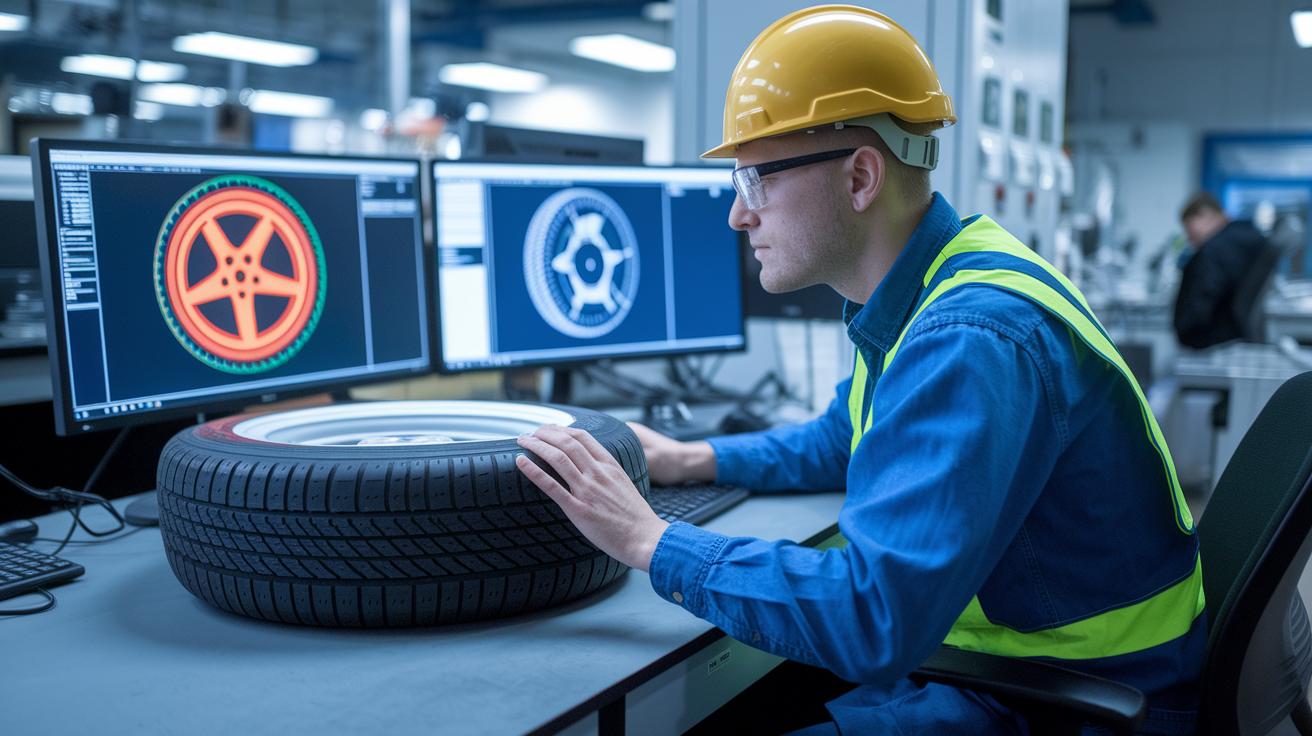
Engineers today use a mix of digital modeling, careful lab tests, and real-time sensor info to perfect high-performance tire designs. They start by using simulation software which builds detailed models to show how stress spreads across a tire (kind of like watching how a sponge soaks up water). This helps them adjust tire compounds and tread patterns long before any physical tire is made.
In the lab, tests on standard road-wheel setups mimic the forces a tire feels on the road. They even use ultrasonic inspections (a tool that uses sound waves to find tiny problems) to spot any flaws that might cause the tire to wear out too soon. These tests are key for making sure each tire can stand up to real driving.
Next, high-speed trial runs are done to see how the tire handles heat during quick moves. Data from these runs helps engineers check if the tire can keep cool and if their heat models match what happens on the road.
Now, new telemetry systems place sensors in the tire to watch temperature and pressure in real time. This live data goes into algorithms that predict when a tire might start to wear out, so issues can be fixed early. For instance, if a sensor notices a little bit of extra heat in a tight turn, engineers can quickly make design tweaks to boost safety and grip.
Comparing High Performance Tires to Standard Tires: Benefits and Trade-offs
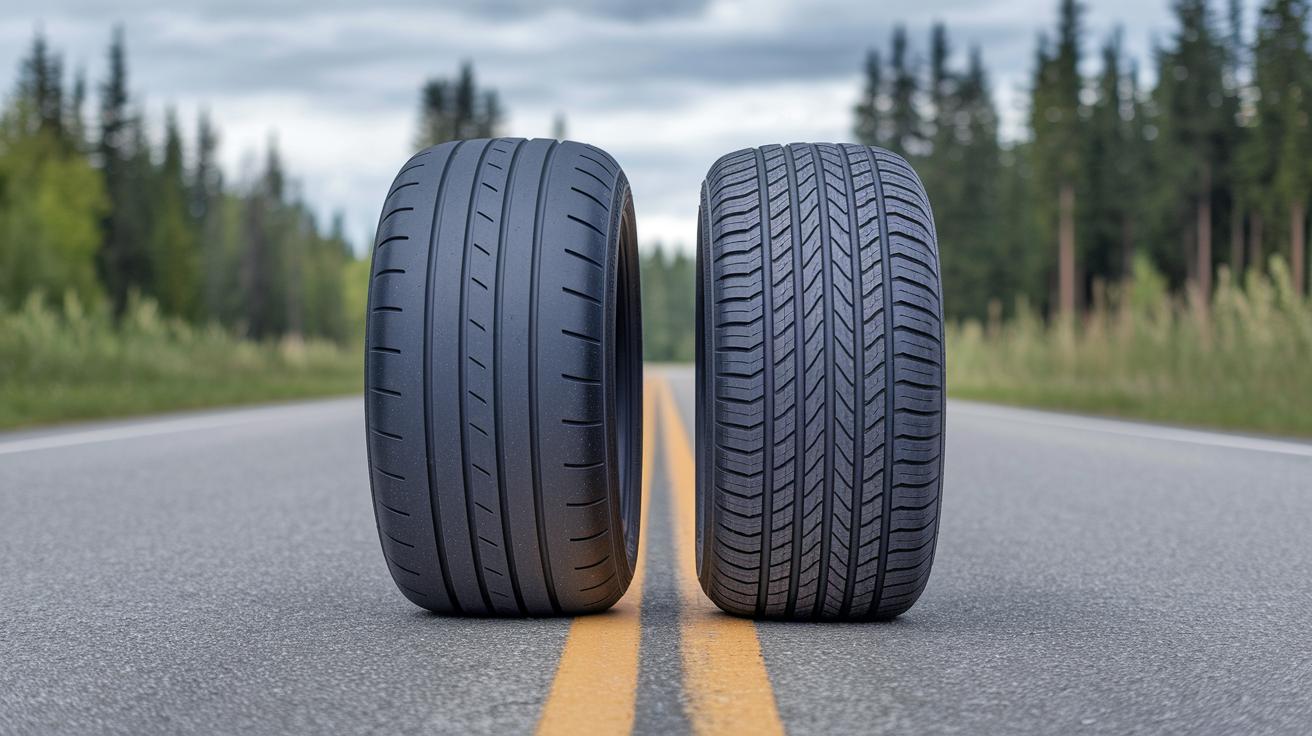
High performance tires are built to give you quick steering, tight braking, and a firm grip whether the road is dry or wet. They use softer rubber compounds (that means the rubber is more flexible, boosting traction so you feel every turn and stop more sharply), but this extra grip usually means you’ll need to replace them sooner, typically after about 30,000 to 40,000 miles.
On the flip side, standard touring tires are made for the long haul. They tend to last between 50,000 and 70,000 miles and put more focus on fuel economy and overall durability. In simple terms, they’re built to go the distance without sacrificing safety.
Because high performance tires are engineered for speed and responsiveness, they trade off some of that smooth, low-resistance rolling you get with standard tires. This makes them a great choice if you love a lively drive. For example, when you take a fast corner, the quick feedback from these tires makes you feel really connected to the road. Still, that same design can cause the tread (the part that touches the road) to wear out faster.
Some high performance tires, like the UHP all-season types marked with M+S, can handle light snow, but they aren’t made for severe winter conditions. This is one area where standard tires often have a leg up, offering a bit more in the way of weather adaptability. In the end, your choice comes down to whether you value that extra burst of performance or if you’re after longer-lasting, more all-around reliability on your daily drives.
Final Words
In the action, our discussion broke down tire performance essentials, from core principles to advanced rubber compounds and specialized tread designs. We covered how sidewall engineering, thermal management, and precise testing work together to improve grip and braking. Our recap of high performance tire technology explained why these features boost safety and make driving smoother. Each section showed how small design choices add up to big gains in reliability. It’s a win for everyone who values safety and a smooth ride.
FAQ
Q: What’s the difference between performance tires and all-season tires?
A: Performance tires boost grip and sharp handling with sport-tuned designs, while all-season tires offer longer tread life and better fuel economy for everyday driving.
Q: How do UHP tires differ from standard tires, and what does UHP mean?
A: UHP, or Ultra High Performance, tires use softer compounds for enhanced grip and quicker response, trading some durability for improved agility compared to standard tires.
Q: What distinguishes ultra high performance all-season tires from regular all-season tires?
A: Ultra high performance all-season tires deliver sharper grip and more responsive handling in various conditions but are best suited for light snow rather than harsh winter weather.
Q: What are tire features labeled M+S, and what do tire feature symbols indicate?
A: Tires marked M+S are built for mud and snow conditions, while various tire feature symbols provide quick insights on performance traits like speed ratings and load capabilities.
Q: What does “touring tires” mean, and how do they differ from high performance tires?
A: Touring tires focus on comfort, long tread life, and fuel economy, whereas high performance tires prioritize grip and agile handling for sportier driving.
Q: What does a high performance tire mean and do they make a noticeable difference?
A: High performance tires include advanced compounds and design features that boost braking, cornering, and steering response, making a clear difference in driving dynamics.
Q: What are the downsides of performance tires?
A: Downsides include a shorter tread life and lower fuel economy as these tires trade durability for a sportier feel and enhanced handling.

