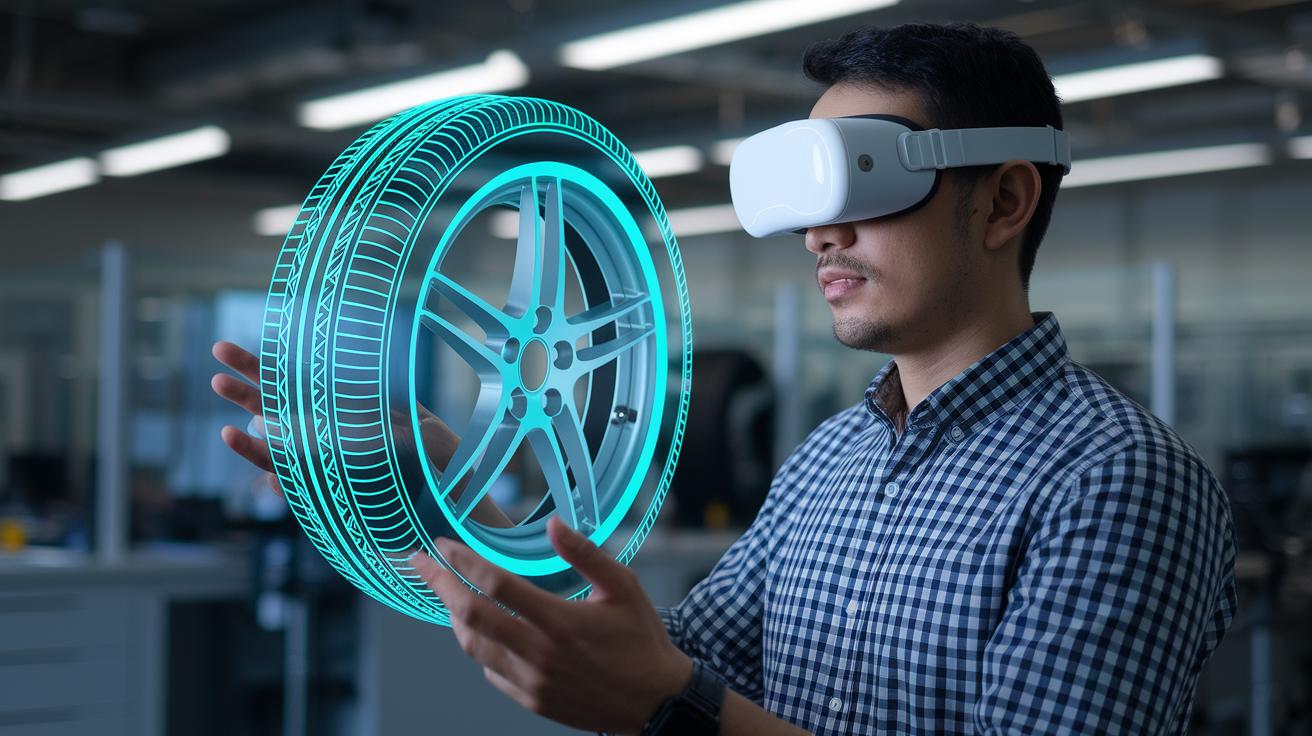


Ever wonder how tire makers turn a cool idea into a real tire? Augmented reality lets designers see a 3D model right before their eyes. They can tweak the curves, adjust siping details (those tiny cuts that help improve grip), and even watch simple videos that show how a tire works in action. This nifty tech speeds up the design process, reduces mistakes, and makes the whole tire stronger. In this post, we'll chat about how AR is changing tire design and why it matters for both the folks making tires and all of us behind the wheel.
Key Augmented Reality Applications in Tire Design
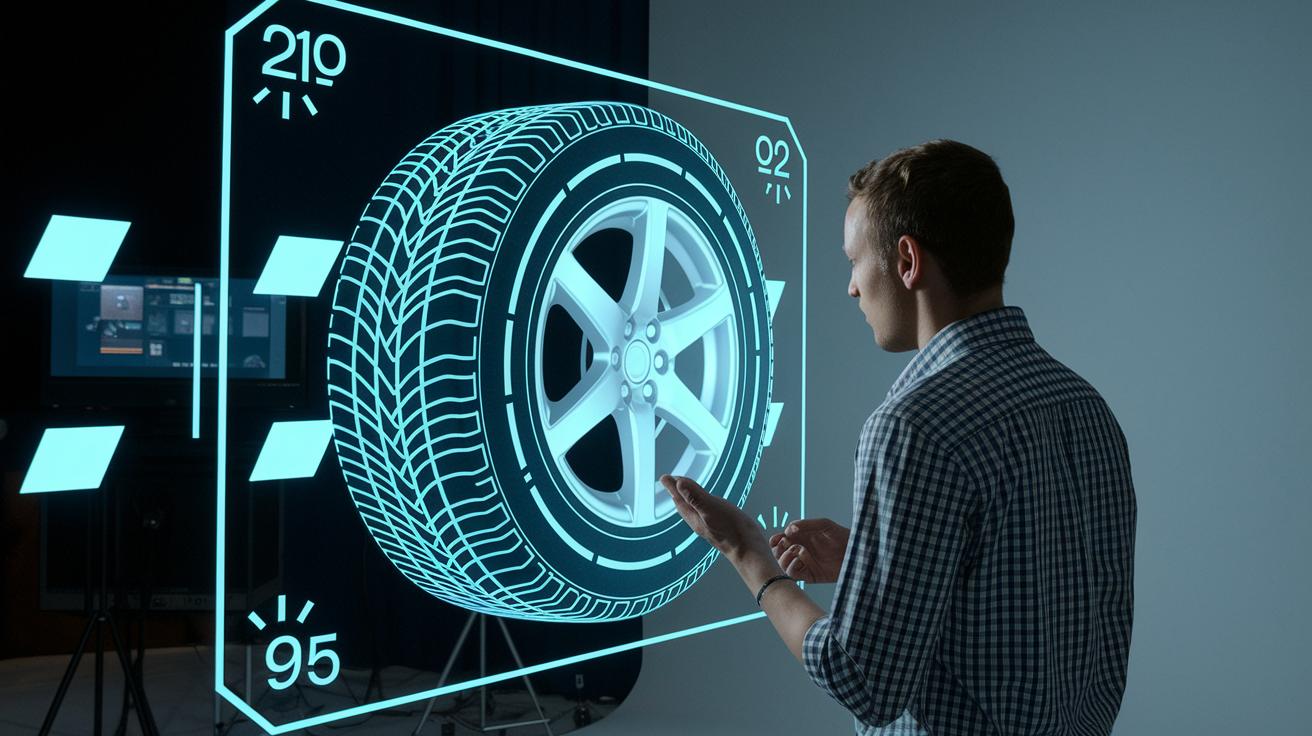
AR brings a fun, interactive twist to tire design, letting designers explore animated 3D models with built-in labels, tags, and even videos. These videos explain how a tire performs, details about its tread design, suggested use, and the mix of materials (that’s what we call the compound makeup). Designers can view a tire full-scale in real time, rotate it, and adjust its curves, siping (small cuts that help grip wet roads), and shoulder transitions, all for an easy, immersive look.
AR also speeds up the process of creating and testing new tires. With live feedback on digital models, design teams can spot changes or any small errors instantly, saving time and reducing mistakes. Many early users say this approach shortens design cycles and boosts confidence in the final product.
Beyond design, AR is making a big difference in manufacturing quality and worker safety. Tools using AR scan tire surfaces and quickly flag any inconsistencies, ensuring quality. At the same time, AR-based training modules guide assembly workers step by step with clear, visual instructions. Even customers get a taste of this tech by using their smartphones to "try on" tires, scanning their vehicle to see how the tires fit and perform in real life.
Augmented Reality for 3D Tire Concept Visualization

AR software lets virtual tire models appear in your workspace or on a VR headset. Designers can spin these models to check details like groove depth (how deep the grooves are) and symmetry.
Real-time design tweaks speed up improvements. Designers can adjust tire curves, siping geometries (small cuts that boost grip), and shoulder transitions, then see instantly how even a small curve change improves wet road performance. Imagine turning a tire model and immediately noticing a boost in grip from a new siping pattern.
Sensor data is also built in to show how tires work under different loads, speeds, and temperatures. This smart setup helps pick the right materials and fine-tune tread designs before any physical prototype is made.
Immersive Tech Prototyping Solutions in Tire Engineering

AR overlays have really changed the game for tire design. With this tech, design teams can work 30–50% faster than old ways using clay or digital models. Engineers watch the virtual tire change live, making it easier to adjust curves, siping patterns (small cuts that help with grip), and shoulder transitions. It means designers can catch problems early without spending a lot on physical prototypes.
In a mixed reality setup, teams can dive right in by marking up tire models directly in their workspace. Imagine engineers gathered around, tagging design notes on a tire while they chat and brainstorm improvements. This hands-on method speeds up how ideas get refined and makes sure everyone gets what’s happening. Plus, smart AR design software gives instant feedback on how the tire fits, the material’s behavior, and performance numbers.
After chatting about these AR benefits, it’s clear that this innovative tire engineering tech is a real win. It mixes real-time insights with creative design tweaks to keep the process smooth and accurate.
| Metric | Traditional Prototyping | AR-Driven Prototyping |
|---|---|---|
| Iteration Speed | Standard pace | 30–50% faster |
| Accuracy | Moderate precision | High precision |
| Error Detection | Manual review | Instant feedback |
Augmented Reality Tools for Quality Control in Tire Manufacturing

AR inspection tools are changing how tire makers keep quality high. These devices layer digital info over the tire surface in real time, catching issues like mold defects, inconsistent tire compounds (the mix of chemicals used to make the tire), and tread irregularities. They even predict problems, like spots that might peel apart or wear unevenly before the tire goes through vulcanization (the process of hardening rubber). This early warning system cuts down on extra work and helps avoid mistakes during production.
Adding AR to the production line means placing special AR markers along the extrusion lines. This simple step makes the manufacturing process smoother and more efficient. QC staff now use headset displays that give them live feedback, so if there's a problem, they can jump on it right away. Plus, hands-on training with these new systems ensures every tire meets strict quality standards.
When AR works hand in hand with automated production lines, check out "automation in tire manufacturing" (https://tityres.com?p=1296), manufacturers spot issues fast and keep quality consistent. This easy-to-use method helps lower costs and increases reliability by catching errors early on.
AR-Driven Training and Safety in Tire Assembly

Imagine having a tool that shows you every step of tire assembly with simple visual cues on real parts. This AR module is like a friendly guide that helps new team members get the hang of things quickly. With a smart virtual interface, it clearly explains every action and points out the key spots, which cuts down on errors and helps everyone get up to speed faster.
When it comes to key steps like bead seating (when the tire meets the rim) and curing (baking the tire in a press), mixed reality steps in to show real-time stress on the rubber layers. It lets workers see exactly where the pressure builds up so they can adjust their techniques for a smoother, safer build.
The AR system also keeps safety in check by marking off hazard zones on the shop floor and reminding you to use the right tools. These interactive safety features help lower the risk of accidents and keep the crew alert and confident throughout the workday.
Virtual Tire Showrooms and AR-Enhanced Customer Experience
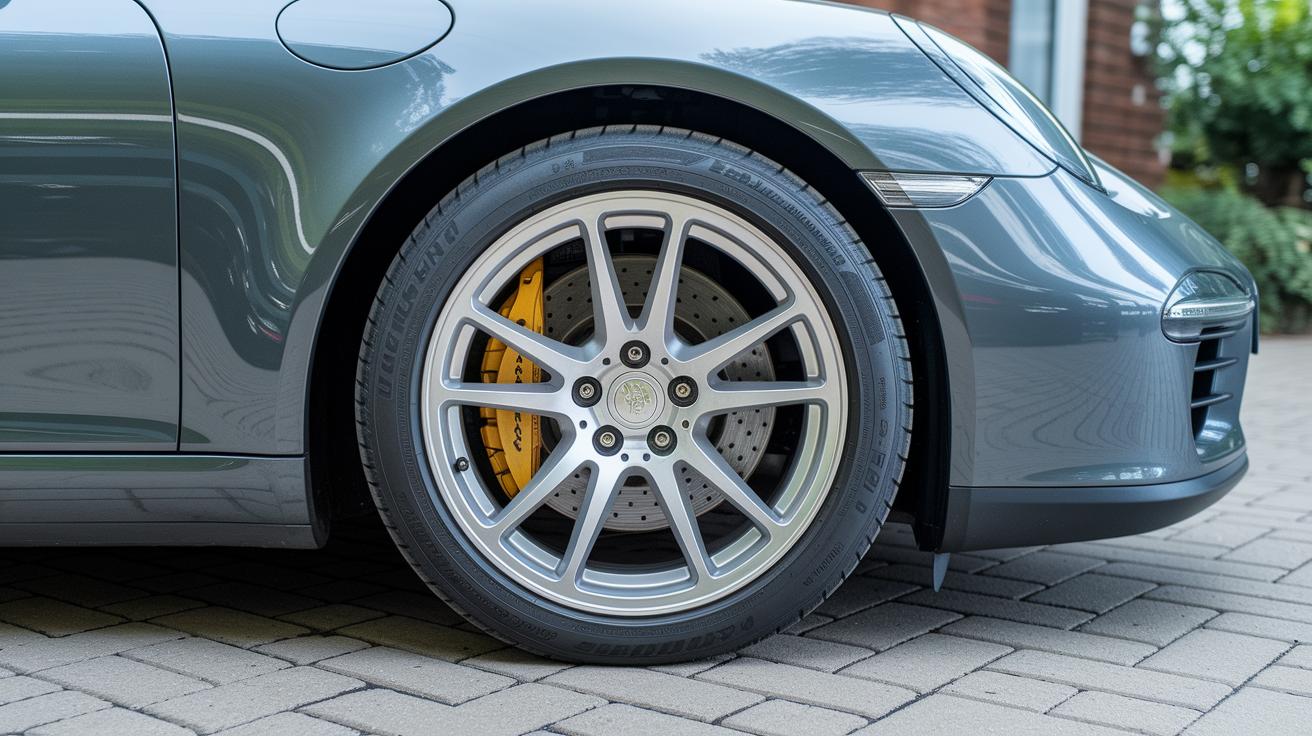
AR apps are changing the tire shopping game by letting you use your smartphone to see how new tires will look on your own car. Just point your phone at your ride, and you can check out how the tires fit, look at sidewall details (those are the markings on the tire), and even view performance badges in full size. It feels real, which makes it easier to compare different styles and choose the best set for your car.
Stores using these apps are reporting great results. In fact, one retailer saw a 25% drop in returns, and buyers feel more sure about their purchase. One happy customer said, "It was like having a tire fitting right in my driveway." Plus, at trade shows, people can scan display tires to unlock video demos, see quick info overlays, and even compare different tire compounds, which really pumps up the excitement.
These systems update every detail in real time, showing every little adjustment as it happens. Not only do they help you make smart choices, but they also turn tire shopping into a fun, hands-on experience. For more on automotive engineering, check out this link: automotive engineering.
Future Trends in Augmented Reality for Tire Design

Next-gen AR is set to completely change how we design tires by pairing every tire with a digital twin, a copy that tracks everything from the very first design steps to actual road use. Picture a digital buddy working alongside a real tire, showing engineers how it might perform long before it ever gets hitched to a car.
Engineers are also turning to smart simulations driven by AI to predict how a tire’s surface might wear down (tread wear means how fast the outer layer of a tire slowly wears out) and how the materials might age over time. For example, they can mimic a high-speed drive to see what might happen to the tread. This way, there’s less guesswork and more clear, exact design tweaks.
AR tools are coming into play in lifecycle assessments too. They help track a tire’s carbon footprint during its design and even check out how well the recycled rubber might perform. Basically, AR not only boosts how well a tire works, but helps keep our planet a bit greener as well.
New tech like this is steering the tire industry toward smarter and more sustainable designs. For a broader look at these exciting trends in auto innovation, check out this link: (https://unionno.com?p=1656).
Final Words
In the action, we saw AR change the way tires are designed. It showed off interactive 3D models that help refine tread patterns and detect manufacturing issues quickly. The article walked through AR’s work in prototyping, quality control, worker training, and even virtual tire showrooms. It all builds on how augmented reality is being used in tire design to improve safety and reliability. Here’s to riding with confidence and enjoying every mile with the best tire performance around.
FAQ
How is augmented reality AR used in the automotive industry?
The use of AR in the automotive sector means overlaying virtual data on real car parts to improve design, training, quality checks, and even customer experience, making work both faster and safer.
What is the latest technology for tires?
The latest tire technology combines AR overlays with 3D modeling, rapid prototyping, and defect prediction tools to speed up design, cut errors, and boost buyer confidence in tire performance.
What is an AR on a vehicle?
An AR on a vehicle is a digital overlay that shows vital details like tire specs, safety hints, and maintenance reminders, adding helpful information right onto the car’s display while driving.
What is the application of augmented reality on the windshield of the vehicle?
The AR on a vehicle’s windshield projects guidance cues, safety alerts, and performance data directly onto the glass, allowing drivers to access key information while keeping their eyes on the road.

