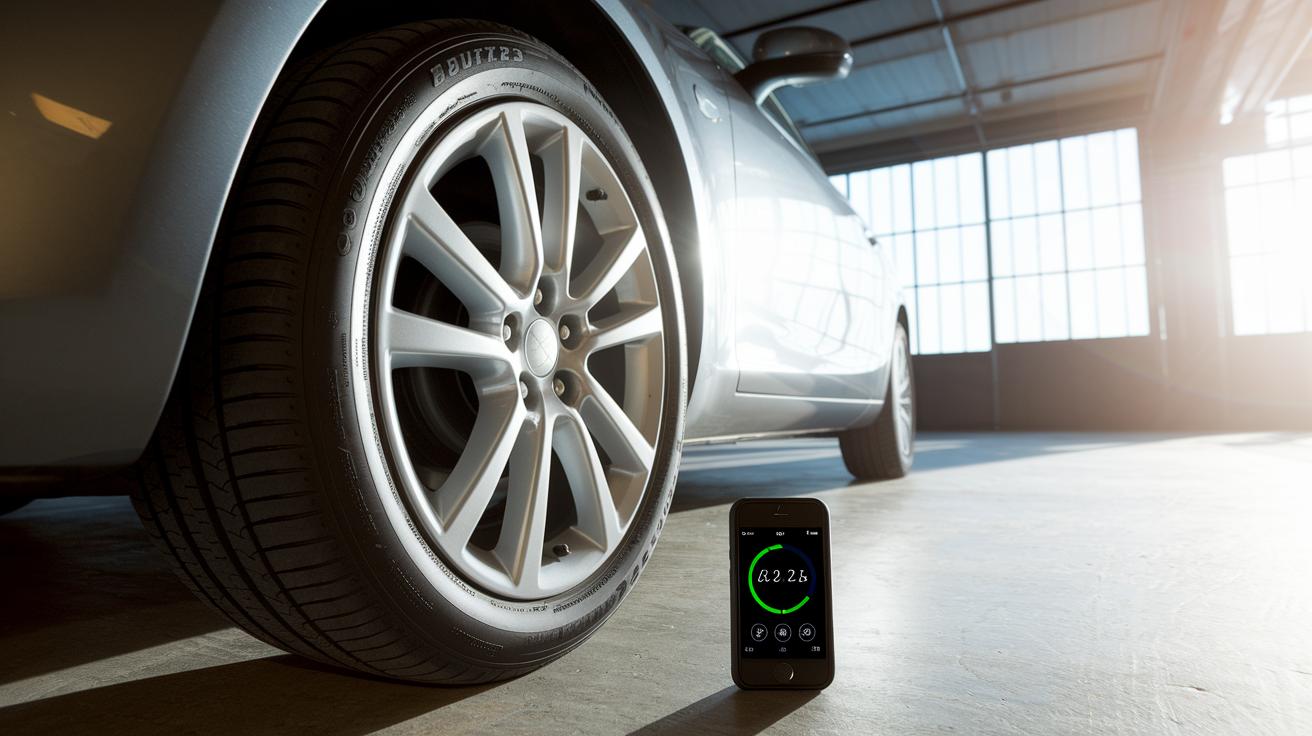


Ever wonder if your tires might give you a heads-up before trouble hits? Smart sensors keep an eye on your tire pressure, how quickly the tire’s grip fades away (tread wear), and even the temperature. It’s like having a little checkup built right into your wheels.
When something isn’t right, a quick alert pops up on your dash, almost like your car is giving you a friendly nudge. This means you can catch issues early and steer clear of dangerous blowouts or sudden loss of control.
It feels pretty reassuring knowing your tires are watching out for you. Next time you’re on the road, you can drive a bit easier, knowing your car is looking after you every mile.
How Smart Tire Sensors Safeguard Vehicle Safety

Smart tire sensors do more than just check for basic issues. They constantly watch over your tire’s air pressure, tread wear (the rate at which the tire's surface loses grip) and temperature, giving you more details than the usual systems required since 2008. For example, if your tire pressure drops a lot, these sensors alert you early, helping prevent risky blowouts since nearly 40% of sudden tire failures come from underinflation.
They work using smart pressure tools, heat detectors and tread gauges. In simple terms, if your tire pressure falls 25% below the recommended amount or if the temperature or tread health goes out of safe bounds, you get an immediate message on your dashboard or smartphone. It’s much like a friendly reminder that your tires might need a checkup, similar to that beep your car gives when it's time for an oil change. Ever think about how drivers used to be in the dark before digital monitoring? Back then, people only learned about a tire problem after a blowout had already happened.
These sensors rely on small, non-replaceable lithium batteries that normally last between 5 and 10 years, though your driving style and the local temperature can affect this. The data, sent wirelessly in real time, not only makes your drive safer but also helps prevent crashes by ensuring your tires wear evenly and remain properly inflated. If you’re curious and want to learn more about how smart tire sensors work, take a look here (https://tityres.com?p=1680). Ultimately, these smart systems keep you informed and ready, making every trip a bit safer.
Core Components of Smart Tire Sensor Systems

Pressure Sensor Modules
These sensors check the air pressure inside your tire, much like a built-in gauge that tells you whether your tire feels soft or firm. They’re attached securely so you can always count on accurate readings and a smooth, safe ride.
Temperature and Tread-Wear Sensors
These handy sensors keep track of how warm your tire gets and watch how quickly the tire’s rubber wears off (tread wear means the gradual wearing away of the tire’s surface). They let you know if a tire starts to overheat or lose grip, kind of like a friendly checkup for your ride.
Communication Interfaces
This part uses Bluetooth Low Energy (a way to send data without using much power) and special radio signals so that sensor info reaches your car’s computer or connected app without a hitch. It works like a clear, effortless chat between your tire and your dashboard.
| Component | Function |
|---|---|
| Pressure Sensor | Checks air pressure inside the tire |
| Temperature Sensor | Keeps an eye on heat build-up in the tire |
| Tread-Wear Sensor | Measures how much tire rubber is left |
| Communication Module | Sends sensor data to the car’s computer or app |
Real-Time Tire Diagnostics and Alert Mechanisms

Smart tire sensors give you quick updates so you always know how your tires are doing. When your tire pressure drops about 25% below what’s recommended, your dashboard and app both let you know with an alert. For example, a drop of 0.3 bar (which is about a small decrease in pressure) can make your fuel use go up by 1.5%, while losing 0.5 bar might cause fuel use to jump nearly 5%. This prompt warning helps you fix a small problem before it gets big.
Direct TPMS sensors measure the air pressure inside your tires directly instead of guessing based on wheel speed. Imagine your TPMS light flashing for 60 to 90 seconds when you start your car, that usually means the sensor isn’t working right or its battery is low, not just that your tire is underinflated. With these alerts, you can easily decide if you need to check your tire pressure, temperature, or even the tread (the part that touches the road). In truth, catching these issues right away keeps your ride safer and helps your car run smoother by taking care of problems early.
Predictive Maintenance and Accident Prevention via Smart Tire Sensors

Smart tire sensors now have smart features that do more than just send basic alerts. They collect info from sensors that check tire pressure, temperature, and how fast the tread wears (that means how quickly the tire’s surface fades). They also look at past trends to tell you when your tire might need some love before things get worse. For example, an algorithm may notice a small rise in temperature and a little drop in pressure over a few days. Did you know that a steady drop in pressure can show hidden wear that might lead to early tire failure?
This smart system uses patterns like steady changes in temperature or uneven tire wear to suggest when to fix things. So, if the sensors keep seeing uneven wear on the edges of your tire, the system might recommend an alignment or tire rotation sooner rather than later. This kind of prediction helps prevent last-minute emergency fixes.
| Data Point | Maintenance Action |
|---|---|
| Pressure Trends | Adjust tire inflation |
| Temperature Patterns | Inspect for abnormal heating |
| Tread Wear History | Schedule alignment/rotation |
Integration of Smart Tire Sensors with Vehicle Systems

Modern smart tire sensors use wireless technology like Bluetooth Low Energy or RF links to connect effortlessly with your car’s systems. They send real-time updates straight to your vehicle’s computer (ECU) and even to your phone dashboard so you always know what’s happening with your tires. It’s like your tires are having a friendly chat with your car, keeping things smooth and safe on the road.
When you replace a sensor, a simple TPMS relearn process (that’s a quick update to register new sensor IDs) makes sure your car stays on top of tire performance. This system also works with features like ABS and traction control to adjust braking and stability. It feels like giving your car a finely tuned sense of touch on the road, helping you drive with more confidence when conditions change.
New trends are taking this tech even further by using cloud analytics and AI dashboards to manage tire health from one central spot. The system learns from patterns and even offers personalized maintenance tips, so you know exactly when to take action. Overall, blending smart sensors with your vehicle transforms tire management into a proactive safety net for every drive.
Real-World Case Studies Illustrating Enhanced Vehicle Safety

Commercial fleets using smart tire sensors have changed the way they operate. Managers report a 25% drop in tire-related issues because the sensors keep an eye on pressure, giving early alerts before problems get too big. One fleet supervisor said, "The sensors helped us catch issues early, like checking a tire before any wear shows."
High-mileage drivers also see a real benefit. Studies show these drivers save between 5% and 10% on fuel simply by keeping tire pressure steady. One driver shared, "I noticed my fuel bills dropped when the sensors kept my tires properly inflated, making my drive smoother." It’s a straightforward way to save money every day.
Electric vehicle tests show smart sensors really shine when they adjust tire pressure according to load and temperature. This means your EV can go further between charges. One test operator explained, "With sensors checking tire health in real time, our cars maintained steady range performance even when conditions changed."
Performance car tests confirm that smart sensors make a big difference. In trials, cars with these devices experienced 20% fewer incidents of losing grip on wet roads. They got real-time feedback that helped drivers adjust immediately, showing how smart tire data can keep drivers safer on the road.
| Category | Result |
|---|---|
| Commercial fleets | 25% drop in breakdowns |
| High-mileage drivers | 5–10% fuel savings |
| Electric vehicles | More stable driving range |
| Performance cars | 20% fewer grip-loss incidents |
Final Words
In the action, we covered how smart tire sensors track pressure, temperature, and tread wear to alert drivers when issues arise. We broke down pressure sensor modules, temperature and tread-wear sensors, and how they connect with onboard systems for instant diagnostics. We even looked at real-world benefits, like fewer tire failures and improved stability. This shows how do smart tire sensors enhance vehicle safety by preventing mishaps and keeping you informed on tire performance. Stay confident and safe on every drive.
FAQ
How do smart sensors enhance driver safety?
The smart sensors enhance driver safety by consistently monitoring tire pressure, temperature, and tread-wear, alerting drivers early to potential problems before they lead to dangerous situations.
What are the benefits of using a tire monitoring system?
The tire monitoring system provides early warnings on tire issues, which helps maintain proper inflation, improve fuel economy, extend tire life, and reduce the risk of accidents.
What are the advantages of sensors in cars?
The sensors in cars offer real-time data on tire health, helping improve braking, stability, and fuel efficiency, which all work together to boost overall vehicle safety.
How do smart tires work?
The smart tires work by using built-in modules to track key parameters like pressure, temperature, and tread depth and then transmit this data wirelessly, so drivers are promptly alerted; for more details see how do smart tire sensors work.

