


Have you ever thought about what makes your tires so smart? Small tire sensors act like little helpers, keeping an eye on your tire pressure and heat (that means how hot they get) as you drive. They work using simple parts like strain gauges (tools that measure how much a tire bends) and thermistors (devices that check temperature), and a tiny microchip turns those readings into easy-to-read digital signals.
Imagine the steady hum of your engine as these sensors silently do their work, all so your ride stays safe and smooth. This blog will explain in plain language how these clever sensors protect your car and save you time. Get ready for an easy, down-to-earth look at the tech that keeps your tires performing at their best.
How do smart tire sensors work: Tech Simplified

Smart tire sensors are an important part of today's car setups. They watch over your tires by using several little parts. For instance, direct TPMS sensors check tire pressure with strain gauges (devices that change shape when tire pressure shifts). They also have built-in thermistors that note even tiny changes in temperature (these are sensors that measure how hot or cold something gets). These sensors run on batteries and are usually attached to the valve stems or rims. If you want to dive a bit deeper, check out this link on smart tire technology (https://tityres.com?p=94). A tiny microchip then turns the analog signals from these parts into digital numbers so the data is ready for real-time updates.
After all the sensor parts gather the data, the information gets packaged up nicely. The microchip sends these digital signals wirelessly so that changes in pressure and temperature are tracked every moment. This means you get instant alerts if anything goes off the usual path. Basically, the sensors share the important details with the car’s main computer to help keep you posted on how your tires are doing.
Battery power is key to making sure these sensors work reliably for a long time. Since the sensors use batteries, how long they last depends on the battery size and design. Clever low-power designs and smooth data transmission help the sensors work longer without draining too much battery juice. They handle both pressure and temperature at the same time without overworking the battery, which means you can trust them to keep an eye on your tire health day and night.
Smart Tire Sensor Types and Functionality Breakdown
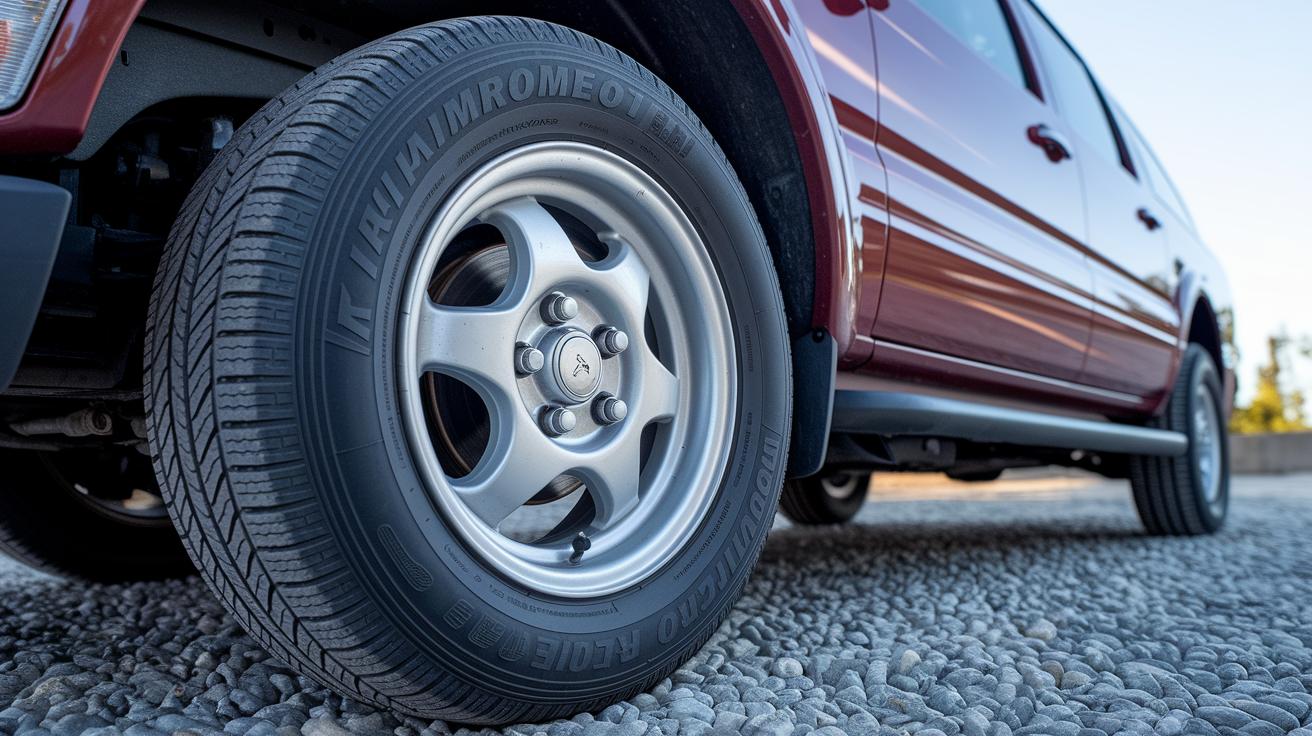
Smart tire sensors come in many types, each designed to fit different car setups. Some sensors check pressure and temperature directly, while others use wheel speed data to keep your tires in check. Because each sensor works a little differently, car makers can pick the one that best fits their vehicle's needs.
Direct Pressure and Temperature Sensors
Direct sensors work by using strain gauges that change shape when the tire pressure shifts. They also include a thermistor (a small element that measures temperature) so you get an instant look at any heat changes. This combo gives a clear picture of your tire’s condition, almost like an early warning before things get rough. Did you know many drivers aren’t aware that these sensors check both pressure and temperature all at once?
Indirect TPMS Systems
Indirect systems use wheel speed sensors that watch how fast every wheel spins. When a tire is low on air, its rolling diameter changes, mixing up the rotation speed. The system picks up on these differences without needing extra parts attached to the tire. It’s a clever way to spot problems without adding more hardware.
Valve-Stem vs. Rim-Mounted Sensors
Some sensors attach right onto the tire’s air valve (called valve-stem sensors), while others clip onto the wheel edge (rim-mounted sensors). Valve-stem sensors are simple and common, making them a go-to choice for many. On the other hand, rim-mounted designs are built to handle rough road conditions a bit better. Both types strike a balance between ease of installation and durability, so you’re covered no matter what driving situation you face.
Emerging Ultrasonic and Acoustic Sensors
New sensor types use air-coupled ultrasound, meaning they check tire conditions without even touching the tire. They send out sound waves, much like an echo, to detect changes in pressure. This non-contact method could make upkeep easier and reduce wear on the sensor itself. It’s a fresh approach that might change how we take care of our tires in the future.
Tire Pressure and Temperature Measurement Principles

Smart tire sensors help your car understand how its tires are feeling by turning changes in pressure and temperature into signals it can read. They work with a strain gauge (a tool that changes shape when tire pressure goes up or down) and a thermistor (a gadget that notices shifts in temperature). A tiny microchip then changes these signals into numbers, and calibration steps keep everything accurate by balancing out temperature changes.
Once the sensor gathers the info, it goes through a quick process. It sets how fast to take readings, filters out extra background noise, and prepares the signal for wireless transmission. This neat mix of adjustments and signal work gives you a clear picture of how your tires are performing.
- Pressure detected by a strain gauge that changes shape
- Temperature sensed using a built-in thermistor
- Signals turned into digital numbers by a microchip
- Calibration that balances temperature effects
- Sampling rate set and data cleaned up
- Signal ready for wireless sending
Wireless Communication in Smart Tire Sensor Networks

Smart tire sensors use low-power radio waves to send information from the tire to your car’s computer. They often use methods like BLE (Bluetooth Low Energy at 2.4 GHz, which saves battery) for a steady and energy-friendly connection. Other methods, like 315/433 MHz RF and ZigBee, also work well, each with its own range and power advantages. Think of it as your tire sending a quick, clear message about its pressure, temperature, and sensor ID straight to your dashboard.
Every message is carefully wrapped up with encryption (a way to keep the info safe) and error checking to make sure nothing goes wrong. The system even uses smart signal processing to tidy up the data before it’s sent. Plus, there’s a sleep mode built in so the sensor saves battery power until it senses movement. Thanks to modern car tech standards, these wireless signals reach the car’s central unit smoothly, keeping an eye on things even as you drive.
Power management is a key part of the system. When the sensor’s voltage falls too low, it sends an alert so maintenance can be done on time. This smart balance of energy-saving and real-time updates helps keep everything running smoothly without draining the battery.
| Protocol | Frequency | Range | Power Usage |
|---|---|---|---|
| BLE | 2.4 GHz | 10–30 m | Low |
| RF | 315/433 MHz | 10–50 m | Medium |
| ZigBee | 2.4 GHz | 20–100 m | Medium |
Integration with Vehicle Systems and Diagnostics

Smart tire sensors hook up with your car's electronics in a few different ways. They chat with your car's main computer (often called the ECU or central control unit) via a CAN bus or a direct RF link to telematics modules. This smooth connection lets tire pressure and temperature data flow right into your car’s onboard systems. It’s almost like the sensors are part of the family, updating the car in real time through its OBD-II channel and other diagnostic networks.
Every bit of data from these clever sensors is carefully recorded in the ECU. It tracks every little change in pressure and temperature, much like a diary keeps track of your day. Then, the system scans this ongoing stream of info to spot any problems early. So if your tire pressure isn’t quite right or a sensor loses its signal, the system pops up a fault code to help you catch issues before they get big.
User-friendly interfaces are key here. Some setups push real-time data to mobile apps or cloud services, letting you check on your tire's performance quickly and easily. And if any alerts or fault codes pop up, they show on the car’s display, so you’re always in the loop and ready to take action when needed.
Data Analytics and Predictive Maintenance Strategies

Imagine smart sensors that constantly share updates about your tire's pressure and temperature, much like a quick check-in from a good friend. These sensors send data to a central system that watches every little change, almost like your car is keeping a quiet diary about its tire health. The system’s smart algorithms sift through the info as it comes in, noticing even the tiniest shifts that could signal a loss of air or early signs of wear. Picture your car gently noting down any issues in real time so you get a timely heads-up before things go off track.
By spotting these trends, the system can predict when your tires might start to lose pressure or show early wear. It reviews past data, spotting patterns that help decide when it’s best to get a check-up. This way, instead of waiting for a problem to fully develop, you’ll get an early alert that makes scheduling repairs a breeze. For fleet managers, this means keeping many vehicles on the road smoothly with well-planned service stops.
These smart, data-driven insights really boost safety by closely tracking tire health. The dedicated algorithms are tuned to detect faults early on, sending out alerts way before any tire issue poses a risk. With this proactive care, downtime is minimized and tire performance stays top-notch, giving you a safer, smoother drive. Thanks to real-time monitoring, the chance of unexpected tire problems drops, making every journey, whether by a lone car or a managed fleet, more secure and efficient.
Installation, Calibration, and Troubleshooting of Smart Tire Sensors

Installing smart tire sensors is pretty simple. First, you attach the sensor either on the valve stem or right on the rim. Follow the kit’s instructions closely so you get it seated just right, think of it like plugging in a gadget and making sure the connection is firm. Once it’s in place, you activate it by putting the car into learn mode through the vehicle’s ECU.
Calibration is key, too. Many sensors need a little extra attention once they’re installed. Sometimes you might have to drive at a specific speed or do a manual relearn to let the system adjust properly. Imagine going for a short drive where the sensor gets fine-tuned, balancing the pressure readings so what shows on your dash really matches your tire's condition. Skipping this step might leave you with confusing alerts or wonky readings.
When things go off track, troubleshooting comes into play. Start by checking for common issues like sync errors, radio frequency interference (RF interference means signals from other devices messing with the sensor), or low battery warnings. If you see a low battery alert, it’s time for a replacement. A simple manual reset or re-sync can often clear communication problems between the sensor and your car. Also, take a quick look at how it’s mounted and make sure nothing nearby is interfering. This hands-on check helps keep your sensor data reliable and your ride safe.
Final Words
In the action, we explored the inner workings of smart tire sensors, from measuring pressure and temperature right within the tire to the data that travels wirelessly to your vehicle’s control unit. The post broke down sensor types, their installation, calibration routines, and even tips for troubleshooting so you can keep your ride safe and smooth.
Understanding how do smart tire sensors work puts you in a great position to choose quality tires and maintain them for lasting performance. Stay confident on the road!
FAQ
How do I reset my tire pressure monitoring system?
Resetting a tire pressure monitoring system involves using your vehicle’s setup options or a reset button. Follow your car’s manual to ensure the sensors start sending updated readings.
What does the TPMS light indicate?
The TPMS light indicates that a tire pressure sensor has detected an issue or is malfunctioning. It’s best to check the actual tire pressures and refer to your manual for next steps.
Where are tire pressure sensors located?
Tire pressure sensors are usually found on the valve stem or attached to the rim. This placement lets them measure pressure and temperature and send data back to your car.
What is the best tire pressure monitoring system?
The best tire pressure monitoring system provides accurate, real-time readings and reliable wireless data. Look for systems with user-friendly installation and sensor longevity to keep you safe on the road.
How do I handle changing wheels with tire pressure sensors?
When changing wheels with tire pressure sensors, be sure to handle the sensors carefully and follow a recalibration process if needed. This helps keep the sensor readings accurate after the change.
How do auto tire pressure sensors work?
Auto tire pressure sensors work by using built-in strain gauges to measure pressure. They convert this data into digital signals and wirelessly transmit it, so you know your tire conditions instantly.
How is tire pressure sensor replacement handled?
Replacing a tire pressure sensor involves removing the old unit and fitting a new one. After installation, you usually need to recalibrate the system so your vehicle receives correct tire readings.
What does TPMS mean?
TPMS stands for Tire Pressure Monitoring System. It’s a feature in your vehicle that keeps track of tire inflation levels and warns you when adjustments are needed.
How do TPMS sensors know which wheel they are on?
TPMS sensors identify their location using unique IDs and calibration routines during setup. This allows the system to match each sensor’s data to the correct wheel for clear monitoring.
Why is my TPMS light on but the tires are fine?
The TPMS light might come on due to sensor issues, like a low battery or malfunction, even when tire pressures seem okay. It’s a good idea to get your system checked if this happens.
Can I replace TPMS sensors myself?
You can replace TPMS sensors yourself if you have the right tools and follow the instructions carefully. Some drivers opt for professional help to make sure the recalibration is spot on.
How do TPMS sensors get power?
TPMS sensors get power from small batteries built into their modules. These batteries usually last several years before needing sensor replacement.

