


Ever notice how some rides feel bumpier than others? It might be that your tires are out-of-balance, which makes your drive rough and wears out your tires faster (uneven wear means the tire's surface wears down at different rates). Balancing your tires is like fine-tuning your car so the wheel and tire work together just right. A technician uses a special machine that spins your tire to figure out where a tiny weight can fix the imbalance.
This simple fix makes your ride smoother and quieter. It’s pretty cool how a small adjustment can have a big effect, don’t you think? Stick with us to learn more about how balancing your tires can improve your everyday drive.
Tire Balancing Explained: How the Process Works

Tire balancing makes sure your tire and wheel work together smoothly by evenly spreading the weight. A machine spins your tire to spot any extra weight on one side. Even a little imbalance can cause a bumpy ride and uneven tire wear, which can hurt how long your tires last.
A friendly technician uses special tools during the process to check for weight differences. They add small weights (think of these like tiny balancing pieces) to fix any issues. This routine check is as important as rotating your tires, helping your car run safely and steadily on the road.
- Place the wheel on a balancing machine
- Spin it to see how evenly the weight is spread
- Work out where to add the corrective weights
- Apply the weights and spin the tire again
When your tires are balanced well, you notice a smoother and quieter ride. The reduction in vibrations helps protect your suspension and prevents uneven tire wear. In short, keeping your tires balanced means fewer problems later, better fuel efficiency, and a much more pleasant driving experience.
Essential Tire Balancing Equipment and Tools

When it comes to balancing your tires, having the right tools is a must. Special tools like digital auto balancers give technicians accurate weight details that you just can't get by guessing. They help add small weighted pieces with real precision and make the whole process quicker and more dependable.
You'll need a few key items, such as:
- Wheel balancer machine
- Weight-holding pliers
- A mix of adhesive and clip-on weights
- Calibration kit
- Operator interface (digital readout)
Regular calibration is super important too. Technicians use calibration kits to check that every tool is working right before they balance your tires. This simple step helps keep the ride smooth, ensures your tires perform well, and keeps you safe on the road.
how does tire balancing work: Boosts Ride Performance
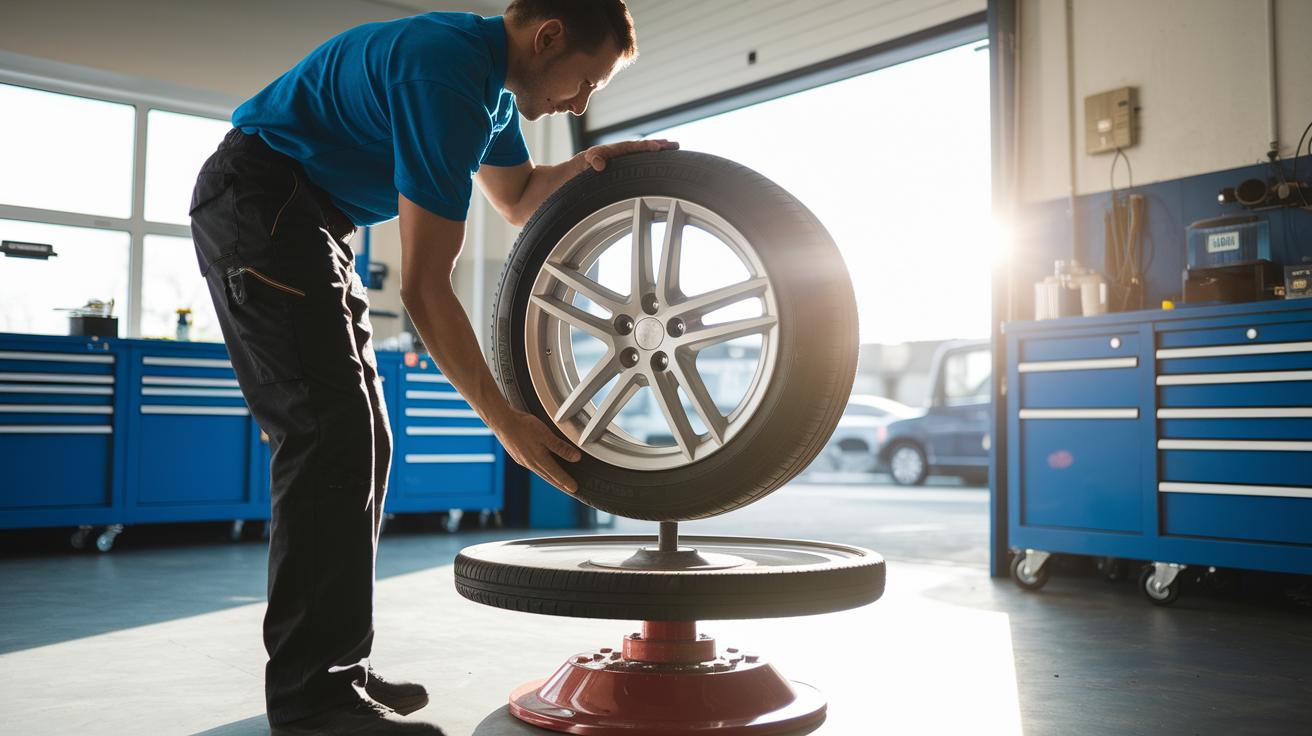
Imagine your tire and wheel getting ready for a smooth drive. A technician first places them on a spinning machine that checks how the weight is spread around. As the machine spins, it figures out where extra weight might be causing a wobble. This often happens because of uneven tire wear (how fast the tire's surface wears out), lost weights from bumps, or flat spots that form when a vehicle sits too long. The technician then uses these readings to decide exactly where to add small counterweights so everything spins evenly.
Static Balancing
For static balancing, a simple machine, often called a bubble or single-plane machine, is used. This device helps spot weight differences along the tire's radius (from the center to the edge). When it finds a heavier spot on one side, the technician applies counterweights to the rim to even out the load. This way, your tire can spin smoothly around its center.
Dynamic Balancing
Dynamic balancing takes things one step further. In this process, sensors check the tire as it spins on two levels. This method fixes weight differences both side-to-side and from the center outwards. It’s like fine-tuning the balance so your ride stays smooth even at higher speeds. Once the necessary weights are added, the technician spins the tire again to make sure it’s all set. They also remove any protective covers, leaving you with a tire that’s ready for a safe and comfy ride.
The Science Behind Tire Balancing: Mechanics and Physics
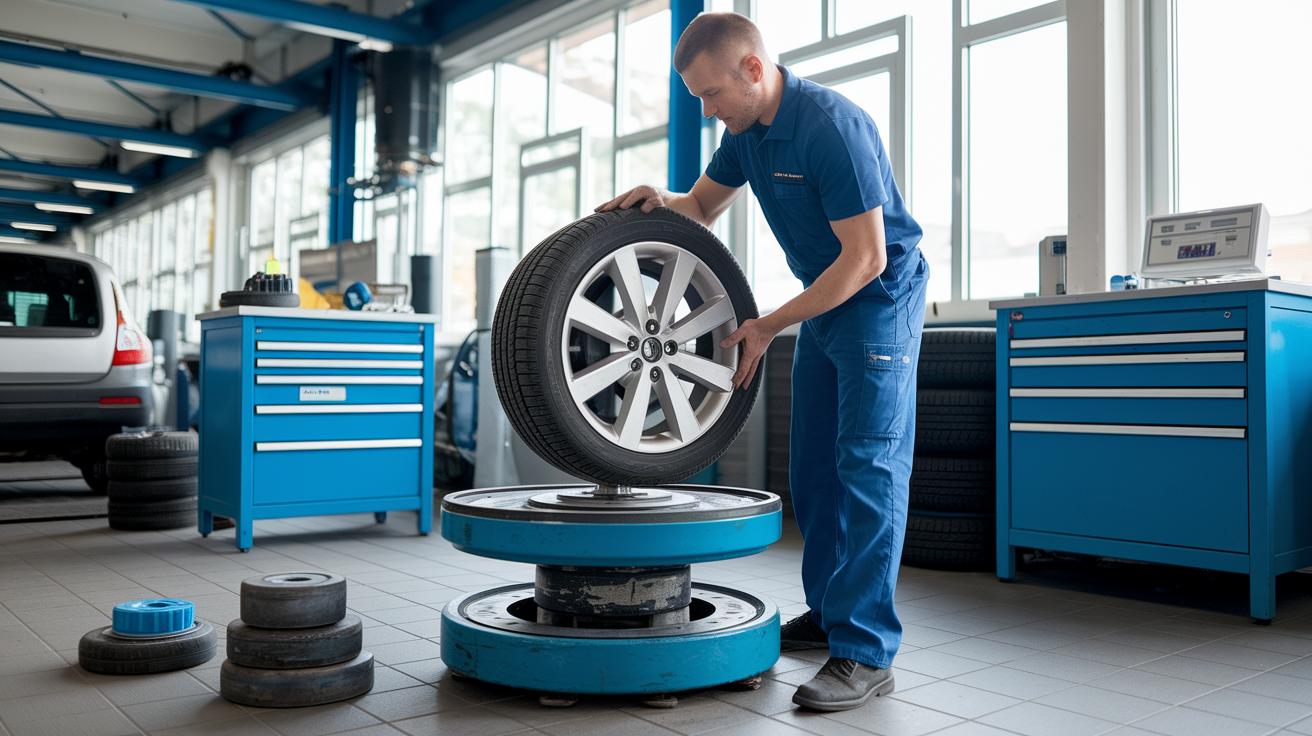
Ever wonder why your drive feels smooth even on rough patches? It all comes down to balancing your tires so they spin evenly without any wobbles. Technicians work on fixing small weight differences both from the center (radial imbalance) and from the side (lateral imbalance) to keep your ride steady, even when you pick up speed.
| Concept | Definition |
|---|---|
| Static Equilibrium | Balance in one plane to fix radial imbalance. |
| Dynamic Equilibrium | Balance in two planes to correct lateral and radial errors. |
| Road Force Balancing | Simulates load pressure to uncover internal tire or uniformity issues. |
By applying these simple physics ideas, experts make sure each tire spins just right. This careful correction cuts down on vibrations and uneven wear, giving you a smoother ride and longer-lasting tires.
Detecting and Diagnosing Tire Imbalance Issues

Sometimes you can tell something’s off just by how your car feels. If you notice unusual shaking or if your car doesn’t seem to move evenly, one or more tires might be out of balance. This not only makes your ride less comfortable but can also put extra pressure on your car’s suspension and cause your tire tread (the part that touches the road) to wear unevenly.
Take a look for these warning signs:
- A shimmy in the steering wheel when you're cruising on the highway
- Vibration felt in the seat or floorboard
- Tread wear that looks uneven
Skipping these problems might lead to more damage over time. Extra strain on parts like the suspension can cause them to wear out faster. Plus, uneven tire wear means you might need to replace your tires sooner than expected. Addressing the imbalance early helps keep your car safe and smooth on the road while saving you from pricier repairs later.
Benefits of Proper Tire Balancing for Vehicle Performance

Balanced tires make every drive quieter and smoother. You won’t feel as many bumps, and instead, you'll enjoy a gentle hum as you cruise along. It’s a bit like switching lanes on a calm day and hearing the soft purr of a well-tuned engine.
Even tire wear helps reduce strain on other parts like your suspension, which means you might save on repair bills down the road. You might notice your car steering straight and handling better overall. It’s like avoiding that early tire change by keeping everything even and in balance.
With tires that are balanced just right, your vehicle handles more predictably, especially on twisty roads or in sudden stops. It gives you that extra boost of safety and makes your car feel like a trusted friend, always ready to support you on the road.
DIY vs Professional Tire Balancing: Methods and Recommendations

When it comes to keeping your ride smooth, you’ve got to choose between balancing your tires at home or letting a pro handle it. DIY balancing uses simple gadgets like bubble balancers, cone adapters, or even brake-drum setups. These can save you money, but they aren’t always spot-on for catching even the tiniest wobble. In contrast, professionals use digital balancers (fancy computerized tools) and skilled technicians to fine-tune your tires, usually every 5,000–6,000 miles, making sure everything rides as safely as possible.
DIY Tire Balancing Methods
Trying out DIY tire balancing can feel pretty hands-on. With tools like bubble balancers and cone adapters, you might already have what you need if you love tinkering with your car. But here’s the thing: these methods can only get you close to balance. They might miss the little issues that lead to vibrations or uneven tire wear. This approach usually costs less, but it might leave you with a less precise result compared to a professional job.
Professional Tire Balancing Services
At a tire shop, things get more precise. They use top-notch digital balancers to figure out exactly where to add tiny weights. Trained technicians work with exacting standards, ensuring your tires meet manufacturer guidelines. This professional touch means even the smallest imbalance gets fixed, much like following a detailed cost–benefit analysis that shows why a professional job can be worth the extra effort. In the end, whether you opt for DIY or head to the shop really depends on what tools you have, your budget, and how perfect you need your tire balance to be.
Integrating Tire Balancing with Alignment and Rotation Maintenance
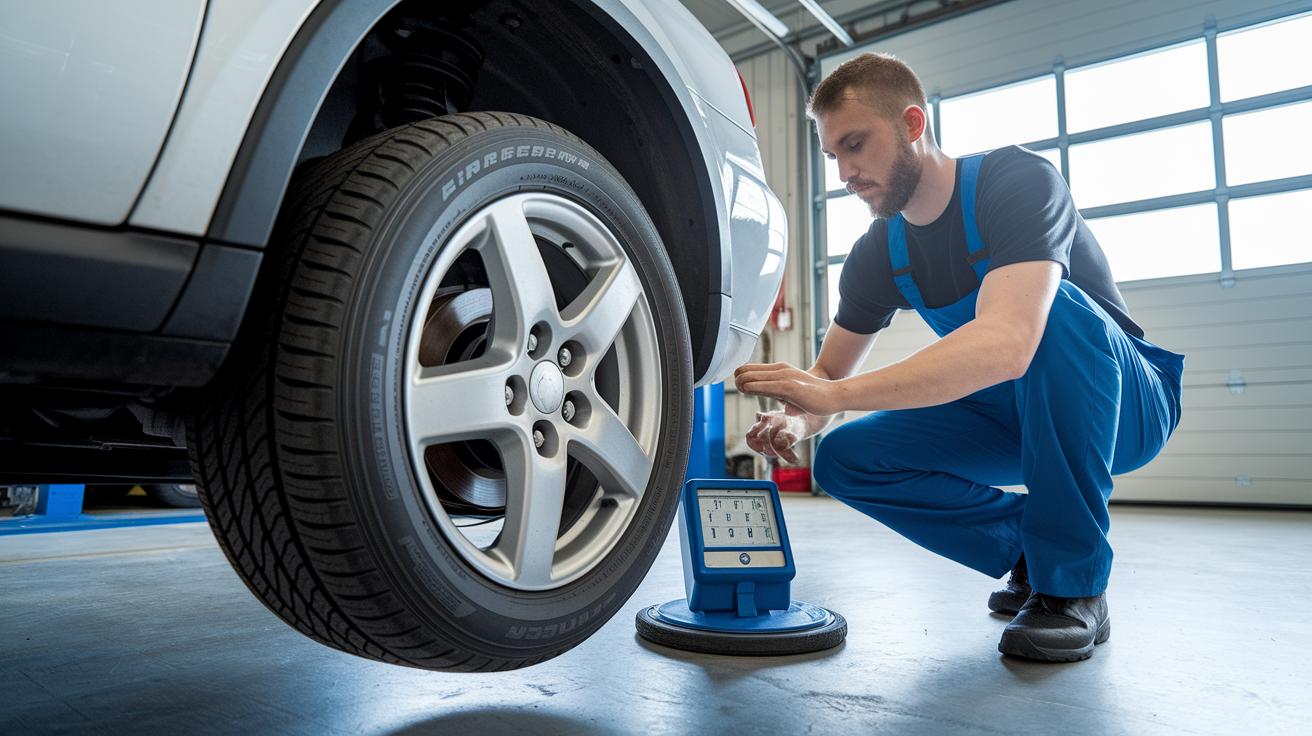
Imagine your car getting a tune-up that really makes a difference. Tire balancing spreads out the weight evenly (so you don't feel any annoying shakes), and wheel alignment sets your tire angles, like camber (that slight tilt), toe (how they point), and caster (the side-to-side balance), to keep your ride straight. Both services work hand-in-hand to stop uneven tire wear and keep your car handling like it should.
Here are a few easy tips:
- Rotate and balance your tires every time you get an oil change.
- Have your alignment checked every year or after any suspension work.
- Get a dynamic balance check if you hit a big pothole.
- Schedule a road-force balancing check once a year.
Stick with this routine and you’ll enjoy a ride that feels smooth and stable. Taking care of your tires with regular balancing, proper alignment, and timely rotations not only makes them last longer but also helps protect your suspension parts. When you follow a car maintenance schedule (like the one at https://thecivics.com?p=407), your vehicle stays in top shape. In truth, a well-tuned system means a smoother drive, better fuel economy, and fewer surprises on the road.
Final Words
In the action, we broke down tire balancing steps, from mounting to precise weight adjustments. We also looked at the essential equipment and the science behind correcting imbalances. Even the simple act of balancing plays a big role in ride comfort, safety, and long-lasting tires.
Learning how does tire balancing work can make all the difference in your driving experience. Keep these tips in mind, and you’ll enjoy smoother, more reliable performance every time you hit the road.
FAQ
How does tire balancing work on a car?
Tire balancing on a car works by mounting the tire and wheel on a balancer that checks weight spread. The machine tells you where to add weights to smooth out any uneven parts, improving your ride quality.
What is the difference between tire balancing and alignment?
Tire balancing fixes weight differences on a tire to reduce vibrations while alignment adjusts the angles of your tires (like camber, toe, and caster) for proper contact with the road.
How much does tire balancing cost?
Tire balancing cost varies by service location and vehicle type. Many shops offer a standard rate, making it a worthwhile investment to prevent uneven tire wear and improve vehicle handling.
Where can I find tire balancing services near me?
Many auto repair shops and tire centers offer tire balancing services nearby. A quick local search can show you available providers that can help get your tires balanced.
How can I balance my tires myself?
You can balance your tires using simple DIY tools like a bubble balancer, though these methods may not match professional precision. Home setups work best for minor adjustments and basic maintenance.
How do I know if my tires need balancing?
Your tires might need balancing if you feel vibrations in the steering wheel or notice uneven tread wear. These signs indicate the wheel may not be distributing weight evenly.
How long does tire balancing last?
Tire balancing can last for many thousands of miles. However, factors like road conditions and tire wear might mean it needs checking at regular service intervals.
Do service centers automatically balance your tires?
Many service centers use automated balancing machines that measure weight differences and add weights where needed. This system speeds up the process and provides accurate results.

