


Ever wonder if your driving style might be cutting your tires' life short? Quick starts and hard stops add extra friction (that rubbing action that wears tires down unevenly) and can cost you extra cash. Think about it like taking good care of your favorite sneakers, a smooth drive helps your tires last longer. In this post, we'll chat about simple driving tweaks that can keep your tires in good shape and save you money. And hey, don’t you find that a gentler ride just feels safer?
Understanding the Link Between Driving Choices and Tire Wear
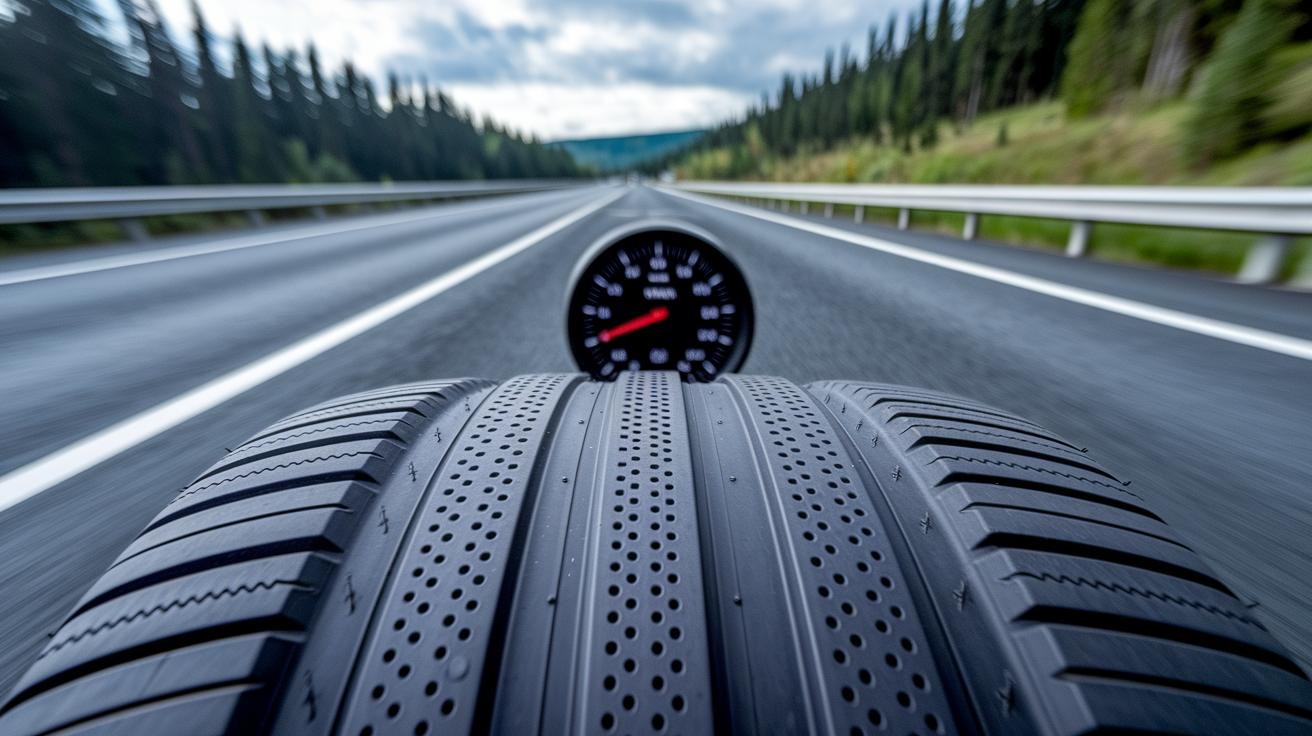
How you drive plays a big part in how fast your tires’ treads (the outer surface that touches the road) wear out. Your tires carry your car’s weight and help keep you safe on the road. When you drive with care, the pressure spreads evenly, and your tires can last longer. Think of it like your favorite sneakers – if you treat them gently, they stick around much longer.
On the other hand, if you often speed up quickly and slam on the brakes, your tires feel a lot more strain. Quick starts and sudden stops create extra friction that wears down certain parts of the tire – like the rear section when you accelerate or the center when you brake. Driving aggressively with high-speed bursts or sharp turns can cut your tire’s life by as much as 25%. This extra stress not only wears your tires unevenly but can also make them lose grip over time.
Smooth driving helps keep the pressure low on your tires, which noticeably improves how long they last. By keeping a steady speed and braking gently, you let the tire wear evenly across its whole surface. Also, it’s a good idea to regularly check your tires for early signs of uneven wear or misalignment. Not only can this gentle driving style save you money on repairs, but it also makes your trips safer.
Impact of Aggressive Driving Techniques on Tire Wear: Smart Savings
Rapid Acceleration and Tire Wear
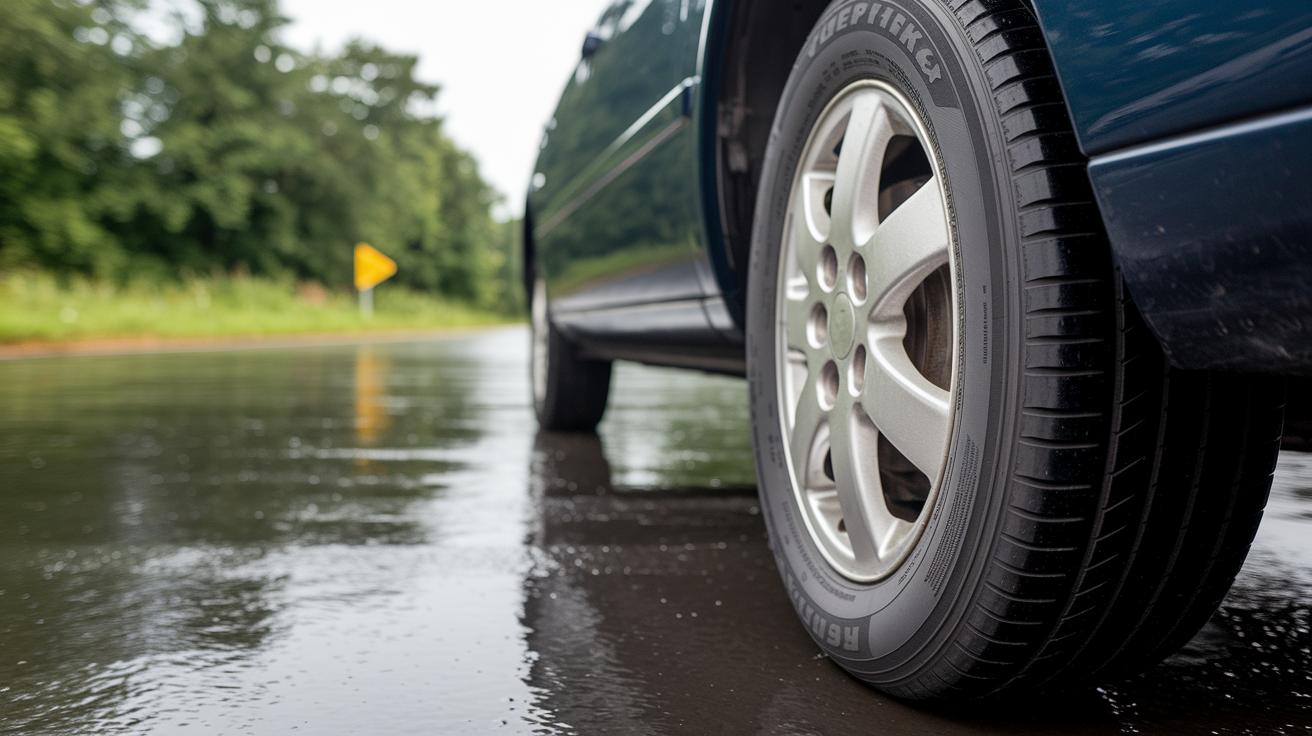
When you hit the gas hard, your tires spin quickly and heat up, especially on the back edges. That burst of speed stresses the outer parts, so they wear down sooner. It’s a bit like how your sneakers get worn out faster if you run a lot. Fun fact: a race car driver once blew out his tires by flooring it too much, a harsh lesson in the value of smooth acceleration.
Hard Braking and Tread Deterioration
When you slam on the brakes, smooth stops turn into abrupt halts. This quick stop creates flat spots and extra wear right in the middle of the tire, where most of the pressure happens. Think of it like stopping suddenly in a drive-thru; that sudden push can really tire out your tires. All this force shortens the tire’s life noticeably.
High-Speed Driving and Heat-Induced Degradation
Driving fast means your tires are fighting friction all the time, which makes them heat up a lot, like an engine left idling too long. This extra heat causes the tire’s surface to break down faster. When you keep up the high speeds, the constant warmth slowly softens the tread, making your tires work less effectively and shortening their overall lifespan.
Aggressive Cornering and Edge Wear
Taking sharp turns puts extra pressure on the sides of your tires. Hard cornering forces the outer edges to carry a lot of weight, so they start to wear out quickly. Imagine trying to make a tight turn on your bike, if you do it too abruptly, the tire’s edge wears down fast. This uneven wear can impact both your safety and how long your tires last.
Benefits of Smooth Driving Methods for Extended Tire Life

When you accelerate slowly and brake gradually, you spread out the forces on your tires (the part that contacts the road), which helps keep them in shape. Easing into movement and slowing down without sudden stops means your tires face less stress. This gentle approach can even boost your tire life by about 15%, saving you cash over time.
Keeping a steady speed and planning ahead for stops also helps reduce the load on your tires. When you notice traffic changes or light signals early, you can avoid hard braking that wears out the center of your tire tread. Driving smoothly makes it less likely for your tires to wear out quickly, preventing expensive replacements later on.
Taking turns gently is another smart move for your tires. Soft, gradual turns reduce the side forces on them, so the outer edges wear down slower. When you steer smoothly instead of making sharp turns, your tires stay in better contact with the road, keeping them balanced and performing well.
Using these easy eco-driving techniques not only helps your tires last longer but also makes your car handle better and feel safer. It’s a practical and wallet-friendly way to keep your ride smooth and steady.
Role of Maintenance and Tire Care Routines in Mitigating Wear

Taking good care of your tires makes a big difference. Check your tire pressure each month at the psi (pounds per square inch, which tells you how much air is in your tire) that the maker recommends. This tiny step helps avoid wear from too little or too much air. Rotating your tires every 5,000 to 8,000 miles keeps the wear even. And when you check things like wheel alignment (making sure the wheels point the right way) and tire balancing (making sure the tire's weight is spread out evenly), you can spot any uneven wear before it gets worse. Regular care like this helps your car steer smoothly and makes your tires last longer.
| Maintenance Task | Recommended Frequency | Benefits |
|---|---|---|
| Checking Tire Pressure | Monthly | Stops damage from too little or too much air |
| Tire Rotation | 5,000–8,000 miles | Makes tire wear even |
| Wheel Alignment | As needed | Prevents uneven wear |
| Tire Balancing | During rotations | Boosts handling and tire life |
Spending a little time on these regular checks now can help you dodge expensive repairs later. Spotting issues like misalignment or uneven wear early means you can fix them quickly and keep your car running well. With a few simple routines, your tires will hold up better, saving you money and keeping your ride safe and smooth.
Recognizing Tire Wear Patterns and When to Act
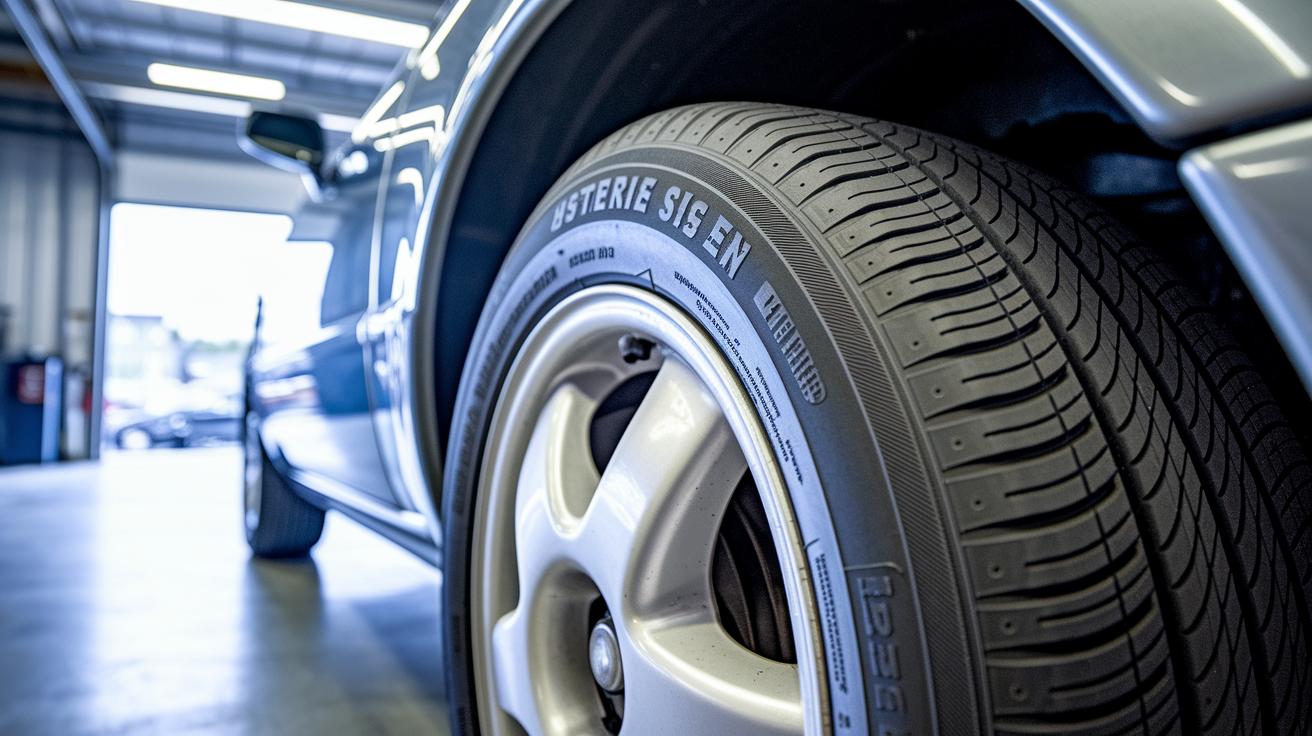
It’s important to check your tires often, so you can catch any signs of wear before they turn into bigger problems. For instance, if you see that the inner edge of your tire is wearing down faster than the rest, it might mean the wheels are angled too much inward (this is called camber misalignment). And if the middle of the tire is wearing more than the sides, that could be a sign of overinflation, where too much air puts extra pressure on the tire. Catching these hints early lets you fix things before they worsen.
Then there’s another pattern called cupping or scalloped wear. This is when little, uneven dips form in the tire’s surface. It’s a bit like noticing potholes on a familiar road, and it can mean there’s an issue with your suspension or that your tires aren’t balanced properly. When your tire starts showing this kind of wear, it might not be making solid contact with the road, which could affect how the car handles and might even be unsafe. Keeping an eye out for these issues can save you from expensive repairs down the line.
You might also spot uneven scuffing on the sidewalls, which often happens after harsh turns or if the tire isn’t filled with the right amount of air. This wear can weaken your tire and lower its performance. If you see signs like this, it’s a good idea to get your car checked right away for any misalignment or underinflation issues. Being proactive about tire maintenance not only keeps you safe on the road but also helps you avoid costly fixes.
Tips for Modifying Driving Habits to Extend Tire Life

When the weather shifts, it's a good idea to adjust your driving. On wet or icy roads, ease off the gas and tap the brakes gently. For example, on a rainy day, slow down a bit earlier so your tires can grip the road better and avoid overheating.
Modern technology can help you keep an eye on your tires. Many cars now have sensors that alert you when tire pressure changes, sometimes right on a connected app. These apps can even warn you if you're speeding up or braking too hard.
Different road conditions call for different driving techniques. On hot days or bumpy roads, it's smart to gradually lower your speed before you hit a curve or steep stretch. For instance, when you're driving downhill on a hot day, gently taking your foot off the gas helps your tires cool off naturally.
Pair these easy-to-follow driving habits with regular check-ups from a professional. Many drivers believe that using tech alerts along with expert inspections not only prolongs tire life but also means fewer surprises on the road.
Final Words
In the action of driving, everyday choices play a big role in tire health. We explored how driving habits affect tire wear, from rapid starts and hard stops to smooth, steady moves that help extend your tire’s life.
We also looked at simple maintenance tips like keeping an eye on tire pressure and regular rotations to catch wear early.
Simple changes in driving style and care routines can boost reliability, ensuring every drive feels secure and confident.
FAQ
Frequently Asked Questions
Tires can still be retreaded even if the casing is damaged?
The retreading process isn’t safe when the tire casing is damaged because compromised structure means the tire may not deliver the needed traction or safety.
Which wear patterns occur due to driver habits?
The wear patterns linked to driver habits include accelerated shoulder and center-tread wear, as aggressive actions like hard braking and quick starts lead to uneven tire wear.
Which wear patterns indicate contact with the vehicle’s components?
The wear patterns that point to contact with vehicle parts often appear as scuffed or abraded sidewalls, showing that the tire has rubbed against nearby components.
How long do tires last?
Tire longevity generally falls between 25,000 and 50,000 miles, with proper maintenance and smoother driving extending their effective service life.
How do driving habits and behaviors affect tire wear?
Driving habits, like rapid starts, hard stops, and sharp turns, stress different tread sections, causing abnormal and uneven wear that can cut tire life significantly.
What is the 3% tire rule?
The 3% tire rule means you should check tire pressure monthly, as even a small drop of around 3% can lead to uneven wear and reduced performance over time.
What is the 7 7 rule for tires?
The 7 7 rule recommends inspecting tires every 7 days and rotating them roughly every 7,000 miles, helping maintain even tread wear and consistent performance.

