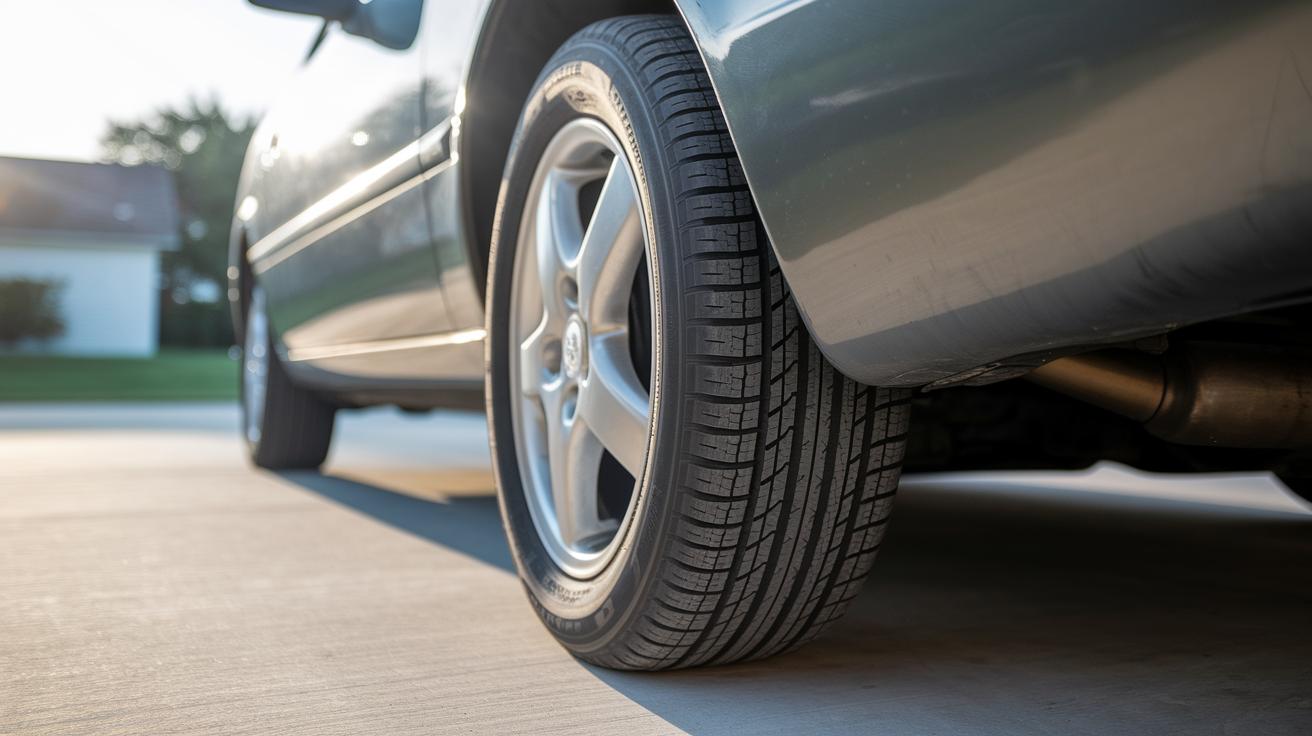


Ever wonder if skipping tire rotation could be causing more damage than you think? Not switching your tires puts extra stress on some of them, which means they wear out faster. It's a bit like overworking one tire while letting the others take a break. This extra wear can make your ride bumpier and even lead to higher costs down the road. So, a simple tire rotation not only helps your tires last longer but also keeps your ride safe and smooth.
Consequences of Improper Tire Rotation on Wear and Lifespan

Your car’s tires are made to share the work equally. The front ones handle things like turning and stopping, while the back tires push the car forward. When you rotate them on time, every tire gets a fair shot at taking on extra load, which helps them wear evenly. Imagine if the front tires kept doing all the heavy work without a break, they would wear out quicker, cutting their life short.
Skipping a rotation or doing it wrong stresses certain parts of the tire, like the shoulders (the edges where the tire bends) or the central part. This uneven wear can create a spot that wears down fast, much like a sponge that has lost its ability to soak up water evenly. When one area wears out before the rest, the tire loses its grip on the road, making it harder to drive safely.
Besides safety, incorrect tire rotation can cost you a lot in the long run. When tires wear unevenly, they have to be replaced sooner, which means more trips to the shop and a bigger hit to your budget. On top of that, your car might not handle as confidently on the road, leading to extra maintenance or even more expensive repairs.
How Improper Tire Rotation Impairs Handling and Safety

When you skip tire rotations, your tires won’t wear evenly and they lose their grip on the road. That means they struggle to stick well, especially when roads are wet or icy. Imagine trying to drive on tires that feel like they’re sliding a bit with every turn. It's like trying to steer a car with a mind of its own.
Uneven wear can also cause your car to vibrate in strange ways. You might feel a buzz in the steering wheel or even in your seat when you're speeding along. This kind of vibration can be a warning sign that something else, like your suspension or wheels, isn’t quite right. It's a bit like having a constant, distracting hum during your drive.
All these issues together raise safety concerns. With less grip and shaky handling, your brakes might not work as well and turning corners could feel risky. In tricky weather or if you need to make a sudden move, your car might not behave as it should. In short, uneven tire wear can make driving feel a lot less secure.
Effects of Incorrect Tire Rotation on Fuel Efficiency and Costs

When you skip routine tire rotations, your tires can wear unevenly, and that uneven wear makes your tires work harder. It’s like trying to pedal a bike with one flat tire, you feel every bit of the extra effort. This extra work means your engine has to push more, which can lower your gas mileage and make each fill-up hit a bit harder.
Over time, that extra strain can bog down your engine and lead to more maintenance headaches. Worn-out tires might need to be replaced sooner than you expected, and it often means extra trips to the service center for checks and fixes. In truth, neglecting rotations can turn a minor oversight into a series of costly repairs that stress both your wallet and your peace of mind.
Detecting Improper Tire Rotation: Wear Patterns and Vibrations

Regular checks can reveal if your tires aren’t being rotated properly. A quick feel and look can help you catch problems early, keeping you and your car safe on the road.
Here are some signs to watch for:
- Scalloped or cupped tread edges (this means the surface is wearing unevenly)
- Feathering along the shoulder, showing extra stress on one side
- Bald patches where the tread is wearing away faster than it should
- Noticeable vibrations at highway speeds, which might mean the tire isn’t wearing uniformly
- Sudden drops in tire pressure that could point to irregular wear
It’s a good idea to set aside a little time for a simple check, especially after long trips or before driving in tough weather. Regular monitoring helps you spot these unusual patterns and vibrations early, so you can tackle any issues before they lead to costly repairs or unexpected car behavior.
Proper Tire Rotation Patterns and Recommended Intervals

Keeping your tires turned at the right times helps them last longer and work their best. Most tire makers suggest switching them every 5,000 to 8,000 miles or when you get your oil changed every other time. This simple swap keeps the wear even from turning, braking, and speeding up. It means your tires grip the road better and your ride feels smoother. Trust me, it’s a small step that can really help keep you safe and save money.
Forward Cross Pattern
If your car uses front-wheel drive, the Forward Cross Pattern is a great choice. In this method, you move the front tires straight back to the rear while crossing the rear tires to the front. This switch helps the front tires, which take extra stress from steering and braking, share the load with the rear ones. That way, every tire wears more evenly and your car handles better on wet or dry roads.
Rearward Cross Pattern
For those with rear-wheel drive vehicles, the Rearward Cross Pattern works best. Here, you swap the rear tires with the front ones by crossing them over. This move helps balance the extra wear that rear tires usually face when they help push your car forward. By mixing up the loads, your tires keep a better grip and last longer, so you can enjoy safer braking and smoother turns.
X-Pattern Rotation
If you drive an all-wheel or four-wheel drive car, try the X-Pattern Rotation. In this pattern, you swap the tires diagonally from one corner to the opposite one. This method makes sure each tire gets a fair share of the road’s challenges. Just remember to check your owner’s manual to match the pattern and timing that fits your car’s design perfectly.
Maintenance Tips to Avoid Improper Tire Rotation Issues
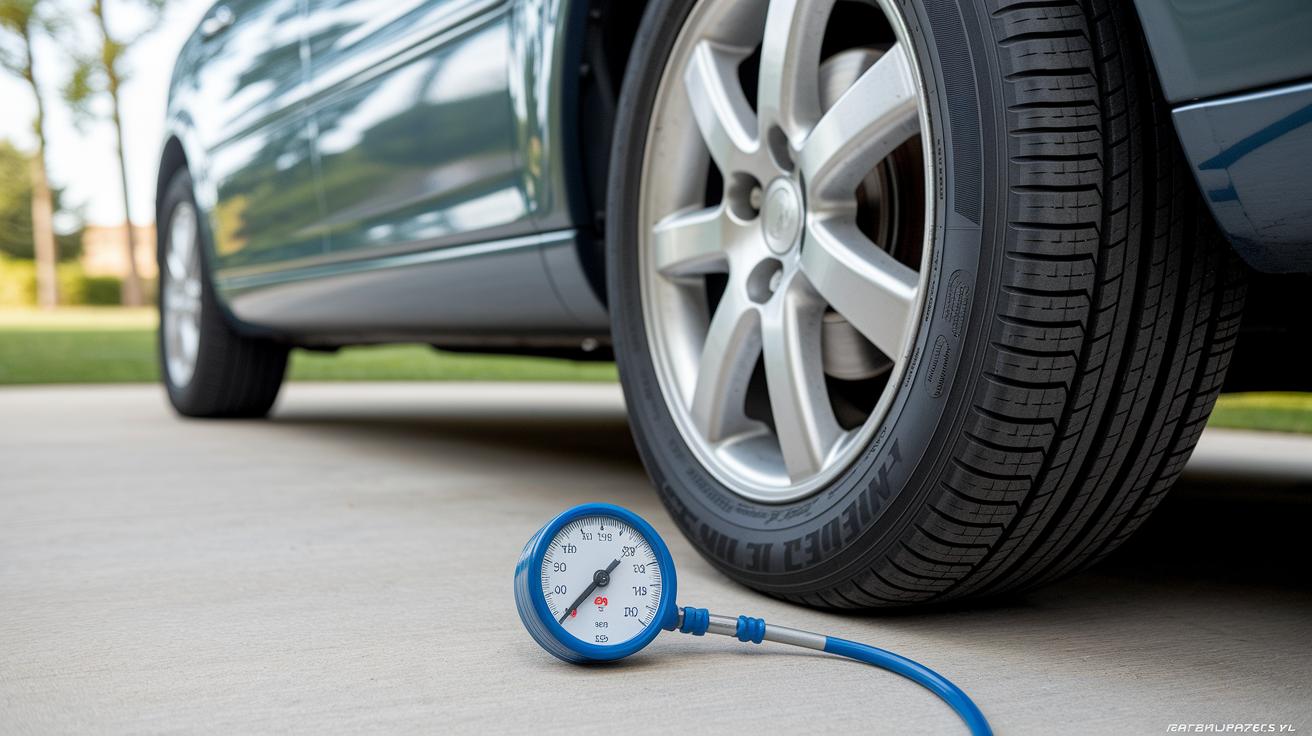
Keeping a close watch on your tires is like having a good friend look out for you on a long drive. Regular checks help you spot problems early on, so you don't end up with uneven wear or surprise repairs. It’s simple really, keep an eye on tire pressure and tread depth (that’s the part of the tire that touches the road) so you know if something’s off.
One easy step is to check your tire pressure every month and use a gauge to see how much tread is left. Next, make sure to book wheel alignments at the intervals your car recommends so your tires stay balanced. Also, when you rotate your tires, have them balanced too so they wear evenly. Lastly, jotting down service dates keeps you on track with maintenance.
Taking these little steps not only helps you avoid big repairs later, but it also makes sure your ride stays smooth. A quick look at your tires can sometimes reveal small issues, like a little vibration or lower tread in one spot, that might become bigger problems if ignored. Trust me, a bit of regular care goes a long way in keeping your journey safe and hassle-free.
Final Words
In the action, we explored tire rotation mistakes, load shifting, and the impact of uneven wear on tire life. We reviewed practical tips that help spot abnormal tread wear and vibrations early, making sure you know how improper tire rotation affects tire performance.
A little care with regular checks and proper scheduling helps preserve tire longevity and boosts safety. Keep up with these simple habits for a smoother, more confident drive every time.
FAQ
What happens if you rotate tires incorrectly or don’t rotate your tires regularly?
The impact of incorrect or skipped tire rotations is uneven tread wear that shortens tire life, weakens grip, and leads to costly replacements along with potential safety concerns.
How do you recalibrate tires after rotation?
Recalibrating tires usually means checking and adjusting tire pressures and ensuring the monitoring system is accurate. Many drivers simply adjust pressures, while some may need a quick look at their alignment.
Does tire rotation really matter?
Tire rotation matters because it evens out wear, boosts handling, and extends tire life, saving you money and keeping your ride safe on every drive.

