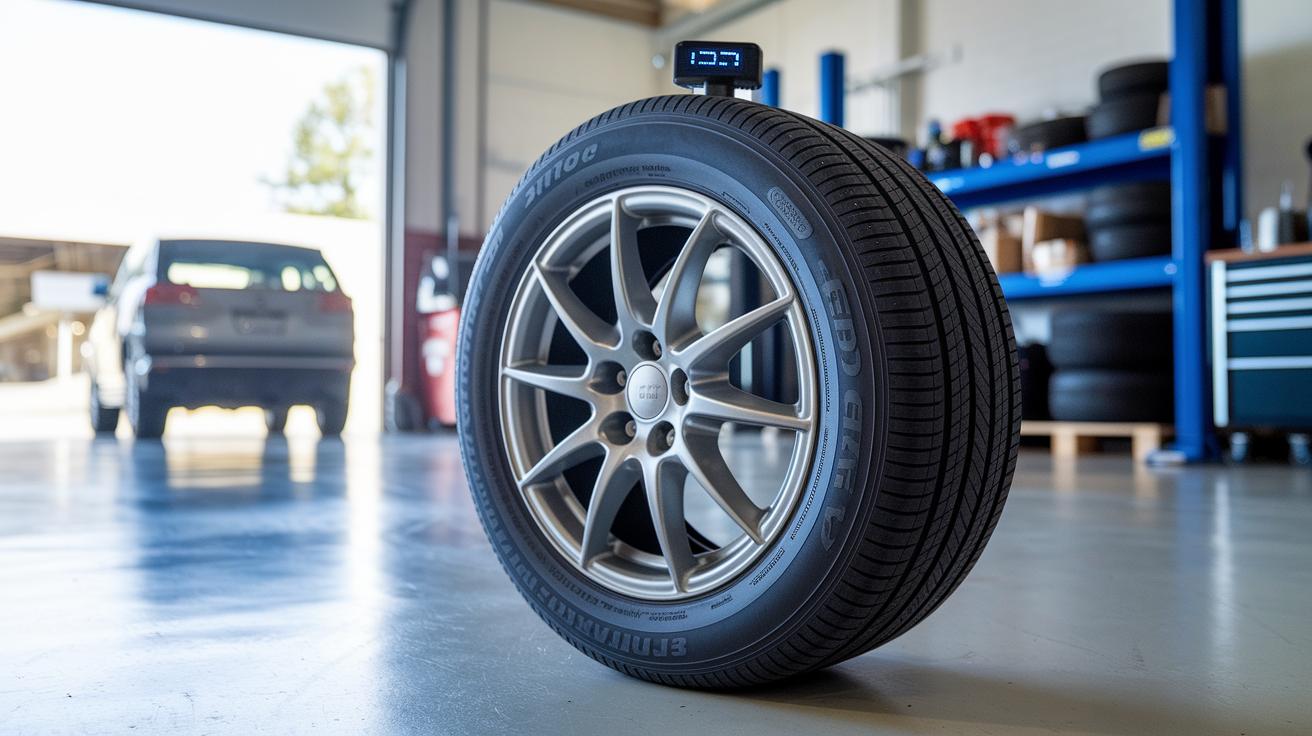


Ever wondered if your tires might be trying to tell you something? Tiny sensors tucked inside them now send real-time updates about air pressure, temperature, and wear (how quickly the tire surface is used up). It's almost like they give a quiet nudge when something isn’t right to keep you safe on the road.
This fresh way of checking tire health is a game changer for both fleet managers and everyday drivers. Imagine getting simple alerts, just like a friendly tip from a trusted buddy. Next, we’ll look at how new technology, like smart devices on the road, is making tire maintenance smarter and more efficient, leading to real benefits.
IoT-Powered Tire Maintenance: Fundamentals and Benefits
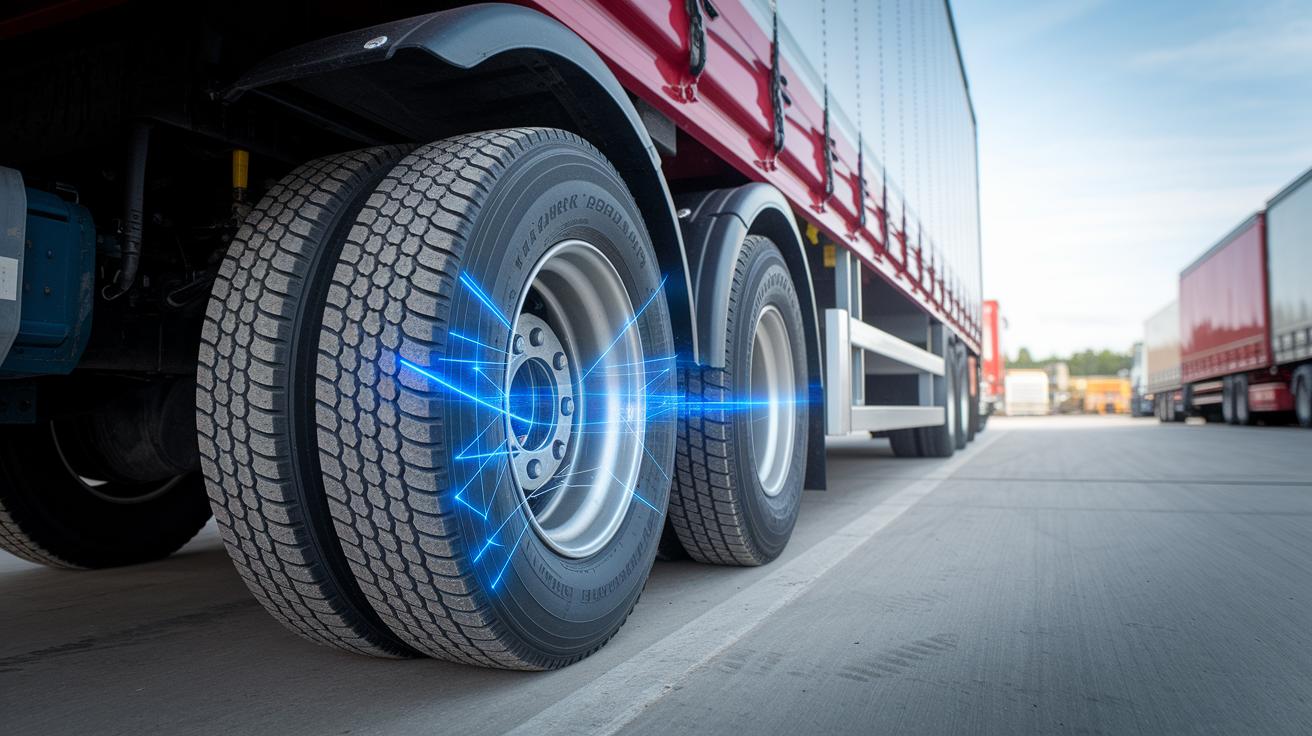
Smart tires now have little sensors inside that tell you what's happening with your tire pressure, temperature, tread depth (that’s just a way to talk about how worn your tire is), and wear patterns. These sensors, paired with digital networks and telematics systems (which add location details), set up a kind of all-seeing system that keeps an eye on your tires all the time. Did you know that fleet managers have seen a 20% drop in blowouts and unexpected downtime because of this smart approach? It means even a tiny change in your tire shows up right away, letting you handle things fast.
The system works by sending data wirelessly to a cloud platform where trends are spotted. Think of it like watching your fuel gauge on a long road trip. You see the data nicely laid out on a dashboard, so any hiccups can be noticed early and fixed before they become big problems. This quick reaction helps keep your vehicles humming along smoothly.
The benefits are plain to see: better safety, lower costs, and fewer stops for repairs. With this continuous stream of information, decision-making becomes smarter, helping to avoid major tire problems and saving time by reducing downtime. In short, by keeping a close eye on your tires, everyone from fleet managers to everyday drivers can enjoy a safer, smoother ride.
Sensor Integration in IoT Tire Maintenance Systems
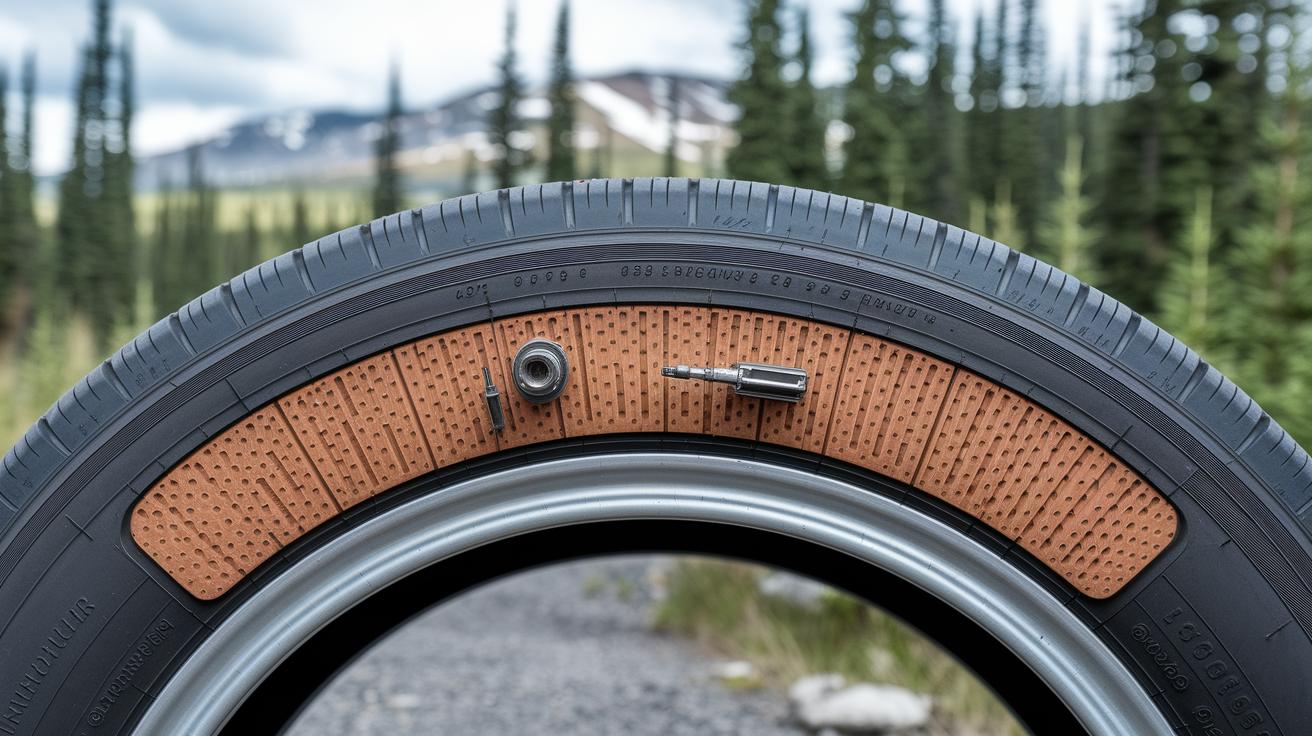
Sensors are really the heart of IoT tire tracking. They are small devices, like pressure monitors and temperature sensors, that keep an eye on your tires. These gadgets check tire pressure using piezoelectric units (that is, sensors that feel changes in pressure), measure the tire's temperature with special probes, and even look at tread depth using optical scanners. They also pick up unusual movements with vibration detectors. Then, this important data gets sent over easy-to-use wireless channels like Bluetooth Low Energy or LoRaWAN (a simple way to share data wirelessly).
The sensors work together through solid wireless networks. This keeps the system alert not only to tire conditions but also to other parts of your vehicle, such as through AI-powered cameras for license plates and trackers that plug into your car’s computer. It means any changes are noticed early, helping keep your drive safe.
| Sensor Type | Description |
|---|---|
| Piezoelectric pressure sensors | Sensors that detect pressure changes to monitor tire pressure |
| Thermal probes | Gadgets that measure the temperature of your tires |
| Optical scanners | Devices that check how worn out the tire tread is |
| Vibration detectors | Modules that sense unusual tire movements |
| Bluetooth Low Energy transmitters | Transmitters that send tire data quietly and quickly |
| LoRaWAN transmitters | Devices that use long-range, low-power wireless communication |
This blend of sensors and wireless tools creates a system that feeds real-time tire information continuously. It means maintenance becomes proactive, and your vehicle stays safer on the road.
Predictive Maintenance Algorithms for IoT Tire Systems
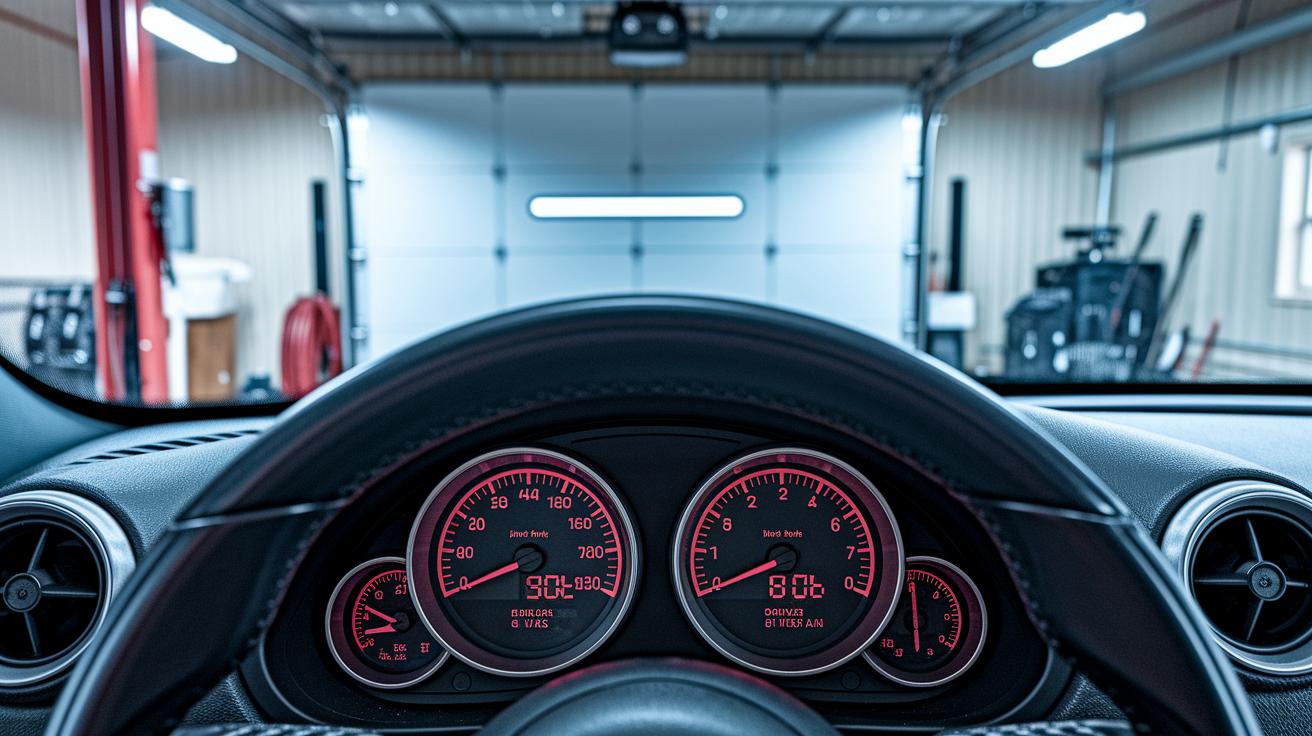
Our smart tire system keeps an eye on your tires by streaming sensor data all the time. It watches for little changes in wear, pressure, and even sudden heat spikes. Using clever tools that learn from past data, it spots unusual signs before any real trouble starts. Imagine a sensor picking up a small drop in pressure, a situation that might normally fly under the radar, but our system sees it as a potential hint for a bigger issue. This means drivers and fleet managers can get handy alerts right on their dashboards.
Here’s how it works:
- We continuously collect data from tire sensors, checking things like pressure, temperature, and how much the tire has worn (tread depth).
- The system then uses machine-learning models to understand what normal conditions look like.
- It spots any odd changes that stray from the usual wear trends.
- When something seems off, it quickly predicts that there might be a fault.
- Finally, it sends alerts straight to your dashboard or fleet-management system so you can take action right away.
This smart setup not only gets better at predicting real issues over time but also cuts down on false alarms. By catching problems early, it helps lower service costs and reduces those annoying unplanned downtime moments, keeping your journey smooth and worry-free.
Cloud and Analytics in IoT Tire Maintenance
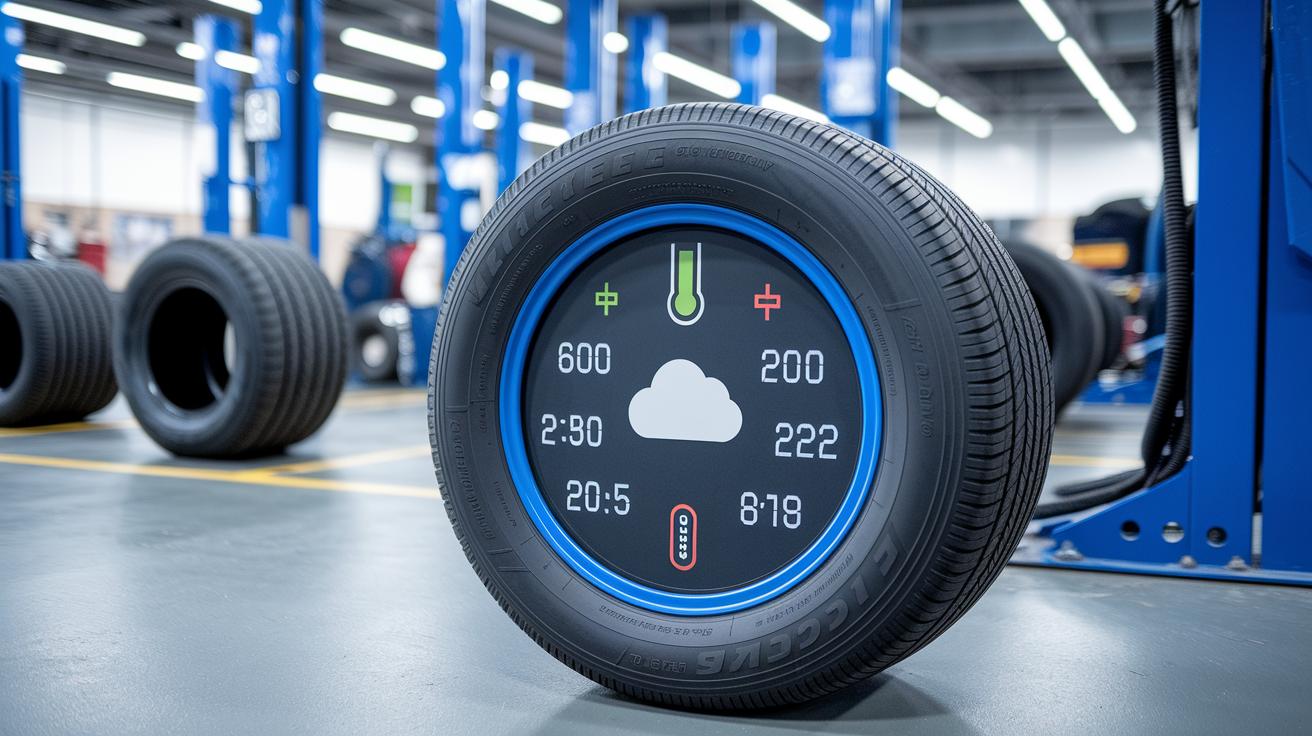
Smart tires send sensor updates straight to cloud systems where all the tire information is sorted out. You get a clear look at tire pressure, wear rates, and temperatures (just think of how hot they get) right on easy-to-read dashboards, almost like checking your fuel gauge on a quick glance.
After the data reaches the cloud, a mix of networked systems and local tools works together to turn raw numbers into simple, useful insights. This setup means that shop managers and fleet operators alike receive timely alerts, so you can catch small issues before they turn into big, expensive fixes.
The clear dashboards make spotting trends a breeze, which turns routine tire checks into a smart, proactive habit. In truth, this streamlined approach helps your operations run smoothly while keeping your fleet safe and reliable on the road.
Real-World IoT Tire Maintenance Case Studies

A trucking fleet in North America switched to smart tire sensors and saw some real benefits. They managed to lower tire service calls by 20% and cut overall tire maintenance costs by 15%. Imagine keeping a closer watch on your tires and saving money to invest in other parts of your fleet.
A delivery service also saw big improvements by using IoT solutions for their tire care. Their maintenance scheduling got 30% more efficient, which helped reduce roadside failures by 25%. With smart alerts telling them when tire care was needed, they weren’t caught off guard by unexpected issues. This smoother scheduling helped them avoid delays and run their operations more reliably.
An auto-service chain used connected tire technology to get real-time, cost-effective alerts. This system helped them make better use of their service bays and keep their inventory moving smoothly. With constant monitoring and smarter resource planning, they managed to reduce downtime and keep their service center running steadily.
Addressing Challenges in IoT Tire Maintenance Implementation

Switching to new sensor-equipped tires and digital hardware means investing more at the start, which can really stretch budgets. And it's not just the money – fleet managers sometimes find it tricky to read and use the live data coming from these smart devices.
Then, there's the challenge of training and getting everyone on board. Moving to a networked diagnostic system means your team has to learn new routines and use fresh software. Often, older systems like telematics or ERP won't easily match up with today's tech, which might mean you need custom software tweaks (APIs) to connect everything smoothly.
And don’t forget security. You need strong cybersecurity measures to keep sensitive vehicle data safe from unwanted access. With the right training and tech updates, these bumps in the road can turn into smooth rides. For more on keeping your vehicle in check, check out vehicle maintenance.
Future Trends in IoT-Driven Tire Maintenance

New IoT tire systems are teaming up with edge computing to make getting tire info quicker and easier. They filter and process data right at the source, meaning you get alerts about small tire issues almost instantly. This setup is part of a digital plan that keeps a constant, real-time eye on your tire health.
Soon, smart camera tools will boost how we check tire treads, and there’s even talk of adding sensor arrays (small tools that collect tire numbers like pressure and tread wear) to new kinds of self-healing rubber compounds. Early tests look promising, showing these techniques can predict normal wear and tear, helping to save time and money.
Tech experts are also working to set common rules for IoT in tire systems. This means that in the near future, sensor tools and smart alerts will work together more smoothly during everyday use. Thanks to improved edge computing, data travels faster and more reliably, making tire maintenance simpler and keeping your ride safe.
Final Words
In the action, we explored sensor systems, smart predictive alerts, cloud analytics, real-world case studies, and challenges with new tire technology. Each section showed clear benefits for keeping tires strong and safe.
We also touched on future trends, making it easier to understand how IoT is revolutionizing tire maintenance. With real-time data and user-friendly tools, this approach helps everyone drive with confidence and safety.
FAQ
FAQ
How does IoT contribute to predictive maintenance?
IoT contributes to predictive maintenance by gathering data from tire sensors on pressure, temperature, and wear. This data is analyzed to spot issues early, allowing repairs before failures occur.
How is IoT used in the automotive industry?
IoT is used to connect sensors that monitor tire pressure, temperature, and tread depth. It sends real-time data to drivers and fleet managers, which helps improve vehicle safety and performance.
How is IoT improving maintenance processes in industrial operations?
IoT improves maintenance by providing continuous sensor data that highlights wear trends and pressure changes. This early warning system helps schedule repairs efficiently, reducing downtime and cutting maintenance costs.
Which industry commonly uses IoT for smart factories and predictive maintenance?
The manufacturing industry, especially in smart factories, commonly uses IoT. It leverages connected sensors and data-driven alerts to monitor equipment and tire health, enhancing safety and operational efficiency.

