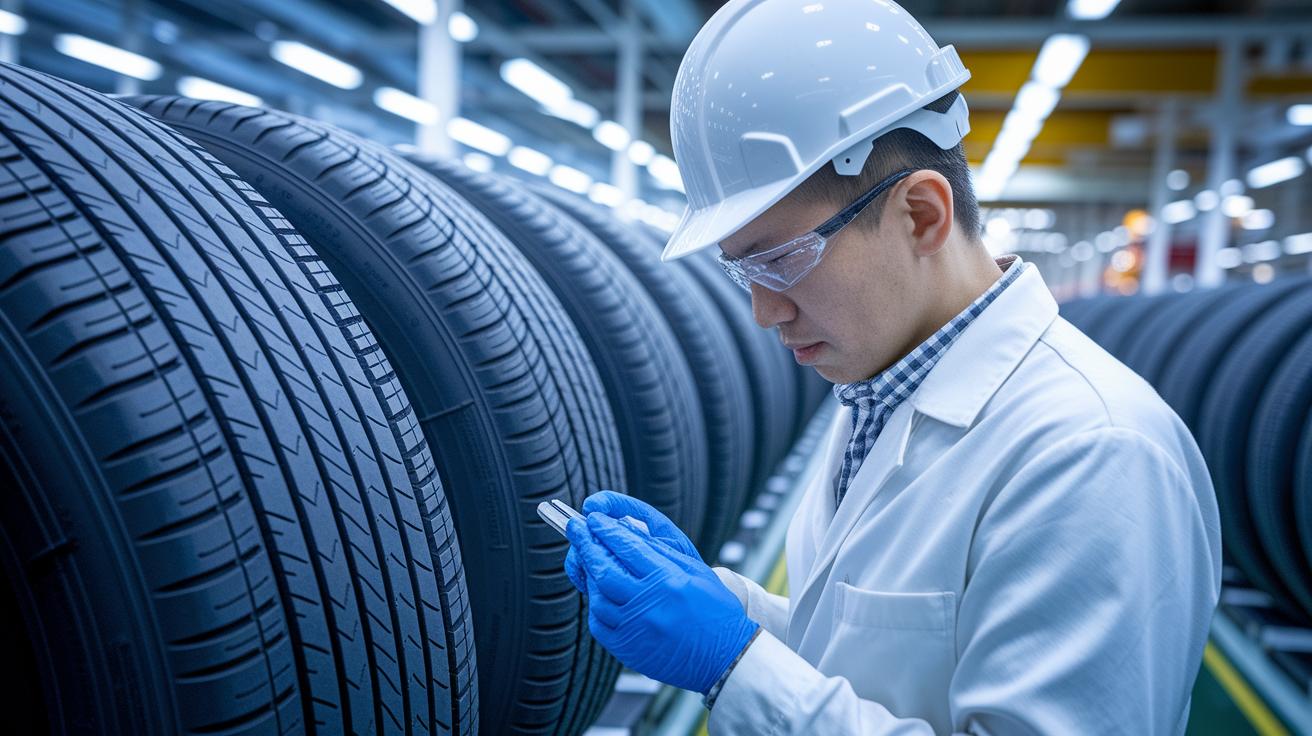


Ever wonder if tiny bits could be the secret behind tougher tires? Nanotechnology works by mixing minuscule particles into the rubber. These particles boost the tire's strength and help it stand up to wear and tear (tread wear means how fast the tire’s surface wears down). It’s like adding a special ingredient that turns an everyday meal into something extraordinary.
Imagine this: each little helper makes your tire stronger against everyday road bumps and rough conditions. It’s a high-tech twist on something small that makes a big difference on your drive. Next time you hit the road, think of these minute particles working behind the scenes to keep you safe.
Nanotechnology Foundations in Tire Production
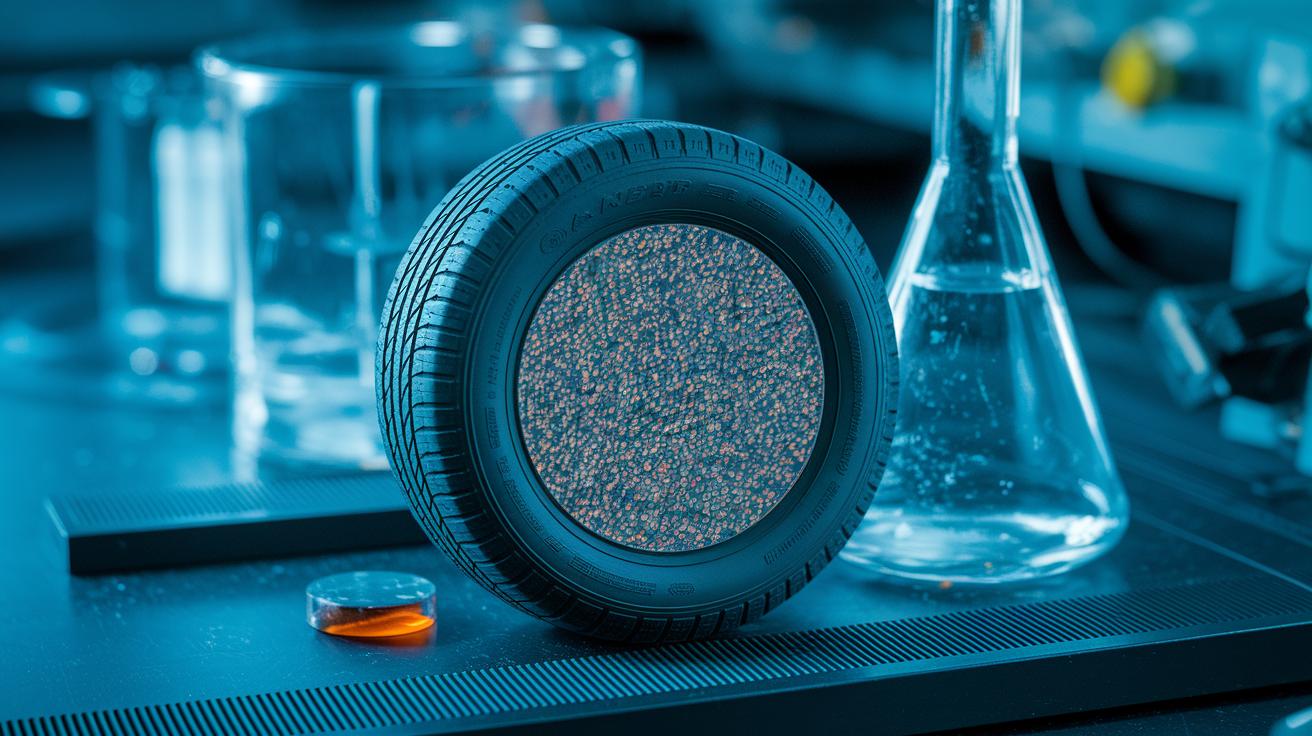
Nanotechnology works on a tiny scale, just 1 to 100 nanometers. That’s so small you can’t see it, but even the smallest tweak can change how a material behaves at the molecular level. It’s a bit like adding a special spice to your favorite dish. Even though it’s barely noticeable, it can really transform the flavor.
In making tires, manufacturers mix these tiny particles into the rubber compounds. This mix helps the rubber get stronger, resist wear (where the surface starts to break down), and fight off damage from everyday driving. When these little nanoparticles spread evenly through the rubber, they give the tire extra toughness. The result? A tire that holds up better in tough conditions, lasts longer, and saves you from having to change or repair it too often.
Core Nanomaterials for Nanotech-Enhanced Tire Production
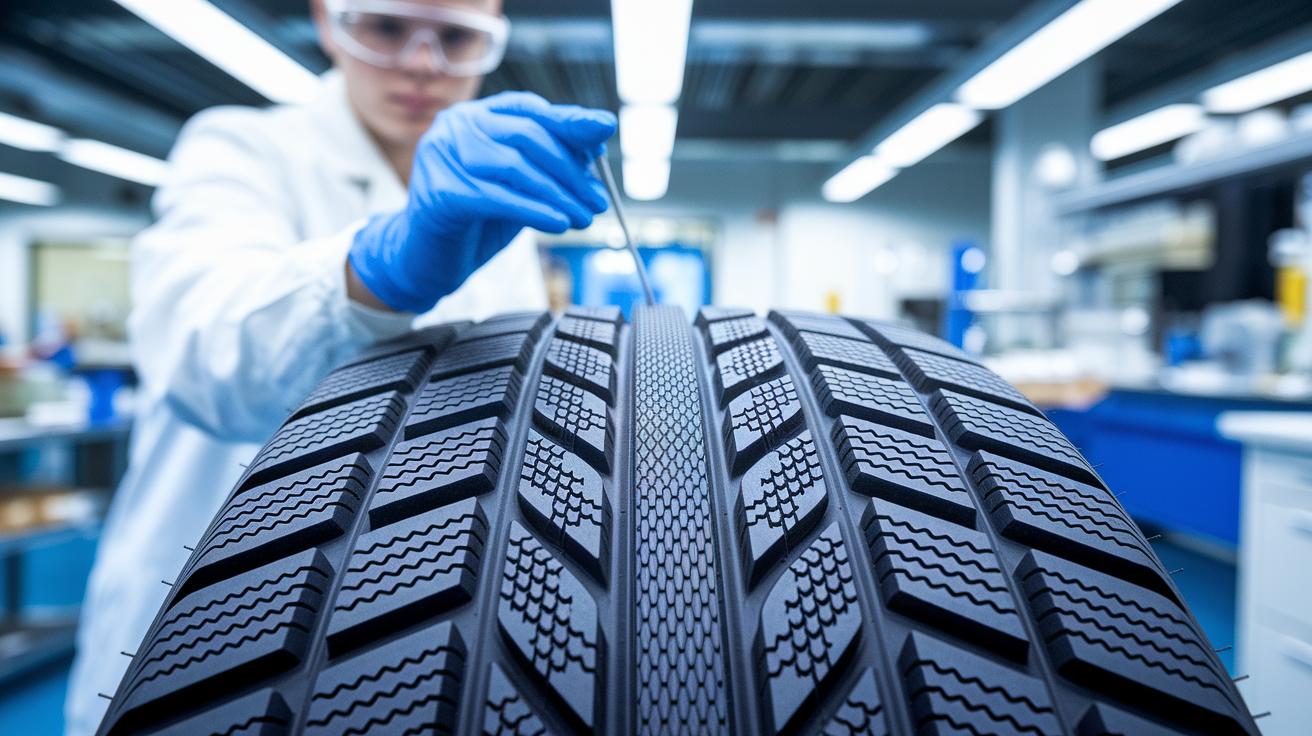
Tire making is getting a cool upgrade with some really tiny helpers. Manufacturers now mix in special nanoparticles that act like hidden reinforcements, making the tires tougher and more flexible. It’s a bit like adding a secret ingredient that keeps your ride reliable even when things get rough.
Here’s a quick rundown of the key players:
- Silica nanoparticles: They boost grip and durability by reinforcing the rubber at a very small scale.
- Carbon nanotubes: They add extra strength and stiffness so the tire is less likely to wear out.
- Nanoclay: This one improves how the rubber stretches and recovers (think of it as the tire’s bounce-back ability).
- Metal-oxide particles: They help the tire resist abrasion (wear from constant friction) and keep oxidation damage at bay.
- Graphene derivatives: They add blended reinforcement for better durability and energy use.
Mixing these nanoparticles evenly isn’t always simple. Manufacturers use high-shear mixing techniques and keep a close eye on the process, adjusting times and temperatures, to solve the challenge of even dispersion. In the end, every part of the tire gets that performance boost, making your ride smoother and longer lasting.
Enhanced Performance and Durability via Nanotechnology in Tire Production

Today’s tires use tiny, special materials called nanomaterials. These little bits mix into the rubber, making it tougher against the constant rubbing and the weather. In simple terms, your tires handle daily wear and tear much better and stick around longer even when roads get rough.
Nanoparticle boosts in the tread help improve grip whether the road is wet or dry. They work like channels that push water away from the tire, letting more of it touch the road. Tests show this can even cut down your braking distance, which adds a nice boost of safety when you need to stop quickly.
And there’s more than just better wear and grip. Mixing these nanoparticles evenly into the tire’s rubber means you get steadier turns and smoother handling. It all adds up so that in tricky situations, like an unexpected stop, you feel more secure on the road.
Nanotechnology Integration in Tire Production Processes
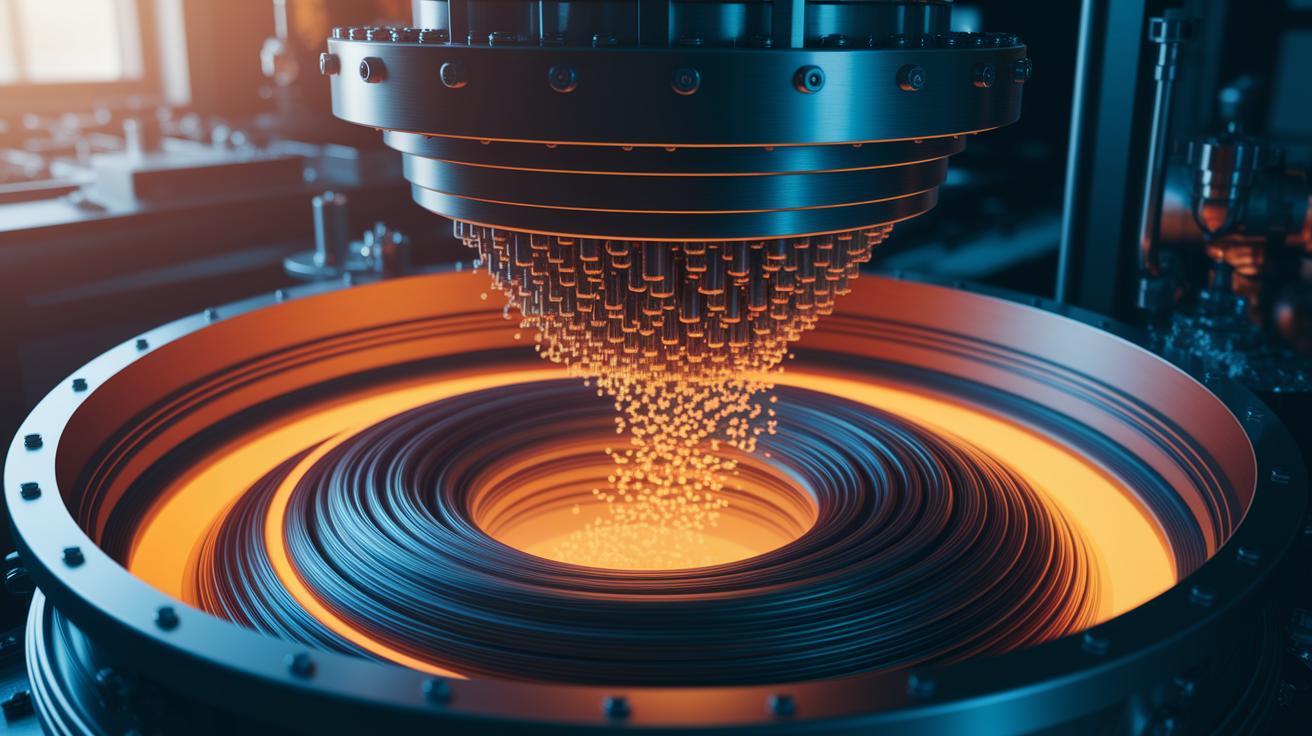
Tire manufacturers use nanotechnology to boost tire toughness by mixing tiny particles into the rubber during production. Special reactors with high-shear mixing bring these nanoparticles together evenly in the rubber matrix. This process creates a stronger base for the tire. At the same time, controlled curing cycles with careful temperature and pressure settings help build a denser structure in the rubber compound. These steps make the tire more durable and better at handling everyday wear.
Mixing and Dispersion Methods
High-shear mixers work like turbo blenders, stirring the nanoparticle mix until it spreads evenly throughout the rubber. Inline monitoring sensors and dispersion aids are used to watch over this process. They check that the particles are spread out evenly and stop any clumps from forming. When every bit of the tire is boosted with these advanced particles, you get a tire that can take a lot more action on the road. Imagine stirring a pot of soup until all the flavors are perfectly mixed in, that’s how these mixing techniques work.
Nanotech-Driven Curing
After mixing, the rubber goes through a curing process that is finely controlled by smart systems. These systems use real-time temperature and pressure control to make the best possible bonds between the rubber and the nanoparticles. The careful control during curing helps the molecules link together more tightly, creating a tougher, more resilient tire. With this kind of smart curing, manufacturers make sure every tire is built strong and stands up to long-term use on a variety of road conditions.
Testing and Quality Assurance for Nano-Enhanced Tires
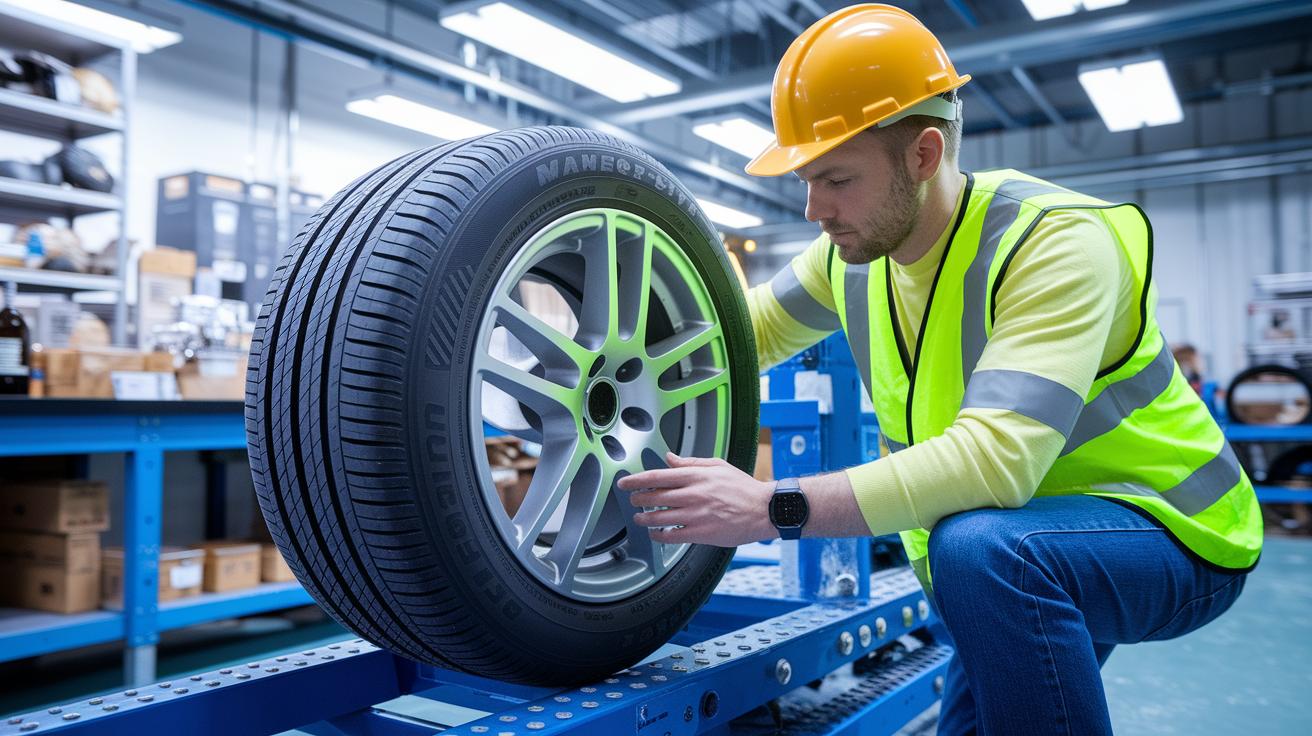
Tire makers run a bunch of careful tests to make sure their nano-enhanced tires are ready for the open road. They push these tires through a simulation of up to 50,000 miles – like a long cross-country road trip – using different loads and temperatures. They even do tests like accelerated abrasion (a quick wear test) and rolling-resistance checks (to see how much energy the tire uses) to make sure the tires hold up well. Plus, they use special methods to check the strength of the tire’s polymer (that's the material that makes the tire durable) and how it helps with fuel efficiency.
| Test Method | Purpose | Metric |
|---|---|---|
| Abrasion Test | Wear Resistance | Volume Loss (mm³) |
| Tensile Strength | Polymer Integrity | MPa at Break |
| Rolling Resistance | Fuel Efficiency | Crr Coefficient |
| Wet Traction | Safety | Stopping Distance (ft) |
Quality checks are a big deal in the process. Tire makers use smart monitoring systems to catch even the smallest glitches in nanoparticle mixing or tire material quality. These checkpoints make sure each tire keeps its strong polymer and reliable wear resistance intact. By keeping an eye on numbers like volume loss, Crr coefficients, and stopping distances, they can quickly ensure every nano-augmented tire meets high safety and performance standards before it ever hits the road.
Future Trends and Sustainability in Nanotechnology for Tire Production
Research is showing promise in making tire compounds that are tougher and friendlier to our planet. Scientists are testing bio-based nanofillers (tiny, plant-based additives) and recyclable nano-reinforced rubber to create more sustainable tires. Manufacturers are also finding ways to reuse these materials with closed-loop recycling (a system where parts are used over and over without adding waste). This means that when tires wear out, their valuable parts can be recovered and reused, cutting down on waste and saving energy.
New studies are checking out catalyst-free synthesis routes (ways to create materials without extra chemicals) to lower energy use during vulcanization (the process of hardening rubber with heat) and to reduce CO₂ emissions. These fresh ideas aim to shrink the environmental impact while still giving us the tires we need every day. With all this ongoing research, the tire industry is on track to bring greener, more efficient options to drivers soon.
Final Words
In the action, we explored how nanotechnology is used in tire production by breaking down how nanoscale particles improve strength, grip, and durability. We looked at core materials, smart mixing techniques, and strict testing methods that make tires last longer. Future trends point to eco-friendly nanomaterials and better recycling methods. This overview leaves us feeling hopeful about safer, longer-lasting tires that keep us rolling with confidence.
FAQ
How is nanotechnology used in tire production?
The use of nanotechnology in tire production means embedding nanoscale particles in rubber. This process boosts strength, wear resistance, and longevity by enhancing material properties at the molecular level.
What are the applications of nanotechnology in the automotive field?
The applications of nanotechnology in automobiles include improved tire grip, enhanced corrosion protection, better fuel efficiency, and increased durability. For example, nanoparticle-infused rubber offers superior traction and extended tire life.
What is the new technology in tires?
The new technology in tires integrates nanomaterials into rubber blends. This method reinforces the compound, reduces wear, and delivers better grip and performance on various road conditions.
What is the role of nanotechnology in the automotive industry?
The role of nanotechnology in the automotive world involves enhancing material strength and safety. It supports the creation of lighter, more durable parts, such as tires, which perform better under stress.
How is nanotechnology used in manufacturing?
The use of nanotechnology in manufacturing involves introducing nanoparticles during high-shear mixing and curing stages. This technique creates a uniform blend that elevates the strength and efficiency of the final product.
What are five examples of products enhanced by nanotechnology?
The examples include tires, automotive paints, lubricants, batteries, and structural composites. Each product uses nanoscale additives to improve strength, efficiency, and durability in everyday use.

