


Have you ever thought that a tire rotation could boost your car's performance? Changing your tires every 5,000 to 8,000 miles helps even out the wear (that is, how quickly the tire surface gets used up) and keeps your ride really smooth.
It’s a bit like balancing a seesaw so no side gets too tired. By rotating your tires, your car holds the road better, saves a little on fuel, and even helps your tires last longer.
Stick with us to learn how this easy step can make your drive safer and more comfortable. Just imagine the steady hum of your engine on a long drive, knowing you’ve taken care of the basics.
Optimal Tire Rotation Frequency for Longevity
Most experts say you should rotate your tires every 5,000 to 8,000 miles or about every six months. This helps keep the tires wearing evenly (so one part doesn’t wear out too fast), which in turn keeps your car gripping the road well and your fuel costs lower. Think of it like checking your oil after a set number of miles.
How often to rotate your tires can change depending on how you drive. If you often take twisty or hilly roads, your tires might get extra stress, and you could need a rotation sooner. Also, the type of tire matters. All-season, performance, and off-road tires wear out in their own way. If you carry heavy loads or climb hills a lot, your tires may wear quicker.
It’s smart to peek inside your vehicle’s manual too. Many manufacturers have their own suggestions that can help prevent steering or handling issues down the road. Regular tire rotations mean your tires last longer, your ride stays smooth, and you save money in the long run.
Benefits of Regular Tire Rotation Intervals
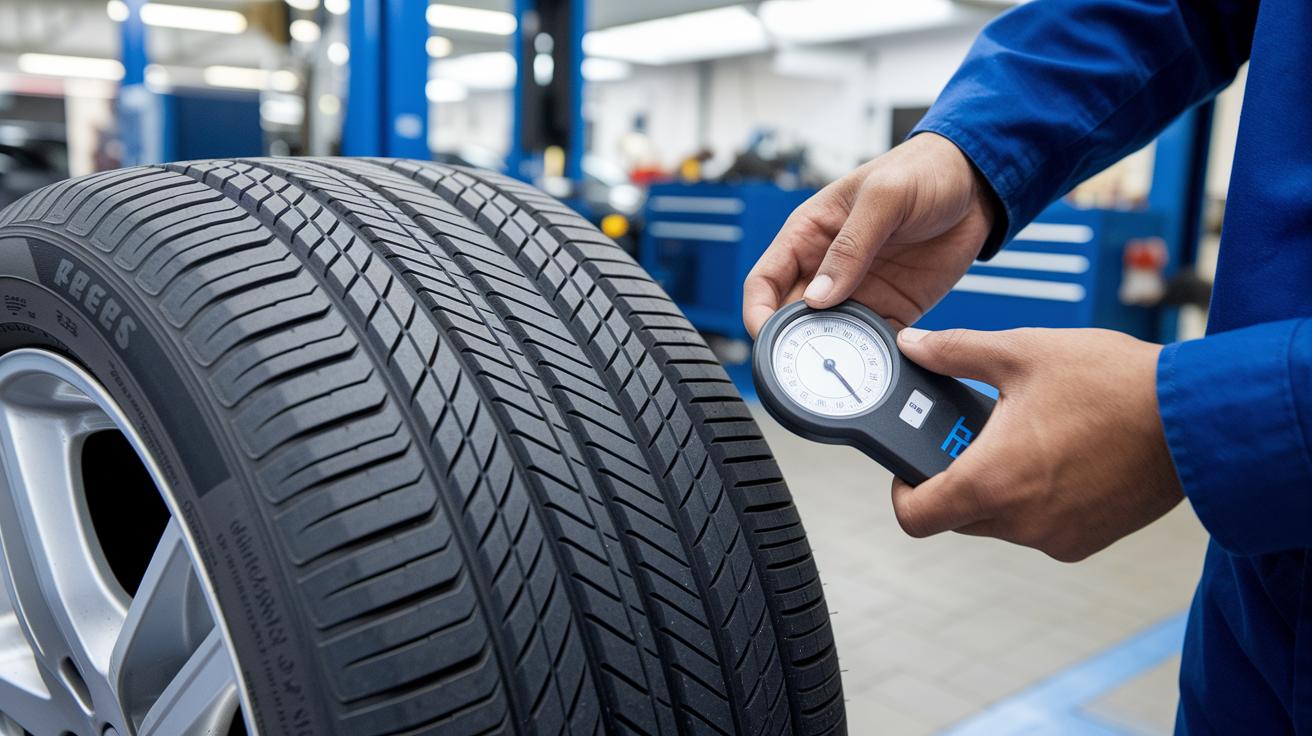
Regular tire rotations help your tires live longer by spreading out wear evenly. When you stick to your car’s advice, say, every 5,000 to 8,000 miles, it’s kind of like balancing a seesaw so no side gets too worn down.
This even wear not only makes tires last but also means a smoother, more stable ride. When your tires wear evenly, you get less vibration at higher speeds, which feels a lot like driving with a well-tuned engine. It’s a simple way to keep every drive comfortable and predictable.
Plus, having equal tread on all tires helps your car use fuel more efficiently. With less rolling resistance (that extra energy your car needs when tires fight against the road), your engine works less hard. This means you’ll save on gas over time, imagine every tire doing its job perfectly.
| Benefit | Why It Matters |
|---|---|
| Longer Tire Life | Even wear prevents early tire problems |
| Smoother Ride | Balanced tread cuts down on vibrations |
| Fuel Savings | Less rolling resistance means improved fuel economy |
How Often To Do Tire Rotation: Boost Performance
Your car’s setup and how you drive can change how often you need to swap your tires. If you drive a front-wheel drive car, the front tires handle most of the engine's power and might wear out faster. Rear-wheel drive cars usually have the front tires for steering, so they may not need as much attention. And if you have an all-wheel drive vehicle, the tires wear more evenly, but experts still recommend a cross-pattern rotation (swapping tires in a criss-cross pattern for even wear) especially in extreme weather like heavy snow or very hot days.
For a regular drive around town, rotating your tires every 5,000 to 8,000 miles, or roughly every eight months, should work fine. But if you put a lot of miles on your car, maybe you go off-road or drive hard, checking them at around 4,000 miles is a good idea. And if you live in an area with harsh winters or scorching summers, your tires might wear out more quickly, so adjust your schedule to suit your local weather.
Here’s a quick look at different driving situations:
| Type of Drive | Rotation Interval |
|---|---|
| Front-wheel drive | Every 5,000 to 8,000 miles |
| All-wheel drive | More frequent cross-pattern rotation |
| Heavy use/off-road | Around every 4,000 miles |
Taking care of your tires this way not only boosts your car’s grip on the road but also helps it run smoother and saves you fuel. It’s like giving your ride a little tune-up to keep every journey safe and comfortable.
Choosing the Right Tire Rotation Pattern

When you change your tires, picking the right rotation method can really make a difference. Different rotation patterns work best depending on your tire type and car setup, so it's smart to choose one that fits your ride.
For instance, if you have tires designed to work one way only (directional tires, meaning they perform best when rotated from front to back), the front-to-rear method works great. But if your tires are high-performance and non-directional (which means they can go any which way), try an X-pattern rotation that swaps them diagonally.
If your car uses the same tire size on both the front and back, a side-to-side swap might be the way to go. And don’t forget about the five-tire rotation, which even includes your spare tire to help you get more mileage and keep your drive smooth.
| Pattern Name | Drivetrain | Use Case |
|---|---|---|
| Front-to-Rear | Forward-Drive | Directional tires |
| X-Pattern | All-Wheel & Rear-Drive | High-performance, non-directional tires |
| Side-to-Side | Same Size Front & Rear | Uniform tire sizes |
| Five-Tire Rotation | Any Drivetrain | Includes spare tire |
If you’re curious to learn more about how these layouts work, you might check out a tire rotation guide. Choosing the right method helps keep your tires balanced and in good shape, ensuring a smoother, safer drive every time you hit the road.
Inspecting Tread Wear Before Rotating Tires
Before you swap your tires, it's a good idea to check how worn they might be. Start by taking a close look around your car. Walk around and see if you spot any bald spots or uneven grooves on the tire's tread (those grooves help the tire grip the road). Then, use a simple tool like a tread-depth gauge to see if the grooves are still deeper than 2/32". If they're not, it might be time to replace them instead of just rotating.
Here's a quick checklist to follow:
- Look for bald spots or uneven wear in the tread pattern.
- Use a tread gauge to make sure the tread is above 2/32".
- Notice if any feathered edges appear on the tire surface, which can mean misalignment.
- Check if the tire seems to lose air or shows damage from regular road use.
- Pay attention if your car starts to pull to one side or if you feel extra vibrations, as these could be signs you need a professional alignment.
- Keep an eye on any sudden changes in tire pressure that might hint at deeper problems.
If you see any of these warning signs, it’s a good idea to have a professional check out your car’s alignment or suspension. Taking care of these issues early can help keep your ride smooth and your car handling safe on the road.
Professional Service vs. DIY Tire Rotation Timing

When you're trying to decide how to rotate your tires, it's good to think about both the upsides and the risks. A professional service means the job gets done quickly and correctly. These experts have all the right tools, and they know how to handle modern TPMS sensors (the small parts that check your tire pressure) without any mishaps. They also tighten lug nuts to the exact factory settings and balance your tires when needed, usually in less than an hour. I once heard a technician say he wouldn’t trust his own hands with these sensitive sensors, since even a tiny mistake can cause problems later on.
On the other hand, doing it yourself can save you money on labor, but you must have the proper tools, like a jack and a torque wrench, and you need to know the correct rotation method. Here are some key points to remember:
| Factor | Explanation |
|---|---|
| Speed | Professionals finish quickly, sometimes in less than an hour. |
| Equipment | They use special tools that protect those sensitive TPMS sensors. |
| Sensor Safety | Experts avoid damaging the sensors while handling your tires. |
| Cost Savings | DIY saves you money on service, but mistakes are more likely. |
| Accuracy | A professional ensures the tires are balanced and the lug nuts are perfectly tight. |
So, if you want peace of mind and a smooth ride, it might be best to let a pro handle your tire rotation. For more details or to schedule a service, check out https://tityres.com?p=.
Scheduling Your Tire Rotation: Tools and Tips
Keeping your tires in top shape is easier when you stick to a simple plan. One smart way is to rotate your tires every time you get an oil change. For example, if you have an oil change every 5,000 miles, swap your tires then too. This way, you won’t forget and your car will run better.
Today, many car makers include mobile apps or built-in reminders that alert you when it’s time to rotate your tires. You can set these reminders based on your driving habits and how your tires perform (for example, how fast the tread wears down). These handy tools help you stay on schedule and may even save you money.
Local shops often run deals that bundle tire rotation with services like wheel alignment and balancing. Taking advantage of these offers can make keeping up with your car’s care both simpler and more affordable.
- Use your car’s service reminders or a mobile app.
- Coordinate tire rotations with your routine oil changes.
- Ask nearby service centers if they have package deals.
This method makes caring for your tires feel as smooth as a well-tuned engine.
Final Words
In the action, we explored optimal tire rotation intervals along with checking tread wear, choosing the right rotation pattern, and comparing DIY versus professional services. We broke down how vehicle type, driving habits, and road conditions can shift schedules.
Our tips even cover tools for syncing rotations with oil changes. Knowing how often to do tire rotation helps keep your drive safe and smooth on every road ahead. Stay safe and enjoy the ride.
FAQ
How often should tires be rotated?
The ideal tire rotation interval is typically every 5,000–8,000 miles or at least every six months. This helps keep tread wear even and extends the overall life of your tires.
Is it okay to rotate tires every 10,000 miles?
Rotating tires every 10,000 miles is less frequent than recommended. More regular rotations help maintain balanced wear and better performance, so it’s best to follow shorter intervals.
How can I tell if my tires need to be rotated?
You can tell your tires need rotation by checking for uneven tread wear, noticeable vibrations, or bald spots. Regular inspections help catch these signs early.
How often should AWD vehicles have their tires rotated?
For AWD vehicles, tire rotation may be needed more frequently due to the added strain on each wheel. Checking your owner’s manual can provide the exact interval for your system.
What is the typical cost of a tire rotation?
Tire rotation cost usually falls on the lower side, often around $20 to $50, depending on where you go. Local deals or bundle services can sometimes offer extra savings.
Should tires be balanced when rotated?
Yes, balancing during rotation is important for smooth driving. Many service centers rotate and balance tires simultaneously to ensure even tread wear and reduce vibration issues.
What happens if I don’t rotate my tires?
Forgoing tire rotation can lead to uneven tread wear, reducing tire lifespan and compromising your vehicle’s handling and safety. Maintaining a regular rotation schedule helps prevent these issues.
Is tire rotation necessary if I don’t drive much?
Even if you’re a light driver, tires can still wear unevenly over time. Rotating them every six months keeps performance consistent and helps avoid premature tire replacement.
When should I avoid rotating my tires?
Avoid rotating tires if they show severe damage, extremely uneven wear, or if your owner’s manual provides a specific recommendation against it. In these cases, professional assessment is wise.

