


Ever noticed your car takes longer to stop on wet roads? It might be because your tires aren't sharing the load equally. When you rotate your tires, each one gets a fair chance to do its job, which makes your stops feel sharper and your ride safer.
Regular tire rotation is more than just routine care. It’s like having a team that works perfectly together to give your car better grip, especially when the road is slick. Next time you're on a drive, imagine each tire spreading out the effort, making every brake feel more reliable.
It’s a simple trick that can boost your braking and keep your trip smooth and steady. Isn't that something every driver can appreciate?
Optimizing Braking Performance through Proper Tire Rotation
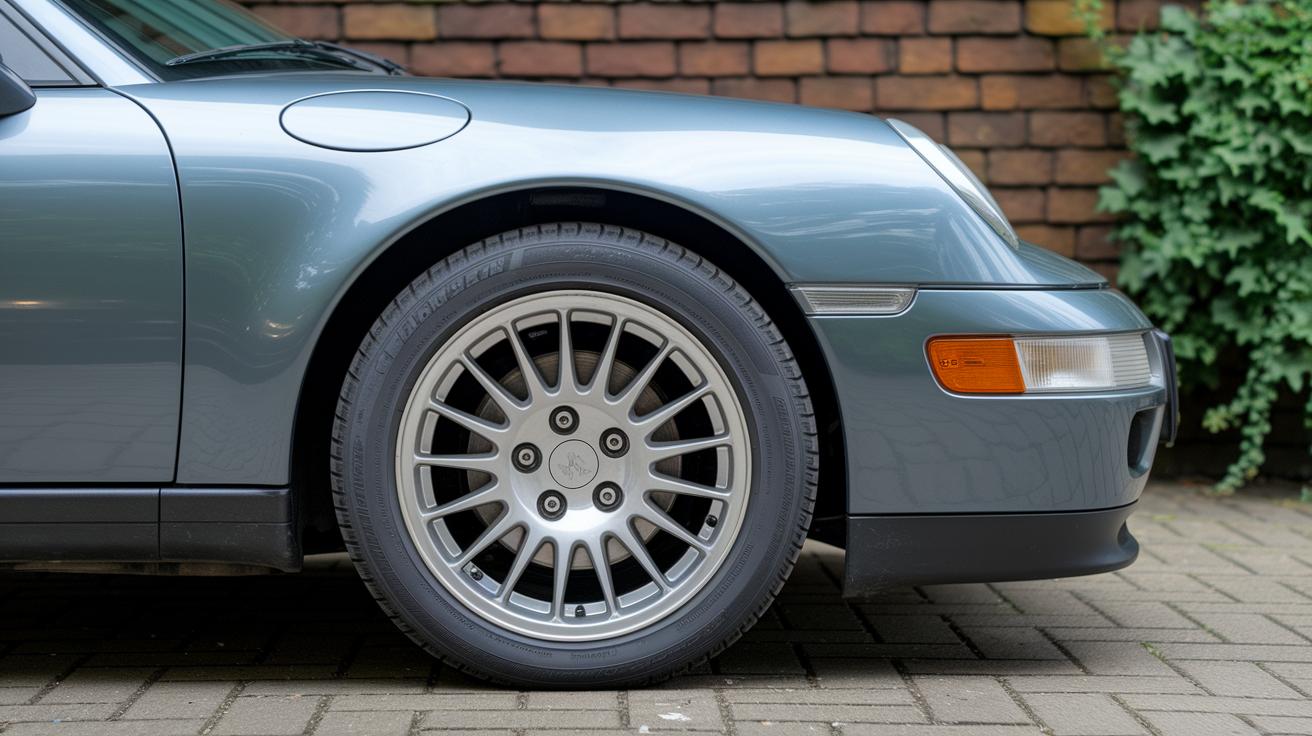
Regular tire rotation is like giving all your tires a fair chance to do their best. When you move your tires around, they wear evenly, which means every tire holds the road with a steady grip. Imagine noticing that your car stops quicker because every tire is in sync during a sudden stop.
Even wear helps your car feel more balanced when you take turns or drive in the rain. When all the tires lose a little tread at the same pace, your car feels more predictable and easier to handle. It’s like having a team where every player supports each other for a smooth ride.
In an emergency, when every second matters, having evenly worn tires really makes a difference. All the tires share the work, which not only shortens your stopping distance but also keeps your car safer. Plus, balanced tire wear can even boost your fuel efficiency by reducing the extra effort needed to roll along.
Understanding Tire Rotation Fundamentals and Wear Distribution

Tire rotation is all about giving each tire a fair go. It means switching their spots so that no tire wears out too fast. Think of it like sharing the road work equally among friends. When you swap your tires, you help them all last longer and keep your ride smooth.
There are a few common ways to do this. One easy method is front-to-back rotation, where the front tires move to the back and the back tires move to the front. This helps because steering and weight differences can make one end work harder than the other. Another method is the X-pattern rotation. This is great for directional tires (tires made to roll in one direction), and it involves switching them diagonally. And then there’s the side-to-side rotation, which is best for vehicles with different front and rear wheel sizes. This way, the left side and the right side share the load evenly.
| Rotation Pattern | Vehicle Type | Wear Distribution Benefit |
|---|---|---|
| Front-to-Back | Standard symmetric tires | Balances front and rear wear |
| X-Pattern | Directional tires | Equalizes diagonal wear |
| Side-to-Side | Staggered setups | Ensures even left/right wear |
Scheduling Tire Rotations for Optimal Braking Outcomes
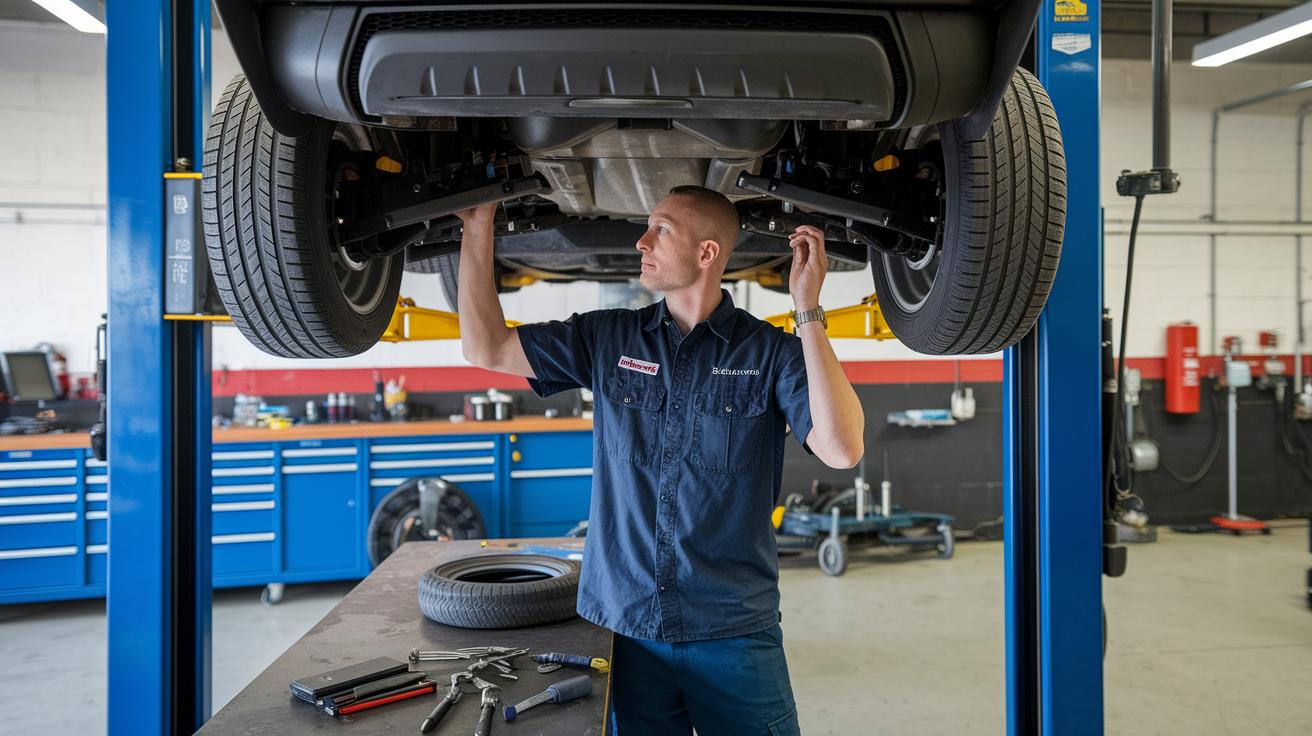
Keeping your tires rotated on a regular schedule helps them wear evenly, which in turn keeps your brakes working their best. Car makers usually recommend switching tires every 6,000 to 8,000 miles, but your driving habits and the type of tires you use might change that timing. You can try doing it yourself, but for the most accurate and safe job, it might be worth letting a professional handle it, like the team at tityres.com.
Here are some key things to think about when planning your tire rotations:
| Factor | What It Means |
|---|---|
| Mileage | How many miles you’ve driven |
| Driving Conditions | If you mostly drive on rough or smooth roads |
| Tire Type | The kind of tire you’re using |
| Tread-Depth Monitoring | Checking how much tread (the grip) is left |
| OEM Guidelines | Advice from your car’s maker |
| Service Options | Whether you rotate tires yourself or get professional help |
Taking these factors into account can help your tires perform consistently, which may reduce your braking distance and keep your vehicle safer. And don’t forget to check your owner’s manual for any specific tips recommended by your car’s maker.
Tire Pressure and Alignment’s Role in Enhanced Stopping Power
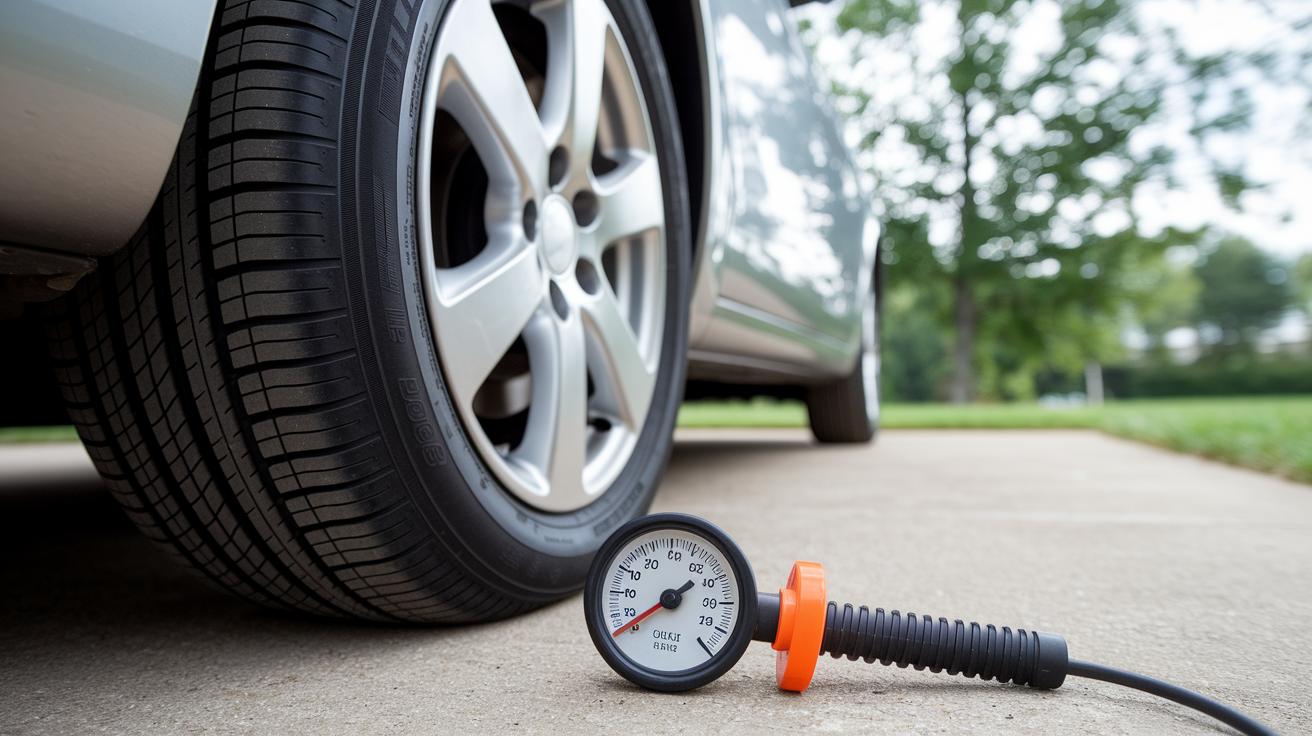
Keeping your tires pumped to the right pressure is key to making sure your brakes work their best. When your tires are filled to the proper PSI (that’s pounds per square inch), they hold the road firmly, helping your brakes get a solid grip. If they’re underinflated or not even, your tires won't meet the road as well, and stopping can take longer. It’s a bit like a basketball that's too flat, it just won’t bounce evenly, which makes it hard to control.
Importance of Proper Tire Pressure
Making sure your tires have the correct pressure means every tire touches the road just as it should. You can find the right PSI in your owner’s manual or on the tire sidewall. A quick check once a month and before long trips can catch any issues early. It’s like making sure all parts of your team are working together, keeping the ride smooth and your stops sharp.
Effects of Wheel Alignment on Braking
Good wheel alignment is a big part of keeping your tires even and safe. Misaligned wheels can make the tires drag or point in different directions, which may make it take longer to stop. A regular check on your alignment and comparing the wear on your tire tread (the part that meets the road) helps avoid uneven wear that can hurt your grip, especially when it’s wet. When everything is lined up right, your tires not only last longer but also give you reliable stopping power every time.
Extending Component Lifespan with Balanced Tire Wear
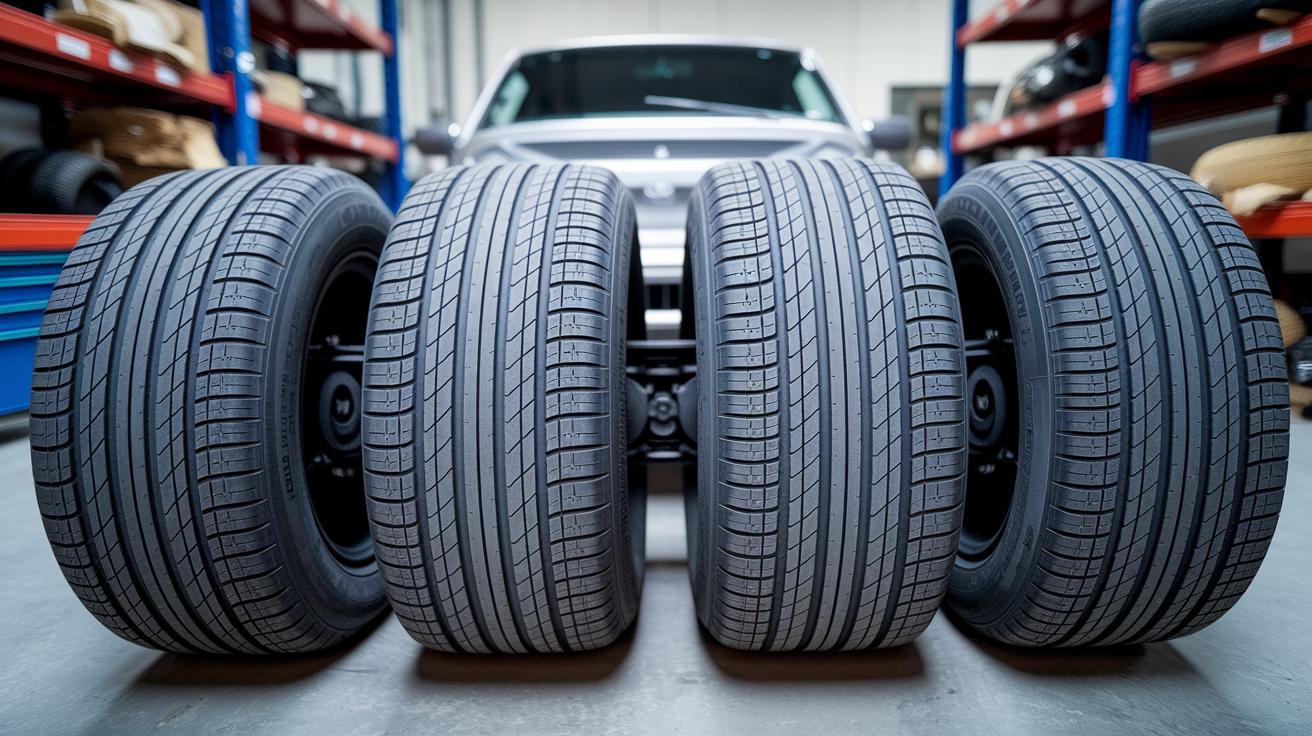
When your tires wear evenly, they create less rolling resistance (the force that slows your car down because of friction between the tire and the road). This means your engine doesn't have to work as hard, saving energy and reducing overall stress on your tires. Lab tests even show that when tire rotation is optimized, rolling friction drops enough to help your tires perform longer.
Even tire wear also takes a load off your brakes. When all four tires wear at a similar rate, the weight is spread out evenly on your brake system. This keeps extra pressure off your brake pads, so they last longer. Following a scheduled tire rotation helps keep these forces balanced, lowering maintenance costs over time.
Expert Tips and Advanced Procedures for Rotation Accuracy

If you're a DIY fan, getting every step right really matters. When you're rotating your tires at home, check your car manual for the proper jacking spots and make sure you tighten your lug nuts correctly (that's setting the right lug torque). Using the right rotation method, like moving tires from front to back or switching them in an X-pattern, helps keep wear even on all tires. Take a moment to double-check each step so you avoid common mistakes (you can see more tips at the "common tire rotation mistakes" link: https://tityres.com?p=1411). Even a small slip in positioning or loosening can lead to uneven wear, which might mean your brakes won’t work as well.
If you’d rather let a pro handle it, expert shops have high-tech machines for alignment and balancing that fine-tune tire rotations. They carefully inspect each tire's tread (the part that touches the road) and sidewall (the tire’s edge) to catch any issues early. This careful approach not only prevents uneven wear but also makes sure your tires meet the original equipment standards, giving you better stopping power and a smoother ride.
Final Words
In the action, we explored proper tire rotation that evens out wear and keeps tires gripping the road. This practice helps maintain balanced traction, which is key for shorter stopping distances and smooth handling.
We broke down how checking tire pressure, alignment, and scheduling rotations plays a role in keeping your car safe on the road.
When you see how proper tire rotation boosts braking performance, every drive feels more secure and confident.
FAQ
Q: Does tire rotation help brakes?
A: The tire rotation helps brakes by promoting even tread wear, which leads to consistent traction and shorter stopping distances. This balanced wear means improved overall braking performance on varied road conditions.
Q: What is the 3% rule for tires?
A: The 3% rule for tires means that if one tire wears about 3% faster than the others, rotating them can even out wear and maintain similar traction across all tires for better performance.
Q: Does rotating your tires actually help?
A: Rotating your tires maintains even wear so each tire has similar traction. This practice leads to stable handling, a smoother ride, and improved braking performance across all tires.
Q: Why does my car drive better after tire rotation?
A: Your car drives better after a tire rotation because balanced wear supports uniform traction and stable handling. This balance makes steering more predictable and offers a smoother ride overall.

