


Ever notice how some tire installations just feel right while others leave you a bit off? It turns out the design of your rim matters a lot more than you might think.
A well-shaped rim helps guide your tire into place like a perfect puzzle piece. This means it forms a solid seal, giving you a smooth and safe ride.
In this read, we'll break down how a smart rim design creates even pressure and better grip. Wanna know a secret? Matching your rims and tires the right way can really boost your ride's performance.
How Rim Design Influences Tire Installation Success

Rim design plays a big part in making sure your tire sits tightly and safely. The rim is like the frame of the wheel, and it needs to match the tire’s inner circle exactly. This close fit creates an airtight seal, which is especially important for tubeless tires (tires that don’t use an inner tube). When the rim has just the right shape, width, and that friendly U-shaped curve, it helps the tire settle perfectly, much like fitting the final piece into a jigsaw puzzle.
Getting the rim’s shape right is a must when mounting a tire. A well-designed rim gently guides the tire’s edge into place, which keeps things balanced and stops extra pressure on one part of the tire. Imagine a smoothly curved rim that spreads the force evenly along the tire bead, it helps keep the tire gripping the road firmly, even when you’re parked or cruising on a bumpy street.
When your tire and rim match up perfectly, the benefits go beyond just a smooth installation. You’ll notice better road handling, improved braking, and even a small boost in fuel efficiency. Choosing rims that meet the exact measurements and design needs cuts down on risks like slow air leaks or wobbly tire behavior on rough roads. In truth, pairing the right tire with the right rim sets you up for a safer and smoother ride every time you hit the road.
Rim Width and Profile Impacts on Tire Installation Fitment

Matching your rim width to the tire bead width is really important for your tire to sit right. When things don't line up, it can cause misalignment, extra stress on the tire's side, uneven pressure, air leaks, and a poor fit. One study even found that if a rim is off by about 1.5 inches from what’s recommended, problems might jump up by as much as 12%.
A smooth, U-shaped rim profile helps the tire slide into place and spreads the pressure evenly. Today, mechanics can check the rim's exact shape with modern tools, so even tiny differences won't add extra side stress. This close look keeps your tire snug and makes your drive safer and smoother.
Material Selection in Rim Construction and Tire Installation Outcomes

Pressed steel rims are built tough. They rarely bend under pressure and are made to hold up well during tire installation. Sure, they’re heavier, but that added weight helps keep the tire sealed in place.
Aluminum rims, on the other hand, are light and resist rust (that means they won’t corrode easily). However, if you apply too much force when mounting the tire, these rims can crack.
Magnesium rims shine in high-performance settings because they offer an excellent strength-to-weight ratio (they’re strong without being heavy). Still, you need to handle them with extra care during installation to avoid any damage.
The material you choose really matters. It affects how well a rim holds its shape and provides a proper tire seat (the part that supports the tire snugly). Checking the rim’s strength and how it handles force ensures an airtight seal, which keeps tire pressure steady and makes your ride safer.
In short, choosing the right material isn’t just about making tire installation easier, it also boosts long-term performance and safety every time you mount your tires.
Critical Rim Specifications for Safe Tire Installation

When you're adding new tires, knowing a bit about the rim is really important. One key part is the bolt pattern, that’s the number of bolt holes and the pitch circle diameter (PCD, which tells you the circle size where the bolts sit). This pattern helps the wheel stay firmly attached to the hub. Another detail is the rim offset, which is basically the distance from the center of the wheel to where it mounts on the hub. This measurement affects the wheel’s position, helping with smooth alignment and even tire wear. A well-checked offset means better balance and a more comfortable ride.
Next, it’s important to check mount compatibility. If your bolt pattern or offset is off, you might face issues with handling or traction. Always take a quick look at your vehicle’s owner manual or tire placard to make sure you’re matching the correct specs. That way, you keep the tire seated securely and prevent all sorts of problems, from uneven pressure to the risk of a tire blowout.
And don’t forget about the load rating, it tells you the maximum weight your tire can safely carry. Overloading a tire by ignoring this rating could lead to tire or rim failure, which is a real safety hazard. For more details on load ratings, you can check out the ratings for auto tires at https://unionno.com?p=1895. Paying attention to these specs helps keep your ride safe and reliable every time you hit the road.
Assessing Rim Damage and Overcoming Tire Installation Challenges
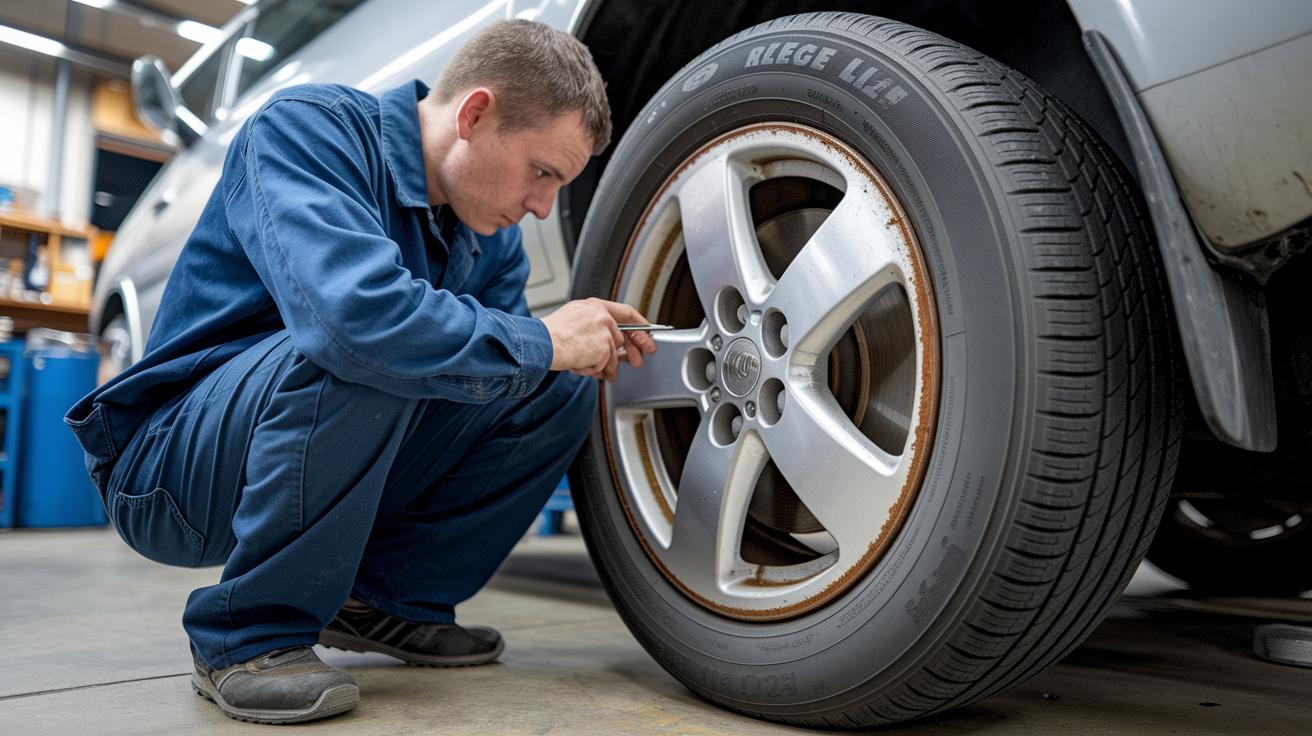
Before putting on new tires, it’s important to check your rims carefully. If the rim is bent, cracked, or rusted, it might not seal the tire properly. This can cause slow air leaks that hurt your tire’s pressure and overall feel on the road. You might notice a slight vibration, the tire not seating evenly, or other signs that the rim needs some attention. Taking a close look at every part of your rim before you install a tire can help you dodge unexpected problems later.
Regularly checking your rims can also help stop uneven tire wear. Damaged rims can mess up the bead (the part that snugly holds the tire in place) and speed up tire wear, making your car harder to handle on daily drives. Spending a little extra time to inspect your rims means a smoother, safer tire setup and a steadier ride every time you hit the road.
Step-by-Step Tire Installation Process Aligned with Rim Features

Getting your tire to fit snugly on the rim can be simple when you follow a clear, step-by-step process. Think of it like preparing your car for a smooth drive, you want every detail just right.
- Start by using a tire bead breaker (a tool that helps pop the tire’s edge free from the rim) to loosen up the tire bead.
- Carefully measure both the tire and the rim to ensure they match up perfectly. This helps you know the tire will sit right.
- Next, spread a good amount of tire mounting lube (a slippery gel that reduces friction and helps protect the tire’s edge) over the area. It’s a bit like adding a bit of oil to ease the way.
- Begin mounting the tire by applying even pressure along the rim flange (the outer edge of the rim). This makes sure every part of the tire’s edge gets a nice, uniform seat.
- Then, use a torque wrench (a tool that tightens bolts to a specific strength) to secure the wheel bolts. This extra step keeps the tire stable and balanced.
- Check all around the rim to confirm a complete seal, which helps prevent any slow air leaks.
- Finally, give the tire a quick spin to make sure it’s properly seated and aligned.
Be careful to avoid these common pitfalls:
- Not double-checking the tire and rim measurements beforehand.
- Applying the lubricant unevenly, which might harm the tire’s edge.
- Skipping the use of a torque wrench, so the bolts aren’t tightened correctly.
- Leaving spots where high pressure could eventually lead to air leaks.
Following these steps is like taking a smooth, well-planned road trip. With careful attention to every detail, from using the right tools to applying steady, even pressure, you ensure that your tire is installed safely and will perform reliably on the road.
Matching Tires and Rims for Proper Tire Installation

When choosing tires and rims, it’s a bit like picking the right pair of shoes for your ride. You start by looking at the tire size code, like 225/50R17, which tells you that the tire will match the inner diameter of the rim. Tubeless rims need special curves (bead seat contours) to lock in the air, and the rim’s shape works together with bead lock mechanics to keep everything secure. Following simple rules, like those from ETRTO (a group that sets tire and rim standards), helps make sure your tires and rims fit right for safe handling and smooth braking.
| Tire Size | Rim Diameter | Notes |
|---|---|---|
| 225/50R17 | 17 inches | Standard fit for many sedans |
| 245/40R18 | 18 inches | Widely used for sporty performance |
| 265/35R19 | 19 inches | Common in high-performance and luxury vehicles |
By checking these details and making sure the tire sits just right on the rim, you can steer clear of issues like uneven seating or a bead that doesn’t lock properly. Keeping your tire and rim choices in line with these guidelines means your wheels stay balanced and secure, perfect for that smooth, confident drive every time.
Advanced Rim Designs: Aerodynamics and Performance in Tire Installation
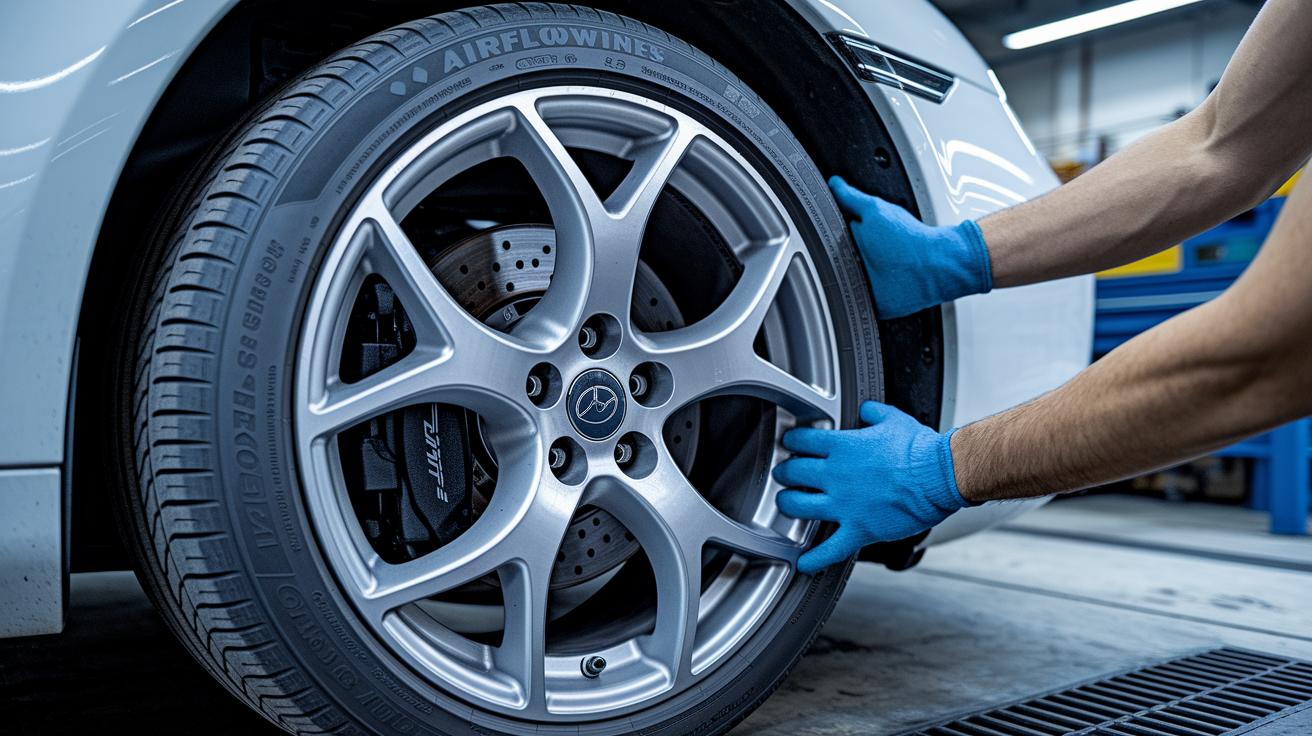
Modern wheel shapes help air flow smoothly around the tire while needing extra care during installation. When rims have a sharp, curved look, they guide air around the tire to help keep it cool and performing well. Custom lip designs and sturdy flanges ensure every curve is spot on so the tire’s bead (the part that grips the rim) fits just right. Think of it like a key sliding perfectly into its lock.
New wheel designs also offer fresh ideas to improve how your car handles. But sometimes, these advanced shapes need tighter installation care. Even small differences in the rim’s curve must be noticed and adjusted, making sure the tire maintains a solid grip and seals well on the road.
Final Words
In the action, we tackled key topics, from rim width and material choice to damage checks and proper fitting tips. We broke down how each design aspect keeps tires secure and performance steady on the road.
Our guide shows how rim design affects tire installation and makes tire selection feel more approachable. With easy steps and clear examples, you can head out knowing your tires are set for safe, confident driving.
FAQ
Tire rim compatibility chart and rim width tire size chart
The tire rim compatibility chart outlines proper relationships between tire sizes and rim widths. It helps you match recommended dimensions for safe fitment and optimal vehicle performance.
What tires fit my rims calculator and how to know what tires fit my rims on a bike?
The tires fit my rims calculator assists you in selecting the correct tire size based on your rim measurements. By entering your dimensions, it suggests tire options that meet safety and performance needs.
Can you put different width tires on the same rim bike?
Using different width tires on one bike rim may cause an improper fit and handling issues. Each tire must match the rim width for secure seating and reliable performance.
Tire size calculator, changing tire size on the same rim calculator, and tire to rim calculator
The tire size and rim calculators help adjust tire dimensions while checking compatibility with your current rim. By inputting your tire details, they confirm a safe match that supports good handling.
What is the 3% rule for tires?
The 3% rule states that tire dimensions should not change by more than 3% from the original size. This limit maintains proper road contact and ensures consistent tire performance.
Do rims affect tires?
Rims do affect tires. A well-designed rim secures the tire’s bead properly, which is essential for air retention, handling stability, and overall safety.
What is the 7 7 rule for tires?
The 7 7 rule sets fitment guidelines that ensure tire dimension changes remain within safe limits. This rule helps maintain proper seating and predictable handling when fitting tires on rims.
What is the 105% rule?
The 105% rule means that a replacement tire’s width should not exceed 105% of the original tire’s width. This rule preserves safe fit, consistent handling, and proper tire performance.

