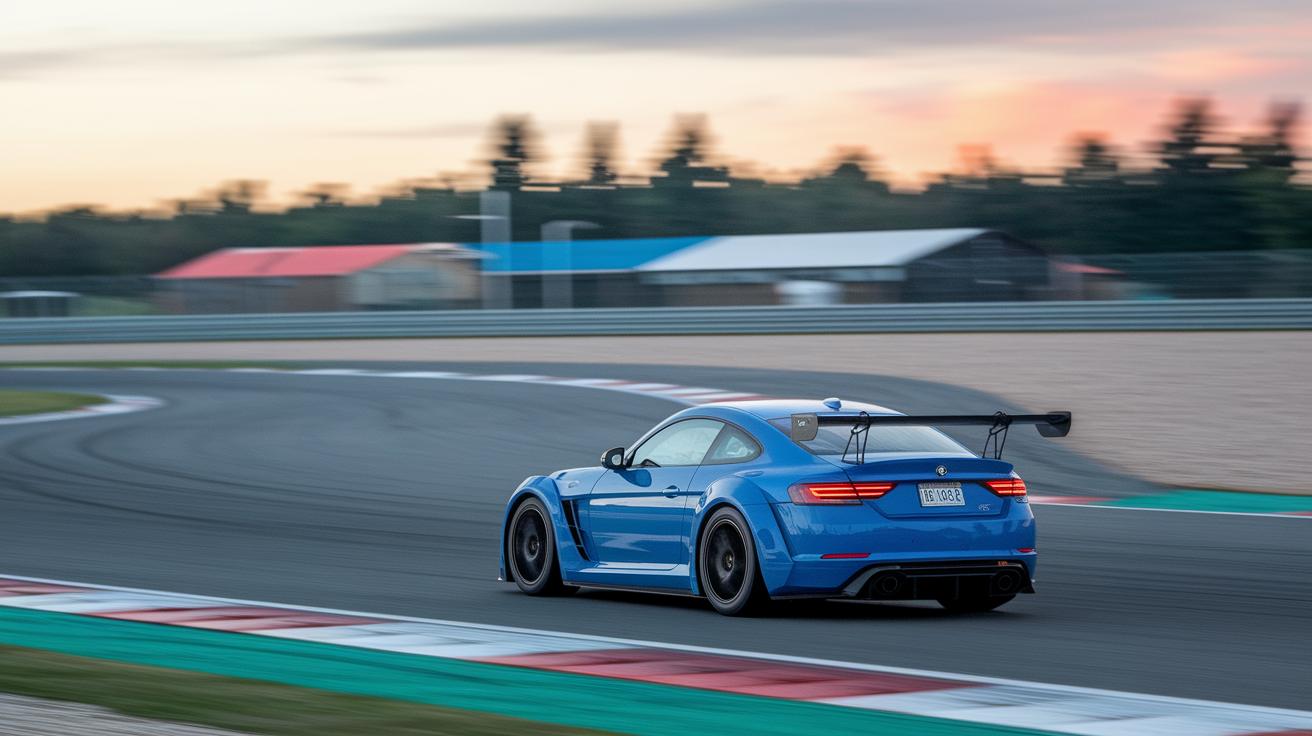


Ever notice how a little change in temperature can make your tires feel totally different? When it gets hot, the air in your tires expands (kind of like a balloon), which can change the way they grip the road. And when it's cool, your tires tighten up, affecting how well they stick.
This simple shift in temperature shows just how much weather matters for your ride. Sometimes the extra pressure can be a benefit, while other times it might add a bit of risk. Ever think that these hidden changes could be key to your driving safety? Let's take a closer look at how temperature affects tire performance and what it might mean for you on the road.
Temperature’s Impact on High Performance Tire Performance: Grip, Handling, and Wear
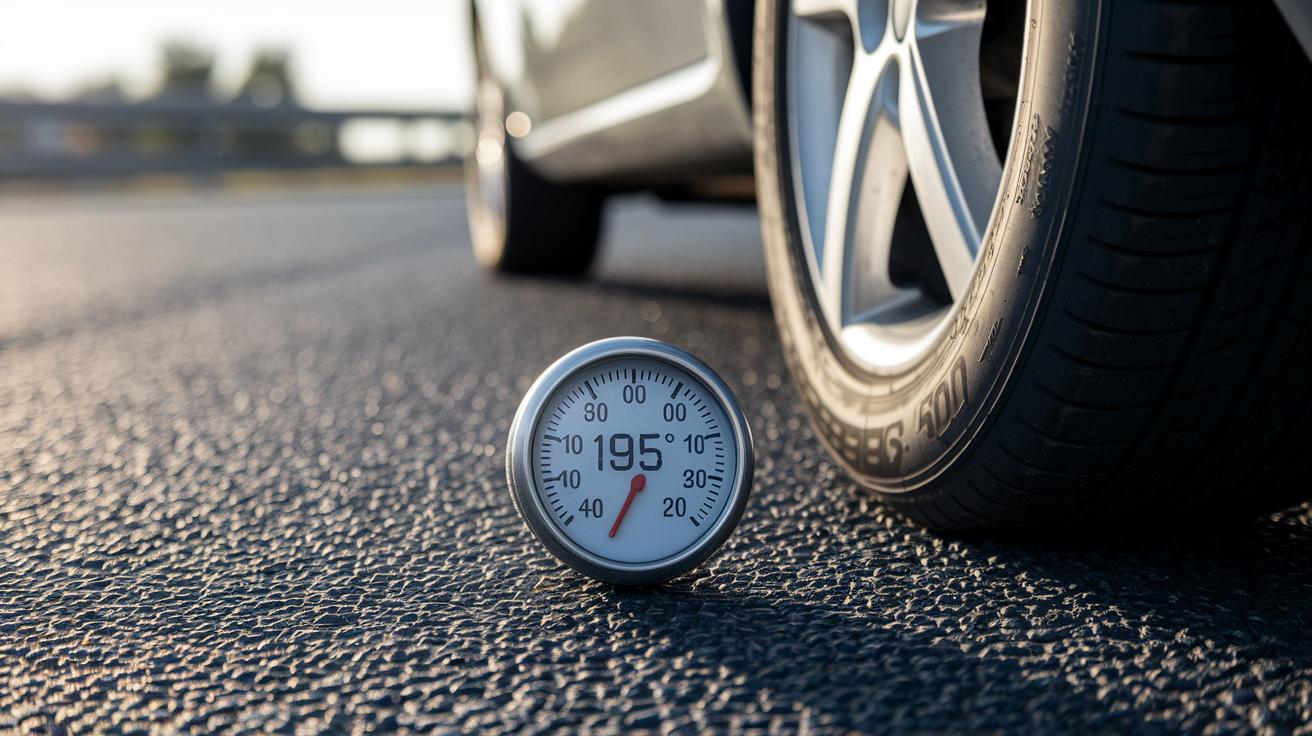
When it gets hot, the air inside your tire spreads out and bumps up the tire pressure. That extra pressure can make your tire overinflate, which leads to uneven wear and might even cause a blowout if you’re pushing your car hard or driving on tricky roads. Experts say high-performance tires work best when they hit around 195°F; once temperatures climb too high, the tire compounds (the materials making up your tire) start to soften, so you lose some of that grip and precise braking.
Cold weather plays a different tune. The air inside your tire tightens up, dropping the pressure by roughly 1 PSI for every 10°F the temperature falls. With lower pressure, the part of the tire that hits the road gets smaller, which can speed up tread wear, increase road noise, and even lower fuel efficiency. And that drop in pressure means your tire might not perform its best when you need to brake hard or take a sharp turn, making your ride feel a bit less secure.
- Blowout risk
- Tread chunking
- Grip reduction
- Fuel-efficiency drop
- Noise increase
How High Temperatures Alter Compound Properties in High Performance Tires

When tires get too hot, beyond about 195°F, they start to lose their firm feel. The rubber polymers (the building blocks of tire rubber) begin to soften, which means the tire doesn’t grip the road as strongly and takes longer to respond when you hit the brakes. The heat makes the tire more bendy, changing how well it bounces back (its elasticity) and how thick or runny it feels (its viscosity). With every extra degree of heat, the tire drifts further from that tight, race-ready state.
Things get even trickier as the tire softens more. The extra warmth from friction (think of it like the heat you feel when rubbing your hands together) speeds up wear on the tread and makes the inside of the tire weaker. In hot and humid weather, constant high temps can chop the tire's life by as much as 25%. That’s because the sidewalls move around more and create extra heat, which wears down the tread and can mess with the tire’s performance when you need it most.
| Effect | Description |
|---|---|
| Reduced stiffness | The tire feels softer and less solid |
| Higher hysteresis loss | More energy is wasted due to the tire bending and flexing (this means more fuel is used) |
| Increased wear rate | The tread wears out faster |
| Diminished cornering support | The tire doesn’t hold up as well when you take a turn |
Next time you’re on the road, it might be good to think about how those high temperatures not only make your summer drive extra toasty but also gradually change the way your tires feel and perform. Stay cool and keep an eye on your tire health!
Cold Weather’s Effect on High Performance Tire Responsiveness and Grip

When it gets cold, your tires can feel a little stiff. The rubber tightens up (think of it like a cold handshake), which means your tire just can’t flex as much. So, the part of the tire that touches the road – the contact patch – gets smaller, and you lose a bit of grip. In track tests, this extra stiffness can slow you down by almost half a second per lap once temperatures drop below 60°F.
Every time the temperature drops by 10°F, your tire pressure falls by about 1 PSI. That might not sound like a lot, but lower pressure makes your tire less able to mold to the road properly. It can also cause uneven wear and make braking or steering feel a bit rough. For example, at 32°F, the sidewalls of the tire become about 15% stiffer. This means your brakes might feel harsher and your handling a little off.
Here’s a quick guide to help out:
- Preheating – Warm your tires up before hard driving to bring back some of that softness.
- Pressure compensation – Adjust the tire pressure to make up for the drop in PSI from the cold.
- Compound selection – Choose tires that are built to perform better when it’s cool outside.
Managing Tire Pressure for Temperature Compensation in High Performance Tires

Checking your tire pressure is a simple yet smart way to stay safe on the road. When it’s cool outside, your tires show their true pressure, giving you a clear picture before any road heat kicks in. But once you start driving, the friction with the road and the warmth of your engine can raise the temperature inside your tires, bumping up the psi just a bit. That’s why it’s a good idea to check the pressure both before you drive and after you’ve been on the road for a while. If your TPMS light comes on after about 15 to 20 minutes, it might mean the tire hasn’t adjusted correctly or there could be a leak.
To fix overinflation, take off the valve stem cap and use a small tool to slowly release some air, checking the psi as you go. This careful, step-by-step process helps ensure that your tires keep a good grip and your brakes respond reliably. Regular checks like these keep your ride smooth and show you care about your safety, after all, a steady hum of the engine is much more comforting than an unexpected bump in the road.
- Check if the TPMS warning light comes on after driving for 15 to 20 minutes.
- Release the extra air slowly by removing the valve cap and lightly pressing the valve pin, checking the psi each time.
- In cold weather, add a bit more air to make up for roughly a 1 PSI drop per 10°F.
- Follow a regular inspection routine as part of your car’s maintenance plan at https://unionno.com?p=539.
Temperature Monitoring and Control Methods for High Performance Tire Performance

Getting the tire temperature just right is key to a good grip and reliable track performance. Using smart tools for thermal monitoring lets drivers quickly see when their tires hit around 195°F, which is the sweet spot for top performance.
- Contact pyrometer – This tool touches the tire to get a temperature reading from below the tread and can be 10–30% more accurate than non-contact methods. But it needs careful handling to avoid a wrong read.
- Infrared gun – A handy, no-touch option that gives speedy readings for a quick check, though it might not always catch the tire’s true inner temperature.
- Onboard sensors – These keep an eye on the tire temperature all the time and work great in race setups. They need regular calibration, and they can be a bit pricier.
Using heat blankets or running a few warm-up laps can boost tire temperature by about 20–30°F over the normal air temperature. This helps the tires get closer to their best performance zone. By mixing solid sensor data with controlled warm-up techniques, drivers can keep their tires in peak shape, even under the extreme conditions of high-speed driving.
Strategies to Maintain Peak High Performance Tire Performance in Varying Temperatures

When the weather changes, picking the right tire materials is a must. For example, using tires made for summer or those geared toward mild climates can really improve how well your tires grip the road and last longer, especially when temperatures swing between 40°F and 100°F. It helps to warm up your tires with a few practice laps or even by using a tire blanket. This little trick raises the temperature by about 20–30°F above the air, making the rubber stickier and ready for action. Taking care of your tires in tune with each season helps them stay balanced and wear out evenly.
- Before you really push your tires, give them a warm-up. Try a few laps or use a tire blanket.
- Keep an eye on your tire pressure. Adjust it as the temperature changes.
- Make it a habit to rotate your tires every 5,000 miles or so to spread out the wear.
- Balance your wheels to help smooth out any uneven heating.
- Use tires made specifically for the season when the weather calls for it.
- If you’re doing long sessions, think about adding vents or ducting to help cool your tires down.
On long drives or races, it’s smart to check your tire temperatures and pressure now and then. A few small tweaks here and there can make sure your tires keep giving you the grip and control you need as the weather changes.
Final Words
In the action, we explored how changing temperatures alter tire pressure and compound behavior. We covered the risks of heat-driven overinflation and friction loss and looked at cold-induced pressure drops that can lower grip and performance.
Regulating tire pressure and selecting the right compound help maintain how temperature affects high performance tire performance. Keep your tires in check to boost performance and safety on the road. Stay alert, make simple adjustments, and drive with confidence.
FAQ
Tire pressure vs temperature chart
The tire pressure vs temperature chart shows that as the temperature rises, air inside expands, increasing pressure, and as it falls, the air contracts, lowering pressure by about 1 PSI for every 10°F drop.
How much does tire pressure increase while driving
The tire pressure increase while driving comes from friction and heat buildup inside the tire. This extra heat can noticeably raise the pressure, especially during high-speed or rough-surface driving.
Tire pressure change with temperature calculator
The tire pressure change with temperature calculator converts ambient temperature differences into expected pressure variations. It helps drivers adjust their PSI for safe and balanced tire performance.
Hot tire pressure calculator
The hot tire pressure calculator estimates how much a tire’s pressure will increase as it heats up during operation. It provides guidance to prevent overinflation and uneven wear.
How much does tire pressure increase when hot
The tire pressure increase when hot depends on driving conditions and heat buildup. As tires heat, the expanding air can raise the pressure by several PSI, so it’s wise to monitor changes.
What is one danger associated with under-inflated tires
One danger associated with under-inflated tires is that low pressure leads to premature tread wear, reduced fuel economy, and a higher risk of tire failure during demanding driving situations.
Do tires heat up when driving in winter
Tires heat up when driving in winter due to friction with the road. Although winter air is cold, the tires still warm up enough to affect pressure and grip for safe driving.
Tire pressure in summer vs winter
Tire pressure in summer vs winter varies because high temperatures cause the air to expand and boost pressure, while cold temperatures contract the air, lowering pressure. Regular checks help maintain safety.
How does temperature affect your tires
Temperature affects your tires by changing the air pressure inside them, which in turn alters grip, handling, and wear. Extreme heat may risk overinflation, while cold weather can lead to underinflation.
What temperature is too cold for performance tires
Performance tires tend to lose grip below about 60°F. In very cold conditions, the rubber stiffens, reducing traction and impacting critical braking and cornering performance.
How much does psi drop with temperature
The psi typically drops by about 1 PSI for every 10°F decrease in temperature, meaning colder weather can lead to significantly lower tire pressures if not regularly monitored.
How many psi per 10 degrees
The change in tire pressure is roughly 1 PSI for every 10°F. This rule helps drivers estimate pressure drops in cold weather and plan adjustments to maintain proper tire performance.

