


Ever notice how your tires seem to wear out quicker on some roads or when the weather gets extreme? Hot days make your tires get a bit softer, which can cause them to lose grip unevenly (that’s what we call uneven tread loss). Cold weather, on the other hand, makes your tires stiff and wear in odd spots. Rain and rough roads can throw in their own challenges, much like a car that feels a bit off on a bumpy ride.
This article explains how different conditions change the way your tires wear out and why switching them around (tire rotation) can help. It’s all about keeping you and your ride safe on every journey.
Terrain and Weather Impact on Tire Rotation Schedules
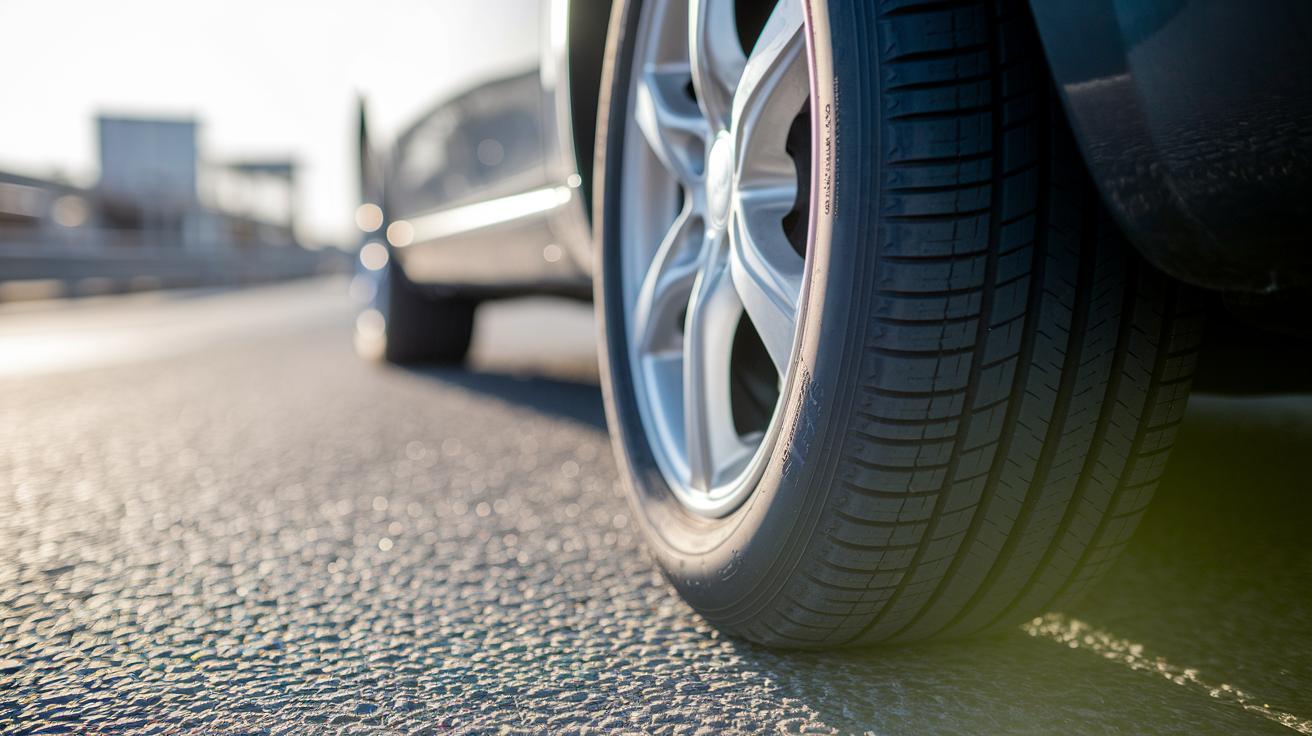
Different weather and roads can change how fast your tires wear out. In hot weather, the air inside your tires gets warmer and expands, which boosts the pressure and makes less of the tire touch the road. This extra pressure wears down the edges quicker, so you might need to rotate your tires more often. For example, if you start seeing more wear along one edge, it might mean high temperatures are putting extra stress on them, kind of like how a balloon expands on a hot day.
Cold weather does the opposite. When it gets cooler, the air contracts and lowers the tire pressure, which can cause odd wear patterns. This drop in pressure might even make your tires lose a bit of grip, especially if the tread is getting shallow. Think of it as like your car losing traction when the temperature drops suddenly.
Rainy days add another twist. Wet roads can lower friction, which might speed up tire wear, particularly if water fills in the shallow grooves and raises the risk of hydroplaning. And when it’s snowy or icy, your tires need deeper grooves or even special winter rubber to hold on to the road.
Driving on off-road surfaces like gravel or rough construction sites can also lead to unique wear, such as sidewall damage or patchy tread loss from all those bumps. When you encounter a mix of conditions, hot asphalt, icy mornings, or rough terrain, it becomes clear that regular tire rotations synced with the seasons are really important. In many cases, experts suggest rotating your tires every 5,000 to 7,500 miles, but you might need to adjust that based on what you see in your tire wear.
Terrain-specific Wear Factors and Tire Rotation Adjustments

Driving on rough roads can bend and twist your tire belts, which affects how your tires perform. For example, when you hit potholes repeatedly, the tire’s inner belts can shift unevenly. This misalignment can show up as weird, patchy wear or little dips (often called cupping, which is like small, uneven indentations). Imagine noticing that the outer part of your tire wears out faster after a few off-road trips. One expert put it simply: the misaligned belt creates a weak spot that wears out quicker than the rest.
Going uphill or downhill brings its own challenges too. Climbing a steep hill puts extra pressure on the back tires, making them flex more than usual and even stressing the belts unevenly. On the flip side, heavy braking when going downhill creates a lot of friction on the front tires and speeds up the wear along the outer edges. One fleet manager shared that switching to a cross-pattern rotation every 5,000 miles on hilly roads really helped even out the wear and made the tires last longer.
For more details on how gravel and off-road abuse affect high performance tires, check out the link "effects of road conditions on high performance tires" at https://tityres.com?p=997.
Weather-driven Friction Variability and Tire Rotation Timing
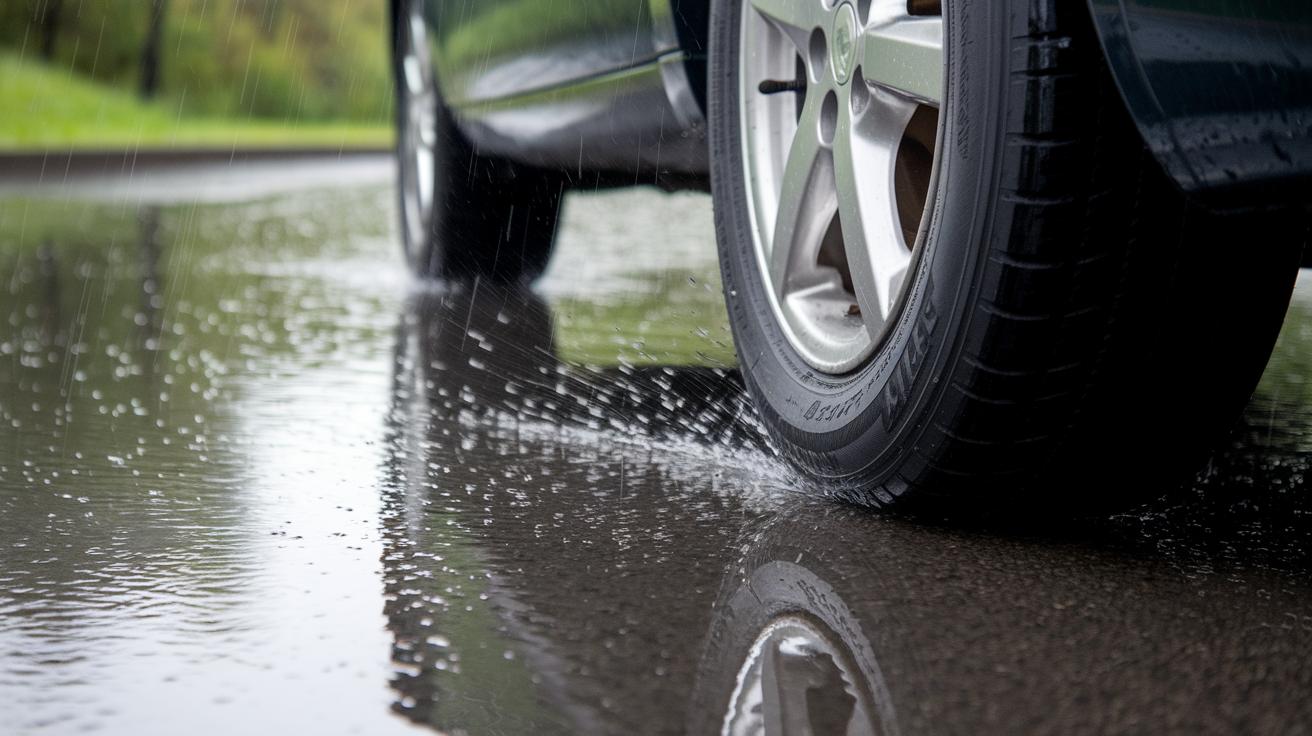
Rainy weather really changes how your tires grip the road. When water fills the grooves, it stops them from draining properly and almost doubles your chance of hydroplaning. During a heavy downpour, a tire with worn-out tread can lose its grip nearly twice as fast on slick roads. Because of these changes, it’s a good idea to rotate your tires around every 5,000 miles.
Cold weather has its own challenges. The freezing and thawing make the tire rubber contract and even crack a bit (small breaks that weaken the surface). While softer tires work better on ice, they wear out faster on warmer roads, so you might need to rotate them every 4,000 miles.
Regular tire rotations help keep wear balanced, whether you’re facing heavy rain or icy conditions. A little extra care goes a long way in keeping your ride safe and steady, no matter what the weather throws at you.
Seasonal Tire Maintenance Tips and Rotation Guidelines

Summer can really push your tires to work harder in the heat. During these warm months, try rotating your tires every 6,000 to 7,500 miles and check the pressure every month. Think of tire pressure like the gauge on your car, it helps you know if enough of the tire is in contact with the road. If you notice the tire edges wearing out more quickly than the middle, that’s a hint the heat is causing extra stress.
When fall arrives or it starts to rain, water fills up those tire grooves. To keep your ride safe, rotate your tires every 5,000 miles so the grooves stay clear for proper water drainage. This simple fix helps make sure your tires maintain a good grip on wet roads and reduce the risk of hydroplaning.
As the winter chill sets in, it’s a good idea to switch to winter tires. These tires are made from softer rubber that wears down faster on warm surfaces. That’s why a rotation every 4,000 to 5,000 miles is best during the colder months. Also, take a moment to check your tires for any cracks or damage caused by the freezing cold.
When spring comes around, it’s time to swap back to your all-season tires. Along with the tire rotation, inspect for any leftover damage from winter’s harshness. Many drivers find it convenient to combine a tire rotation with an oil change, making car care a bit easier. For more details on matching tire service with overall seasonal maintenance, check out the tips at https://unionno.com?p=965.
Technical Guidelines for Optimizing Tire Rotation Under Variable Conditions
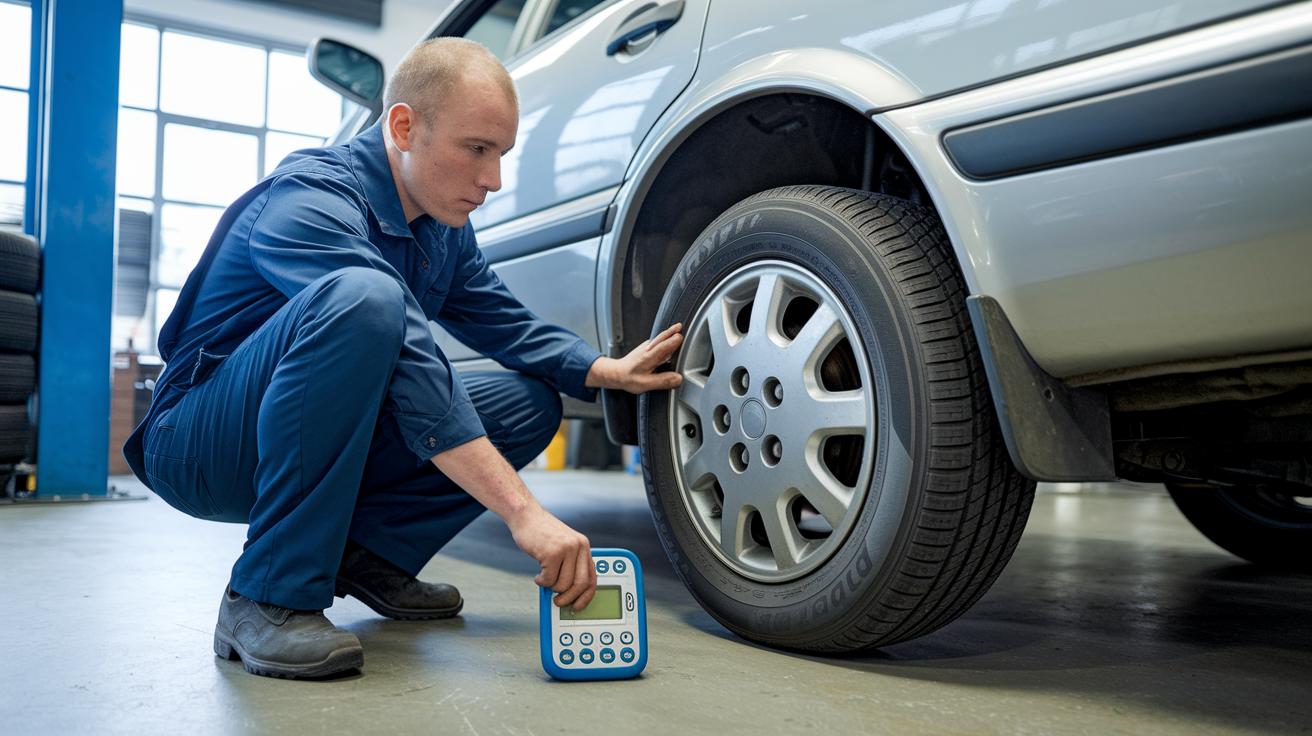
Picking the right tire rotation pattern is really important. If your tires are non-directional (they work the same way no matter which way they face), an X-pattern rotation helps even out the wear. But if your tires are directional (designed to face one way), just swap them from front to back to keep the tread pattern working as it should. This method helps stop uneven wear and lets your tires last longer.
After you rotate the tires, it’s a good idea to balance them. Balancing makes sure no vibrations occur because of the changes in weight distribution from rough roads. Digital tire gauges and balancing machines come in handy here, they check if a tire is slightly off balance. And if a tread depth gauge shows a loss of 2/32 inch (a small but important measure), it’s time to make a rotation change.
Keeping tabs on your tire wear with digital tools can show you how well your tires perform over time. If you see one tire wearing down faster than the others, it might be time to change your rotation schedule. Most cars benefit from either front-to-rear swaps or cross-pattern rotations to deal with the shifting loads on the tires. For non-directional tires, an X-pattern gives you more flexibility, while directional tires need a strict front-to-back swap.
Using the right tools, like digital balancing machines, makes the whole process smoother. These gadgets can spot tiny issues with vibrations and make sure every tire wears evenly and safely. A quick test drive after a rotation lets you know if everything is balanced and if your car feels as good as new. Don’t forget to keep a record of each rotation so you can monitor your tire health over time.
Safety Implications and Efficiency Benefits of Proper Tire Rotation in Diverse Conditions
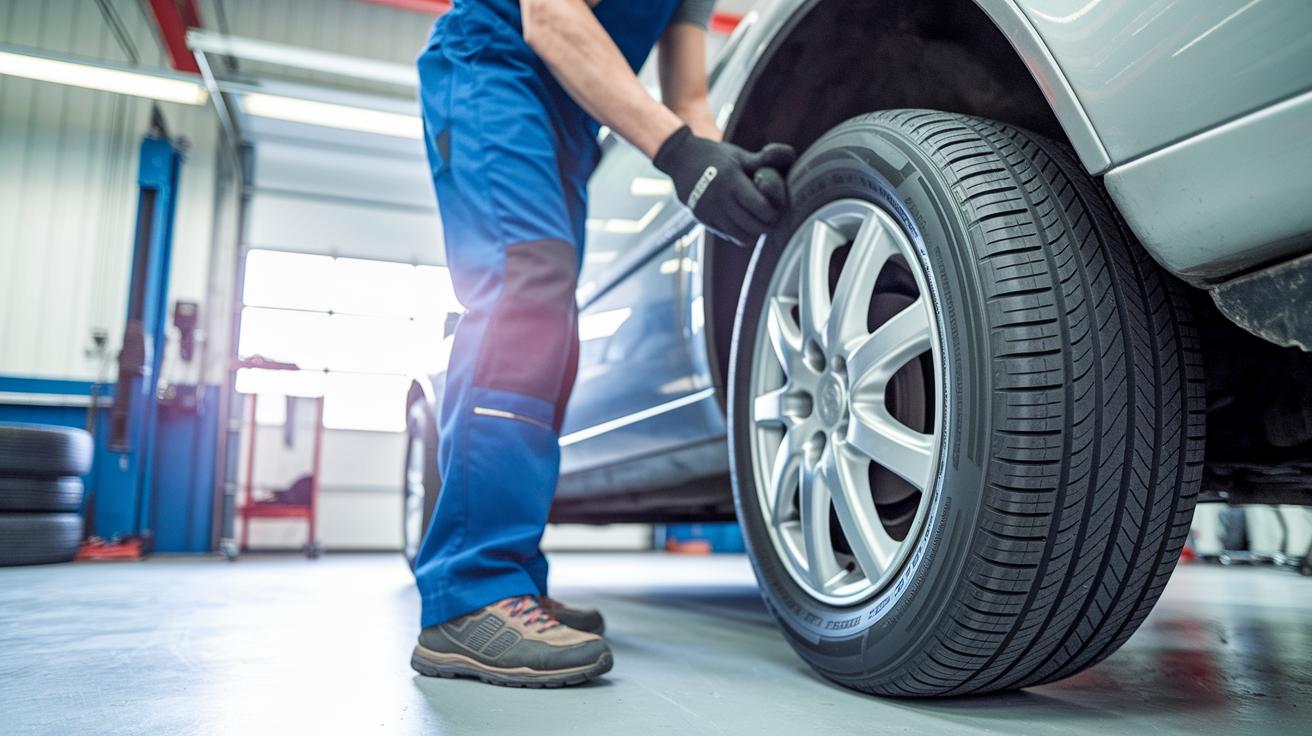
Regular tire rotations make a real difference. They can cut your stopping distance by 10%, lower the chance of hydroplaning (when tires slide on wet roads), save you money on fuel, and help your tires last longer. We’ve already woven these perks into earlier parts of our guide so you can get a quick picture of the benefits.
For when you need more details, like how often to rotate your tires or how the weather might change things, check out the sections on tire safety and maintenance.
Final Words
In the action, we broke down how differing terrains and weather affect tire wear. We covered how hot roads, chilly weather and rough surfaces require tire rotations at set intervals. Each section offered clear tips on following seasonal schedules and the best rotation patterns for balanced wear. This simple guide shows how terrain and weather influence tire rotation requirements, helping to keep your ride safe and smooth. Keep these tips in mind, and you'll enjoy a confident, even tire experience.
FAQ
How do terrain and weather influence tire rotation requirements?
The mix of rough terrain and shifting weather changes how tire tread wears. Hot days can make the tread wear faster along the edges while cold or wet conditions lower tire pressure and shift wear unevenly, prompting more frequent rotations.
Do all terrain tires need to be rotated?
All terrain tires benefit from rotations because even when they are built for rough surfaces, rotating them helps keep the tread wear even for longer tire life.
Will terrain affect tire wear?
Rough roads and uneven surfaces wear tires unevenly by causing extra stress on certain parts. Regular rotations help even out this wear, keeping the tires balanced and safer.
How does the weather affect your tires?
Weather affects tires by changing pressure and wear. Heat can expand air in tires and speed up wear, while cold can contract the air and cause uneven wear—making tire rotation important.
What determines if a vehicle needs a tire rotation?
A vehicle needs a tire rotation when the tread shows uneven wear. This need is usually noticed during regular visual checks, following manufacturer advice and keeping track of changes in driving conditions.

