


Ever thought about how rotating your tires can help your car’s suspension perform better? By switching the tire positions, you spread out the wear. This takes some pressure off important parts like your shocks and struts (they help smooth out the bumps on the road).
This easy step helps cut down on vibrations and makes your ride smoother and safer. It’s a simple trick that keeps your car feeling steady and reliable, just like how a well-tuned engine purrs along on a quiet street.
Tire Rotation’s Role in Enhancing Suspension Performance
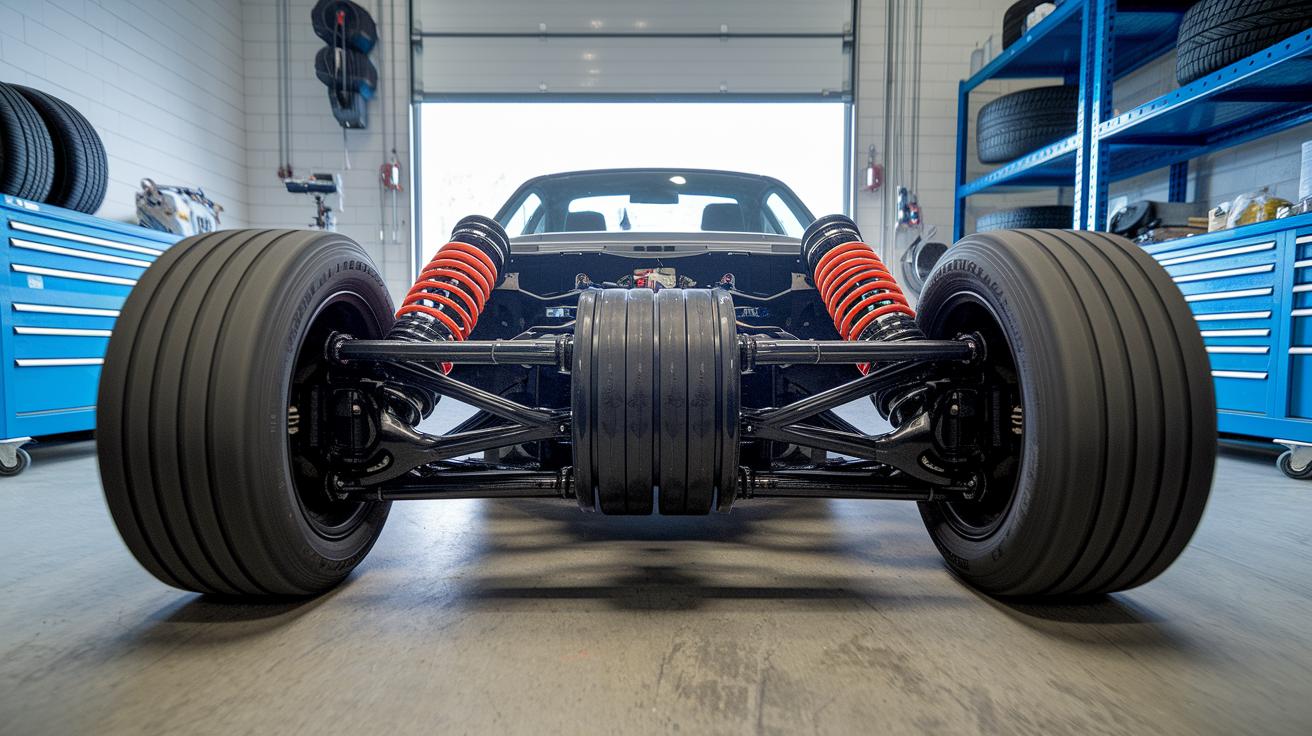
Your car’s suspension system is like its quiet hero. It soaks up bumps and dips (think of it like a cushion that smooths out your ride) while keeping your tires firmly on the road. This balance helps parts like the struts, dampers (or shock absorbers), and chassis share the work evenly. It’s similar to the soft purr of a well-tuned engine, making your drive feel calm and controlled. When everything is working just right, you notice more stability and less jostling when turning, braking, or accelerating.
Rotating your tires is a simple way to keep that smooth ride going. By switching their positions, you even out how the treads wear over time. This means no single part of your suspension has to handle too much stress. When the wear is balanced, your tires hold the road better, which makes for smoother turns and stops. In short, even tire wear cuts down on vibrations and keeps your suspension from wearing out too soon, helping your car feel safe and steady on every journey.
How Uneven Tire Wear Disrupts Suspension Alignment
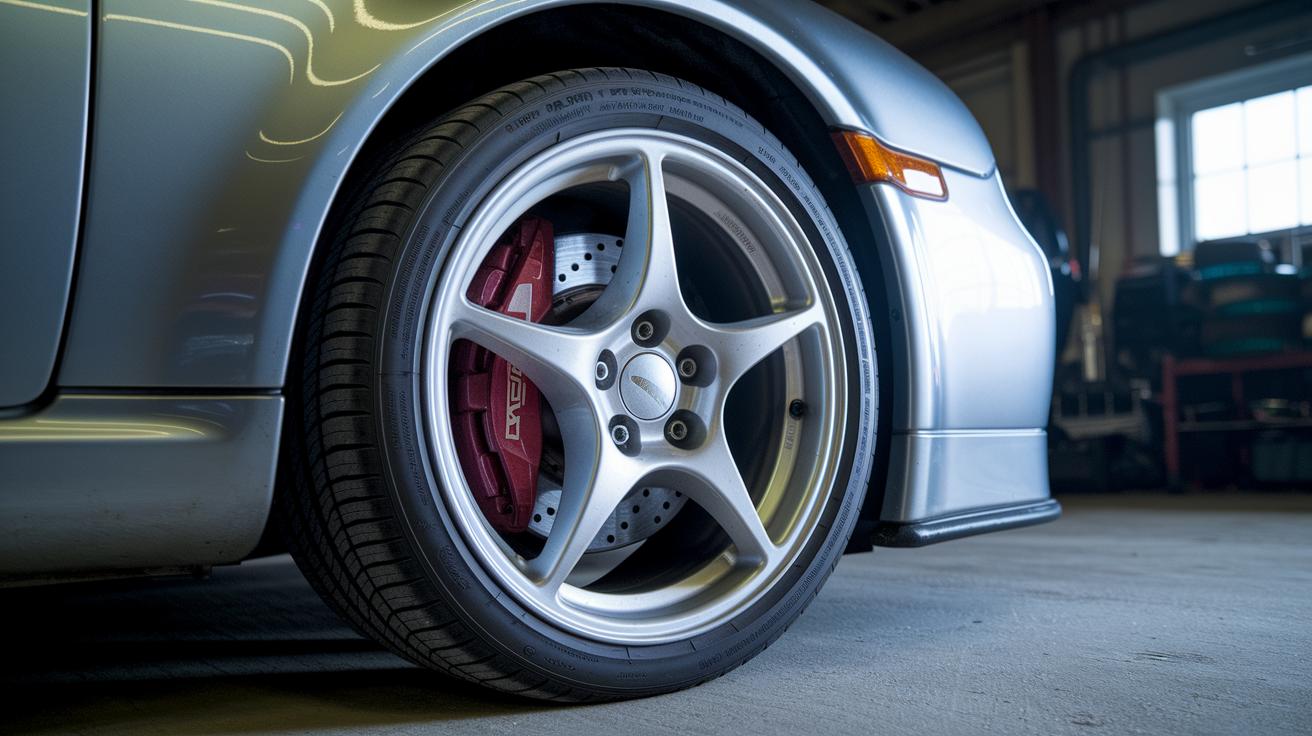
When your wheel angles like camber, toe, and caster (these show how your tire tilts and points) aren’t set just right, your tire starts wearing down unevenly. Imagine one side of your tire taking more wear, much like a cushion that gets squished on one spot every time you sit on it. This extra wear changes how your tire meets the road, which in turn puts an odd load on your car’s suspension. You might even feel a slight pull or a little vibration when turning. Even tiny misalignments can set off a domino effect that hurts tire performance.
Uneven tire wear also makes your suspension work harder. When parts of your tire wear more quickly, the struts and shocks (the parts that smooth out bumps) get extra strain. This uneven pressure not only makes the ride bumpier, almost like riding a shopping cart with one wheel off balance, but it also speeds up wear on important components. Every bump and turn can make those vibrations worse, which means your ride won’t be as comfortable or stable.
Checking your tread depth and watching for unusual wear is a smart move. Regularly inspecting your tires is like giving your car a quick health check, it helps you spot if one part is wearing down too fast. By catching these issues early, technicians can adjust your suspension settings and bring everything back into balance. Routine inspections keep your ride smooth and help stop extra strain on your suspension parts, so you can drive with confidence.
Tire Rotation Patterns and Managing Suspension Load

If you want your car to tackle bumps and corners with ease, picking the right tire rotation method is key. Choosing the proper pattern helps spread out tire wear and gives your suspension a break, just like switching seats on a long drive to keep everyone comfortable.
Front-to-Rear Pattern
With the front-to-rear pattern, you simply swap the tires between the front and back of your car. It works great for front-wheel drive vehicles by sharing the load evenly. When the tires wear out at the same rate on both ends, your shocks and struts don’t have to work extra hard. Kind of like making sure everyone gets a turn to drive, it keeps the ride smooth all around.
Cross (X) Pattern
The cross (X) pattern is all about switching tires diagonally. This way, each tire gets a fair share of the action, helping them wear evenly on both sides. When all the tires share the load, your car feels steadier, especially when you’re taking those sharp curves. It’s like having a team where everyone plays their part to keep the ride balanced.
Five-Tire Rotation
For cars with all-wheel drive that come with a spare tire, a five-tire rotation is the way to go. By rotating all five, including the spare, you make sure every tire wears down at the same pace. This keeps extra pressure off your engine and suspension, much like making sure no single tire is left to work too hard by itself.
| Pattern | Wear Distribution | Suspension Benefit |
|---|---|---|
| Front-to-Rear Pattern | Even wear between front and rear | Less stress on shock absorbers |
| Cross (X) Pattern | Balanced wear on diagonals | Improves stability during turns |
| Five-Tire Rotation | Uniform wear on all tires | Keeps drivetrain and suspension in sync |
Optimal Tire Rotation Frequency for Suspension Longevity
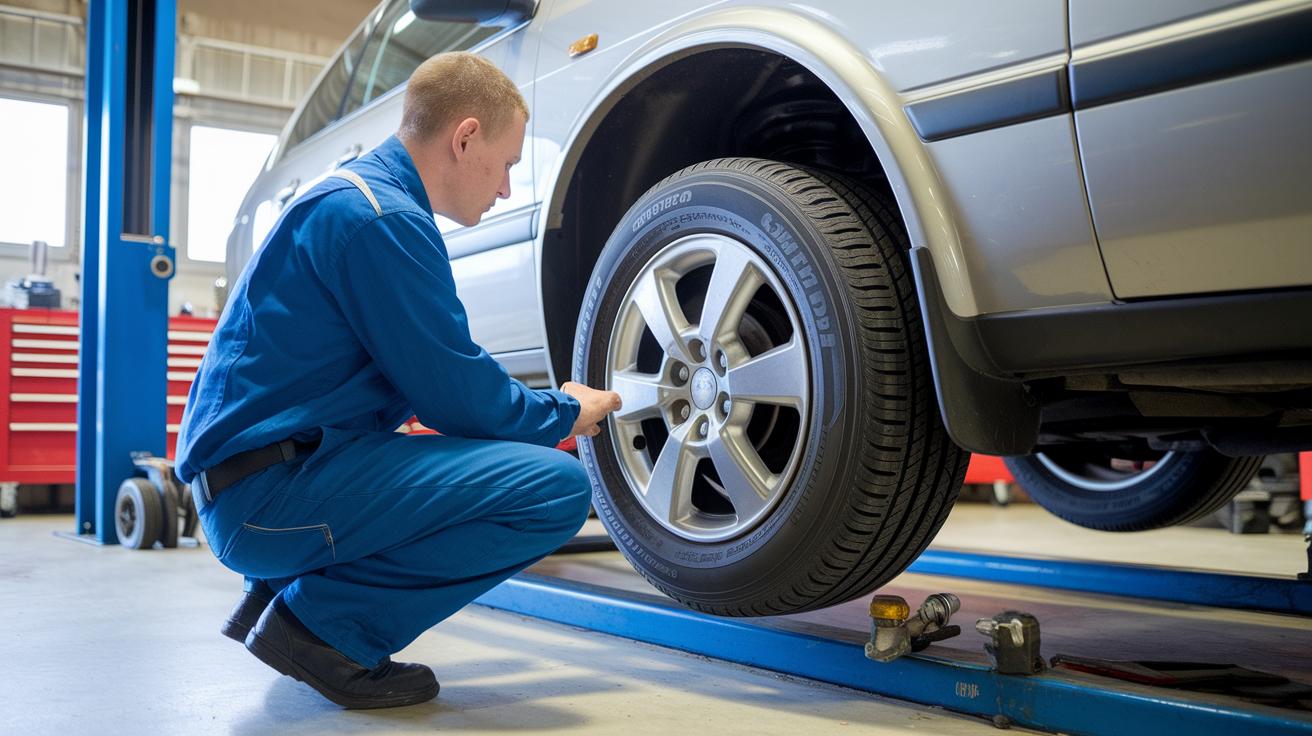
Keeping your tires swapping spots lets your car’s shocks and struts share the work evenly. Most car makers suggest you rotate your tires every 5,000 to 8,000 miles or at every oil change. This routine stops one tire from wearing out faster than the others, which keeps the system that controls bumps (damping system) balanced. When you stick to a regular rotation schedule, you protect the suspension from heavy, uneven stress that can lead to early wear and costly repairs.
- Rotate your tires every 5,000–8,000 miles as recommended.
- Check your tire condition when you get an oil change.
- Make sure the suspension alignment is correct with each rotation.
- Keep a record of every tire rotation in your maintenance log.
- Consider doing balancing and alignment services at the same time.
Keeping up with tire rotation not only smooths out the ride by promoting even wear, but it also reduces vibrations in all driving conditions. This habit helps your car handle better and makes your shocks, struts, and suspension parts last longer. Regular check-ups also let you catch any issues early on before they cause extra trouble. For more details on staying on top of tire care, see the comprehensive tire rotation checklist for regular maintenance.
Maintenance Techniques for Tire Rotation and Suspension Health

Before you move any tire, take a close look at each one. Check the tread (the rubber part that touches the road) and look for any odd wear patterns. This quick check helps spot early signs of uneven wear that could add extra strain to your suspension (the system that keeps your ride smooth). Write down where each tire is originally placed, for example, note which tire is on the front left or the rear right, so you can see how the wear changes over time.
Next, it’s time to move the tires. When removing them, always use the manufacturer-specified torque, which means tightening the bolts just right, not too loose and not too tight. Follow a simple step-by-step process: first, carefully remove the tires, then swap them to their new positions while keeping a clear record of their original spots. It’s a lot like following your favorite recipe, you need the right measurements to keep your car balanced.
After the tires are in their new spots, take a minute to check the alignment. Make sure the camber and toe settings (the angles of your wheels relative to the road) are just right. Skipping tire balancing can cause vibrations that strain your suspension mounts and bearings. Finally, run a few overall checks on your car to ensure everything feels smooth. These extra steps help catch any issues early, so you can enjoy a safe, steady ride.
Final Words
In the action, we explored how tire rotation interacts with suspension performance and outlined its benefits. We broke down how balanced tire wear boosts shock absorption, enhances alignment, and improves handling. We also examined common rotation patterns and useful maintenance techniques to keep your ride smooth and safe. Small steps like regular inspections and correct torque help keep suspension components in top shape. Every drive feels better when your tires and suspension work in harmony, here’s to more confident, relaxed rides ahead.
FAQ
How does tire rotation interact with suspension performance, and does it make the car drive smoother?
Tire rotation helps balance wear, keeping the tires in uniform contact with the road. This balance reduces stress on shocks, struts, and other suspension parts, resulting in a smoother, more controlled drive.
What are the proper methods for 4-tire versus 5-tire rotations, including dual rear wheel setups?
A proper 4-tire rotation swaps front with rear tires, while a 5-tire rotation includes the spare, which is key for AWD vehicles. Dual rear wheel setups often require following specific manufacturer guidelines to maintain even wear.
Can I or should I simply rotate tires side to side?
Rotating tires side to side is not typically recommended because front and rear tires experience different forces. Using a manufacturer-recommended rotation pattern ensures balanced wear and helps maintain proper suspension performance.
What does the 3% rule for tires mean?
The 3% rule means that when one tire’s tread wear deviates by more than 3%, it could affect handling and suspension load. Keeping tires within this range promotes even wear and stable performance.
Which suspension parts affect tire wear?
Components such as shocks, struts, and alignment settings directly affect tire wear. When these parts function well, tires maintain firm, even contact with the road, supporting balanced wear and optimal handling.

