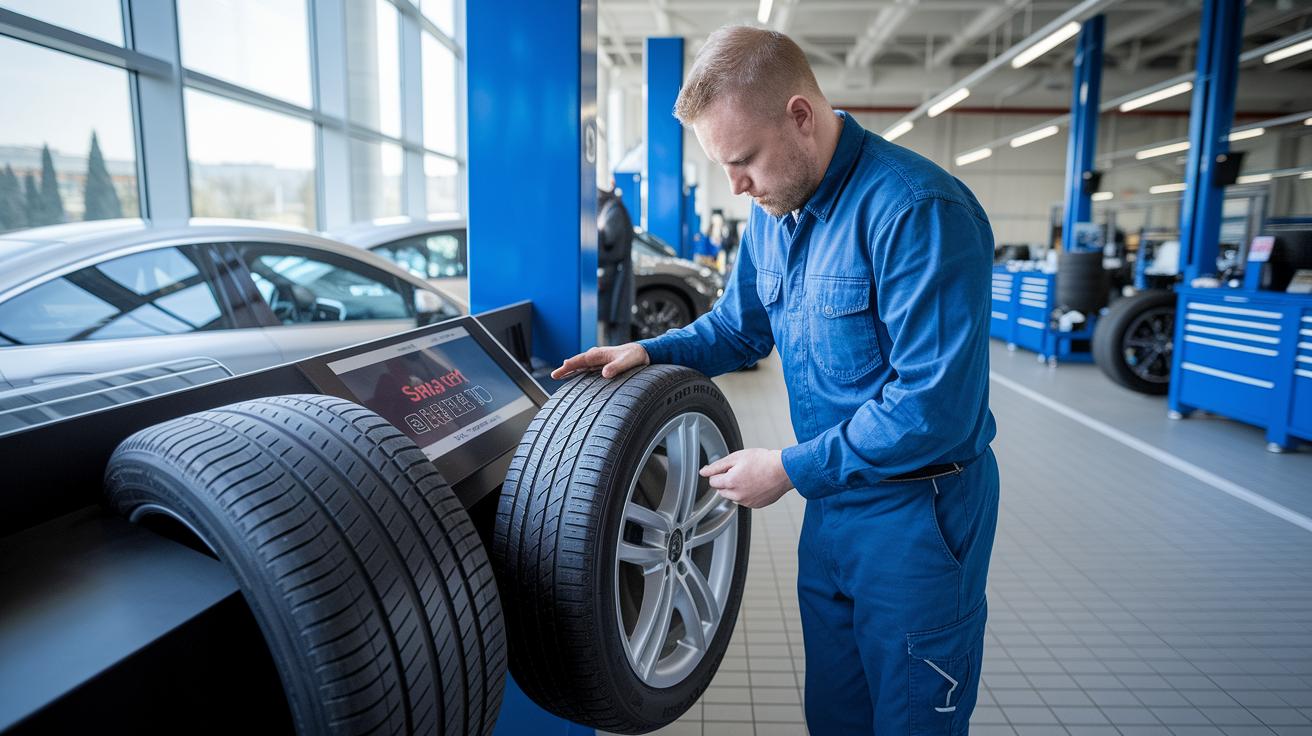


Ever wonder if your tires might be the missing ingredient for a smoother, safer ride? Smart tires work like a helpful co-pilot by keeping an eye on things like pressure (that’s the air inside your tire), temperature, and how well your tire grips the road.
In this article, we’ll talk about what really matters when choosing smart tires. We’ll cover factors like your vehicle type, the tire size you need, and even the kind of weather you usually face. It’s a lot like picking out the perfect pair of shoes for your everyday adventures.
So, get ready to give your driving a boost with tires that are just right for your unique journey. Let’s dive in and see how you can make every mile safer and smoother.
Essential Factors to Consider When Choosing Smart Tires for Your Vehicle

Smart tires can really change your ride for the better, keeping you safe and giving you a smooth drive. Whether you're dealing with snowy roads or rough and bumpy paths, the right tires can make all the difference. Picture tires with special treads that help melt ice and snow (this means they grip the road better) – kind of like having a little extra warmth on a chilly day.
It's important to match the tire to what your vehicle needs. A sedan, SUV, and truck all need different tire features to handle their unique loads and speeds. Think of it like choosing the perfect shoes for a long day out – the right size and fit keep you comfortable and steady. Check the tire size printed on your sidewall (like P215/60R16) to make sure you pick the right one.
- Vehicle type
- Tire size
- Climate
- Driving conditions
- Performance needs
- Budget
Before you decide, take a look at your vehicle’s tire placard (usually found on the driver’s side door) to see what the manufacturer recommends. This simple step helps avoid any mix-ups and makes sure you have the right fit for your driving needs. And if you're ever in doubt, a tire professional or a glance at your owner's manual can guide you to the perfect match for a safe and enjoyable journey.
Integrating Advanced Sensor Technology in Smart Tires for Your Vehicle
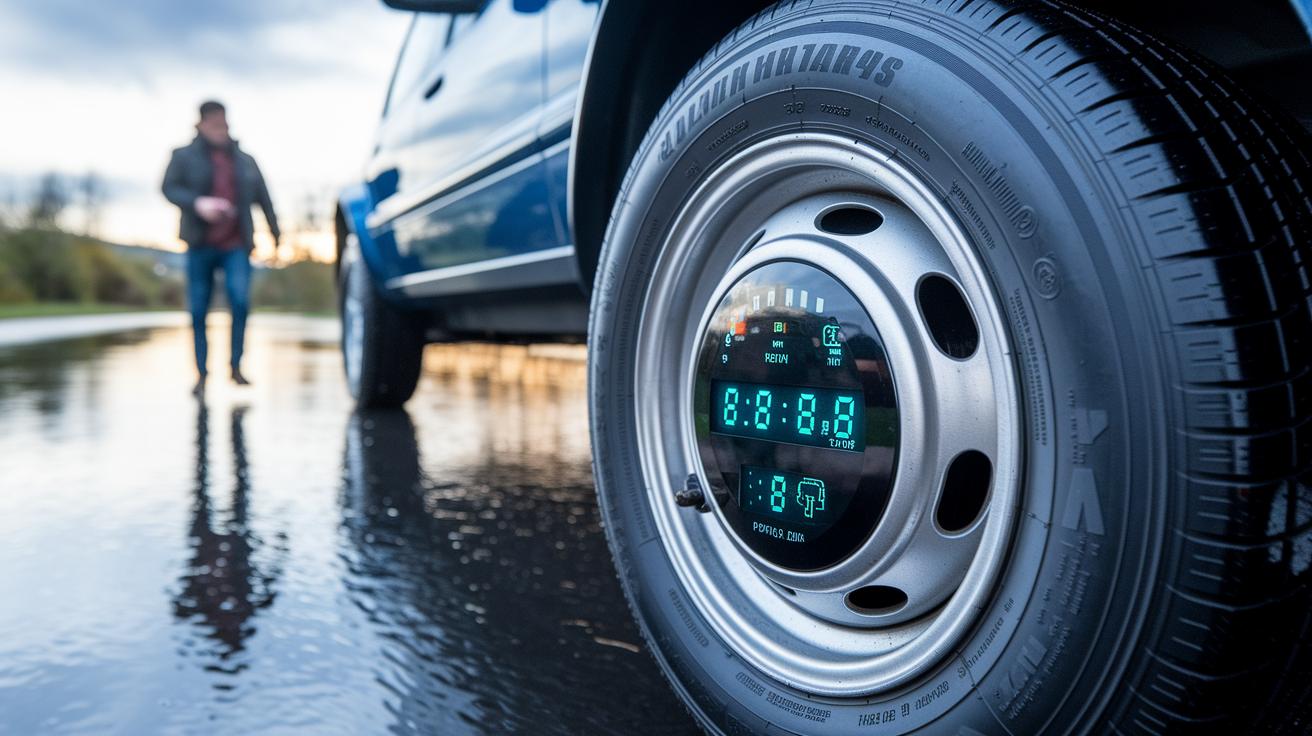
Smart tires now have built-in sensors that keep an eye on things like pressure, temperature, and traction. They send signals about how the tire is doing, so you can catch wear or early signs of trouble before it becomes a big deal. For example, a digital pressure system (which makes sure your tire has the right amount of air, measured in PSI) tells you if you're losing air on a wet road or during a long drive.
Getting the sensor calibration right is really important to keep your tires neither under-inflated nor over-inflated. It's kind of like tuning a guitar, everything needs to be set just right to hit the proper note. Follow the manufacturer’s guidelines and check the sensors during your routine inspections. If you're curious about more safety improvements from calibration, you can check out "How sensor technology enhances tire safety features" at tityres.com?p=2408.
The sensor data gives you real-time updates about your tire wear and how well they handle on the road. With these smart monitoring techniques, you'll get instant alerts if there's a tire imbalance or a patch with low traction. This technology helps your tires perform their best, letting you enjoy a smooth, secure ride every time.
Assessing Intelligent Tread Performance and Durability for Your Vehicle’s Smart Tires
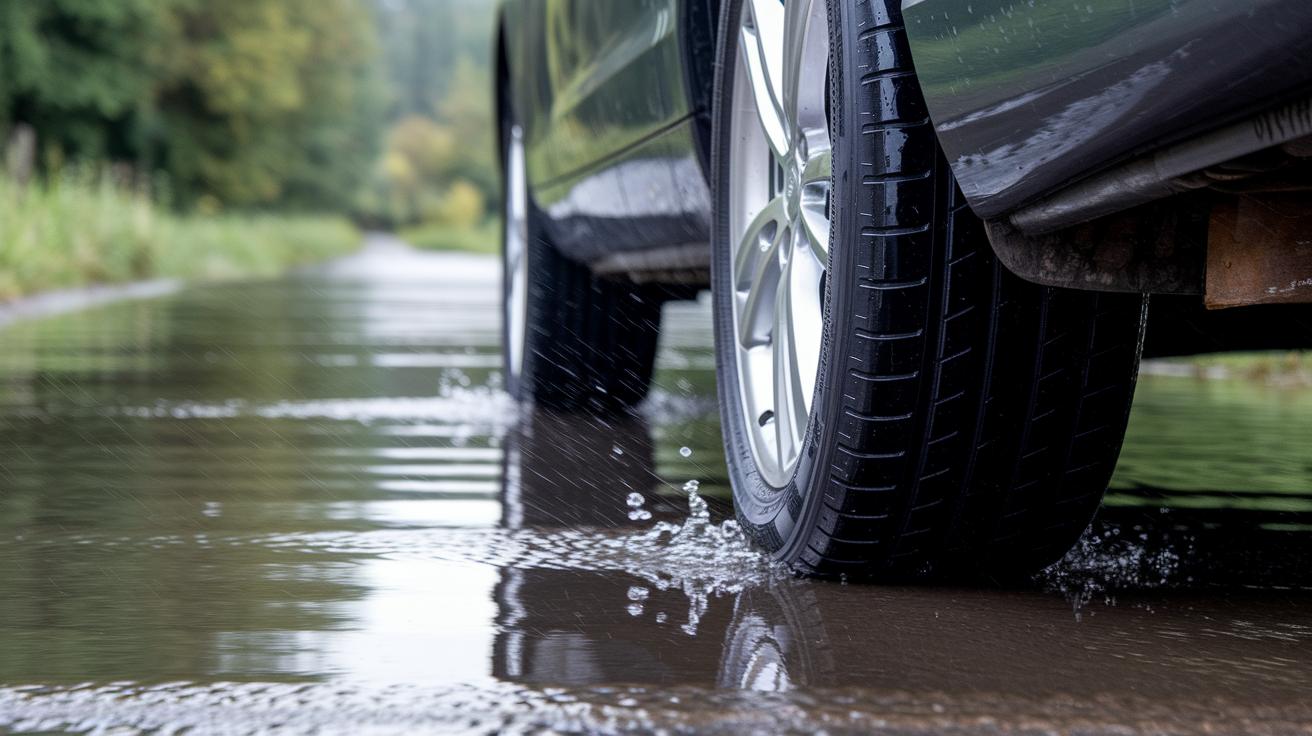
Smart tires come with cool tread designs like asymmetrical and directional patterns that help spread water, boost grip, and fight off hydroplaning (when your tire loses contact with the road due to water). They work a bit like the grooves in your running shoes that keep you from slipping, helping your car stay steady in wet weather. With these smart designs, you can check how well a tire pushes water away and holds firm when you make a sharp turn, making it easier to compare models and choose the one that gives you dependable traction on slick roads.
The rubber mix in these tires is just as important. It not only helps save fuel but also makes the tire last longer. Built-in indicators in the tire keep track of wear from afar, so you know when it's time for a change. This handy monitoring system lets you plan replacements before things get risky, keeping your car safe and running at its best.
Evaluating Fuel Efficiency and Safety Features of Smart Tires for Your Vehicle
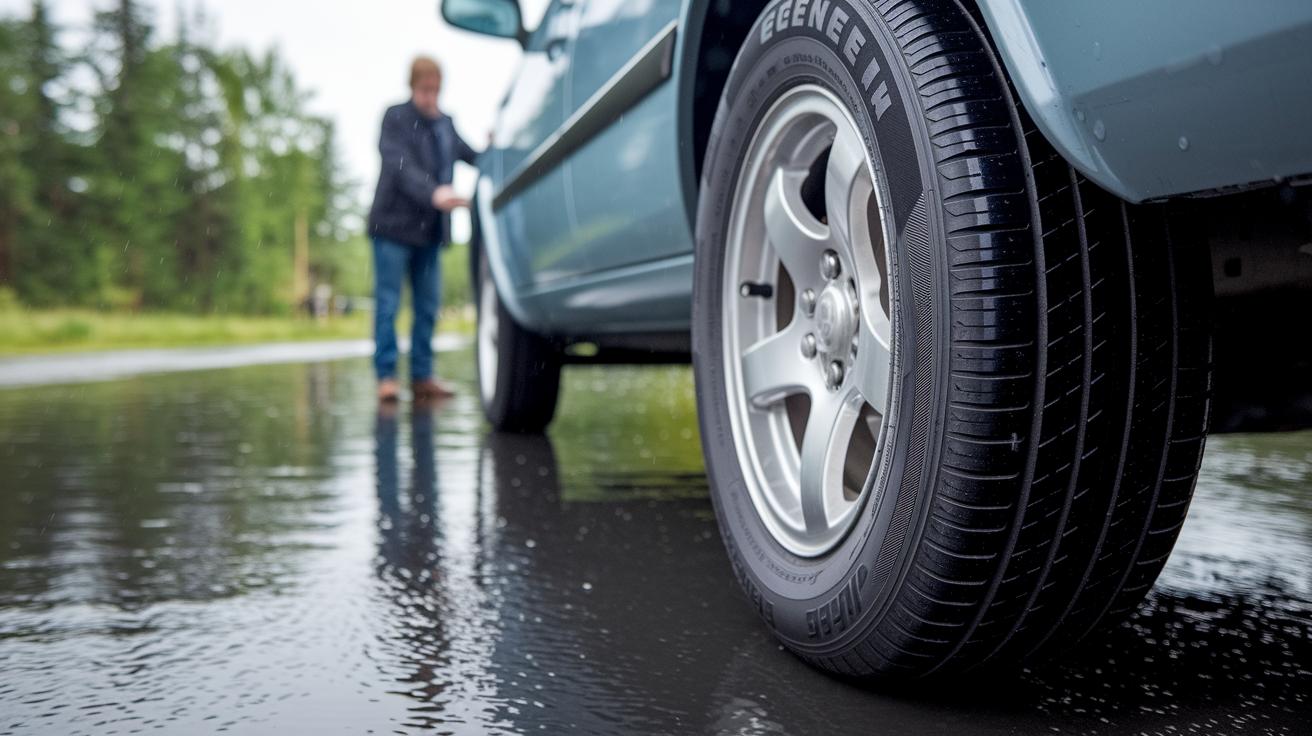
Smart tires are built to reduce how much energy they need to roll along the road. This lower effort means your car uses less gas because there is less friction (the force that slows things down). Imagine a smooth ride where you can actually see how much energy you're saving every time you drive.
These tires don’t just help save fuel, they also pass top safety checks. They feature extra-strong sidewalls that guard against punctures, which means fewer unexpected flats. Plus, they come with sensors that alert you to any issues and have special treads that grip well in wet weather. It’s like having an extra set of eyes on your vehicle, keeping you safe when roads get tricky.
Keeping your tires properly inflated is key for saving fuel and staying safe. Following your car’s guidelines, usually between 30 and 35 psi, helps boost grip and handling while preventing uneven wear. When your tires are at the right pressure, you enjoy a smoother ride and lower fuel costs. Drive with confidence and enjoy every mile.
Essential Factors to Consider When Choosing Smart Tires for Your Vehicle

Smart tire options suit different road conditions. For instance, all-season tires offer a smooth ride on both dry and wet roads in mild weather. Winter tires, with their deeper grooves (the patterned outer part of the tire), provide extra grip on icy or snowy surfaces. And if you need sharp handling on clear roads, performance tires, with their stiffer sidewalls, are a great pick. It’s a bit like choosing your shoes; everyday sneakers work for a casual stroll, while rugged boots are better when the going gets tough.
Your vehicle also plays a big role in the tire choice. Take a quick look at the sticker on your driver’s door, it shows the recommended tire size, weight capacity (load index), and speed rating. Sedans usually do well with tires that lower noise and boost fuel efficiency, while SUVs need tougher options that handle daily wear and tear.
Installation and Maintenance Tips for Smart Tires on Your Vehicle
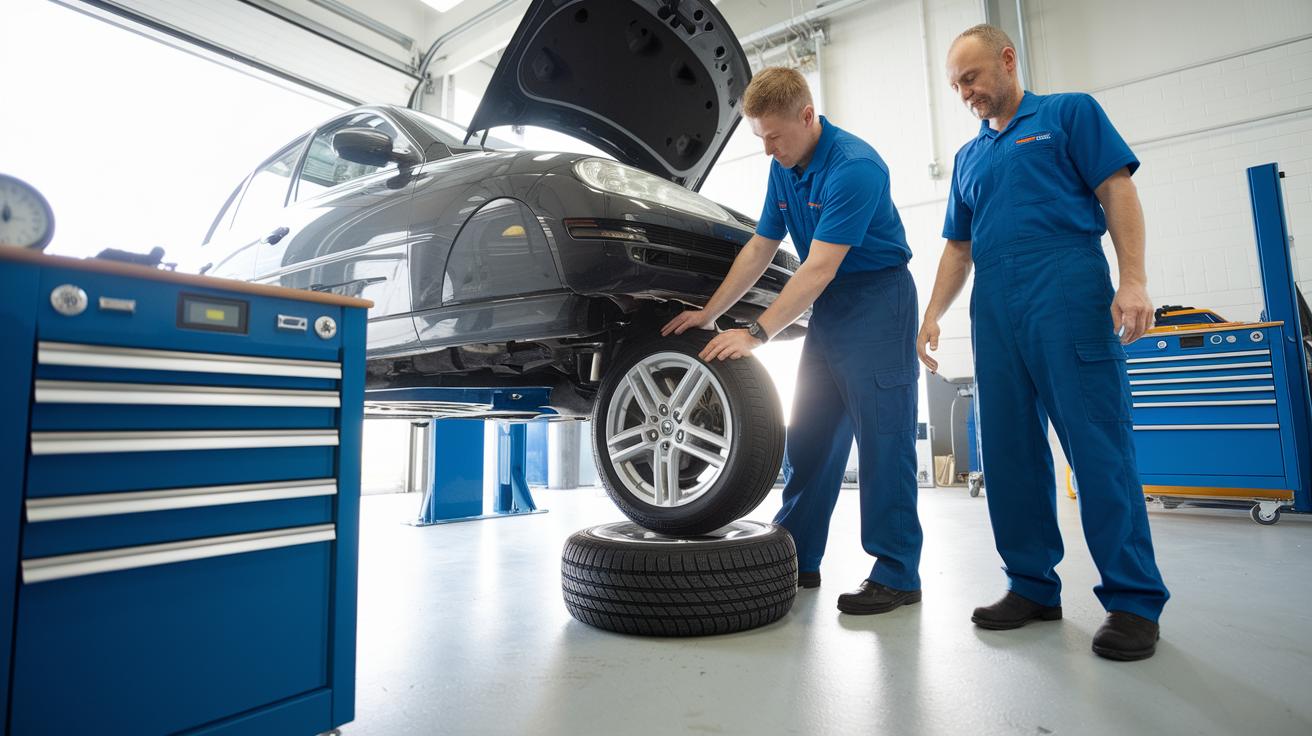
When you’re getting your smart tires installed, make sure your wheels are balanced and set up right. This simple step helps the sensors work better and makes your tires last longer. Rotate your tires every 5,000–7,500 miles to save money in the long run, like research shows. Following the manufacturer’s instructions gives you a strong starting point for safety and keeping an eye on your tires.
Keep an eye on your tire pressure, too. Regularly checking that your tires stay between 30 and 35 psi (pounds per square inch) can help your vehicle run smoothly and even save you fuel. Using a checklist that includes sensor tests, visual checks, and pressure readings helps catch small problems before they become big ones.
When it comes to replacing or inspecting, watch your tread depth closely. If your tires drop below 2/32 inch or show damage like cracks or bulges, it’s time for new ones. And stick to the same tire brand on one axle for even handling and reliable safety.
Final Words
In the action, we broke down key points on tire types, sensor tech, tread performance, fuel efficiency, and safety features. We also looked at matching smart tires to different vehicles and handling upkeep like proper rotation and inflation.
These simple tips make a big difference when planning your next tire check. Keep in mind how to choose the right smart tires for your vehicle, and you'll enjoy a smooth, safe ride every time.
FAQ
How to choose the right smart tires for your vehicle and pick the right tire for your car?
The question about choosing smart tires means you should match tire sizes, performance needs, and driving conditions. Check your vehicle’s placard and ask a tire expert to guide you for a better fit.
What key questions should I ask when buying tires?
Asking the right questions means inquiring about tire compatibility, tread wear, safety ratings, and maintenance tips. Focus on how the tires suit your driving habits and vehicle needs to boost performance.
What is a tire ratings chart?
The question on the tire ratings chart indicates it is a guide that compares performance, safety, and durability measures across different tire models, helping you quickly identify the best option for your ride.
What is a tire selector tool?
The question about a tire selector tool means it is an online resource that helps match tire options to your vehicle’s specifications and driving conditions, making tire selection straightforward and efficient.
What are the four types of tires?
The question regarding tire types means the main categories often include all-season, winter, performance, and off-road tires, each engineered to meet unique road and weather conditions for safer driving.
What is the best tire comparison website?
The best tire comparison website means a site offering clear reviews, ratings, and price comparisons. It gives you a quick look at performance metrics to help you make a well-informed decision.
What is the 3% rule for tires?
The question about the 3% rule means it is a guideline for tire wear or pressure monitoring. It suggests checking if there is a 3% drop against recommended figures, signaling a need for inspection.
What is the 7 7 rule for tires?
The question on the 7 7 rule means it serves as a rule of thumb regarding tire age or mileage thresholds. When tires reach around seven years or a specific mileage limit, consider getting them checked or replaced.
What is better, H or V rating on tires?
The question comparing H and V ratings means H-rated tires suit speeds up to around 130 mph while V-rated tires are designed for higher speeds around 149 mph, so choose based on your typical driving demands.

