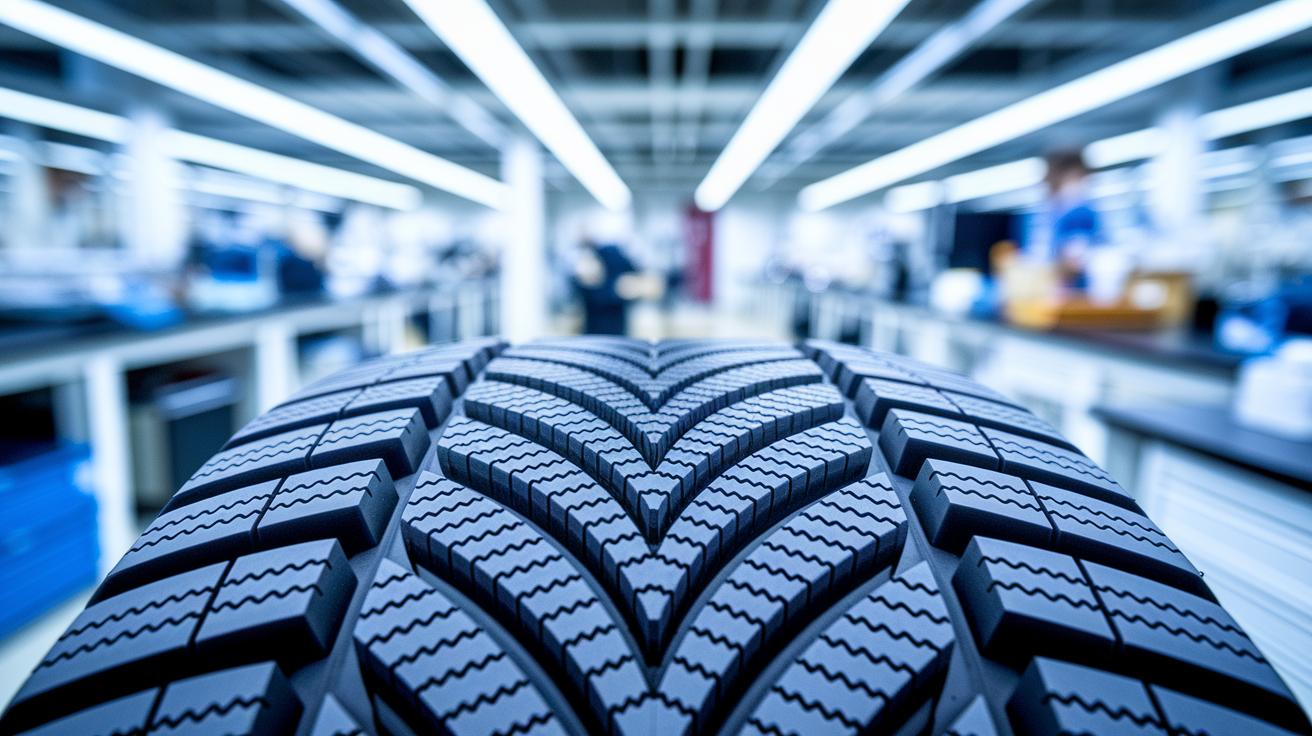


Have you ever noticed some tires stick to the road like a good friend while others seem to lose their grip? When looking at sport tires, the goal is to find that just-right mix of grip (how well the tire naturally holds onto the road) and lasting power. Engineers put these tires through tests that feel a lot like real driving, pushing them hard with quick starts and fast turns. In this post, you'll see how checking a tire’s grip and the energy it loses when it bends helps pick out the best formula to keep you safe and speedy on the track.
Core Processes for Evaluating Sport Tire Compounds for Maximum Grip

Testing sport tire compounds carefully is key to getting the most grip on the track. Engineers run tests that mirror real driving stresses so they can see how different tires handle forces, temperature changes, and sudden load shifts. For example, imagine comparing sneakers on a wet floor to boots on a muddy path. This approach helps them find the right balance between quick grip and long-lasting performance.
When checking tire performance, they focus on two main factors: adhesion and hysteresis. Adhesion is like the tiny bond between the tire and the road (think of it as the tire's natural stickiness), while hysteresis is about the energy lost when the tire bends and flexes. They’ve found that softer compounds, which squish more to cover more road, can boost grip but might wear out quicker. Picture a tire molding perfectly into every groove, that extra grip is great during hard acceleration. Measuring these details is key for making smart improvements.
- Static friction coefficient measurement (checking how well the tire grabs the road when starting)
- Hysteresis and energy-loss testing (seeing how the tire loses energy when it bends)
- Dynamic load grip measurement (testing grip when forces on the tire change quickly)
- Shear force influence analysis (examining how side forces affect traction)
- Thermal cycling and heat-build-up tests (observing how heat changes the tire’s behavior)
- Wear resistance under high-stress protocols (ensuring the tire lasts even under harsh conditions)
Putting these six techniques together gives engineers a full picture of tire behavior. They use this information to adjust compound formulas so you can enjoy great grip without sacrificing durability, even when demands get high on the track.
Analyzing Rubber Composition and Material Properties in Sport Tire Compounds

When it comes to how a tire performs on the track, it all starts with what’s inside. The tire is made of a mix of natural and synthetic rubbers, plus fillers like carbon black and silica (tiny particles that help the tire last longer). This blend is key for keeping the tire flexible when it's cold and strong when things heat up on a fast lap. Engineers use these details to tweak the tire so you get great grip and control.
| Component | Role | Typical Range |
|---|---|---|
| Natural Rubber | Gives elasticity and grip in cold (helps the tire stay flexible) | 20–40% |
| Synthetic Polymers | Helps the tire handle heat (keeps its shape during intense runs) | 30–50% |
| Silica/Carbon Black | Boosts strength and resists wear (protects against quick erosion) | 15–35% |
Even small changes in this mix can be a game-changer. For instance, adding more natural rubber can boost traction when it's chilly, while upping synthetic polymers helps the tire keep its form during long, hot races. Engineers also mix in extras like advanced polymers and fillers (check out more about this here) to improve how long the tire lasts and how well it grips, even on wet roads. It’s like finding that perfect balance on a road trip, every tweak can affect how the tire wears down over time.
In simple terms, a tire that’s balanced just right sticks firmly to the track during tight turns while lasting longer overall. Engineers pay close attention to every detail of the rubber mix to make sure it meets the tough demands of high-performance driving.
Measuring Friction and Adhesion Characteristics for Grip Optimization
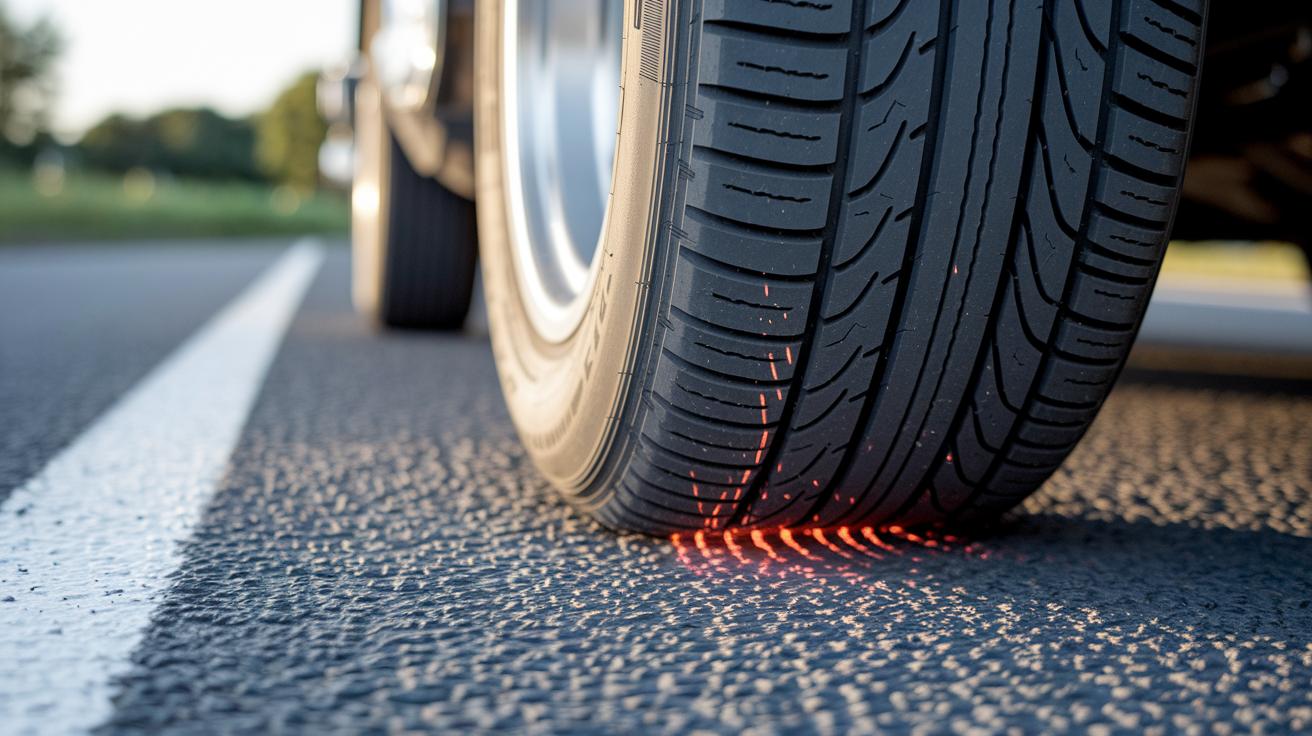
Think of your tire making a tiny handshake with the road. Adhesion grip comes from small molecular bonds between the tire and the road, and these bonds can change with temperature or a bit of oil. Even a little bit of oil can weaken these bonds and make the tire less sticky.
On the flip side, there’s hysteresis grip. When your tire bends under the car’s weight, it loses some energy that turns into heat, making the rubber more flexible. This lost energy isn’t as affected by things like a bit of oil because the rubber just soaks up and lets go of the energy.
Engineers check this grip using special test tools that press tires against clean, controlled surfaces. They figure out the grip by multiplying a grip number with the force pressing the tire down. Keeping the temperature steady and the test spot super clean is key. This way, they can see exactly how much grip comes from the tire sticking to the road and how much comes from the tire’s bending.
Assessing Thermal and Load Effects on Grip Performance
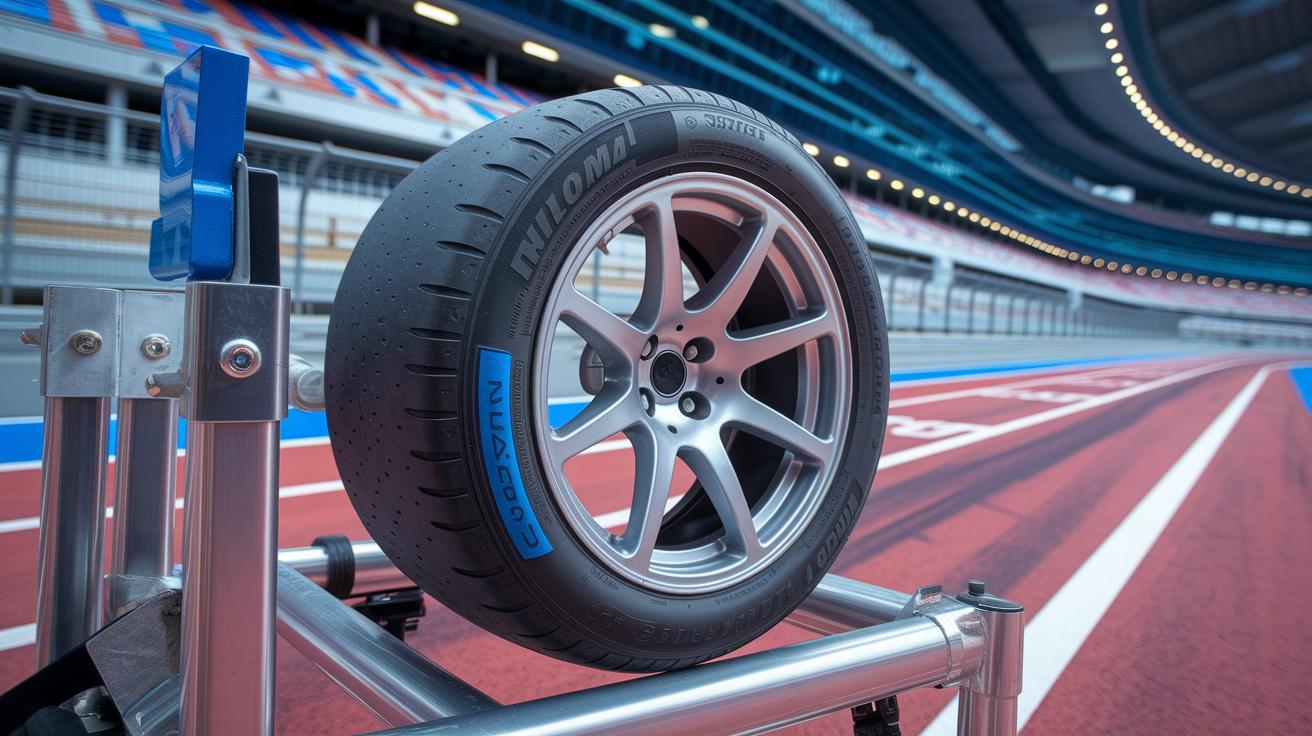
When you're out on the track, tires heat up really fast. The friction from the road and the tire bending make them get hot. This heat helps the tire stay flexible so it can fill the small grooves in the road. But if it heats up too much, the tire can start to break down, sometimes even blistering or peeling apart.
Engineers run tests by putting tires through real-life load changes and heat cycles. They make the tire do lots of high-speed laps while using sensors to watch how the temperature climbs. They also change the load quickly, kind of like when you suddenly accelerate or brake, to see how the tire's material handles the stress. Softer compounds might spread out more to give better grip, but they could wear out faster if pushed too hard.
By comparing temperature readings with how quickly the tire wears, experts can guess how a tire will perform on the track. This helps them adjust the tire’s makeup to keep you safe and boost performance under real driving conditions. It’s all about fine-tuning the design to get the best ride possible.
Comparative Field Testing of Sport Tire Compounds for Maximum Traction
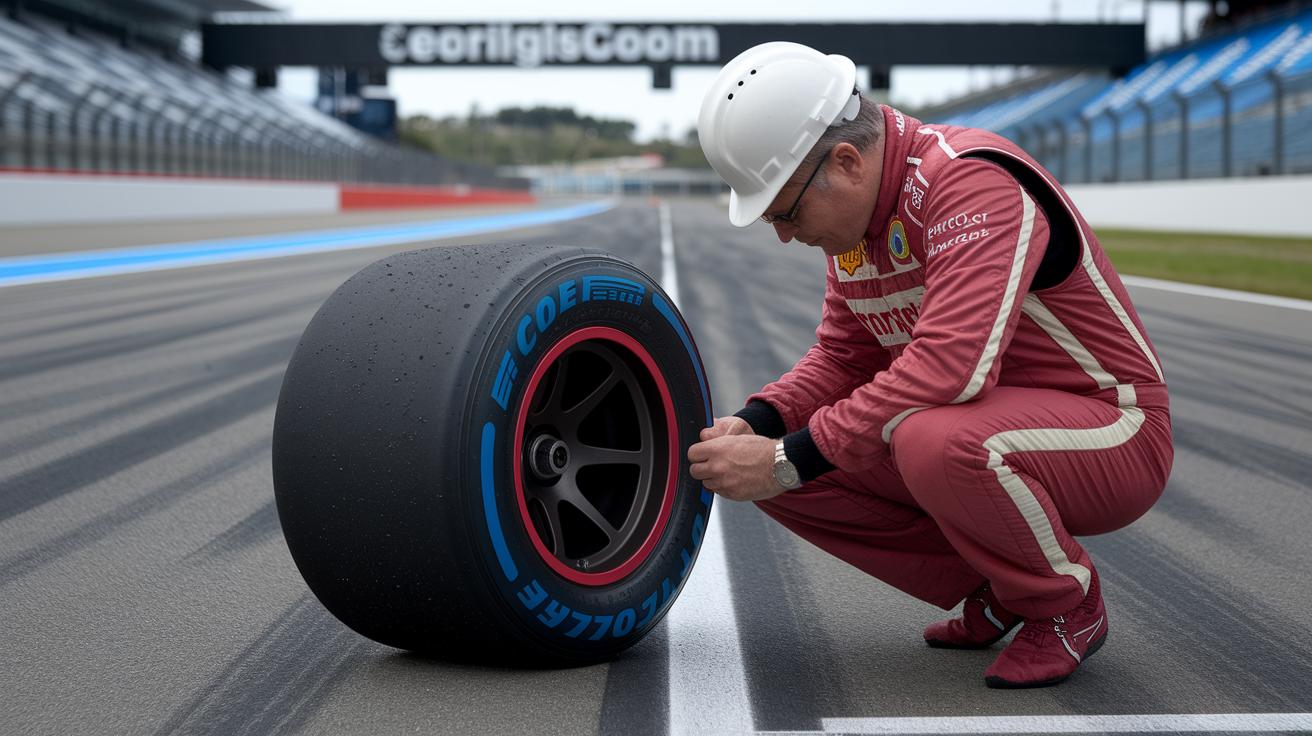
Figuring out which cars to test and what track conditions to use is the first step. Engineers choose vehicles with similar suspension and weight so the tests remain fair. They then pick tracks that mimic real racing scenes, like dry, smooth roads or routes with a few wet spots. For instance, imagine a circuit with long straightaways and tight corners that puts the tires through various challenges.
When you look at racing performance, lap times speak volumes about each tire's behavior. Slick tires, for example, often cut precious milliseconds on dry tracks because their soft make-up boosts grip, even though they may not last as long. Semi-slicks strive for a balance, giving steady lap times while holding up better than full slicks. Road tires might not excel in speed or tight turns, but they offer reliable performance over longer sessions. The way a tire works with a car’s suspension also counts; a softer tire increases the road contact area for better handling on curves, while a stiff suspension might not mesh well with a very soft tire in fast turns.
Real-world data from these tests helps experts pick the best tire for each event. By checking lap times, the area where the tire touches the road (the contact patch), and wear patterns, they can match tires to racing or track-day goals. This process ensures every tire setup hits the right mix of speed and durability.
Final Words
In the action, this post outlines key tests used to gauge tire performance. We covered methods like static friction checks, thermal cycling, and wear analysis, which help measure how compounds behave under real loads. Practical testing and real-world data work together to highlight the mix between grip and durability. Our guide shows how to evaluate sport tire compounds for maximum grip, making it easier to pick out the right tire for safety and lasting performance. Keep these insights in mind as you drive with more confidence and control.
FAQ
Q: How to evaluate sport tire compounds for maximum grip?
A: Evaluating sport tire compounds for maximum grip involves measuring static friction, hysteresis energy loss, and dynamic load grip. These tests reveal how a tire performs under set loads and informs compound selection.
Q: What does the front and rear roll center relationship indicate?
A: The front and rear roll center relationship indicates how weight shifts during cornering. It affects handling balance by showing how tire contact is maintained over different driving conditions.
Q: How to lower roll center?
A: Lowering the roll center usually involves adjusting suspension geometry or mounting points. This change brings the roll axis closer to the ground, helping improve tire contact and enhancing grip.
Q: What makes a tire have more grip?
A: A tire has more grip when its compound and tread design offer a higher friction coefficient. Softer compounds and deep grooves expand the contact area, boosting traction on the road.
Q: What is the coefficient of grip on a tire?
A: The coefficient of grip on a tire is a ratio that measures friction force against the force pressing the tire on the road. It quantifies the tire’s overall ability to generate traction.
Q: What tire pattern is best for grip?
A: The best tire pattern for grip usually includes deep grooves and multiple sipes. These features help channel water away and maximize surface contact, enhancing traction on various road conditions.
Q: Are hard or soft tires better for grip?
A: The grip level between hard and soft tires depends on usage. Soft tires deliver higher peak grip due to increased flexibility, while hard tires maintain durability with more consistent performance over time.

