


Ever notice how some tires keep going longer than others? Taking care of your tires isn’t just a money saver; it keeps you safe on the road. When you give your tires regular checkups and a little extra care, your car runs smoother and feels more reliable.
Next, let’s break down a few simple tips. Keep your tires at the right air pressure (that's the perfect amount of air so your ride can handle bumps better). Rotate your wheels now and then (swap their positions for even wear) and make sure your alignment is on point (this means your tires are set straight).
Small steps like these go a long way in making sure your tires perform well for every mile you drive. Isn’t it nice knowing your ride is ready for the road?
Essential Maintenance Steps to Extend Tire Lifespan
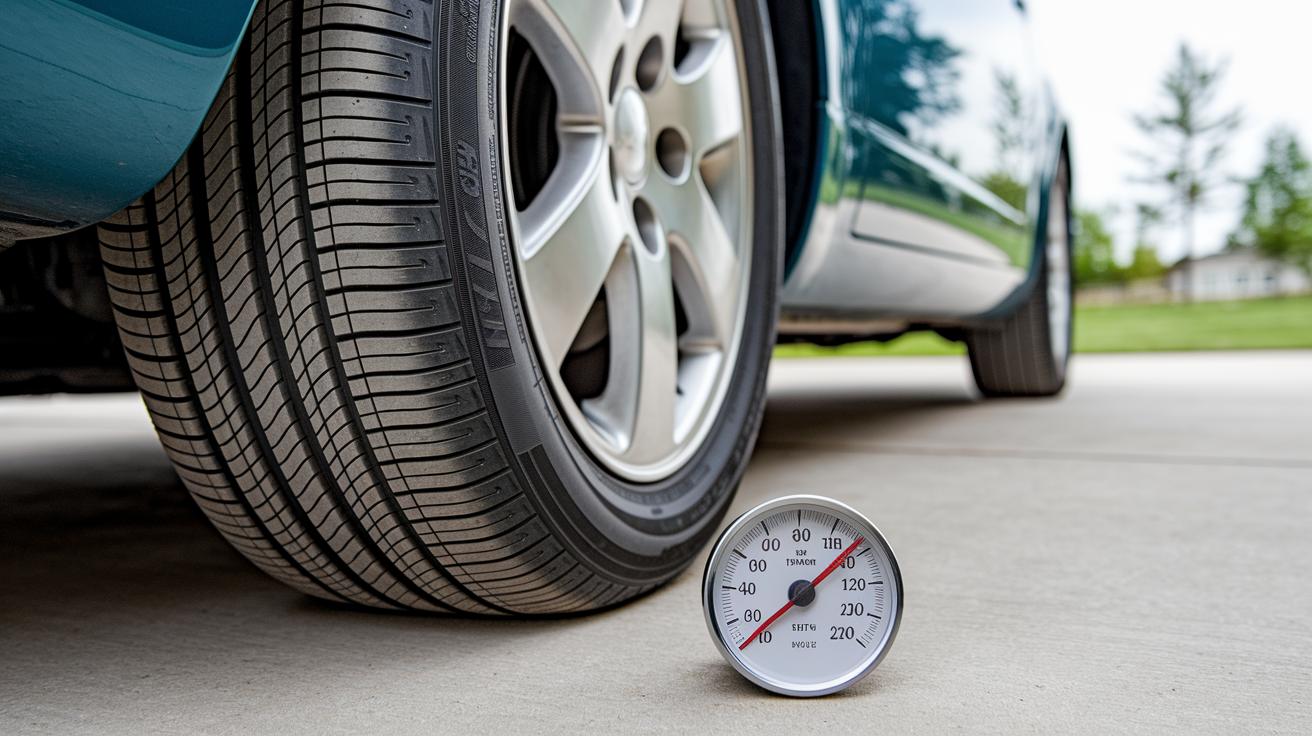
Tires do more than just keep your car rolling, they bear its weight, grip the road, and help keep you safe. When you look after your tires, your car drives smoother and you might even save some fuel. It’s like giving your ride a little extra care for a more relaxed journey.
Checking your tires regularly is a smart move. A quick look can catch early signs of wear, like a small dip in tire pressure or uneven tread patterns (the part of the tire that touches the road). These little hints can alert you before a bigger problem develops, ensuring every mile you travel is backed by solid performance.
Here are some simple steps to follow:
- Maintain the correct inflation (keeping the tires filled just right)
- Rotate the wheels routinely (moving tires to different positions)
- Balance the tires during rotation (ensuring even performance)
- Check the alignment twice a year (making sure the wheels point straight)
- Do a monthly visual inspection (a quick look to spot any issues)
- Clean the tires to remove debris and salt (keeping them free of dirt)
Taking care of your tires doesn’t just boost safety on the road; it also helps you save money. With proper inflation, timely rotations, and regular inspections, you can extend your tire's life significantly. This simple approach reduces vibrations, keeps the tread even, and lowers the risk of unexpected troubles, it’s a win-win for your ride.
Optimize Inflation Settings to Protect and Extend Tire Lifespan

Keeping your tire pressure right is one of the easiest ways to ensure a safe and comfy ride. Tires naturally lose about 1 psi each month, which might seem small but can lead to uneven wear (when parts of the tire wear out faster than others) and a less smooth drive if not corrected. Underinflated tires tend to wear unevenly and use more fuel, while overinflated ones wear out faster in the middle and can make your trip bumpier. Checking and adjusting your pressure every month is a simple tip that can really pay off.
| Pressure Condition | Effects on Wear & Performance | Recommended Action |
|---|---|---|
| Underinflation | Uneven tire wear, lower fuel economy | Inflate to recommended level, check monthly |
| Optimal Inflation | Even tire wear, good fuel economy | Maintain manufacturer’s PSI |
| Overinflation | Center wear, rougher ride | Release air to recommended level, avoid extremes |
Using a good tire gauge and remembering that seasonal temperature changes can affect your pressure by 2–4 psi will help you keep on track. Regular checks not only stop unsafe tire behavior but also help your tires last longer and save you money over time.
Rotate Wheels Routinely to Achieve Even Wear Balance

Your tires don’t all wear down the same way. The front tires, for instance, take on more load and help with steering, while the rear ones face different stresses. This means if a tire stays in one spot too long, it can wear unevenly and affect your ride.
Rotating your wheels every 5,000–8,000 miles spreads the work across all four tires. It’s like giving each tire a turn at the wheel so they all share the effort. This simple tip not only helps prevent uneven wear but also improves grip and smooths out your drive.
There are a few common rotation patterns to know about:
- Front-to-back (tires swap places between the front and the back)
- Rearward cross (used for front-wheel-drive cars with non-directional tires)
- X-pattern cross (often best for rear-wheel or all-wheel-drive vehicles)
- Lifted-vehicle pattern (used when the spare tire rotates in)
It’s also important to balance your tires at the same time. Balancing means adjusting the tires so they don’t cause vibrations when you’re driving, helping each tire perform at its best. By checking your tire condition regularly and rotating them with the right pattern, you can extend the life of your tires while keeping your car safe and enjoyable to drive.
Align Wheels Accurately to Prevent Excessive Tread Wear

Every time you run into a pothole or catch a curb, your wheels can lose their proper alignment. This means the angles of your wheels, called camber (the tilt of the wheel) and toe (how far the wheel points in or out), can shift. When this happens, your tires might wear out unevenly, and you could feel a bumpier ride.
When your camber or toe is off, you might notice one side of your tire wearing down faster than the other. This imbalance not only makes your drive less smooth but might also lower your fuel economy because your tires aren't working as they should. It’s like having a misaligned steering system that makes everything a bit off.
So, it’s a good idea to have your wheels checked by a pro at least twice a year. A trusted technician can adjust the camber, toe, and even caster (the angle that affects how your steering returns to center) to meet your car's original specs. Plus, doing a simple visual check every month can help you catch uneven wear early on. Keeping your wheels properly aligned means a smoother drive, safer journeys, and tires that last longer.
Adopt Safe Driving Practices to Conserve Tread Integrity

When you floor the gas or hit the brakes suddenly, your tires heat up quickly and can even get flat spots on the tread (the part that touches the road). This extra heat and friction makes your tires work overtime, wearing them down unevenly. Even a brief burst of hard acceleration or a quick stop can speed up this wear.
Taking sharp turns and driving fast can also hurt your tires. Aggressive cornering puts stress on the tire's sidewalls and tread, while high speeds boost the temperature even more. In truth, if you make frequent tight maneuvers and keep a high speed, your tires might run out of life before you realize it.
The best way to keep your tires in top shape is to drive defensively. Always keep an eye out for debris and potholes so you can steer around them easily. Plan ahead so you don’t have to make sudden moves, and keep a safe distance from the car in front of you. Using gentle, gradual acceleration and braking not only saves your tires but also gives you a much smoother ride.
Seasonal and DIY Care Tips for Prolonged Tire Lifespan
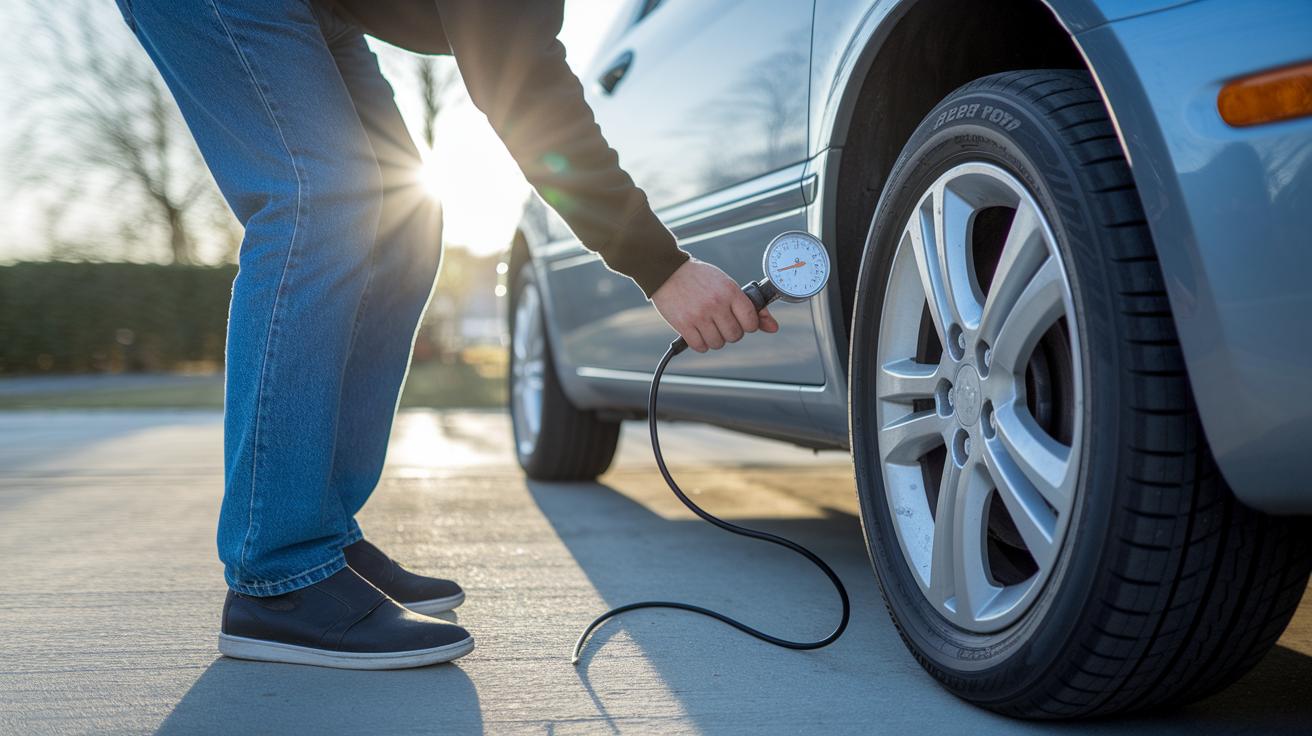
Temperature swings can really affect your tires. When it gets colder, your tires might lose about 1 to 2 psi for every 10°F drop. That means the rubber becomes stiffer and less flexible. In warm weather, pressure can go up, which can lead to overinflation and wear right at the center. These changes not only affect how the tire feels when you drive, but they also speed up the overall wear of the rubber.
If you're handy and like a do-it-yourself approach, check your tire pressure every month with a good gauge. Adjust the pressure by 2 to 3 psi if needed. Also, give your tires a quick clean to remove any salt or brake dust that could slowly wear down the rubber. Use a tread gauge (it measures the depth of the grooves on your tire) to see if the tread is getting low. When the little markers start to vanish, it’s a sign that you should start planning a replacement. Think of it like checking your fuel gauge before hitting the road, a little attention now can save you time and money later.
When it’s time for a change, follow local recommendations and pay close attention to your tread markers. If the grooves are wearing shallow during cold and wet weather, switching to winter tires is a smart move. And when warmer weather returns and the tread is still deep, summer tires will keep you moving smoothly.
Integrate Tire Maintenance into Vehicle Upkeep for Maximum Service Life

Taking care of your tires is a key part of keeping your car in top shape. When you check your tires along with routine oil changes and brake inspections, you catch wear early and avoid bigger problems later on. It’s like adding extra miles to your tires without any extra hassle.
Here are a few simple steps to follow:
- Oil change (every 3,000 to 5,000 miles) paired with a tire pressure check.
- Brake inspection with a quick, visual look at your tires.
- Tire rotation and balancing (making sure your tires spin evenly).
- An alignment check to keep everything running straight.
- Keeping a log of your tire condition, including details like PSI readings and rotation dates.
Writing down these details gives you a clear picture of how your tires are performing. A good digital gauge helps you get spot-on pressure checks, so you can spot any changes before they turn into major issues. This simple record acts like a handy guide for your next service, potentially extending your tire life by up to 25%. In truth, mixing this setup with your regular vehicle care not only saves you money but also brings the peace of mind that comes with a safe, well-maintained ride.
Final Words
In the action, we covered key tire care tips that keep your ride safe. We talked about checking tire pressure, routine rotations, proper alignments, and smart driving habits.
Each step helps maintain performance and boost tire service life. Follow these insights on how to extend tire lifespan for a smooth, reliable drive that keeps you confident on every road.
FAQ
Q: How can you extend the life of tires?
A: The methods for extending tire life include keeping proper inflation, rotating regularly, balancing, aligning, and inspecting tires monthly. This routine care helps keep wear even and safety on track.
Q: How long do tires last with low versus high mileage?
A: The tire lifespan depends on mileage and maintenance. Typically, well-used tires last between 25,000 and 70,000 miles, with lower mileage often extending life if care is taken.
Q: What are the guidelines about tire age and legal limits?
A: The tire age limit laws vary, but many recommend replacing tires around 10 years old even if they show good tread. Manufacturers like Michelin also advise keeping an eye on tire age for safety.
Q: How can a tire life calculator help me?
A: A tire life calculator uses mileage, wear, and maintenance data to estimate how long tires will last. This helps you plan replacements and maintain safe driving conditions.
Q: What is the 3% rule for tires?
A: The 3% rule for tires suggests that even a small defect or irregular wear may reduce overall tread effectiveness by about 3%, indicating when it might be time to check for replacement.
Q: Can I spray WD-40 on my tires?
A: Spraying WD-40 on tires is not advisable. It can remove protective chemicals from the rubber instead of enhancing tire longevity or appearance.
Q: Does filling tires with nitrogen really help?
A: Filling tires with nitrogen can improve pressure stability by reducing air loss over time. This steady pressure may lead to more even wear and better fuel efficiency.

