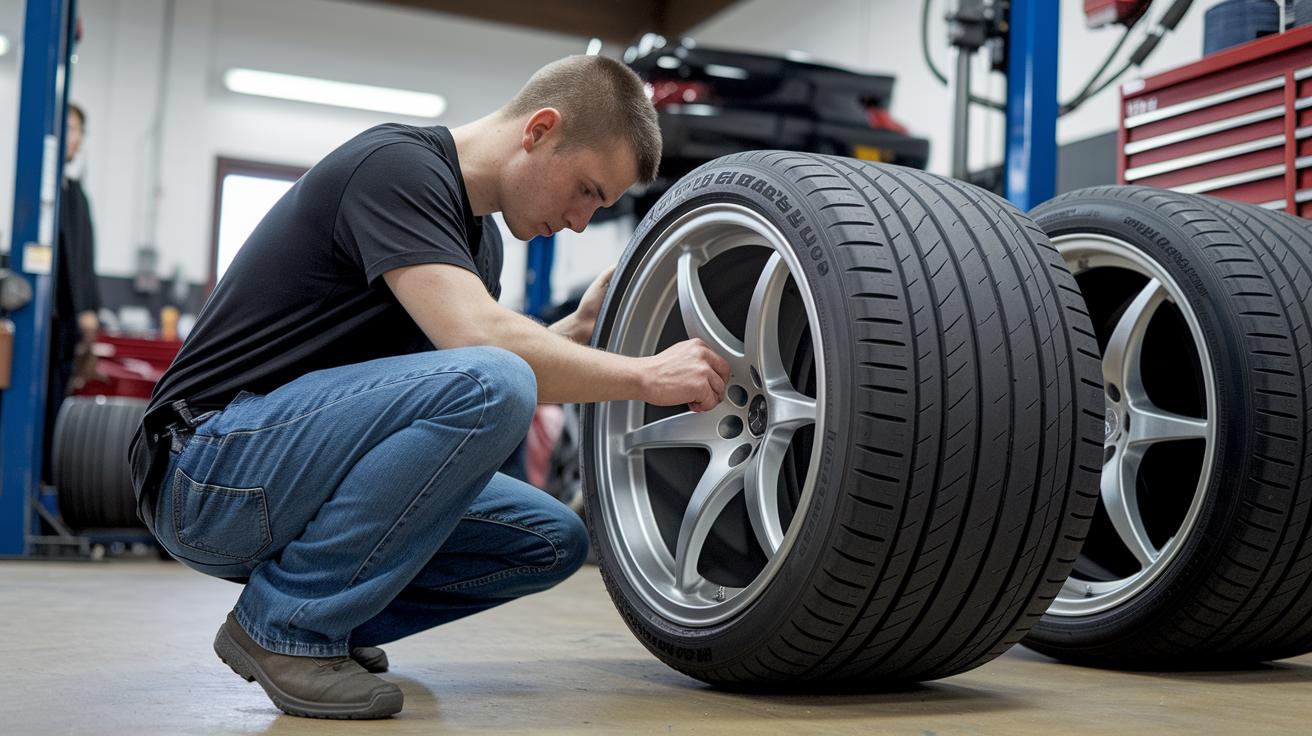


Have you ever noticed that some drivers seem to glide along the road without a hitch? It isn’t just chance; it comes down to a few smart habits. Just like checking your oil keeps your engine humming, simple tasks like checking tire pressure (the air inside your tires), rotating your tires (swapping them from one side to the other), and storing them correctly can help your high performance tires stick around longer.
In this guide, we break down these easy steps so your tires can keep doing their best work. It’s a straightforward way to get the most out of your investment while keeping every ride safe. Ready to give your tires a little extra care? Let's dive in and start rolling.
Core Maintenance Practices to Prolong High Performance Tires

Taking care of your high performance tires is easier than you might think. There are five simple steps every driver can follow.
First, keep your tire pressure just right. Under-inflated tires wear out unevenly and can lower your gas mileage. Over-inflated tires, on the other hand, make for a rough ride and can wear out the center part of the tire faster. Check your tire pressure once a month and before long trips with a trusted gauge, just like you check your oil level to keep your engine happy.
Next, remember to rotate your tires every 5,000 to 7,500 miles. Rotating tires helps them wear out evenly by balancing the effects of weight and steering. For front-wheel drive cars, a common method is swapping the front tires with the rear ones in an X-pattern.
Also, wheel alignment is very important. If your wheels are out of line, you might see uneven wear like feathering (a smoothing on one edge) or cupping (small dips along the tire). Getting your alignment checked every 10,000 miles or if your car starts to pull to one side can save you money and keep your ride smooth.
It’s wise to check your tread depth regularly. Use the penny test, if you can see Lincoln’s head in the tread, it’s time for new tires. This simple check helps make sure your tires have enough grip, especially when roads get wet.
Finally, proper storage during the off-season is key. Store your tires in a cool, dry, and dark place to avoid damage. For more details on high performance tires, visit high performance tires.
Managing Tire Pressure Effectively for High Performance Tires

Keeping your tires at the right pressure helps them perform their best, prevents uneven wear, and gives you that smooth ride you love. Try these simple steps instead of the usual spiel:
-
Every month and before long trips, use a good, accurate gauge to check your tire pressure. Think of it like checking your car’s oil before hitting the highway, it can save you from expensive fixes later.
-
Compare your measurement to the PSI number you find on the tire’s sidewall or in your owner’s manual. It works best when your tires are cold.
-
If your tires need a bit of extra air or a little release, adjust the pressure and check again. This helps keep your tires from wearing out too quickly in the center (from too much air) or on the sides (from too little).
For more easy tips on car care, go to preventative car maintenance.
Rotation and Balancing Techniques for Performance Tires

You already got the basics of tire rotation in our Core Maintenance Practices. Remember to rotate your tires every 5,000 to 7,500 miles using the patterns we recommend so they wear evenly. Now, let’s chat about tire balancing.
Balancing takes care of small weight differences in the tire and wheel combo. These little differences can cause cupping (that’s when you see tiny, uneven dips on the tire surface) and vibrations that make your ride less smooth. When your tires are balanced, you enjoy a smoother ride, steadier handling, and less tire wear. It’s sort of like tuning a musical instrument, adding a little weight here and there makes every tire spin just right.
- Fixes weight imbalances
- Stops cupping and vibrations
- Gives you a more consistent, comfy ride
When you rotate your tires, have a professional balance them too. For a precise service, check out the tire rotation service.
Alignment Strategies to Prevent Premature High Performance Tire Wear

Keeping your wheels straight isn’t just about smooth handling, it helps your tires last longer too. When your wheels aren’t aligned, you might end up with toe issues (when the front part of the tire angles in or out) or camber errors (when a tire tilts), which can lead to feathering (uneven wear on the tire edges). It’s a good idea to have your alignment checked every 10,000 miles or if you start noticing your car pulling or vibrating, just like you’d listen for any strange sounds coming from your engine.
A full four-wheel alignment resets caster, camber, and toe back to the car maker’s recommendations. Think of it as fine-tuning your car, like adjusting a guitar string so every note sounds just right. This careful adjustment helps your tires make solid contact with the road, so they wear evenly and your ride stays smooth. Having a professional check your alignment regularly is a simple step that really pays off.
Taking care of your alignment not only promotes even tire wear but also boosts fuel efficiency and overall car performance. It’s a small maintenance step that can save you a lot of money down the road while keeping every drive enjoyable.
Tread Inspection and Wear Prevention for High Performance Tires

Make it a habit to check your tread to ensure a steady grip and safe performance. Try the penny test by inserting a coin into a groove with the head side first. If you can see Lincoln’s head, it’s a sign that your tire needs replacing.
Every 1,000 miles, take a moment to examine your tires for uneven wear. Look out for cupping (small dips), feathering (one side looking smoother), or patchy spots. Also, inspect for cuts, punctures, and bits of debris that can wear your tires out faster. If you notice any damage like a small cut or trapped debris, it’s time to get professional help.
Before you head out, do a quick visual check of your tires. This simple step can catch issues early and keep your ride smooth.
Seasonal Care and Storage Routines for High Performance Tires

When the seasons change, it helps to give your tires a little extra care so they can last longer. First, wash them well to get rid of dirt, road salt, and little pieces of debris. Then, let them dry completely. This simple step keeps them safe from the harsh effects of sun rays and ozone when you store them for the off-season.
Find a cool, dry, and dark spot to store your off-season tires. Keeping them out of direct sunlight and away from moisture is like giving them a quiet retreat until they're needed again. It helps maintain the tire’s natural rubber compounds.
Every 3 to 4 months, switch your seasonal tire sets around. This rotation prevents flat spots and uneven wear, kind of like how changing your car’s oil keeps the engine happy. Make sure to mark each set so you know which ones are best for summer and which for winter.
When stacking tires, try to place them on their side or hang them up. This way, they hold their shape better and avoid pressure marks that can wear down the rubber. Think of it the same way you might organize your winter clothes, it keeps them ready to perform when the weather calls for it again.
Proactive Inspection Procedures to Sustain High Performance Tire Health
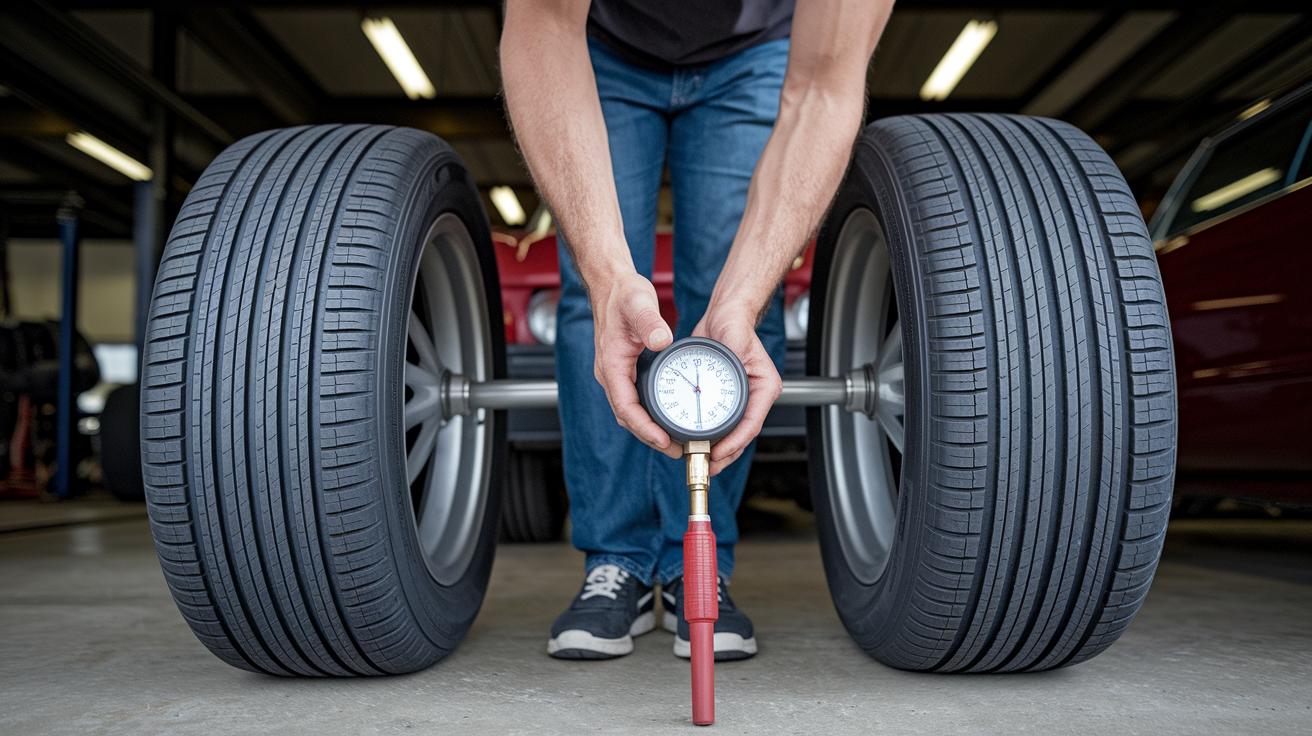
Every time you head out, take a minute to visually check your high performance tires. Look over them for any sidewall bulges, nails, or cracks that might hide a bigger issue. Even a small defect can be a clue that something’s not right, so give each tire a careful once-over. And use a PSI gauge (a tool that checks the air pressure in your tires) to make sure they’re pumped up just as the manufacturer recommends.
Then, about every six months, schedule a walk-around inspection with a professional. A skilled technician can spot tiny signs of damage or uneven wear that you might miss during your own check. Catching these weak spots early can help prevent a blowout and extend the life of your tires. Keeping up with regular inspections is an easy, effective way to stay safe on the road while enjoying a smooth ride.
Driving and Road Practices to Preserve Performance Tire Rubber

When you’re out on the road, how you drive really makes a difference for your tires. Try to avoid potholes and curbs as much as you can because hitting them can damage the tire sidewalls and cause uneven wear. Slow down on routes with a lot of debris, it’s like giving your tires a smoother ride instead of a bumpy one.
Drive gently by avoiding hard braking and rapid acceleration. Think of it like treating your tires as carefully as you’d handle something precious. Quick stops or speedy bursts force your tires to work too hard, causing them to wear out faster (tread wear means the tire’s surface wearing down faster).
Also, make sure you stick to your vehicle’s recommended load limits. Overloading puts extra strain on your tires, which not only shortens their life but can also affect how your car handles. Keeping these habits in mind not only helps your tires last longer but also makes your ride safer and your tire grip stronger every time you hit the road.
Final Words
In the action, we covered essential steps like pressure checks, rotation, alignment, tread inspections, and wise seasonal storage. These core practices give you clear guidance on how to maintain high performance tires for longevity. We also touched on everyday driving habits and quick pre-drive checks that keep your ride safe and smooth. This simple yet effective approach helps boost your tire lifespan and vehicle performance. Keep these tips in mind as you drive, and enjoy a steadier, safer experience on the road.
FAQ
Q: Why don’t tires last as long as they used to?
A: Tires today might wear faster because many use softer compounds for better grip. This change, along with varied driving habits and improper upkeep, can lead to shorter tire life.
Q: How long do different tire types last?
A: Tire lifespan depends on the type and care. Original and light truck tires often last around 60,000 to 80,000 miles, while performance tires usually last between 50,000 and 70,000 miles. Michelin tires follow similar ratings when well maintained.
Q: Why did my tires only last 30,000 miles?
A: Tires lasting only 30,000 miles may point to issues like low pressure, missed rotations, or misalignment. Improper upkeep and aggressive driving can speed up tire wear.
Q: What is the 3% rule for tires?
A: The 3% rule suggests that if tread depth decreases by more than 3% in a month, it might be time for an inspection. This quick check helps catch uneven wear before it worsens.
Q: How much tread is on new tires?
A: New tires typically have a tread depth of about 10/32 of an inch. As they wear with use, checking tread depth helps keep your tires performing well.
Q: How can I prolong the life of my tires?
A: Prolong tire life by keeping them at the right pressure, rotating them regularly, maintaining proper alignment, and checking tread depth frequently. These actions help maintain safety and performance.
Q: Do high performance tires wear out faster?
A: High performance tires may wear out quicker because their softer rubber compounds offer better grip. Regular maintenance and gentle driving can help slow down tread wear.

