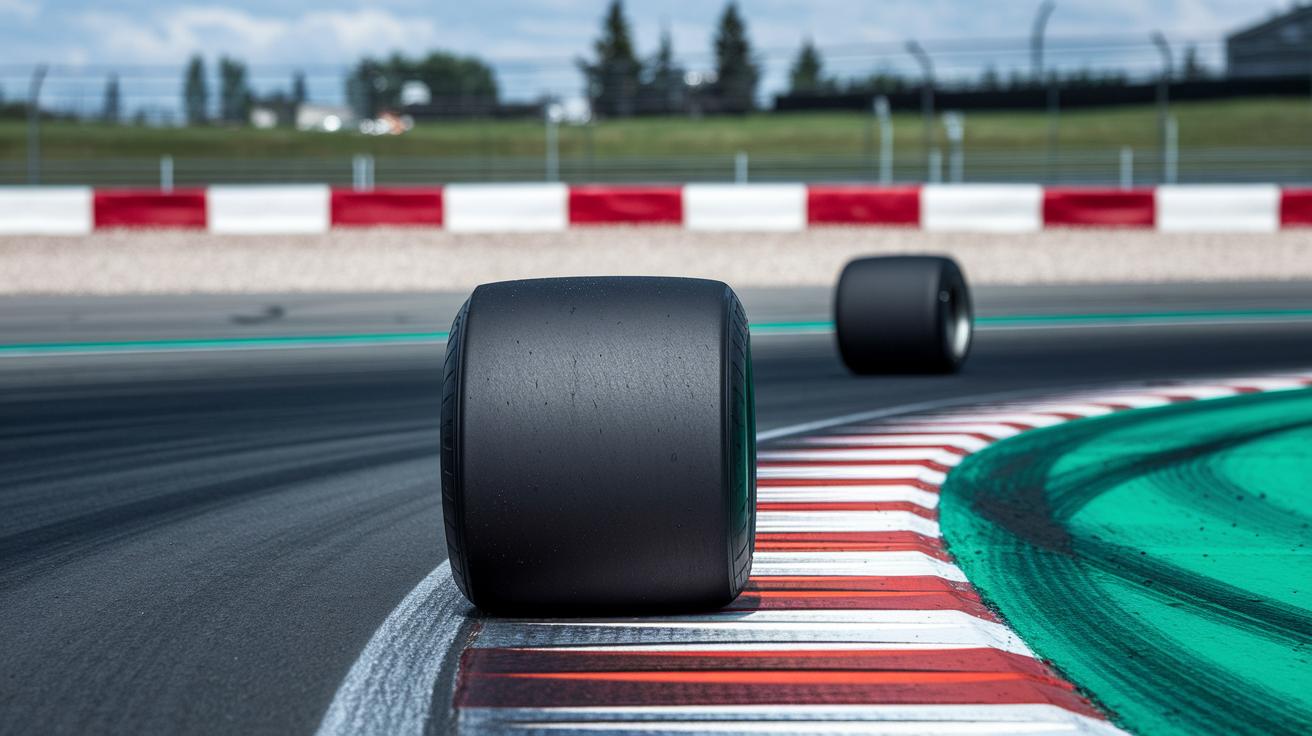


Ever wonder how sports tires can handle high speeds? It’s not magic, they use carbon black. This stuff isn’t just for making tires look dark. Mixed into the rubber, carbon black forms tiny networks that work like little steel bars in concrete to boost strength.
This key ingredient helps your tires fight wear and tear, even when you’re pushing them hard on steep roads or fast tracks. Next, we’ll show you how carbon black makes sport tires tougher, keeping your ride safe and smooth.
Carbon Black’s Role in Reinforcing Sport Tire Durability

Carbon black does a lot more than just turn tires black. It is mixed into about 70% of tires around the world and gives them a big boost in strength. When added to the rubber, it creates tiny networks that work together to make the tire much tougher, sometimes up to 10 times stronger than without it. It’s kind of like putting steel bars into concrete.
This special ingredient helps the tire resist wear from rubbing against the road. The particles are very small, about 20 to 80 nanometers, and spread evenly throughout the rubber. This even spread makes sure the tire holds up well, even when you're pushing it hard on the track or the highway.
| Benefit | What It Means |
|---|---|
| Increased tensile strength | Makes the tire up to 500–1000% stronger |
| Enhanced tear resistance | Helps the tire stay intact even when under stress |
| Superior abrasion resistance | Improves wear resistance by up to 10 times compared to unfilled rubber |
| Improved structural integrity | Gives a solid framework to withstand rough conditions |
| Better thermal stability | Keeps the tire stable under high heat during fast driving |
These benefits all work together to help sport tires last longer, even at high speeds and heavy loads. So next time you enjoy a smooth, steady ride, remember it’s thanks to the hardworking carbon black boosting your tire’s performance behind the scenes.
Impact of Carbon Black Particle Size and Surface Area on Wear Resistance
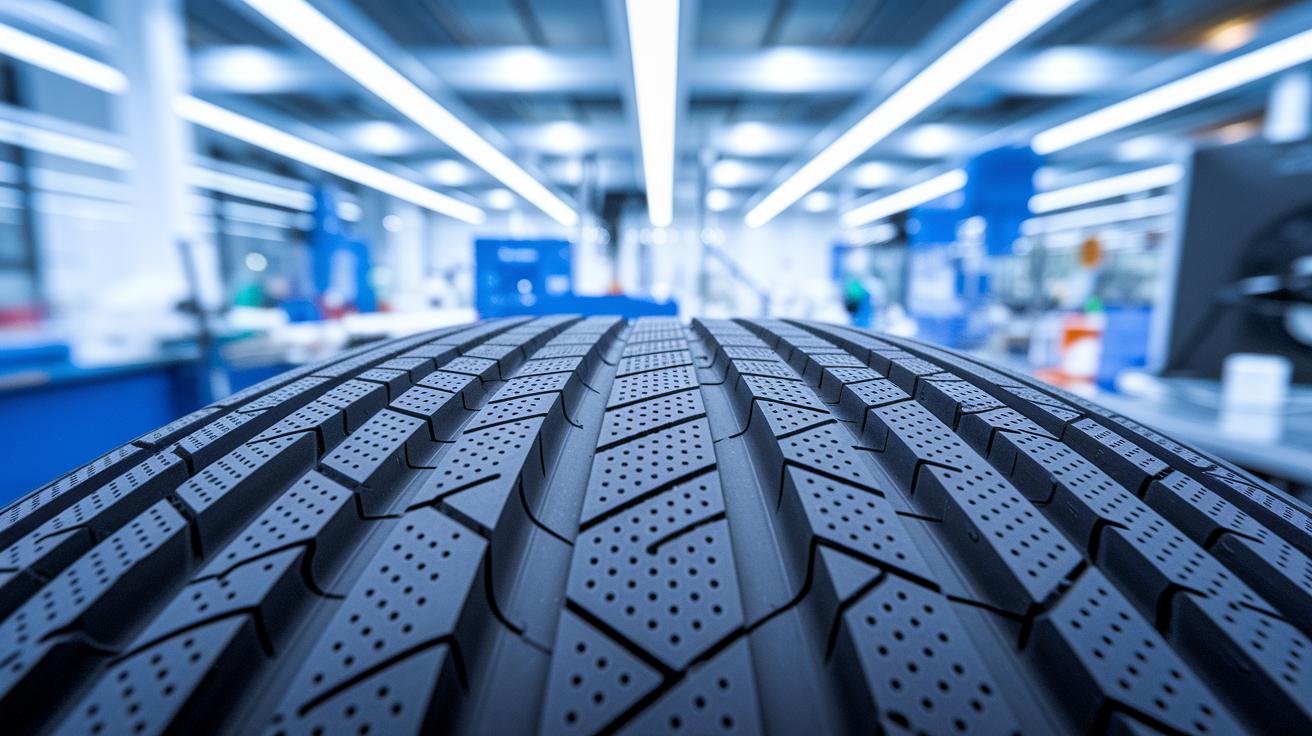
Tire makers use carbon black particles that come in different sizes – from about 20 to 80 nanometers, with surface areas ranging from 20 to 150 m²/g. Smaller particles, like those in the N110 series, offer extra surface area that helps them stick better to the rubber. This stronger bonding spreads the particles evenly throughout the tire mix. When the particles are evenly spread, they work together smoothly to protect your tires against wear, especially when driving fast or carrying heavy loads. This smooth teamwork is really important for sport tires that need to perform under tough, dynamic conditions.
| Grade | Particle Diameter (nm) | Surface Area (m²/g) | Relative Wear-Resistance Factor |
|---|---|---|---|
| N110 | 20 | 150 | Superior |
| N200 | 50 | 100 | Moderate |
| N330 | 80 | 20 | Basic |
The table above shows how tiny particles with more surface area give better wear resistance. Grades like N110 help form a strong, even network inside the rubber. This even spread keeps the carbon filler well distributed, which is key to keeping sport tires performing well even under tough, fast-driving conditions.
Thermal Stability and Heat Management in Carbon Black Reinforced Sport Tires

Carbon black is a big helper when it comes to dealing with heat in your tires. When mixed into the rubber, it makes the tire lose a bit of energy as heat (that’s what we call hysteresis, which is just a fancy way of saying energy is lost when the tire bends). If you drive fast or haul heavy loads, you might notice your tire warming up more than usual. Even though the carbon particles spread out the heat a little, they also make the tire hotter naturally, so keeping an eye on temperature is really important.
The right mix of materials and smart design are key to managing this heat. Tire makers choose special grades of carbon black with exact sizes and surfaces to help the mix spread evenly. By carefully adjusting how much carbon black they add, they can reduce too much extra heat while still making the tire strong and resistant to wear. This smart blend helps prevent the tire from aging too quickly or coming apart, so it keeps performing well even when you push your car hard.
Manufacturing and Dispersion Optimization of Carbon Black in Sport Tires

Carbon black is produced using a process called furnace black. In this process, partial combustion creates tiny carbon particles. This careful method lets the makers adjust the particle structure just right. It gives sport tire compounds the extra strength they need for a long-lasting, high-performance ride.
Fine-grinding machines help keep the carbon black’s reinforcing power intact. For example, the SCM Ultrafine Mill creates particles as fine as 5 micrometers and can work with 0.5 to 25 tons per hour. Similarly, the MTW Series Mill grinds material to a range between 30 and 325 mesh and handles 3 to 45 tons each hour. These machines make sure the filler quality stays high.
Next, smart mixing routines and advanced dispersion tools spread the carbon black evenly through the rubber. This even spread stops clumping and keeps the structure exactly as planned all through the tire. When every part of the tire gets its share of reinforcement, the tire works reliably under heavy loads and fast speeds. In truth, this careful mixing is key for sport tires to perform their best.
Comparing Carbon Black to Alternative Fillers in Sport Tire Compounds
When it's time to pick fillers for sporty tires, many manufacturers now look beyond regular carbon black. They’re considering recovered and bio-based carbon blacks (fillers made to lessen environmental harm) that help lower the overall impact. And then there’s surface-functionalized carbon black, a special kind that means you can use less filler while still keeping the tire strong. These new options mix friendly performance with a lighter footprint on our planet.
When you compare these choices with standard carbon black, each has its benefits and some challenges. Regular carbon black is well known for making tires tough, it gives them a solid grip, helps fight tears, and stops wear and tear quickly. On the green side, the recovered and bio-based kinds cut down on fossil fuel use, making them a more eco-friendly pick. Meanwhile, surface-functionalized carbon black can deliver similar strength with less material, which may reduce weight and cost. But, these newer fillers sometimes struggle to spread evenly in the rubber and haven’t yet matched the steady performance of traditional carbon black in high-performance sport tires.
Also on the horizon are next-generation nano-fillers like graphene and carbon nanotubes. They’re still in the testing phase, but they show promise in boosting tire strength and extending how long tires last. With a bit more development, these tiny fillers might help create sport tires that pack more punch while using less material, a big win for both performance and sustainability.
Evaluating Sport Tire Durability: Tests and Performance Metrics for Carbon Black Compounds
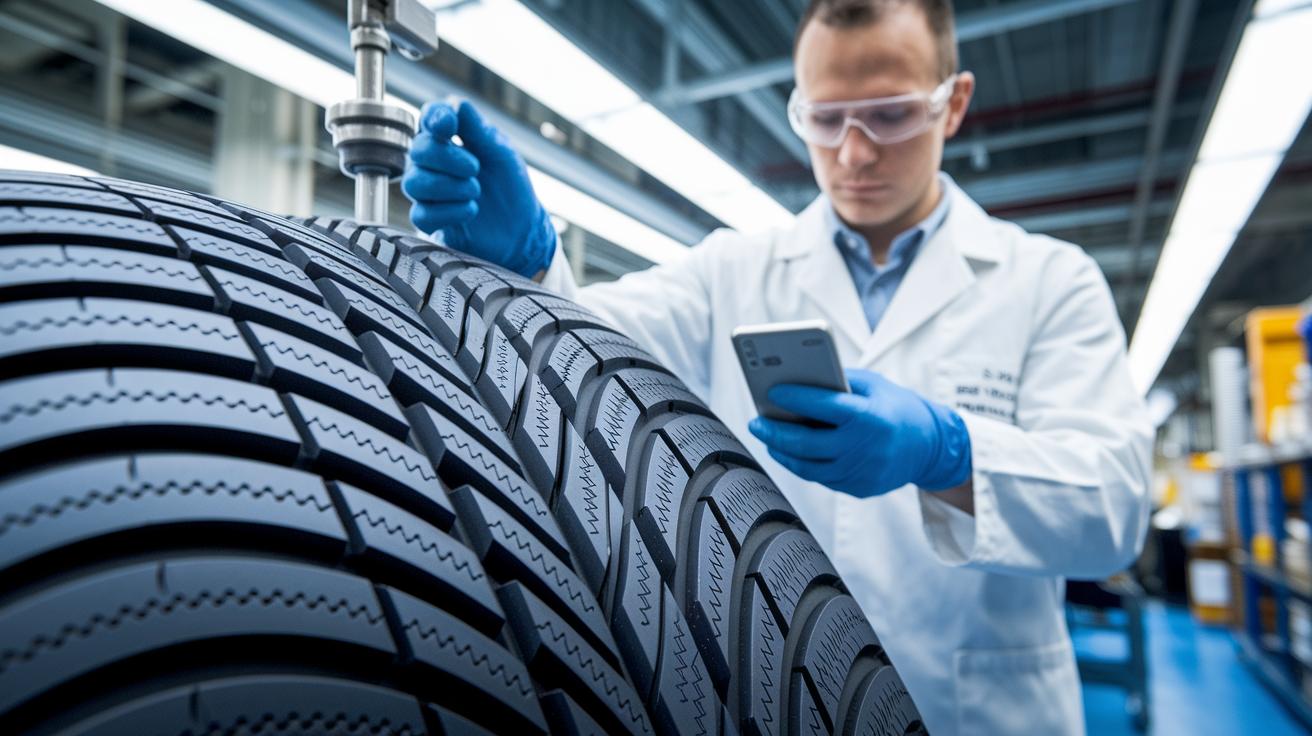
When checking out how tough these sport tires are, experts run a bunch of tests in the lab. They use simple drum tests (machines that spin to mimic road conditions), load fatigue trials, and high-speed endurance runs. These setups help show how the carbon black in the treads (a mix that makes the tire stronger) holds up under real-life pressure.
Next, they zero in on key numbers like wear rate (how fast the tire surface wears down) and crack resistance. Tests show that tires built with carbon black wear much slower, sometimes up to ten times better, than those without it. They monitor crack growth and material fatigue in easy-to-understand steps, proving that even a little boost in durability makes your ride safer and your tires last longer.
What really matters is how these lab results feel on the road. When you're driving, a tire that’s passed these tests offers better handling, lasts longer, and keeps you more confident, even during fast, spirited drives. It's like having a trusted co-pilot that helps make your drive smooth and safe every time.
Future Innovations in Carbon Black Technology for Sport Tire Longevity

Companies are trying out new bio-based and recovered carbon blacks to cut down on environmental impact while still delivering solid performance. One study even found that these greener options lower manufacturing emissions, like switching to a cleaner oil that still keeps everything running smoothly. A small trial even showed a 10% drop in overall environmental output without hurting tire durability.
Then, researchers are sharpening up surface treatments that help the fillers bond better with the rubber. Lab tests reveal that these methods create a strong microscopic link, much like tweaking a high-performance engine so every part works in harmony. This means fewer fillers are needed, yet the tire stays strong and reliable.
Finally, ongoing work with nano-fillers such as graphene and carbon nanotubes is showing real promise. Early results indicate that these tiny additions can boost the tire’s inner strength. Think of it like adding an extra link to a chain, it reinforces the whole structure without adding extra weight.
Final Words
In the action, we explored how carbon black boosts tire performance by enhancing tensile strength, tear resistance, abrasion resistance, structural stability, and heat management. Each section showed how careful selection and uniform dispersion of this filler leads to safer, longer-lasting sport tires.
Understanding the impact of carbon black on sport tire durability helps bring clarity to tire performance. With these insights, drivers can feel confident knowing that advanced manufacturing and innovative materials keep tires reliable and supportive every time they hit the road.

