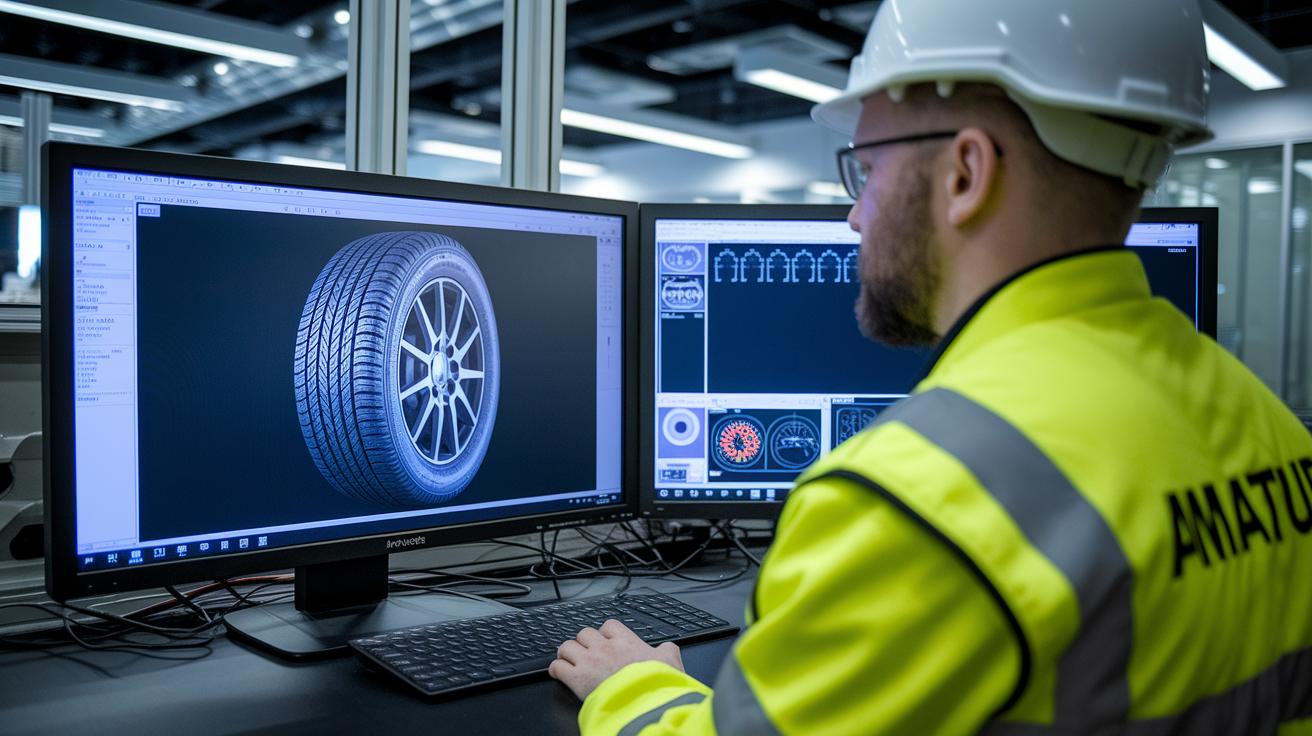


Ever wonder if our old tire tests are slowing us down? Digital simulation is shaking things up. Instead of spending weeks doing hands-on tests, engineers now use virtual models (computer programs that mimic real-world conditions) to check tires on wet roads or icy surfaces in just a few days.
This new way saves time and money while making tests more accurate. It even helps us see how a tire will handle everyday challenges like rain and snow. Let’s take a closer look at how digital simulation is steering tire testing toward a future of safer, more innovative rides.
How Digital Simulation is Transforming Tire Testing Efficiency and Accuracy

Digital simulation is shaking up tire testing, replacing many early physical tests with quick virtual ones. Engineers now use computer models to fine-tune how tires perform on wet, icy, or uneven roads, cutting down on the need for many prototypes. Fun fact: what used to take weeks of hands-on testing now happens in just a few days.
Engineers use digital modeling to predict things like how long a tire will last (its durability) or how fast its surface might wear down (tread wear). They mix in details like road shapes, temperatures, and driving styles to get a clear picture. Plus, simulations help spot how a tire handles impacts and rolling resistance, which makes for better fuel efficiency and fewer CO₂ emissions. Some tests even bring in a real driver feel through simulators, much like what Goodyear uses, so you really get the sense of how a tire will perform on the road.
Virtual tests also help reduce tire noise and boost ride comfort, super important for electric vehicles. Even if computer tests cut down the time and cost, matching them with real-world tests on benches or proving grounds is still a must. In truth, this extra step makes sure the virtual design is spot on, giving us reliable and affordable insights to gear up the next generation of tire testing.
Core Digital Simulation Processes in Tire Testing

Virtual Twin Development
Engineers start by collecting data from real driving tests. They build a digital twin (a detailed online copy) that mirrors a vehicle’s real-life features. They plug in details like car size, how weight is spread, engine power, and even the way the car’s body handles air. They also use earlier tire test results to shape this first model, much like drafting a detailed blueprint to predict how a tire will perform. Tools such as SIMULIA and AVL VSM help mix different studies, like how parts bend or how air flows, and even adjust numbers to mimic conditions on sand, mud, or snow.
Performance Parameter Calibration
Next, engineers fine-tune the tire’s features so they match what really happens on the road. They tweak how much grip the tire has, its firmness, the way it absorbs shocks (damping), and how it handles heat. They use methods like refining the mesh (the digital grid used to analyze stress) and making curves for material properties. This step is like giving the tire a thorough check-up to see how it handles tight turns, sudden stops, or long trips on slippery roads. In the end, they compare these simulation results with actual track tests to ensure everything lines up perfectly with reality.
Simulation-Driven Tire Testing Case Studies

Digital simulation has changed the way we collect and study tire performance data. Goodyear uses driver-in-the-loop simulators that let engineers check how a tire behaves on the road even before building a real one. One tester said the simulator felt just like a live, responsive ride, which helped spot problems that only show up in motion. Virtual tests now help us fine-tune tire designs with tools like SIMULIA multiphysics models (which are used to adjust the tire’s tread, the pattern on its surface, for better grip and longer wear). This method cuts the need for physical prototypes by more than 30%, saving both time and resources.
These simulations also predict up to a 10% drop in rolling resistance (the force that makes the tire slow down), which means cars can use fuel more efficiently. One engineer mentioned that when virtual tests showed lower rolling resistance, it really tied in with smoother fuel use in actual cars. And thanks to NVH modules (tools that check noise, vibration, and harshness), we see about a 5-decibel drop in cabin noise, giving drivers a noticeably quieter ride.
Virtual endurance analysis even spots weak spots or fatigue areas before they turn into real issues. By matching the virtual results with data from actual test benches, engineers can fine-tune their models with better accuracy. In one case, making changes to tread patterns using digital design tools sped up the entire calibration process. Overall, using these innovative simulation tools cuts costs, shortens test cycles, and provides reliable performance data that you can really trust.
Comparing Digital Simulation and Traditional Physical Tire Testing

Digital simulation is like taking a quicker, smoother route. It cuts down on the number of physical prototypes by 2 to 4 cycles, which means you can launch products 20 to 30% faster. Plus, you save up to 40% on testing costs since there’s less need for repeated on-track tests. It also helps reduce material waste and fuel use, making it friendlier to our environment.
Traditional physical testing, on the other hand, depends on real-world factors like changing weather and varied track conditions. These shifts can bring about unexpected results and make it tough to standardize test setups. Still, real-world tests often capture the nitty-gritty details of how a tire behaves, especially on rough or uneven roads. They can be very accurate when it comes to predicting NVH (noise, vibration, and harshness) and tread wear (how quickly a tire’s surface wears down), as long as the digital models are set up just right.
The digital approach really shines when you need to scale up and repeat tests. Manufacturers can easily tweak simulations for different tire designs, which helps them optimize the entire process. However, starting with digital simulation does require some upfront investment in special software and training. With the right benchmarking methods and standardized testing protocols, though, it’s possible to make virtual results align closely with real-life measurements.
| Metric | Digital Simulation | Traditional Physical Testing |
|---|---|---|
| Prototyping Cycles | Fewer cycles (2–4 less) | Multiple cycles needed |
| Time-to-Market | 20–30% quicker | Longer lead time |
| Testing Cost | Up to 40% lower | Higher costs |
| Environmental Impact | Minimized waste and fuel | More material and fuel use |
| Accuracy in NVH & Wear Prediction | Comparable when calibrated | Dependent on real conditions |
| Scalability & Reproducibility | Highly adaptable | Constrained by physical limits |
Digital simulation might not catch every little detail on tough terrains, but its speed, precision, and cost savings make it a really appealing option for moving tire testing into the future.
Future Trends in Digital Simulation for Tire Testing

Cloud-based simulation platforms are making teamwork easier by letting teams share computing power and swap data safely. Picture engineers working together in real time, almost like they're side by side even if they’re far apart.
Unified licensing models, like the SIMULIA token model, are changing the game. One license can cover everything, from checking how fluids move (think air or water flow) to studying tire structure, so the work gets done faster and smoother.
AI is also jumping in to speed things up. Imagine a system that adjusts tire behavior on the fly based on fresh data, almost like a smart co-pilot keeping things in check.
The rise of digital twins will soon link design, manufacturing, and real-life monitoring. This means you can see how a tire’s performance changes over time, helping catch potential issues early, kind of like checking your car’s condition before a long drive.
Driver-in-the-loop improvements are also making virtual tests feel more like real driving. This mix of cloud innovation and smart AI is one of the standout trends in auto tech right now.
Final Words
in the action, digital simulation has sped up tire testing and provided clearer insights into tire performance. With virtual tests reducing the need for multiple physical trials, engineers can fine-tune designs for better grip and quieter rides.
This article covered how simulations help optimize tread design, reduce costs, and improve fuel efficiency. The impact of digital simulation in tire testing is clear, giving every driver a boost in confidence and safety on the road.
FAQ
How does digital simulation transform tire testing efficiency and accuracy?
Digital simulation transforms tire testing by replacing early physical tests with virtual ones, which cut development cycles, save resources, and optimize tread design for improved grip and handling in various conditions.
How are virtual twins developed during tire testing?
Virtual twins are built by collecting on-road data, modeling vehicle-tire interactions, and using digital tools to recreate actual driving conditions, ensuring accurate replication of behaviors and performance.
How are performance parameters calibrated in tire simulations?
Performance parameters are calibrated through adjustments in grip, stiffness, damping, and thermal settings to mirror real-world static and dynamic loads, ensuring the simulation accurately reflects actual tire behavior.
What benefits have simulation-driven tire testing case studies shown?
Simulation-driven case studies have shown benefits like reduced physical prototypes, improved fuel efficiency through lower rolling resistance, decreased cabin noise, and early detection of fatigue hotspots before final testing.
How does digital simulation compare with traditional physical tire testing?
Digital simulation reduces prototyping cycles, shortens time-to-market, lowers testing costs, minimizes environmental impact, and offers high scalability while matching the accuracy of physical tests when properly calibrated.
What future trends are emerging in digital simulation for tire testing?
Future trends include cloud-based platforms for better collaboration, AI-driven optimization for real-time updates, and expanded digital twins linking design, manufacturing, and in-service monitoring to further enhance testing accuracy.

