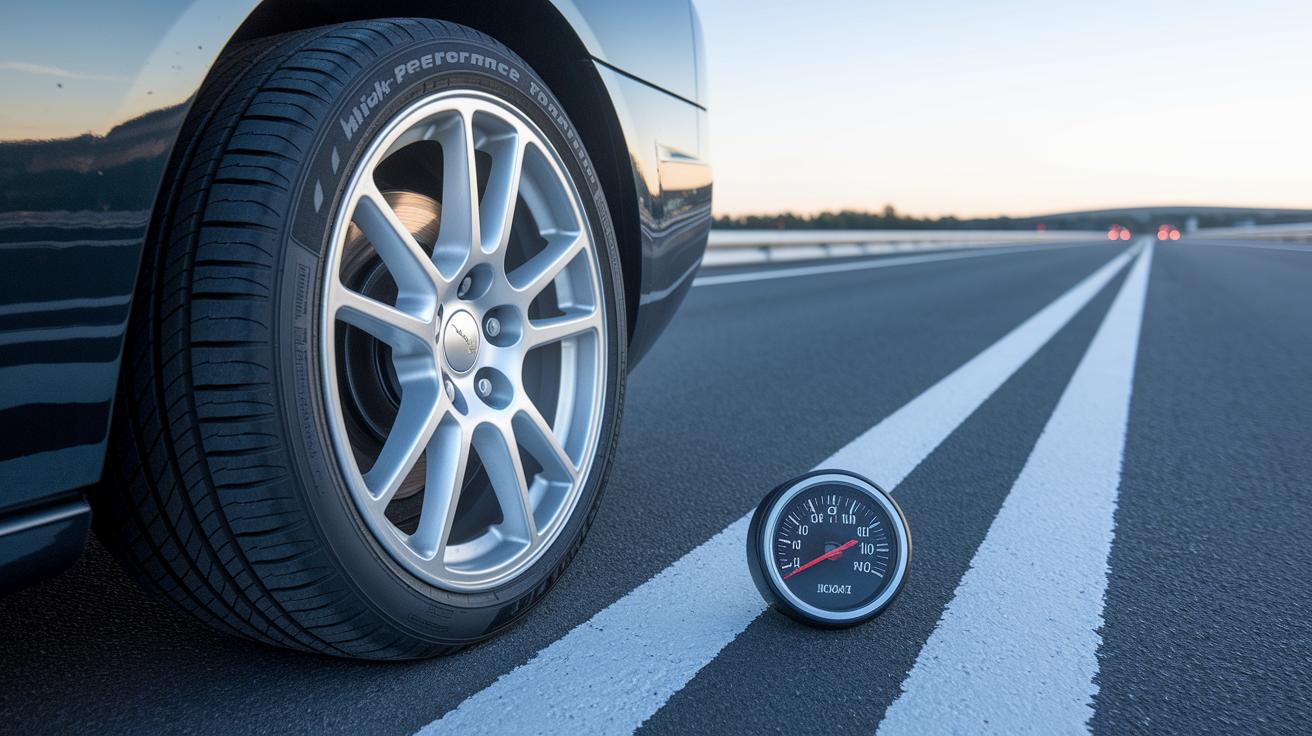


Have you ever wondered if switching to high performance tires might hit your fuel savings? The truth is, these tires use softer rubber (the kind that grips the road better) and have a wider design. In some cases, they can boost your mileage by 3 to 5 percent. But they can also add extra drag, which makes your engine work harder and can bump up fuel costs.
On the plus side, you might get better control and smoother cornering, making for a more confident drive. Sure, you pay a little more at the pump, but sometimes that extra grip makes all the difference on wet or twisty roads.
This post dives into the trade-offs between improved performance and fuel efficiency. We want to help you decide if the enhanced handling is worth the slight hit to your mileage.
High Performance Tires’ Direct Impact on Fuel Efficiency
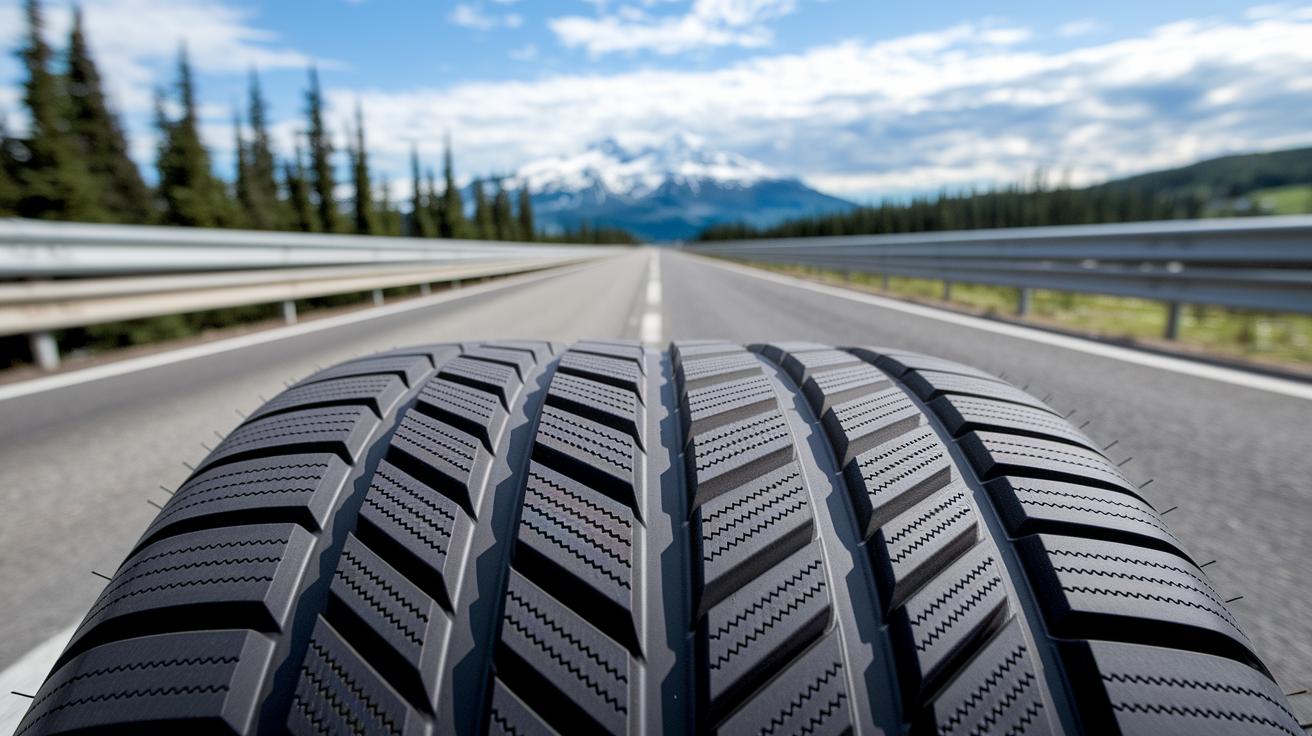
High performance tires are made with softer rubber and have a wider footprint on the road. This design helps them grip better but also creates more friction (rolling resistance, which is extra drag that makes your engine work harder). Many modern performance tires can boost your mileage by 3 to 5 percent since they waste less energy as heat. Still, there’s a trade-off; the extra friction can sometimes force your engine to work a bit harder, which might lower fuel efficiency.
These tires often feature shorter sidewalls that don’t flex as much when you take corners, offering a sharper and steadier steering feel. However, this benefit isn’t without its downsides. You might notice a bit more vibration and noise, which can slightly increase fuel consumption, especially during more aggressive driving.
Test results give us a clear picture. High performance tires might last anywhere from 25,000 to 80,000 miles, while all-season tires usually travel between 55,000 and 85,000 miles. Take the Bridgestone Potenza Sport AS, for example. It can raise fuel use by 1 to 2 percent compared to models with low-rolling resistance, but it also improves cornering grip by about 20 percent. So, you might pay a little more for fuel, but the added control could be well worth it if you value superior handling.
Both lab and road tests back up these observations. They consistently show that the way high performance tires are engineered plays a big role in fuel use, helping drivers know what to expect when choosing tires for a spirited drive.
Design and Material Innovations for Fuel Efficiency in Performance Tires

Our engineers have given tire design a whole new spin to help your car use less fuel. They now use special tread patterns with smaller grooves and a silica-rich compound (a mix that helps lower friction and push water away) to boost mpg. Fun fact: early tests showed that simply narrowing those grooves cut friction by almost 20%, leading to great fuel savings.
Low rolling resistance is another cool trick. This means the tire needs less energy to keep rolling. Techniques like fine-tuning the belt layers, adding careful small cuts (siping), and adjusting the sidewall stiffness all help keep energy loss down. For more on this, you can check out low rolling resistance tire technology (https://tityres.com?p=576). These methods ease the load on your engine during long trips.
Aerodynamic design is getting a fresh look too. By shaping the tread blocks and smoothing out the tire shoulders, designers can bump up highway mpg by as much as 2%. Better airflow around the tire means less drag and more stable driving at high speeds.
Weight really matters when it comes to fuel economy. Thanks to high-modulus polymers and carbon-fiber reinforcements (materials that make things lighter without losing strength), tire mass is cut by 5-10%. This means your vehicle uses less energy, making for a smoother ride.
There’s also exciting work with renewable rubber and bio-oil additives. Using these eco-friendly materials, engineers have created blends that can improve fuel efficiency by up to 8% while still giving the tire a strong grip on the road. Imagine a tire that not only holds the road well but also saves you money at the pump.
| Innovation | Fuel Efficiency Benefit |
|---|---|
| Optimized Tread Patterns | Less friction and better water push |
| Low Rolling Resistance | Less energy waste |
| Aerodynamic Profiling | Up to 2% boost in highway mpg |
| Lightweight Materials | Lower tire mass by 5-10% |
| Renewable Compounds | Up to 8% better fuel economy |
These breakthroughs in tire design show how engineers blend smart performance with better fuel economy, making every drive more efficient and fun.
Comparative Fuel Consumption: High Performance vs Standard Tires

High performance tires give you excellent grip and quick response, but they usually use a bit more fuel. When you drive hard, your fuel use can go up by about 3-7% compared to tires that are made to roll easier (low rolling resistance models). When you drive at normal speeds, the increase is closer to 1-2%.
Recent lab work shows that a performance tire uses about 4.2 kWh for every 100 km. In comparison, a low rolling resistance tire uses roughly 3.9 kWh per 100 km. For instance, the Bridgestone Potenza Sport AS tire uses about 1-2% more fuel but gives you a 20% boost in cornering grip.
Treadwear ratings also help explain things. Performance all-season tires often get ratings between 50 and 85. Standard tires score between 55 and 85. Lower numbers mean the tire has a design that focuses on handling rather than lasting longer, which can use more energy.
For more details on these fuel usage differences, check out the differences between high performance and standard tires.
Real-World Testing Data on Performance Tire Fuel Economy
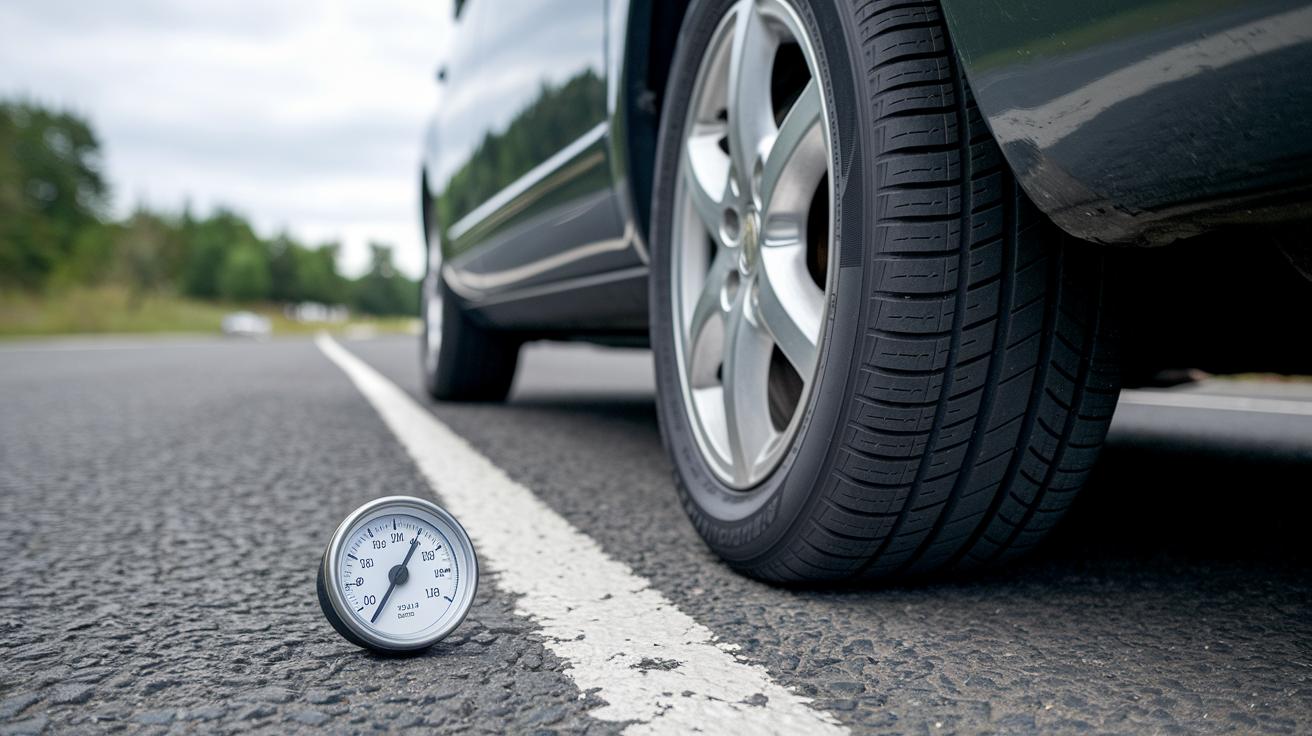
Fleet tests have shown that performance tires can make a real difference. One study found that drivers picked up about 1.8 extra miles per gallon over 10,000 miles when using tires with low rolling resistance (tires designed to cut down on energy loss) compared to older setups. It’s cool how small changes can add up to big fuel savings.
Then, in lab tests where cars were run at speeds between 20 and 100 mph, researchers saw that these tires used around 0.3 to 0.5 kilowatt hours less energy per 100 km. Picture checking your car’s numbers and seeing a steady, reliable performance, just like a well-tuned speedometer. These results show that everyday reliability really does matter.
On the highway, real-world studies discovered that swapping out regular tires for optimized performance ones can cut fuel consumption by up to 4%. One study put it simply: switching to these tires is like giving your engine a light tune-up, helping it run more efficiently on long, steady drives.
And here’s something else interesting: track tests at temperatures above 85°F show that fuel efficiency drops by about 1% for every 10°F increase. This tells us that temperature can affect tire performance, so it’s good to keep an eye on it when planning your drive.
Balancing Performance and Fuel Efficiency: Trade-Offs in Tire Choice
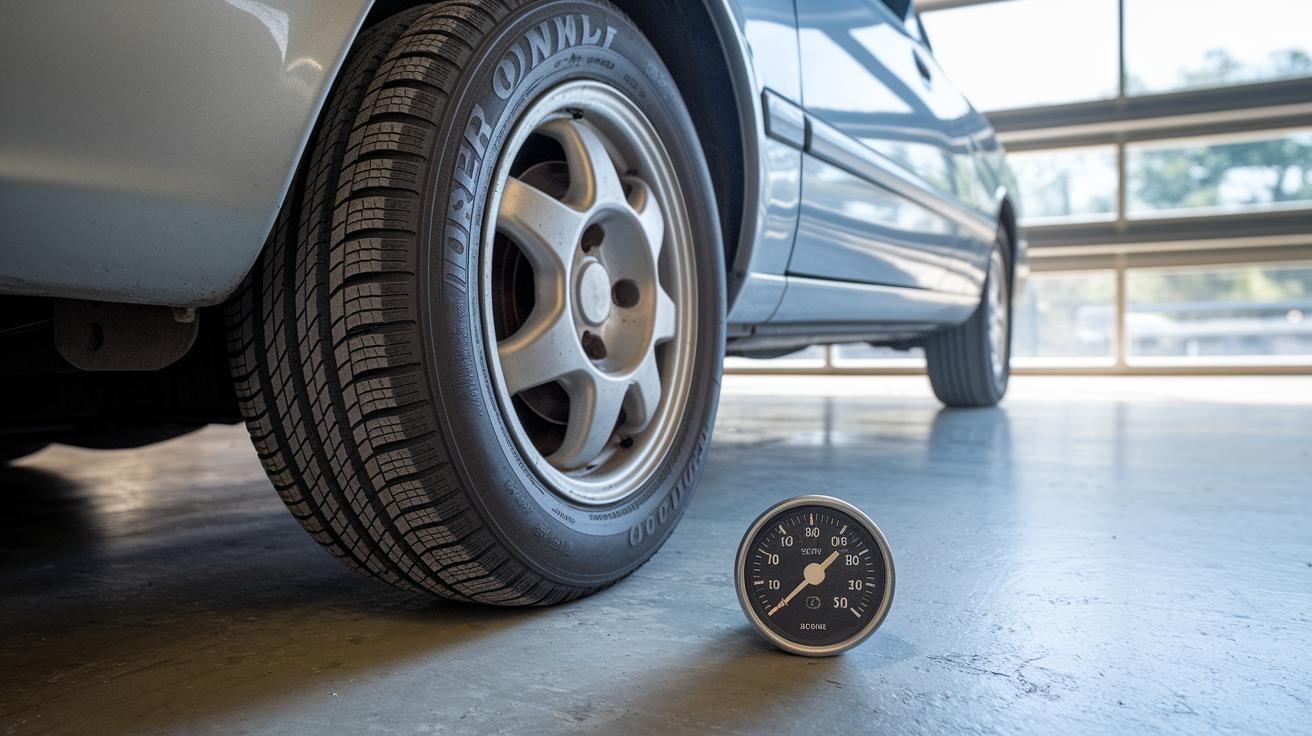
Ever notice how a little tire wear can make your car work harder? When your tires wear unevenly, your car ends up using about 2 to 3% more fuel. It’s like riding a bike with a wonky chain, you feel the extra drag every time you pedal.
Now, think about the difference between track-tuned and touring tires. Track-tuned tires, like the Bridgestone Potenza Sport, might drop your miles per gallon by 1 to 2 when compared to touring tires. On the flip side, a touring tire with even tread blocks can boost your fuel efficiency by around 1.5% while still keeping a nice, responsive feel when you steer.
Here’s a striking fact: a car with uneven tire wear can end up using up to 3% more fuel, much like that misaligned bike chain that makes every pedal stroke tougher.
| Attribute | Impact |
|---|---|
| Uneven Tire Wear | +2–3% fuel consumption |
| Track-Tuned vs Touring Tires | 1–2 mpg reduction vs 1.5% fuel savings |
Small differences in tire wear and design can really add up over time, affecting your fuel use more than you might think. Keeping an eye on your tire condition can help make your drive smoother and more fuel-efficient.
Maintenance Practices to Optimize Fuel Efficiency of High Performance Tires
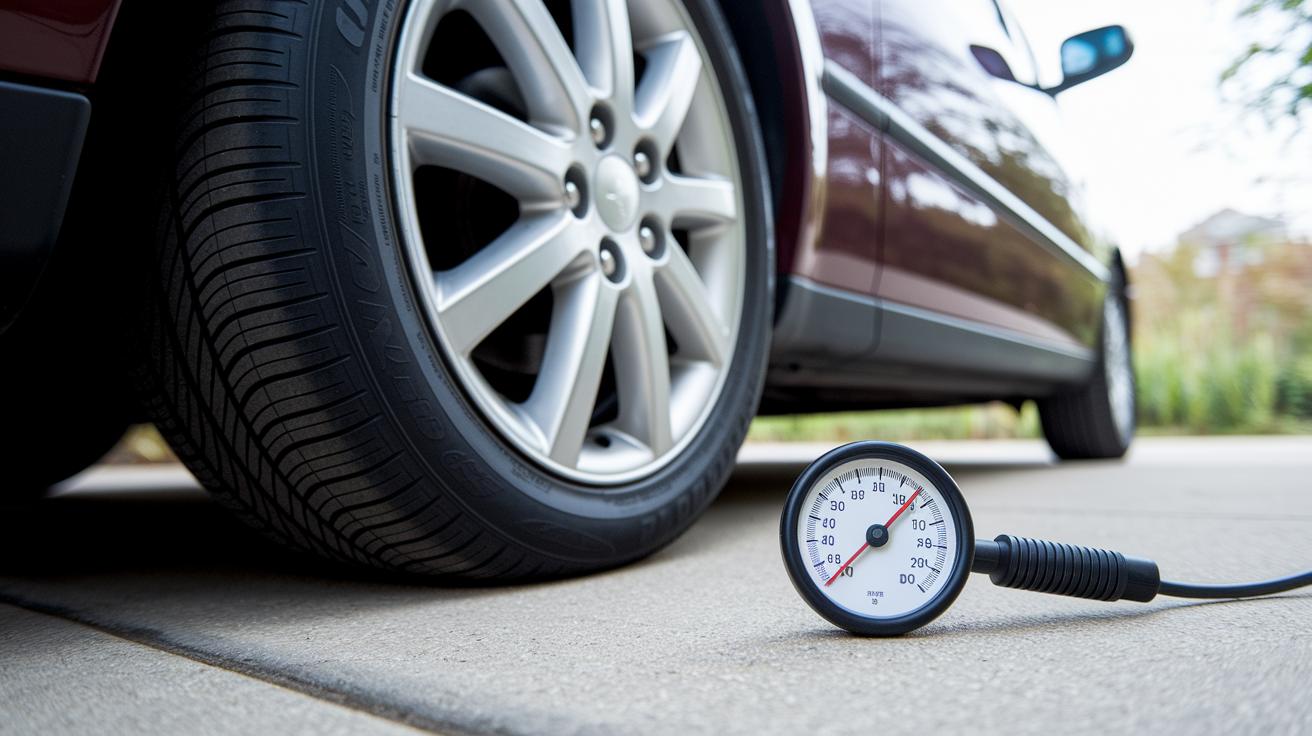
Keeping your tires in shape is like giving your car a little boost when it comes to saving fuel. One smart tip is to check your tire pressure regularly. Try to keep it within about 2 psi of what the maker suggests, and you could save up to 3% on fuel. Think about it like glancing at your fuel gauge before a long drive.
Next, make tire rotation a habit. Rotating your tires every 5,000 to 7,000 miles keeps them wearing evenly. This means every tire stays grippy on the road and uses energy more efficiently. It’s similar to giving your tires a fair shot at doing their job without any one tire working too hard.
Also, proper wheel alignment is key. Keeping your alignment close, within about 0.1° of being straight, helps prevent the tires from rubbing against the road. This small tweak can protect up to 2% of your fuel efficiency. It’s like fine-tuning your car’s balance to keep things running smoothly.
Don’t forget temperature, either. Cold weather can lower the tire’s effectiveness by around 1.2% for every 10°F drop, while high heat over 95°F can increase resistance by about 0.7%. So, it pays to check in on your tires as the seasons change. Even small adjustments in pressure, rotation, and alignment can make a real difference in saving fuel.
Final Words
In the action, we took a close look at how performance tire design and smart maintenance can help you save on fuel. We broke down data and real-world tests, compared tire types, and talked up how proper upkeep is key.
Every tip here highlights the impact of high performance tires on fuel efficiency, showing that smart tire choices can boost both safety and savings. Keep your tires in top shape and enjoy a smooth drive.

