


Ever wondered if switching to bigger rims really boosts your car’s grip or just adds extra weight? Some drivers say that larger rims help keep your tires closer to the road, which can give you better control on tight turns. But others notice that the ride can feel a bit harsher when you hit potholes or bumps.
In this guide, we take a look at how different rim sizes can change your driving experience. It’s all about finding that perfect balance between a sporty feel and everyday comfort. We break it down in simple, everyday language so you can easily decide what works best for your ride.
How Rim Size Shapes Sport Tire Performance Metrics

Larger rims give your tires more room to meet the road. This means better grip and a steadier feel when you take sharp turns. One racer once said that when he switched to rims with a bigger diameter, his car felt almost glued to the track in corners. But there’s a catch. All that extra rotating weight can make your ride feel a bit tougher over bumps and potholes.
Smaller rims, on the other hand, usually deliver a smoother trip and can help your gas mileage since they’re lighter. Think of it like trading a heavy suitcase for a lighter one, you don’t have to work as hard to move it. Still, if the rims get too small, the tires might struggle to hold on tight, especially when you drive hard and the load shifts around.
When you swap in aftermarket wheels, you really feel the change. A larger rim can boost your car’s cornering power, but it might also make the suspension work overtime to soak up every little bump. It’s a bit like trying to balance a race car’s quickness with the cozy feel of your everyday drive.
In short, choosing the right rim size means weighing sporty performance against a ride that’s smooth and comfy on any road.
Rim Diameter Effects on Grip: Contact Patch and Tire Deformation
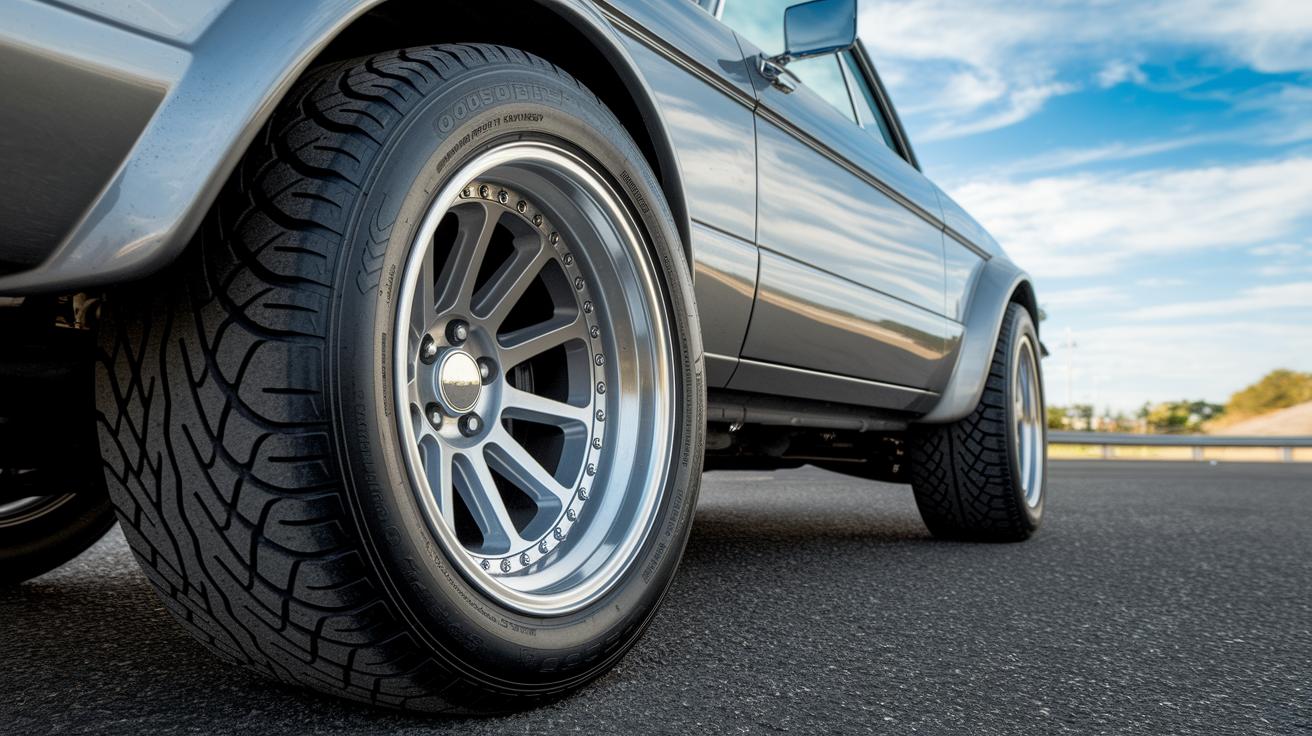
When you fit bigger rims with wider tires, the part of the tire touching the road grows larger. It's a bit like using a paint roller that covers more of a wall, giving you a smooth, even layer. This extra contact helps your car stick better to the road, keeping it firmly in place during tight turns.
With larger rims come tires that have shorter sides. These low-profile tires don’t bend as much when you drive hard, which gives you quicker, more precise steering, kind of like swapping a soft, bouncy seat for one that holds you tight in sharp turns. But keep in mind that their stiffness means they heat up faster and can wear out sooner on rough, uneven roads.
Research shows that even though the larger contact patch boosts grip, the mix of shorter sidewalls and increased resistance can make tires follow the grooves of worn roads. In other words, while a stiffer tire might help with cornering, it can also lead to problems with heat buildup and premature wear.
Finding the perfect balance between a wide contact area and enough flexibility to resist deformation is key to top-notch performance in sport tires.
Impact of Rim Size on Handling: Steering Response and Cornering Balance

When you boost your rim size, the tire’s sidewall gets shorter, which gives you a crisper steering feel and immediate feedback like a direct conversation with the road. It’s a bit like switching from a soft, cushioned ride to one where your hands really feel the road’s texture.
Bigger, heavier wheels can help your car feel steadier when you take a sharp turn. That extra weight gives you extra confidence. But here’s the catch, heavier rims make the unsprung mass (the parts of your car not cushioned by the suspension) go up, which can slow down how quickly your steering reacts. Imagine trying to turn a wheel that’s a bit heavier than usual; it might not pivot as fast, sometimes causing understeer on high-speed curves.
For example, one racer explained, “Bumping up to a larger rim makes my steering super responsive, but I have to tweak my throttle to avoid that heavy, mid-corner lag.” It’s all about balancing the excitement of sharper turning with the slight lag in feedback.
In truth, getting the best cornering balance means you need to weigh these pros and cons. Some drivers even choose a rim size just one step up from stock to enjoy better turn-in feel without losing too much steering precision. So, a little attention to these details can keep your driving both thrilling and safe.
Sidewall Curvature and Ride Comfort: Balancing Rim Size Trade-Offs

Your tire’s sidewall curve plays a big part in how smooth your ride feels. Tires with taller sidewalls can bend more when you hit a bump, which helps ease the shock by about 20% compared to tires with a shorter sidewall. Imagine a tire with a sidewall that’s 30% higher, it makes the ride noticeably softer, even on rough roads.
When you choose larger rims, you usually need tires with shorter sidewalls. This means you might feel every little bump along the way. On the other hand, smaller rims work well with a taller, curvier tire. These tires give you extra cushioning that soaks up bumps, keeping your ride smoother without messing up the way your car handles.
Acceleration and Braking: Rim Size Influence on Inertia and Brake Clearance
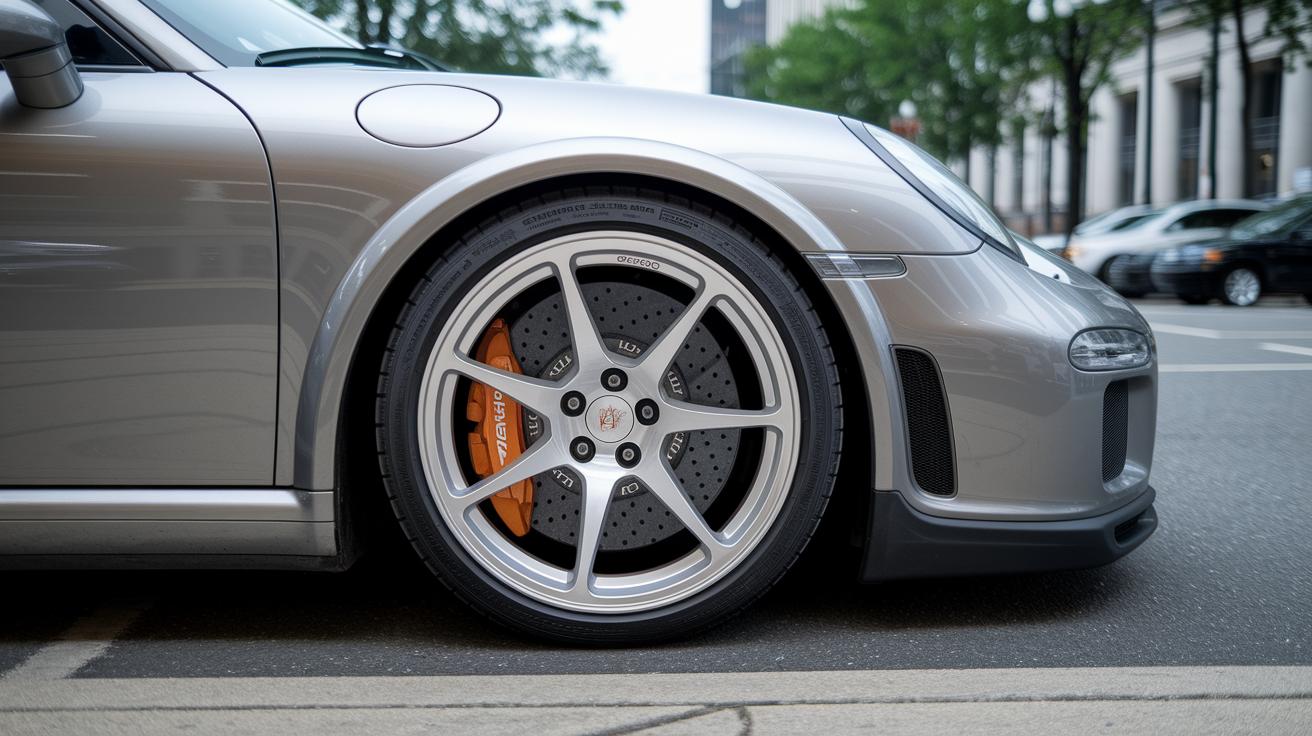
Bigger rims mean extra weight spinning around, which makes it tougher for the engine to take off quickly. Picture it like trying to pedal a bike loaded with extra bags – every turn needs more effort. This extra weight adds rotational inertia (how hard it is to get something spinning), so you might notice a slower start when trying to hit that 0–60 mph mark.
On the bright side, larger rims usually give you more room for upgraded brakes. They can fit bigger brake rotors and calipers, which help keep your brakes cooler during heavy use. One driver even said that after switching to larger rims, his brakes stayed cool and powerful on a long downhill stretch. This careful design means your brakes work steadily even after repeated hard stops.
Keeping your tire diameter close to the original size is key. Straying too far from it can mess up your gear ratios and even affect how your ABS (Anti-lock Braking System, a safety feature that stops your wheels from locking up) works. Engineers spend a lot of time finding the perfect balance between lighter wheels for quick starts and enough space for stronger brakes.
In the end, choosing the right rim size is all about balancing faster acceleration with safe, steady stopping power.
Choosing the Right Rim Size for Sport Tires: Practical Guidelines

When you're choosing rims for your sport tires, a good tip is to stick close to your car's original tire size. This helps keep your ride comfy and avoids adding too much extra weight. I once heard a driver say, "Using a rim just one size smaller than stock made my daily drive feel much smoother."
For everyday drivers, going with the same size or just one notch smaller is a smart move to keep that cushioned feel without losing tire performance. But if you're all about the thrill of the track, you might consider a larger rim. Bigger rims let you use tire materials that offer extra grip and work well with bigger brakes. Just remember to check the weight limits and the tire's sidewall strength.
Here are a few simple steps to help you decide:
- Look up your car's original tire size as a guide.
- Think about whether you mainly do everyday driving or if you hit the track.
- Balance the need for extra brake space with the impact of extra weight.
For more details on matching rims and tires the right way, check out Understanding High Performance Tire Sizing and Fitment. Adjust your choice based on your driving style, and you'll be all set for the best performance out there!
Final Words
In the action, we explored how rim size plays a key role in sport tire performance. We touched on how bigger rims can boost grip while changing the ride's feel. We talked about steering response, tire contact, and even braking efficiency. Each part helps paint a clear picture of the impact of rim size on sport tire performance. With smart choices and expert tips, you can stay safe on the road and enjoy the smooth confidence that comes with well-matched tires and rims.
FAQ
What impact does rim size have on sport tire performance?
The rim size influences handling and grip by changing the tire’s contact patch and sidewall curvature. This adjustment can improve steering response but may make the ride firmer.
Do bigger wheels affect speed?
Bigger wheels add weight and rotational mass, which can subtly slow acceleration and top speed when compared to lighter, smaller wheels.
How does the ride quality compare between 16-inch and 18-inch wheels?
The ride quality of 16-inch wheels is typically smoother due to taller sidewalls absorbing bumps, while 18-inch wheels offer crisper handling at the cost of some comfort.
How does rim size affect overall car performance?
Rim size changes impact performance by altering unsprung weight and tire deformation, which influences acceleration, braking, and handling, making proper sizing essential for balanced performance.
Does rim size affect fuel consumption?
Yes, larger rims add extra weight and rolling resistance, which can reduce fuel efficiency, while smaller rims generally help improve fuel economy.
What’s the difference between bigger rims and bigger tires?
Bigger rims usually require lower-profile tires that offer sharper handling but transmit more road imperfections, while bigger tires maintain taller sidewalls for a more cushioned ride.
What is a wheel size calculator used for?
A wheel size calculator helps match aftermarket wheel options with original equipment standards, ensuring the right tire diameter for accurate speedometer readings and performance.
How does wheel size affect the speedometer reading?
Changing the wheel size alters the tire circumference, which can mislead the speedometer if not recalibrated, generally showing a lower speed with larger wheels.
What is the 3% rule for tires?
The 3% rule means the overall tire diameter should stay within 3% of the original size, maintaining proper handling, accurate gearing, and performance.
What rim size is best for performance?
The ideal rim size often stays within one size of the OEM wheels, striking a balance between improved grip, brake fitment, and ride comfort for both daily driving and aggressive use.
How do bigger rims affect acceleration?
Bigger rims increase rotational inertia, requiring more engine power to spin, which can slightly reduce acceleration performance.

