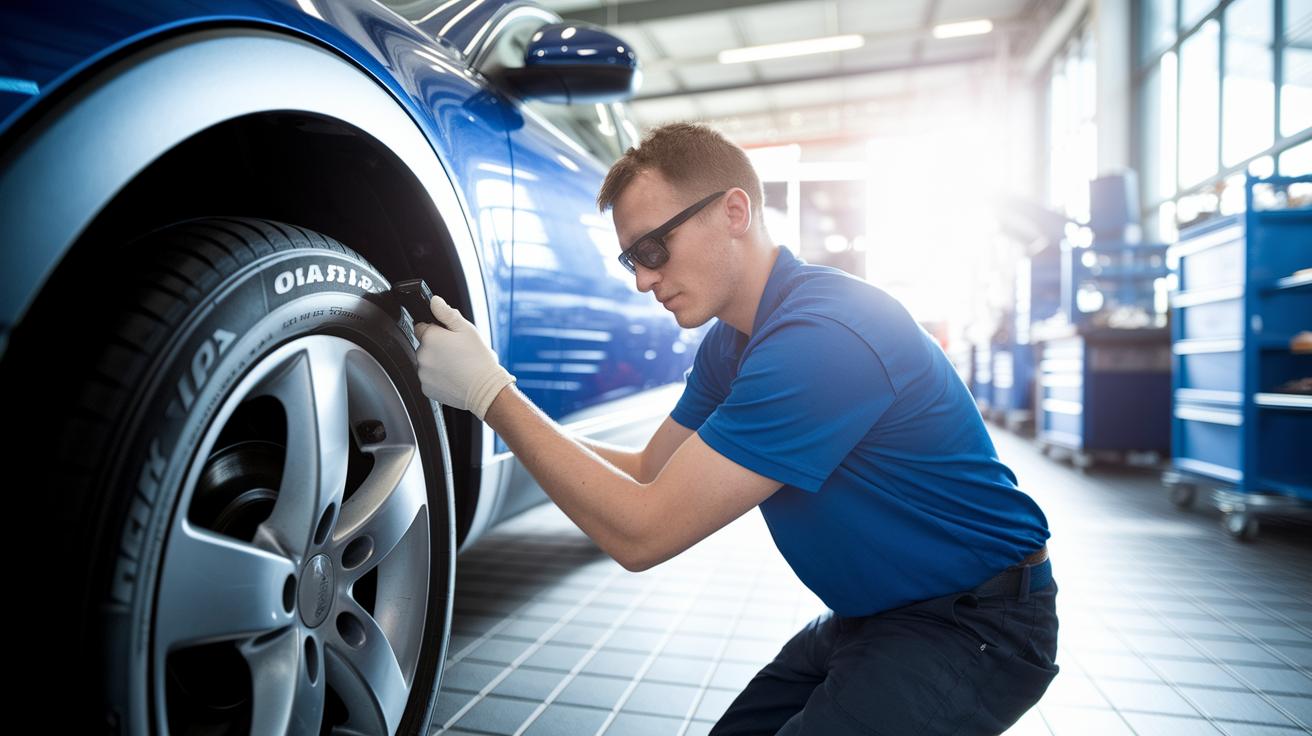


Have you ever thought your tires might give you a heads-up before a big repair bill comes along? Imagine little sensors in your tires checking the pressure, temperature, and how fast the surface wears down (that’s what we mean by "tread wear"). These smart tires keep an eye on things in real time so you can catch small problems before they turn into costly repairs.
This means less money spent on maintenance and fewer stops during your drive. In this post, we'll explain how switching to smart tires can lower your overall vehicle repair costs while keeping your ride smooth and safe.
How Smart Tire Technology Reduces Vehicle Maintenance Costs
Smart tires use little sensors that check tire pressure, temperature, tread wear (how fast the tire surface wears down), and road grip every few seconds. One sensor, the MLX91805, even uses an 800g XZ-axis accelerometer (a tool that measures movement) and takes readings up to 10,000 times per second. This smart checking helps spot problems early, before they turn into big, expensive issues. If you’re curious about more details, you can look up “What Are Smart Tires and How Do They Work.”
These real-time readings give drivers and fleet managers quick ideas on saving money. When the tires aren’t pumped up enough, wear out unevenly, or get too hot, alerts pop up so you can make changes right away. This simple fix keeps your fuel economy high and stops costly repairs from happening. Instead of waiting for a breakdown, you only do maintenance when it’s really needed.
- Fuel savings from early warnings about low tire pressure, which help your car run better.
- Fewer tire changes since real-time tread data guides you to repair or fix issues on time.
- Reduced breakdowns because potential problems are seen before they become serious.
- Better repair planning with alerts that match what your tire actually needs.
By mixing smart tire checks with tech-based upkeep, drivers can cut downtime and keep costs low. It turns tire care into a proactive, smooth process that makes every drive safer and more efficient.
Smart Tires vs Traditional Tires: Maintenance Cost Comparison
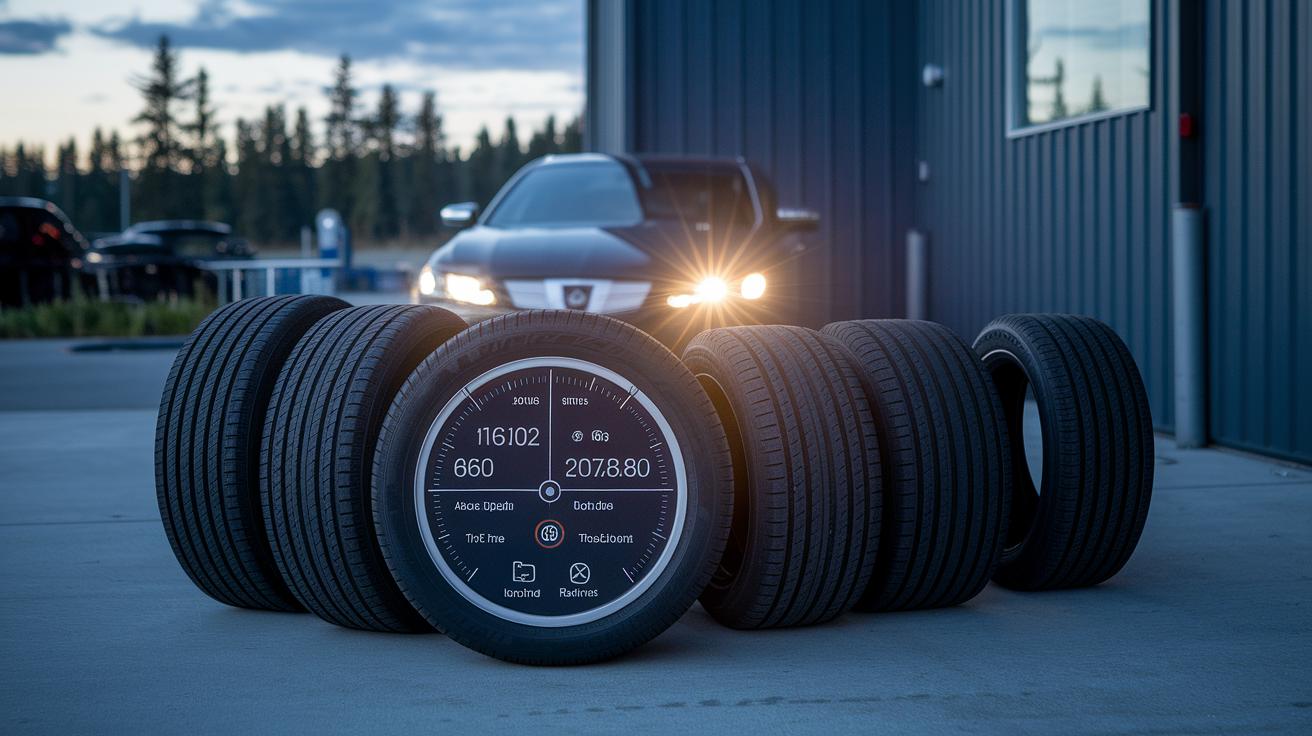
Smart tires and regular tires don't cost the same when it comes to keeping them in good shape. Regular tires use a basic system to check tire pressure, while smart tires watch over more details like temperature and how fast the tire surface wears away (tread wear). This extra info can help boost fuel efficiency and help your tires last longer, even if they cost more at first.
When you look at the costs up front versus later on, self-healing smart tires, those that can fix about 90% of small punctures, might seem pricey, costing about three times as much as regular tires. But with smart tires, you get extra data that warns you early so you avoid breakdowns and repeated fixes. For example, driving with tires below 75% of the recommended air pressure can drop fuel efficiency by 2-3%, and even more if the pressure dips to 50%. In truth, keeping an eye on your tires can save you money in the long run. For more details on how these systems differ, check out “Smart Tires vs Traditional Tires: Performance Comparison” at https://tityres.com?p=2604.
| System Type | Upfront Cost Factor | Expected Lifespan | Estimated Cost Savings |
|---|---|---|---|
| Standard Tires | Low | Moderate | Minimal, mainly from basic inflation checks |
| Smart Tires | Moderate to High | High | Moderate, thanks to real-time maintenance alerts |
| Self-Healing Smart Tires | High | High | Significant, because of fewer repairs and timely care |
Smart tires save you money mainly by cutting down on emergency repairs, improving fuel efficiency, and timing service stops just right. Even though they cost more at first, their long-term savings can really add up, making them a smart choice for drivers who want to reduce overall car expenses.
Embedded Sensors and Predictive Analytics in Smart Tires

Smart sensors in your tires work all the time. They check important details like air pressure, temperature, tread wear (that is, how fast the tire surface wears down) and road grip every 4 or 5 seconds. With the MLX91805 sensor and its 800g XZ-axis accelerometer, data is gathered up to 10,000 times a second and sent over Bluetooth to your car’s system or even your phone. This nonstop stream of information helps your car know the condition of its tires almost instantly.
Sensor Modules and Data Acquisition
Inside each smart tire, there’s more than just a pressure check. The advanced accelerometer collects clear, high-resolution data that picks up tiny changes as the tire moves. This data is sent wirelessly, which means your car gets a steady flow of updates about how each tire is performing. Imagine your car having a little chat with its tires, letting you know when it might need a look-over.
Predictive Wear Forecasting Models
Machine learning tools take all this data and use it to predict when your tire’s tread might wear down too much. They study patterns from each tire turn to give you a heads up before any serious wear happens. For example, if the system sees that the tread is wearing faster than normal, it can warn you early. This way, you know when to replace a tire and avoid costly repairs later.
Integration with Vehicle Diagnostics
The tire sensor data also works with your car’s diagnostic system. When the computer spots a warning sign, like overheating or uneven tread wear, it sends a maintenance alert right away. This means tire information becomes part of your overall car health check. You can then plan repairs during routine service visits instead of waiting for an emergency. With this smart approach, tire care moves from unexpected breakdowns to scheduled maintenance, making your rides smoother and safer.
Smart Tire Data Integration with Vehicle Systems
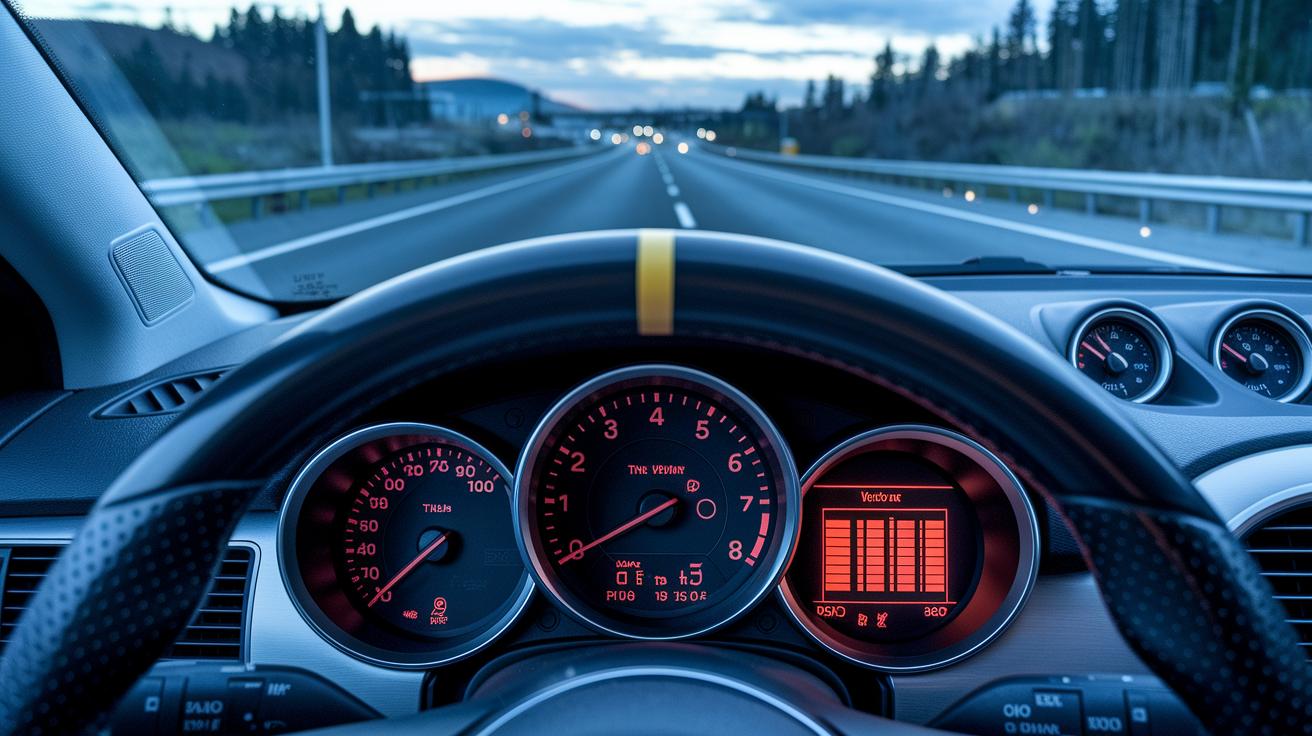
Smart tire data integration is a modern way to keep your car in top shape. Tiny sensors in your tires check important stuff like pressure, heat, and even how fast the tire surface wears out (tread wear) every few seconds. They send this info straight to your car’s computer, so you always know when your tires need some attention.
This sensor data flows directly into your car’s main computer system, working with other digital diagnostic tools. For example, Goodyear’s SightLine technology creates a constant feedback loop that helps improve diagnostics by giving real-time updates on how your tires are doing. This information is then sorted and refined by connected car platforms, making it easier to understand your tire performance. In simple terms, this smart setup makes sure your tires and overall car performance are closely in tune with each other.
Also, having smart tire data stream in all the time helps with remote checks and planning fixes ahead of time. With alerts popping up on your dashboard or phone, you and your service center can fix problems before they get worse, trimming down unexpected repairs. Best of all, these smart monitors improve energy efficiency, which is great news for electric and self-driving cars. In short, this clever system helps save money and keeps your ride running smoothly.
Lifecycle Management and Long-Term Cost Savings with Smart Tires

Smart tires don't just boost your vehicle's performance, they also change the way you look after your tires. Instead of following a fixed schedule, these tires let you focus on what they really need, which helps you avoid spending money on unnecessary services.
Some smart tires even have self-healing features. Think about Continental’s ContiSeal or Michelin Uptis, which can automatically mend up to 90% of small punctures. It’s like getting a little repair done right inside the tire without ever having to stop by the shop. This cool trick means you won't have to replace them as often, saving you from unexpected roadside pitfalls. Even though they might cost a bit more at first, skipping those emergency fixes can really add up to big savings over time.
Another great benefit is data-driven scheduling. Unlike traditional tire systems that stick to a set timeline, smart tires use sensors to check their condition. These sensors, sort of like a tire’s health check, only need a bit of maintenance like recalibration or a battery swap when really necessary. By keeping an eye on real-time data, you can plan your tire service at just the right moment, which means you only pay for what you truly need.
Plus, using smart tires helps you go green. They often eliminate the need for extra spare tires, reducing your vehicle's weight and improving fuel efficiency. In short, smart tires trim your costs while also lowering your car’s impact on the environment.
Upfront Investment and Adoption Considerations for Smart Tires

Smart tires cost a lot more than regular ones. You might end up paying up to three times as much because the price covers not just advanced sensors (tools that check your tire’s health) but also the special setup needed to get them working right. So, if you're switching to smart tires, you're definitely looking at a higher initial expense.
When installing these tires, you should expect extra fees for making sure your vehicle fits with this new tech. Unlike standard tires, smart ones need extra adjustments, which can bump up the cost a bit more. And since these tires constantly gather data about your driving, there are worries about how that information is stored and kept safe. This means you might also face extra costs for privacy and data protection measures.
For those managing many vehicles, like fleet operators, smart tires can actually help in the long run. By using tools that predict when maintenance is needed, they can plan repairs better and save money over time. In truth, while the upfront cost is higher, smart tires can balance that with lower maintenance and repair expenses later on.
Final Words
In the action of this article, we broke down how smart tire technology cuts maintenance expenses using sensors that check pressure, temperature, and tread wear in real time. We compared smart systems with traditional setups and looked at the benefits of predictive analytics and effective integration.
This discussion shows the clear impact of smart tires on overall vehicle maintenance costs. With these insights, you can feel confident about safer and more cost-efficient driving every day. Enjoy the ride!
FAQ
What is the 3% rule for tires?
The 3% rule for tires means that a roughly three percent loss in tread depth can affect grip and performance, signaling that you should check your tire condition to keep safety in check.
Do winter tires have a negative effect on fuel economy?
The idea that winter tires hurt fuel economy comes from their design for extra grip in cold weather. They may lower efficiency slightly, but they boost safety on icy roads.
Do EV tires wear out faster?
The question about EV tire wear is answered by noting that extra weight and faster torque from electric vehicles can lead to quicker wear. Monitoring with sensors helps you keep up with maintenance needs.
How long do smart tires last?
The lifespan of smart tires is similar to regular ones, typically about 50,000 to 70,000 miles when maintained properly. Embedded sensors track wear so you know when it’s time for a replacement.

